The Cellular Factory: How High-Throughput Engineering is Revolutionizing Medicine
Exploring the technologies transforming genetic modification of cells from art to industrialized process
Introduction: The Cellular Revolution
Imagine trying to cook a thousand different recipes simultaneously, each in their own tiny kitchen, with each requiring precise ingredients and timing. This is the challenge facing scientists who work with human cells to develop new therapies for cancer, genetic diseases, and other conditions. The process of genetically modifying cells—once a painstaking, one-at-a-time procedure—has undergone a revolution that allows researchers to "cook" with thousands of different cellular recipes all at once.
High-Throughput Transfection
Technologies that enable scientists to efficiently introduce new genetic material into living cells on a massive scale.
Drug Development
Invaluable tools for screening thousands of potential drug targets and creating more accurate disease models.
From developing personalized cancer treatments to creating next-generation therapies for genetic disorders, high-throughput cell engineering is pushing the boundaries of what's possible in modern medicine 1 4 9 .
From Pipettes to Factories: Key Concepts in Cell Engineering
What is Transfection?
The process of introducing foreign genetic material into cells, providing them with new instruction manuals.
Primary Cells
Taken directly from living tissue, maintaining original characteristics but difficult to culture long-term 5 .
Cell Lines
Can divide indefinitely in lab conditions but often lose important tissue characteristics 5 .
Evolution of Cell Engineering Scale
| Era | Typical Scale | Key Technology | Primary Application |
|---|---|---|---|
| Traditional (1980s-2000s) | 1-10 samples per day | Manual transfection | Basic research |
| Medium-Throughput (2000-2015) | 10-100 samples per day | Automated liquid handling | Target identification |
| High-Throughput (2015-Present) | 100-10,000 samples per day | CRISPR screening, microfluidics | Functional genomics, therapeutic development |
| Ultra-High-Throughput (Emerging) | Millions of single cells | Single-cell multiomics | Personalized medicine |
Evolution of throughput capacity in cell engineering technologies
Breaking Through Barriers: Recent Advances and Discoveries
The CRISPR Revolution
The development of CRISPR-based genome editing has arguably been the most transformative advancement in cell engineering. This precise genetic "scissor" allows researchers to cut and edit specific DNA sequences with unprecedented accuracy 1 6 .
CRISPR screening has enabled comprehensive transcriptome analyses and improved mechanistic insights into gene regulation networks. Unlike earlier technologies, CRISPR screenings demonstrate more pronounced phenotypic effects, higher validation rates, greater result consistency, reproducible data, and minimal off-target effects 1 .
Single-Cell Multiomics
Recent technologies now allow researchers to not only deliver genetic perturbations but also measure their effects across multiple cellular dimensions simultaneously. Methods with names like Perturb-seq, CRISP-seq, and CROP-seq combine CRISPR screening with single-cell RNA sequencing 2 .
This approach provides an incredibly detailed view of cellular responses. As researchers note, these technologies "facilitate exploration of gene function and systematic delineation of gene regulatory networks" by directly connecting genetic perturbations to key molecular phenotypes 2 .
Overcoming the Delivery Challenge
One major hurdle in cell engineering has been efficiently delivering CRISPR components into primary cells without causing toxicity. Conventional electroporation often requires high cell numbers and can severely damage sensitive primary cells 4 9 .
Peptide-Assisted Genome Editing (PAGE)
This system uses cell-penetrating Cas proteins combined with endosomal escape peptides. Remarkably, it requires only a 30-minute incubation to achieve robust editing in primary cells with minimal toxicity 4 .
Digital Microfluidics (DMF)
This technology manipulates nanoliter-scale droplets on a planar electrode array, allowing efficient delivery of CRISPR components into as few as 3,000 primary human cells—100 times fewer than conventional systems require 9 .
A Closer Look: Key Experiment in T Cell Exhaustion
The Challenge of Cell Therapy Engineering
Immunotherapies using engineered T cells have revolutionized cancer treatment, but a significant limitation persists: T cells often become "exhausted" and lose their effectiveness over time. Researchers needed a systematic way to identify which genes control this exhaustion process, potentially revealing targets for next-generation therapies.

Methodology: Miniaturized CRISPR Screening in Primary T Cells
A 2025 study published in Scientific Reports employed a novel digital microfluidics (DMF) electroporation platform to conduct an arrayed CRISPR-Cas9 screen in chronically stimulated human CD4⁺ T cells 9 . The experiment followed these key steps:
Platform Setup
Cell Preparation
CRISPR Delivery
Phenotypic Analysis
Results and Analysis
The DMF platform demonstrated remarkable efficiency, achieving up to 92% transfection rates in primary T cells while maintaining high viability 9 . More importantly, the CRISPR screen identified several novel regulators of T cell exhaustion.
Selected Gene Targets Identified
| Gene Target | Known Function | Effect on Exhaustion |
|---|---|---|
| LAG-3 | Immune checkpoint protein | Known exhaustion marker |
| EZH2 | Epigenetic regulator | Reduced exhaustion when knocked out |
| BHLHE40 | Transcription factor | Enhanced T cell function when modulated |
| TOX | Nuclear factor | Critical for exhaustion development |
Comparison of Electroporation Platforms
| Parameter | Conventional | DMF Platform |
|---|---|---|
| Cells per edit | 100,000-250,000 | 3,000-10,000 |
| Transfection efficiency | 20-70% | Up to 92% |
| Viability post-transfection | 30-60% | 75%+ |
| Throughput | Limited by well plates | 48 parallel reactions |
This experiment demonstrates how high-throughput, low-input platforms can enable sophisticated genetic screens in precious primary cell populations—exactly the type of cells used in advanced therapies. The identification of novel exhaustion regulators opens new avenues for developing more durable immunotherapies.
The Scientist's Toolkit: Essential Technologies and Reagents
The advances in high-throughput cell engineering depend on a sophisticated toolkit of technologies and reagents, each playing a crucial role in the cellular "factory."
| Reagent/Technology | Function | Application Example |
|---|---|---|
| CRISPR-Cas Systems | Precise genome editing using guide RNA-directed nucleases | Gene knockout, activation, repression 1 2 |
| Reporter Genes (GFP, mCherry) | Visual markers for transfection efficiency | Tracking successful genetic modification 3 7 |
| Cell-Penetrating Peptides | Facilitate intracellular delivery of biomolecules | PAGE system for primary cell editing 4 |
| ROCK Inhibitor (Y-27632) | Enhances cell survival and proliferation | Conditional reprogramming for primary cell culture 5 |
| Digital Microfluidics | Miniaturized, automated cell processing | Low-input, high-throughput electroporation 9 |
| Single-Cell Multiomics Platforms | High-dimensional profiling of cellular responses | Perturb-seq for connecting perturbations to transcriptomes 2 |
| Conditional Reprogramming | Long-term culture of primary cells | Maintaining patient-derived cells without genetic alteration 5 |
Delivery Methods
Advanced techniques for introducing genetic material into cells with minimal toxicity.
Editing Tools
Precise molecular scissors and editors for targeted genetic modifications.
Analysis Platforms
Technologies for assessing the outcomes of genetic modifications at scale.
Conclusion: Engineering the Future of Medicine
The transformation of cell engineering from a painstaking art to an industrialized process represents one of the most significant advances in modern biotechnology. High-throughput transfection methods have not only accelerated basic research but are actively reshaping therapeutic development across multiple fronts.
Future Directions
- Automated systems for minimal human intervention
- Increasingly precise gene editing tools
- Integrated platforms with AI and high-content screening
- Personalized therapies tailored to individual genetics
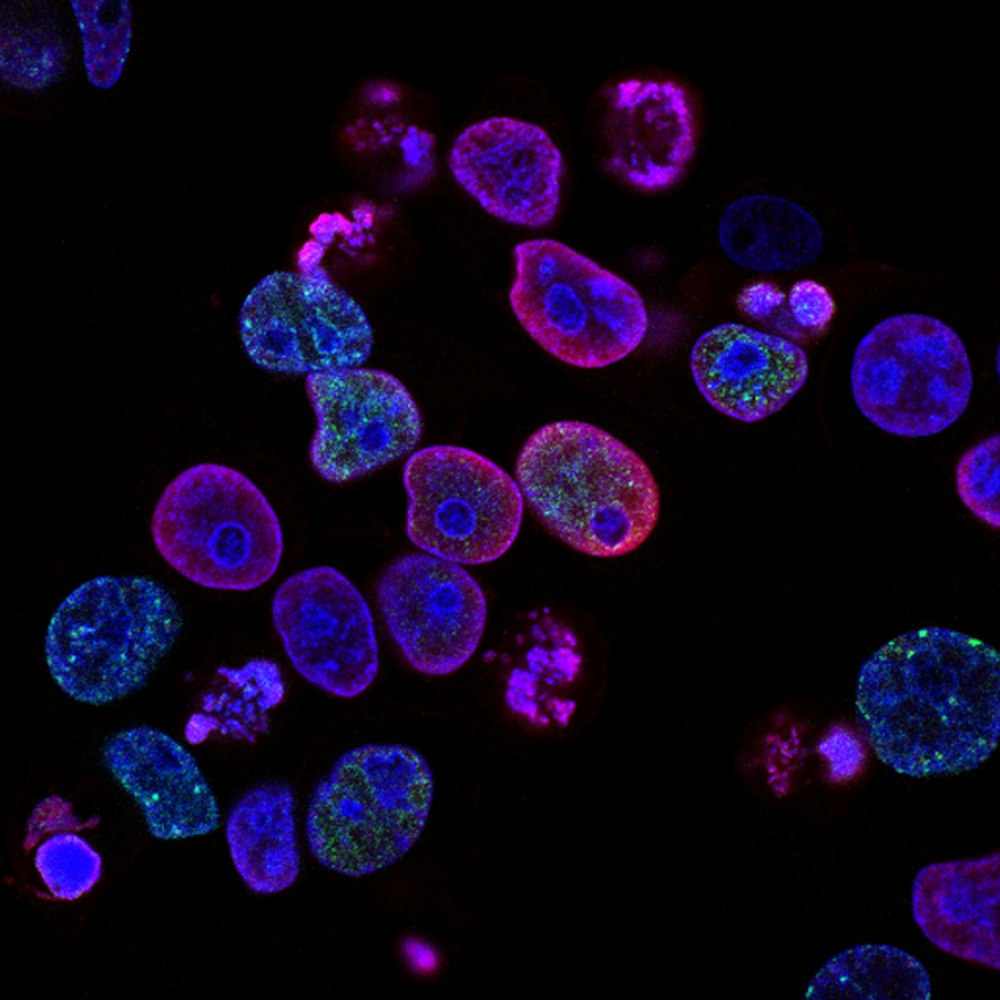
As one research team aptly noted about their automated platform, these technologies "enable medium- to high-throughput analysis of human stem cells and derivatives," which "will become increasingly important with the emergence of clinical trials using stem cells" 8 . The cellular factory is open for business—and it's manufacturing hope for patients worldwide.