Developing an In Vitro Spinosad Detection Method for High-Throughput Screening in Microbial Strain Engineering
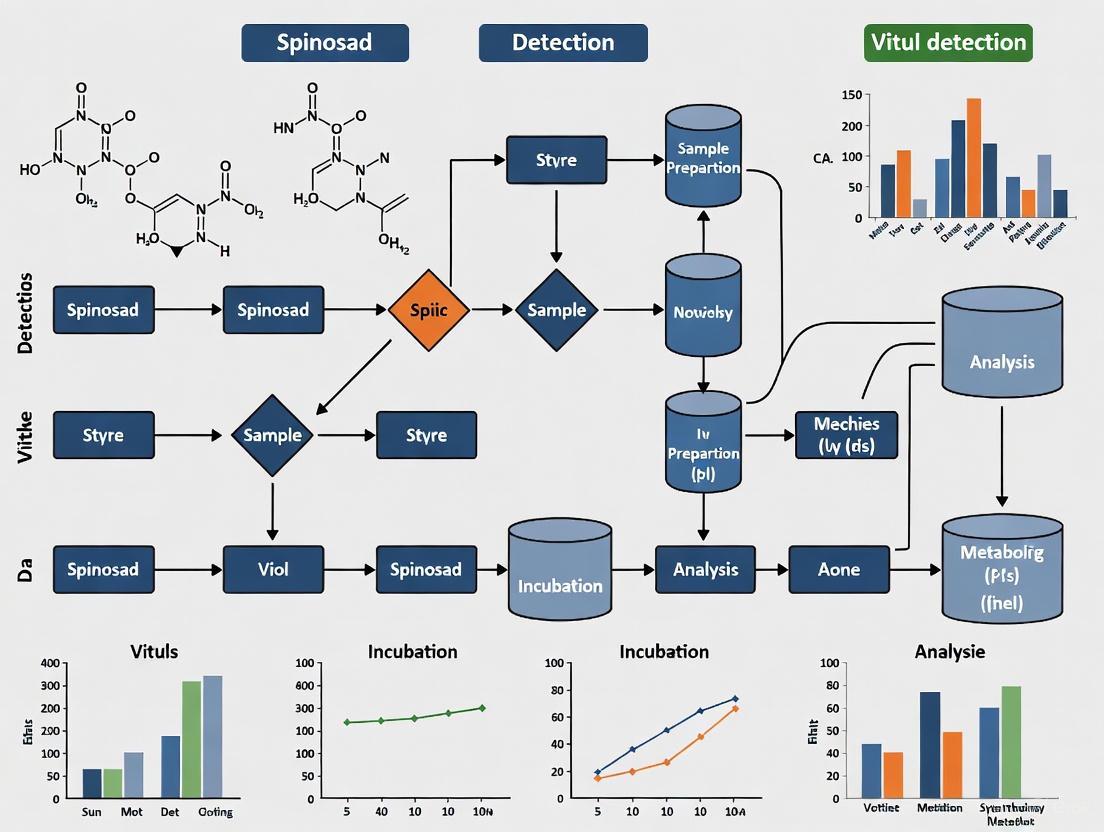
This article details the development and application of a novel in vitro colorimetric method for the high-throughput screening (HTS) of Spinosad-producing Saccharopolyspora spinosa strains.
Developing an In Vitro Spinosad Detection Method for High-Throughput Screening in Microbial Strain Engineering
Abstract
This article details the development and application of a novel in vitro colorimetric method for the high-throughput screening (HTS) of Spinosad-producing Saccharopolyspora spinosa strains. Addressing the critical bottleneck of costly and slow fermentation-based screening in natural product discovery, we explore the foundational principles of leveraging the promiscuous glycosyltransferase OleD for the detection of the spinosad precursor, pseudoaglycone (PSA). The content provides a step-by-step methodological guide for system optimization and implementation, discusses troubleshooting and strategies for yield enhancement through metabolic engineering, and validates the approach against traditional analytical techniques. Aimed at researchers and scientists in drug development and industrial biotechnology, this resource offers a comprehensive framework for accelerating the engineering of high-yield microbial strains for antibiotic and biopesticide production.
Spinosad Biosynthesis and the Need for Advanced Screening Technologies
Spinosad is a highly effective and environmentally friendly macrocyclic lactone insecticide produced by the fermentation of the soil-actinobacterium Saccharopolyspora spinosa [1]. It is a mixture of two active compounds, spinosyn A and spinosyn D, which act as potent neurotoxins against a broad spectrum of insect pests [1] [2]. Its unique mode of action, targeting nicotinic acetylcholine receptors and GABA-gated chloride channels, results in rapid paralysis and death of target insects, while demonstrating reduced toxicity to mammals and beneficial insects [2]. This favorable safety profile has led to its widespread adoption in sustainable agriculture and public health vector control programs [1] [2]. However, despite its "reduced risk" classification, monitoring spinosad residues in agricultural soils is crucial for ensuring food safety and environmental sustainability, necessitating reliable detection methods [1].
Table: Essential Characteristics of Spinosad
| Characteristic | Description |
|---|---|
| Producing Microorganism | Saccharopolyspora spinosa (soil-actinobacterium) [1] |
| Chemical Classification | Macrolide antibiotic [3] [4] [5] |
| Primary Active Components | Spinosyn A and Spinosyn D [1] |
| Mode of Action | Neurotoxin acting on nicotinic acetylcholine receptors [2] |
| Environmental Profile | Selective toxicity, reduced environmental impact [1] |
Application Notes: In Vitro Detection for High-Throughput Screening
A significant challenge in spinosad production is the poor fermentation performance of wild-type S. spinosa and the inherent difficulties in genetically engineering the strain, which collectively result in high production costs that restrict its broader industrial application [3] [4] [5]. To overcome the limitations of traditional, time-consuming screening methods, a novel in vitro detection method for spinosad has been developed, centering on the key biosynthetic precursor, pseudoaglycone (PSA) [3] [4] [5].
This method leverages a broad-substrate promiscuity glycosyltransferase, OleD from Streptomyces antibioticus, to detect PSA through colorimetric reactions coupled with glycosylation [3] [4] [5]. The application of this optimized in vitro PSA detection system for high-throughput screening (HTS) has proven highly effective. It enabled the selection of a mutant strain, DUA15, which showed a 0.80-fold and 0.66-fold increase in spinosad and PSA production, respectively, compared to the original strain [3] [4] [5]. Subsequent genetic engineering of this mutant yielded an engineered strain, D15-102, which achieved a 2.9-fold increase in spinosad production over the original strain, demonstrating the power of combining HTS with metabolic engineering [3] [4] [5].
Table: Key Reagent Solutions for In Vitro Spinosad Detection and HTS
| Research Reagent | Function / Explanation |
|---|---|
| Pseudoaglycone (PSA) | The immediate biosynthetic precursor to spinosad; serves as the target analyte in the colorimetric detection system [3] [4] [5]. |
| OleD Glycosyltransferase | A broad-substrate enzyme from Streptomyces antibioticus; catalyzes a glycosylation reaction with PSA that is coupled to the colorimetric output, enabling detection [3] [4] [5]. |
| Colorimetric Reaction System | Provides a visible signal (color change) upon the glycosylation of PSA, allowing for rapid, high-throughput screening of mutant S. spinosa libraries without complex instrumentation [3] [4] [5]. |
| Fermentation Media | The growth medium for S. spinosa; its composition is often optimized to enhance the flux through the spinosad biosynthetic pathway and increase yield [5]. |
Experimental Protocols
Protocol: In Vitro Colorimetric Detection of Pseudoaglycone (PSA)
This protocol details the high-throughput method for detecting spinosad via its precursor, PSA, using a glycosyltransferase-coupled colorimetric assay [3] [4] [5].
Procedure:
- Cell Culturing and Lysate Preparation: Grow cultures of S. spinosa mutants in a suitable fermentation medium. After a defined fermentation period, harvest cells and prepare crude cell lysates containing the intracellular metabolites, including PSA.
- Reaction Setup: In a microtiter plate suitable for colorimetric analysis, combine the following:
- Test sample (cell lysate from mutant strains) or PSA standard.
- Glycosyltransferase OleD at a defined working concentration.
- Necessary glycosyl donor (e.g., UDP-sugar).
- Components of the colorimetric reaction system.
- Incubation and Detection: Incubate the reaction plate at a controlled temperature (e.g., 30°C) for a specified period to allow the enzyme-coupled reaction to proceed. Monitor the resulting color development using a plate reader at the appropriate wavelength.
- Data Analysis: Identify mutant strains exhibiting a significantly stronger colorimetric signal compared to the control (parental strain), indicating higher intracellular concentrations of PSA and, by extension, greater potential for spinosad overproduction.
Protocol: Quantitative NMR (qNMR) for Spinosad Residue Detection
This protocol describes a non-destructive method for quantifying spinosad residues in soil samples, validated as an efficient alternative to chromatographic techniques [1].
Procedure:
- Sample Preparation: Extract spinosad from soil samples (e.g., 2 g) using an appropriate organic solvent like ethyl acetate. Concentrate the extract under a gentle stream of nitrogen gas. The final extract can be dissolved in a deuterated solvent (e.g., CDCl₃) for NMR analysis.
- qNMR Acquisition: Transfer the prepared sample into a standard NMR tube. Acquire ¹H NMR spectra on a spectrometer operating at a minimum of 400 MHz. Use a relaxation delay (d1) of at least 5 times the longest T1 of the protons of interest to ensure quantitative conditions.
- Quantification: Identify the characteristic NMR signals for spinosad: a doublet at 5.87 ppm for spinosyn A and a singlet at 5.47 ppm for spinosyn D [1]. Integrate the areas of these signals. Using the principle that the integrated signal area is directly proportional to the number of nuclei generating it, calculate the concentration of spinosad in the sample by comparing the integral of the analyte signal to that of a known internal standard (e.g., maleic acid) added at a known concentration.
- Method Validation: The method demonstrates a recovery rate of 88% for spinosad in agricultural soils, with a limit of detection (LOD) of 0.0414 mg mL⁻¹ and a limit of quantification (LOQ) of 0.1254 mg mL⁻¹. It shows excellent linearity (R² = 0.9928) across a 2–8 mg mL⁻¹ concentration range and high precision (coefficients of variation < 1%) [1].
Table: Validation Parameters for qNMR Detection of Spinosad in Soil [1]
| Validation Parameter | Result |
|---|---|
| Recovery Rate | 88% |
| Linearity (R²) | 0.9928 (across 2–8 mg mL⁻¹) |
| Limit of Detection (LOD) | 0.0414 mg mL⁻¹ |
| Limit of Quantification (LOQ) | 0.1254 mg mL⁻¹ |
| Precision (Intraday & Interday CV) | < 1% |
Workflow and Pathway Visualizations
High-Throughput Screening and Engineering Workflow
Simplified Spinosad Biosynthetic Pathway
Spinosad, a highly effective and environmentally friendly macrolide insecticide, is primarily synthesized via the fermentation of the soil-dwelling actinobacterium Saccharopolyspora spinosa [6] [7]. Despite its favorable toxicological profile and approval for use in organic agriculture, its widespread industrial application is significantly constrained by the poor fermentation performance of the native producer strain and the intrinsic difficulties in its genetic manipulation [3] [8]. These limitations result in high production costs, creating a pressing industrial challenge [3]. The core of this problem lies in the inherent biological inefficiencies of the wild-type S. spinosa, including a high level of DNA methylation that complicates genetic engineering and a lack of clarity regarding the full regulatory mechanisms governing spinosad biosynthesis [8]. This application note details integrated protocols, combining advanced high-throughput screening (HTS) and metabolic engineering strategies, to directly address these bottlenecks and enhance spinosad production yields in an industrial context.
Current Strategies and Quantitative Outcomes
Research efforts to overcome production limitations have converged on two complementary approaches: optimizing the producer strain through engineering and developing rapid screening methods to identify high-performing mutants. The table below summarizes the performance of recent strategies as documented in the literature.
Table 1: Quantitative Outcomes of Recent Spinosad Yield Improvement Strategies
| Strategy | Strain / System | Key Intervention | Reported Yield | Fold Increase vs. Wild-Type | Citation |
|---|---|---|---|---|---|
| Genetic Engineering | Engineered S. spinosa-spn | Overexpression of complete 74-kb spn gene cluster | 920 mg/L (after medium optimization) | 2.24-fold (124% increase from 309 mg/L) | [8] |
| Combined HTS & Engineering | Engineered strain D15-102 | Glycosyltransferase-based HTS followed by genetic modification | Not Specified | 2.9-fold | [3] |
| Genetic Engineering | Engineered S. spinosa pIBR-SPN FR | Overexpression of rhamnose and forosamine synthesis genes | Not Specified | 13-fold | [8] |
| Genetic Engineering | Engineered S. spinosa | Overexpression of gdh, kre, gtt, and epi genes | Not Specified | 2.6-fold | [8] |
| HTS Alone | Mutant strain DUA15 | Glycosyltransferase-based HTS of mutated population | Not Specified | 0.80-fold (Spinosad), 0.66-fold (PSA) | [3] |
Detailed Experimental Protocols
Protocol 1: In Vitro Colorimetric HTS for Spinosad Precursors
This protocol describes a high-throughput method for detecting pseudoaglycone (PSA), the direct precursor to spinosad, using a glycosyltransferase-based colorimetric assay. This method facilitates the rapid screening of large mutant libraries without the need for complex instrumentation [3].
- Principle: A glycosyltransferase (OleD from Streptomyces antibioticus) with broad substrate promiscuity is employed to transfer a sugar moiety to PSA. The glycosylation reaction is coupled to a colorimetric readout, allowing for visual or spectrophotometric identification of high-PSA-producing strains [3].
- Reagents and Equipment:
- Broad substrate glycosyltransferase (OleD): The key enzyme for the detection reaction [3].
- UDP-sugar donor: The sugar donor for the glycosylation reaction.
- Colorimetric reagent: A chemical system that produces a color change upon glycosylation (e.g., linked to NAD(P)H production/consumption).
- 96-well or 384-well microplates: For high-throughput culturing and assay setup.
- Microplate spectrophotometer or scanner: For quantifying the colorimetric signal.
- Procedure:
- Culture Mutant Library: Grow individual mutant strains of S. spinosa in deep-well microplates containing a suitable fermentation medium for a standardized period.
- Prepare Cell Extracts: Centrifuge the cultures to separate the biomass. Lyse the cell pellets to release intracellular metabolites, including PSA.
- Set Up Detection Reaction: In a fresh microplate, combine the cell extract with the reaction mixture containing OleD, UDP-sugar, and the colorimetric reagents.
- Incubate and Measure: Incubate the plate under defined conditions (temperature, time) to allow the color to develop. Measure the absorbance at the appropriate wavelength.
- Identify Hits: Select strains that produce a significantly stronger signal than the wild-type control for further validation and fermentation in larger volumes.
Protocol 2: Overexpression of the Complete Spinosyn Gene Cluster
This protocol involves the genetic engineering of S. spinosa to overexpress its entire native 74-kb spinosyn (spn) biosynthetic gene cluster, a strategy proven to significantly boost spinosad production [8].
- Principle: By increasing the copy number of the entire biosynthetic pathway within the native host, the flux through the spinosad production pathway is enhanced. This is achieved using CRISPR/Cas9-mediated Transformation-Associated Recombination (TAR) cloning to capture the large gene cluster and integrate it into the host genome [8].
- Reagents and Equipment:
- Plasmids: pCAP01a-CAP1/2 (for TAR cloning in yeast), pCM265 (integration vector for S. spinosa).
- Enzymes: CRISPR/Cas9 complexes with specific gRNAs, restriction enzymes (e.g., SwaI, PmeI).
- Strains: Saccharomyces cerevisiae (for TAR), Escherichia coli EPI300, DH5α, and S17-1, wild-type S. spinosa.
- Culture Media: Solid and liquid media for S. spinosa, LB for E. coli, appropriate selection media.
- Procedure:
- Excise Gene Cluster: Use three Cas9-gRNA complexes to digest S. spinosa genomic DNA, liberating two large fragments (spn1 and spn2) that together constitute the complete spn cluster.
- Clone in Yeast: Co-transform the digested DNA fragments with linearized pCAP01a vectors into yeast protoplasts. The yeast's homologous recombination system will assemble the complete gene clusters into the vectors, creating pCAP01a-spn1 and pCAP01a-spn2.
- Assemble Final Plasmid: Liberate spn1 and spn2 from the yeast vectors and use overlap and homologous fragments to insert them into the PmeI site of the E. coli-Streptomyces shuttle vector pCM265, creating pCM265-spn.
- Conjugative Transfer: Transform pCM265-spn into the conjugative E. coli S17-1. Co-culture this donor strain with S. spinosa to allow intergeneric conjugation and transfer of the plasmid into the final production host.
- Validate and Ferment: Select for exconjugants using apramycin. Verify the correct genetic structure of the engineered strain (Sa. spinosa-spn) via PCR and sequencing. Proceed to fermentation.
Diagram 1: Complete Spinosyn Cluster Overexpression Workflow
The Scientist's Toolkit: Key Research Reagent Solutions
The following table catalogues essential materials and reagents critical for implementing the described strain improvement and screening protocols.
Table 2: Essential Research Reagents for Spinosad Yield Enhancement
| Reagent / Material | Function / Role | Specific Example / Note |
|---|---|---|
| Broad Substrate Glycosyltransferase (OleD) | Enables colorimetric detection of PSA for HTS by catalyzing sugar transfer. | OleD from Streptomyces antibioticus; selected for its substrate promiscuity [3]. |
| CRISPR/Cas9 System with gRNAs | Precisely excises large biosynthetic gene clusters from the native genome for cloning. | Used with three specific gRNAs to cut out the 74-kb spn cluster [8]. |
| TAR Cloning System | Captures and assembles large DNA fragments in yeast via homologous recombination. | Utilizes Saccharomyces cerevisiae and pCAP01a vectors [8]. |
| Shuttle Vector pCM265 | Stable integration vector for introducing and maintaining genetic constructs in S. spinosa. | An E. coli-Streptomyces shuttle vector; apramycin resistance marker [8]. |
| Conjugative E. coli Strain | Facilitates DNA transfer from E. coli to S. spinosa via intergeneric conjugation. | E. coli S17-1 is commonly used for this purpose [8]. |
| Fermentation Medium Components | Supports high-density growth and spinosad production in lab and industrial fermenters. | Optimized medium contains soybean oil, corn steep powder, cottonseed meal, and glucose [8]. |
Biosynthesis Pathway and Engineering Targets
A detailed understanding of the spinosad biosynthesis pathway is fundamental to rational metabolic engineering. The pathway involves large polyketide synthases (PKSs) that construct the macrolactone backbone, which is subsequently modified by a series of tailoring enzymes. The sugars, rhamnose and forosamine, are synthesized and attached by specific glycosyltransferases.
Diagram 2: Spinosad Biosynthesis Pathway and Key Engineering Targets
Integrated Strategy for Industrial Application
To effectively address the industrial challenge of high cost and low yield, a synergistic approach is recommended. The initial strain development cycle should begin with the construction of an engineered production host, such as the Sa. spinosa-spn strain overexpressing the complete spn cluster, to establish a high-yielding baseline [8]. This engineered strain should then be subjected to random mutagenesis to introduce further beneficial genetic diversity. The resulting large mutant library must be rapidly screened using the in vitro colorimetric HTS protocol for PSA [3]. This workflow efficiently identifies elite mutants that combine the benefits of rational engineering with random mutagenesis. The final selected strains should undergo fermentation medium optimization using statistical design of experiments (e.g., Response Surface Methodology) to push productivity to its maximum potential, as demonstrated by the achievement of 920 mg/L titers [8]. This multi-pronged strategy systematically tackles the biological limitations of the native producer, offering a robust pathway to economically viable industrial-scale spinosad production.
Spinosad is a highly effective and environmentally friendly macrolide insecticide produced by the aerobic fermentation of the soil actinomycete Saccharopolyspora spinosa [3] [9]. This potent insecticide primarily consists of two active compounds, spinosyns A (85-90%) and D (10-15%), which act on the insect nervous system through a unique mechanism involving nicotinic acetylcholine receptors and GABA receptor inhibition [9]. Despite its excellent insecticidal properties and environmental compatibility, the industrial application of spinosad is constrained by high production costs stemming from poor fermentation performance and the inherent difficulties in genetically engineering S. spinosa strains [3] [4].
The biosynthesis of spinosad proceeds through a complex pathway where pseudoaglycone (PSA) serves as the immediate precursor compound to the final spinosyn molecules [3] [4]. PSA represents a critical branching point in the spinosad biosynthetic pathway, making it an ideal target for detection and quantification in high-throughput screening (HTS) programs aimed at strain improvement. Traditional screening methods for spinosad-producing strains have been limited by being time-consuming and labor-intensive, creating a significant bottleneck in the development of industrial production strains [3]. The establishment of PSA as a detectable marker enables researchers to bypass these limitations by providing a rapid, in vitro detection method that can accelerate the breeding of mutated strains with enhanced spinosad production capabilities.
The Principle of PSA Detection: Glycosyltransferase-Based Assay
The core innovation in PSA detection leverages the substrate promiscuity of a specific glycosyltransferase enzyme to enable precise detection and quantification of PSA levels in microbial samples. This methodology employs OleD, a broad-substrate promiscuity glycosyltransferase from Streptomyces antibioticus, which catalyzes the transfer of sugar molecules to the PSA backbone [3] [4]. The detection system utilizes colorimetric reactions coupled with glycosylation, transforming the presence of PSA into a measurable signal that correlates with the potential spinosad production capability of the tested strain.
This glycosyltransferase-based assay represents a significant advancement over traditional detection methods because it targets the biosynthetic precursor rather than the final product, allowing for earlier and more predictive screening of strain performance. The principle behind this assay capitalizes on the specific enzymatic modification of PSA, creating a direct linkage between the detected signal and the metabolic flux toward spinosad production in the bacterial strain. This approach has been successfully optimized and applied for high-throughput screening of S. spinosa mutant libraries, enabling researchers to rapidly identify strains with enhanced spinosad production capabilities without the need for lengthy fermentation and analysis procedures [3].
Research Reagent Solutions for PSA Detection
Table 1: Essential Research Reagents for PSA Detection and Analysis
| Reagent/Chemical | Function/Role in Detection | Application Context |
|---|---|---|
| Glycosyltransferase OleD (from Streptomyces antibioticus) | Catalyzes PSA glycosylation for colorimetric detection | Core enzyme in the in vitro PSA detection system [3] |
| Pseudoaglycone (PSA) Standard | Reference compound for assay calibration and validation | Quantification and method development [3] |
| Spinosyn A & D Standards | Analytical references for final product verification | HPLC/LC-MS confirmation of spinosad production [10] [9] |
| Acetonitrile (LC-MS Grade) | Extraction solvent for intracellular metabolites | Sample preparation for PSA and spinosad analysis [10] |
| Formic Acid (LC-MS Grade) | Mobile phase modifier for chromatographic separation | LC-ESI-MS/MS analysis of spinosad components [10] |
The effectiveness of the PSA detection system relies heavily on the quality and specificity of these core reagents. The glycosyltransferase OleD serves as the central detection element, exhibiting the necessary substrate flexibility to recognize and modify PSA while generating a detectable signal through the coupled colorimetric reaction. High-purity PSA and spinosyn standards are essential for assay validation and establishing calibration curves that enable quantitative assessment of production capabilities. The chromatographic solvents and modifiers ensure optimal extraction and separation of analytes when confirmatory analysis is required, particularly in method development and validation stages.
Detailed Experimental Protocol for High-Throughput PSA Screening
Sample Preparation and Cell Lysis
Culture Conditions: Inoculate S. spinosa strains in appropriate seed medium and incubate at 30°C with shaking at 220 rpm for 60 hours to achieve optimal seed age [9]. Transfer the seed culture to fermentation medium with an inoculation volume of 10% (v/v) and culture for an additional 10 days under standard fermentation conditions.
Harvesting and Extraction: Centrifuge 1 mL of fermentation broth at 12,000 × g for 5 minutes. Discard the supernatant and resuspend the cell pellet in 500 μL of extraction solvent (acetonitrile:water, 80:20 v/v). Vortex vigorously for 30 seconds and subject to ultrasonic disruption for 2 minutes in an ice bath.
Clarification: Centrifuge the extracted samples at 15,000 × g for 10 minutes at 4°C. Collect the supernatant containing intracellular metabolites, including PSA, for subsequent analysis.
In Vitro PSA Detection Assay
Reaction Setup: Prepare the detection mixture containing 50 mM phosphate buffer (pH 7.5), 0.1 mM sugar donor, and 10 μg/mL purified OleD glycosyltransferase in a total volume of 100 μL [3] [4].
Sample Addition: Add 20 μL of the clarified sample extract to the reaction mixture. For controls, include samples without enzyme (background control) and with known concentrations of PSA standard (calibration curve).
Color Development: Incubate the reaction at 30°C for 30 minutes to allow complete glycosylation. Add 50 μL of colorimetric detection reagent and incubate for an additional 10 minutes at room temperature.
Signal Measurement: Transfer the developed reaction to a 96-well plate and measure absorbance at the appropriate wavelength using a plate reader. Calculate PSA concentration based on the standard curve generated from known PSA standards.
Validation by LC-ESI-MS/MS Analysis
For confirmation of spinosad production in selected hits, the following LC-ESI-MS/MS method provides reliable quantification:
Chromatographic Conditions: Utilize a C18 reversed-phase column (150 × 2.1 mm, 3.5 μm) maintained at 40°C. The mobile phase consists of (A) water with 0.1% formic acid and (B) acetonitrile with 0.1% formic acid at a flow rate of 0.3 mL/min. Employ a gradient elution from 30% B to 95% B over 15 minutes [10].
Mass Spectrometric Detection: Operate the mass spectrometer in positive electrospray ionization mode with multiple reaction monitoring (MRM). Use the following transitions: m/z 732.1 → 142.2 for spinosyn A and m/z 746.2 → 142.2 for spinosyn D [10]. Set ion spray voltage to 5500 V, source temperature to 500°C, and use nitrogen as both curtain and collision gas.
Quantification: Prepare external calibration standards in the range of 20-500 ng/mL for each spinosyn component. Process sample data using matrix-matched calibration to account for potential matrix effects.
Data Interpretation and Method Performance
The PSA detection method has demonstrated excellent performance in identifying high-producing spinosad strains. In validation studies, the application of this high-throughput screening approach resulted in the identification of mutant strain DUA15, which showed a 0.80-fold increase in spinosad production and a 0.66-fold increase in PSA production compared to the original strain [3] [4]. Subsequent genetic engineering of this promising strain yielded engineered strain D15-102, which exhibited a remarkable 2.9-fold increase in spinosad production compared to the original parental strain [3].
Table 2: Performance Comparison of Spinosad Detection Methods
| Method | Throughput | Detection Time | Cost per Sample | Key Applications |
|---|---|---|---|---|
| PSA Glycosyltransferase Assay | High (96/384-well) | 4-6 hours | Low | Primary HTS of mutant libraries [3] |
| LC-ESI-MS/MS | Low to Medium | 30-40 minutes | High | Validation and precise quantification [10] |
| HPLC-UV | Medium | 20-30 minutes | Medium | Routine quality control [10] |
The data generated through the PSA detection assay provides a reliable proxy for spinosad production capability, allowing researchers to efficiently prioritize strains for further development. The method's robustness is reflected in its successful integration with metabolic engineering approaches, leading to significant improvements in spinosad production. When optimizing fermentation conditions for maximal spinosad yield, researchers have achieved production levels of up to 4.38 g/L in shake flask experiments and 6.22 ± 0.12 g/L in 30-L fermenters using fed-batch fermentation strategies [9].
Applications in Strain Development and Fermentation Optimization
The implementation of PSA detection as a screening tool has profound implications for strain development programs aimed at enhancing spinosad production. By targeting this key biosynthetic intermediate, researchers can rapidly assess the metabolic capacity of engineered or mutated strains without waiting for the complete biosynthesis and accumulation of final products. This approach has been successfully applied in conjunction with various strain improvement strategies, including:
Metabolic Engineering: Introduction of regulatory genes and optimization of precursor pools to enhance flux through the spinosad biosynthetic pathway [3] [9].
Random Mutagenesis and Screening: Application of physical and chemical mutagens (UV irradiation, ARTP/NTG) followed by high-throughput screening to identify improved producers [9].
Fermentation Process Optimization: Using PSA levels as a metabolic indicator to optimize culture conditions, including seed age, inoculation volume, temperature, and dissolved oxygen strategies [9].
Heterologous Production: Development of alternative production hosts such as Saccharopolyspora erythraea with integrated spinosad biosynthetic gene clusters, where PSA detection facilitates rapid screening of high-producing transformants [11].
The integration of PSA detection into comprehensive strain development pipelines represents a significant advancement over traditional methods, reducing screening timelines from weeks to days while providing robust quantitative data to guide engineering decisions. This accelerated screening capability is particularly valuable in the context of industrial biotechnology, where rapid iteration through design-build-test cycles is essential for achieving commercially viable production levels.
High-Throughput Screening (HTS) represents a paradigm shift in pharmaceutical development and toxicology testing, moving beyond the constraints of traditional single-concentration screening methods. Traditional screening approaches, often reliant on labor-intensive, low-throughput methods, have struggled to keep pace with the need to rapidly evaluate thousands of chemical compounds. The advent of quantitative HTS (qHTS) has addressed fundamental limitations by generating complete concentration-response curves for large compound libraries, significantly enhancing the reliability and information content of screening data. Within this evolving landscape, the development of robust in vitro spinosad detection methods exemplifies how HTS platforms can accelerate the discovery and optimization of biologically active compounds for agricultural and therapeutic applications.
The Limitations of Traditional Screening Approaches
Traditional screening methods present significant bottlenecks that hinder efficient drug discovery and toxicity testing.
- Single-Point Testing and High Error Rates: Conventional HTS tests compounds at a single concentration, typically 10 μM, which generates limited data and is prone to both false positives and false negatives [12] [13]. This approach fails to capture the complete pharmacological profile of a compound, missing subtle complex pharmacology such as partial agonism or antagonism [12].
- Labor-Intensive and Low-Throughput Processes: Before HTS, researchers relied on manual, hypothesis-driven methods to test compounds individually. These processes were inherently slow, lacked scalability, and significantly extended drug development timelines, often by years [14].
- Limited Data for Informed Decision-Making: Single-concentration screening provides minimal information on potency and efficacy, making it difficult to prioritize compounds for further development and elucidate structure-activity relationships (SAR) directly from the primary screen [12].
Table 1: Key Limitations of Traditional Single-Concentration Screening versus qHTS
| Screening Aspect | Traditional HTS | Quantitative HTS (qHTS) |
|---|---|---|
| Testing Paradigm | Single concentration | Multiple concentrations (titration series) |
| Data Output | Single activity data point | Complete concentration-response curve |
| False Positive/Negative Rate | High [12] | Significantly reduced [12] [13] |
| Pharmacological Profiling | Limited; misses partial effects [12] | Comprehensive; identifies various activites [12] |
| Structure-Activity Relationship (SAR) | Requires extensive follow-up [12] | Can be delineated directly from primary screen [12] |
qHTS as a Transformative Solution
Quantitative High-Throughput Screening (qHTS) has emerged as a transformative solution that directly addresses the shortcomings of traditional methods. qHTS is defined as "a method of testing compounds at multiple concentrations using an HTS platform" to immediately generate concentration-response curves for every compound tested [13].
The methodology involves preparing a chemical library as an inter-plate titration series. For example, screening a library against an assay in a 1,536-well plate format using at least seven concentrations results in a concentration range spanning approximately four orders of magnitude [12]. This approach yields highly precise and reproducible data, as demonstrated by the tight correlation (r² ≥ 0.98) of half-maximal activity concentration (AC₅₀) values in replicate screens [12].
A critical advantage of qHTS is its robust data analysis framework. Concentration-response curves are systematically classified based on the quality of curve fit (r²), magnitude of response (efficacy), and the number of asymptotes. This classification rapidly identifies compounds with a wide range of activities and potencies, enabling immediate and reliable mining of biological activities from the primary screen [12].
Application Note: Establishing an In Vitro Spinosad Detection Method for HTS
Spinosad, a macrocyclic lactone insecticide produced by Saccharopolyspora spinosa, is a highly effective, environmentally-friendly insecticide [3]. However, its production cost remains high due to poor fermentation performance and challenges in engineering producer strains [3]. The following application note details a validated qHTS-compatible method for detecting spinosad precursors to accelerate strain improvement.
Experimental Protocol: In Vitro Detection of Spinosad Pseudoaglycone (PSA)
1. Principle An in vitro detection system for the spinosad precursor pseudoaglycone (PSA) was established using a broad substrate promiscuity glycosyltransferase (OleD from Streptomyces antibioticus). The method employs colorimetric reactions coupled with glycosylation to detect PSA, enabling high-throughput screening of mutant S. spinosa libraries for enhanced spinosad production [3].
2. Reagents and Materials
- Glycosyltransferase OleD: Purified enzyme for catalyzing the glycosylation reaction of PSA.
- Detection Reagents: Components for colorimetric reaction to detect glycosylated product.
- PSA Standard: For calibration and positive controls.
- Chemical Library: Mutant strains of S. spinosa or chemical compounds to be screened.
- Microplates: 384-well or 1,536-well plates compatible with HTS automation.
- Assay Buffer: Optimized buffer system to maintain enzyme activity and reaction efficiency.
3. Procedure
- Sample Preparation: Culture mutant S. spinosa strains under standardized fermentation conditions. Extract metabolites or use culture supernatants.
- Reaction Setup: In a 384-well plate, combine the following in assay buffer:
- Sample extract (containing PSA) or PSA standard.
- Glycosyltransferase OleD.
- Glycosyl donor (e.g., UDP-sugar).
- Colorimetric detection reagent components.
- Incubation: Incubate the reaction plate at a defined temperature (e.g., 30°C) for a specified period to allow complete glycosylation and color development.
- Signal Detection: Measure the absorbance or fluorescence of the colorimetric product using a plate reader.
- Data Analysis: Plot the signal intensity against the known PSA standard concentrations to generate a standard curve. Quantify PSA in unknown samples by interpolation from the standard curve. For mutant screening, rank strains based on PSA production levels.
4. Outcome and Validation The application of this in vitro PSA detection system for HTS facilitated the rapid screening of S. spinosa mutant libraries. The final selected mutant strain, DUA15, showed a 0.80-fold increase in spinosad production compared to the original strain. Subsequent genetic engineering yielded strain D15-102, which demonstrated a 2.9-fold increase in spinosad production, validating the effectiveness of the HTS approach for strain improvement [3].
Diagram 1: HTS workflow for spinosad precursor detection.
The Scientist's Toolkit: Essential Reagent Solutions
Table 2: Key Research Reagents for In Vitro Spinosad Detection and HTS
| Reagent / Material | Function / Role in the Assay |
|---|---|
| Glycosyltransferase OleD | Catalyzes the glycosylation of the PSA precursor, enabling its detection via a coupled colorimetric reaction [3]. |
| Spinosad Reference Standard | High-purity material essential for assay calibration, creating standard curves, and ensuring accurate quantification [15]. |
| Colorimetric Detection Reagents | Provides the measurable signal (absorbance/fluorescence) indicating the extent of the glycosylation reaction and thus PSA concentration [3]. |
| HTS-Compatible Microplates | 384-well or 1536-well plates that enable assay miniaturization, automation, and parallel processing of thousands of samples [12] [16]. |
| Cell Viability Assay Kits | Reagents like CellTiter-Glo measure ATP levels as a proxy for cell viability in cytotoxicity screenings, a common HTS application [17]. |
The transition from traditional screening to qHTS represents a fundamental advancement in bio-screening capabilities. By providing rich, information-dense datasets that accurately profile every compound in large chemical libraries, qHTS has become an indispensable platform for chemical genomics and drug discovery [12]. The successful application of an in vitro HTS assay for spinosad detection underscores the practical utility of this approach in accelerating the development of commercially and agriculturally significant biological products. As HTS continues to evolve, the integration of advanced technologies such as artificial intelligence, machine learning, and more complex phenotypic assays using patient-derived organoids [16] will further solidify its role as a cornerstone of modern pharmaceutical and agricultural research.
This application note details a methodology for the in vitro colorimetric detection of spinosad via the leveraging of broad-substrate promiscuity glycosyltransferases. This protocol is designed to accelerate the high-throughput screening (HTS) of engineered Saccharopolyspora spinosa strains, addressing the critical bottleneck of fermentation performance and yield in spinosad production. The method enables rapid, efficient, and automated screening of thousands of microbial variants, facilitating the identification of high-producing mutants for this environmentally friendly insecticide.
Spinosad, a macrolide antibiotic produced by Saccharopolyspora spinosa, is a highly effective and biodegradable insecticide. However, its widespread industrial application is constrained by the poor fermentation performance of native strains and the inherent difficulty in genetically engineering S. spinosa [3]. Industrial strain improvement has traditionally relied on random mutagenesis and screening, a process that is notoriously time-consuming and labor-intensive when using traditional methods [3].
High-throughput screening (HTS) is an automated approach that allows for the rapid testing of thousands to millions of samples for biological activity. It is characterized by the use of automated equipment, simple assay designs compatible with microtiter plates (e.g., 96-, 384-, or 1536-well formats), and robotic-assisted sample handling [13]. We describe an in vitro solution that integrates HTS with a colorimetric assay based on the enzymatic activity of a broad-substrate glycosyltransferase, enabling the efficient screening of mutant libraries.
Core Biochemical Principle
The assay targets pseudoaglycone (PSA), the direct precursor molecule in the spinosad biosynthesis pathway [3]. The core of the detection system is a broad-substrate promiscuity glycosyltransferase, specifically OleD from Streptomyces antibioticus [3].
This enzyme catalyzes the transfer of a sugar moiety from a UDP-sugar donor to the acceptor PSA molecule. The colorimetric reaction is coupled to this glycosylation event. While the specific coupled reaction is not detailed in the provided sources, a common approach involves linking the glycosylation reaction to a secondary enzyme system that produces a measurable color change, for instance, through the generation or consumption of NADH, which can be monitored spectrophotometrically. The intensity of the colorimetric signal is directly proportional to the amount of PSA present in the culture, which in turn correlates with the strain's potential for spinosad production.
Research Reagent Solutions
The following table catalogues the essential materials and reagents required to establish the colorimetric HTS assay.
Table 1: Key Research Reagents and Materials
| Item | Function/Description | Source/Example |
|---|---|---|
| OleD Glycosyltransferase | Broad-substrate enzyme that catalyzes the glycosylation of PSA, enabling the subsequent colorimetric detection. | Streptomyces antibioticus [3] |
| Pseudoaglycone (PSA) Standard | The target precursor compound for spinosad; used as a standard for assay development and calibration. | Commercial standard or purified from microbial culture [3] |
| UDP-Sugar Donor | Sugar donor molecule (e.g., UDP-glucose) for the glycosylation reaction catalyzed by OleD. | Commercial biochemical supplier |
| Colorimetric Reaction Reagents | Components of the coupled enzyme system that generates a measurable color change (e.g., specific dyes, enzymes, and co-factors). | Kit or custom formulation |
| Microtiter Plates | Platform for HTS; typically 384-well or 1536-well plates to enable miniaturization and parallel processing. | Various vendors [13] |
| HTS Automation System | Integrated robotic systems for automated liquid handling, plate incubation, and signal detection. | Various vendors [13] |
Experimental Protocol
In Vitro PSA Detection Assay Workflow
Detailed Methodologies
Protocol 1: Sample Preparation fromS. spinosaMutant Library
- Culture Fermentation: Grow individual mutant strains of S. spinosa in a suitable liquid medium in deep-well microtiter plates. Incubate with shaking for a standardized period to reach the desired growth phase for spinosad production.
- Metabolite Extraction: Centrifuge the culture plates to pellet biomass. Transfer a defined volume of the supernatant, containing secreted metabolites, to a new assay-compatible microtiter plate. Alternatively, for intracellular metabolites, implement a cell lysis step prior to centrifugation.
- Clarification: Centrifuge the extract plate to remove any particulate matter, ensuring a clear supernatant for the enzymatic assay.
Protocol 2: Colorimetric Detection Reaction Setup
- Master Mix Preparation: Prepare a reaction master mix on ice, containing the following components per reaction:
- Buffer: Suitable buffer (e.g., Tris-HCl or phosphate buffer) at optimal pH for OleD activity.
- UDP-Sugar: 1-10 mM of the UDP-sugar donor.
- OleD Enzyme: A standardized, optimized concentration of purified OleD glycosyltransferase.
- Colorimetric Reagents: All necessary components for the coupled colorimetric system.
- Plate Dispensing: Using an automated liquid handler, dispense a fixed volume of the master mix into each well of a 384-well or 1536-well assay plate.
- Sample Addition: Add a fixed volume of the clarified sample extract (from Protocol 1) or PSA standard to the respective wells containing the master mix.
- Incubation: Seal the plate and incubate at a defined temperature (e.g., 30°C) for a fixed duration to allow the coupled enzymatic reaction to proceed to completion.
- Signal Measurement: Transfer the plate to a plate reader and measure the absorbance at the appropriate wavelength for the colorimetric product.
Applications and Data Analysis in HTS
HTS Integration and Hit Selection
This assay is designed for integration into a robotic HTS workflow. The quantitative data generated allows for the rapid ranking of thousands of S. spinosa mutants. In the foundational study, this method led to the identification of mutant strain DUA15, which showed a 0.80-fold increase in spinosad production. Subsequent genetic engineering of this hit strain yielded the engineered strain D15-102, which demonstrated a 2.9-fold increase in spinosad production compared to the original strain [3].
Table 2: Summary of Screening Outcomes from Foundational Study
| Strain | Spinosad Production (Fold Change) | PSA Production (Fold Change) | Notes |
|---|---|---|---|
| Original Strain | 1.0 (Baseline) | 1.0 (Baseline) | Wild-type or starting strain |
| Mutant DUA15 | 1.8 | 1.66 | Selected via the described HTS method [3] |
| Engineered D15-102 | 3.9 | Not Specified | Generated via genetic modification of DUA15 [3] |
Data Processing and Hit Identification
- Normalization: Normalize the raw absorbance data from the plate reader against negative controls (blanks without sample) and positive controls (wells with known concentrations of PSA standard).
- Dose-Response Curving (for qHTS): For more robust screening, consider a quantitative HTS (qHTS) approach where compounds are tested at multiple concentrations. Generate concentration-response curves for each sample to characterize biological effects more fully and reduce false positives [13].
- Hit Selection: Define a threshold for signal intensity (e.g., 3 standard deviations above the mean of the control population). Strains generating signals above this threshold are designated as "hits" and selected for further validation in secondary assays and fermentation studies.
Troubleshooting Guide
| Problem | Potential Cause | Suggested Solution |
|---|---|---|
| High Background Signal | Contamination in reagents or non-specific reactions. | Include rigorous negative controls; purify enzyme further; optimize concentration of reaction components. |
| Low Signal-to-Noise Ratio | Suboptimal enzyme activity or inefficient coupled reaction. | Titrate enzyme concentration; check stability and activity of all reagents; optimize incubation time and temperature. |
| Poor Z'-factor (Assay Quality) | High well-to-well variability. | Ensure homogeneous mixing after sample addition; calibrate automated liquid handlers; check for plate edge-effects. |
| Inconsistent Results | Cell culture condition variability or metabolite degradation. | Standardize culture and extraction protocols; use fresh or properly stored samples. |
A Step-by-Step Protocol for the Glycosyltransferase-Based HTS Assay
Glycosyltransferase OleD from Streptomyces antibioticus has emerged as a critical biocatalyst in developing advanced in vitro detection systems for spinosad biosynthesis. Its broad substrate promiscuity and engineering malleability make it an ideal tool for high-throughput screening (HTS) of Saccharopolyspora spinosa strains, directly addressing the bottleneck of laborious traditional screening methods [3]. This Application Note provides detailed protocols for sourcing, characterizing, and applying OleD in spinosad research, enabling researchers to establish efficient screening platforms for strain development and metabolic engineering.
OleD Sourcing and Fundamental Characteristics
Table 1: Source and General Properties of Glycosyltransferase OleD
| Property | Description |
|---|---|
| Native Source | Streptomyces antibioticus [18] |
| Gene Accession | GenBank no. WP_063854495.1 [19] |
| Recombinant Expression | pET28a vector in E. coli BL21(DE3) [19] [18] |
| Expression Host | E. coli BL21(DE3) pLysS [18] |
| CAZy Family | GT-B fold, GT1 family [19] [20] |
| Sugar Donor | UDP-glucose (UDPG) [19] [18] |
| Catalytic Mechanism | Inverting glycosyltransferase [20] |
Catalytic Mechanism and Substrate Promiscuity
OleD is a GT-B fold glycosyltransferase that catalyzes the transfer of a glucose moiety from UDP-glucose to various acceptor substrates [19]. It operates via an inverting mechanism, flipping the stereochemistry at the anomeric carbon of the sugar donor [20]. Its significant value for high-throughput screening and biocatalysis stems from its remarkable substrate promiscuity, enabling the glycosylation of over 100 diverse acceptors, including macrolides, flavones, indole alkaloids, and steroids [18]. This broad specificity is key to its application in detecting spinosyn precursors.
Engineering OleD for Enhanced Performance
Rational Engineering Strategies
Wild-type OleD often requires enhancement for industrial or analytical applications. Two primary engineering strategies have proven successful:
- Domain Swapping: Functional domains of OleD can be swapped with those from related glycosyltransferases like OleI. The quadruple domain-swapped mutant OleD-10 demonstrated markedly improved activity [19].
- Site-Directed Mutagenesis: Key point mutations can dramatically boost catalytic proficiency. The OleD (ASP) variant, a triple mutant (A242V/S132F/P67T), is a well-characterized benchmark with enhanced proficiency and sustained substrate promiscuity [18].
Table 2: Engineered OleD Variants and Their Enhanced Properties
| Variant | Mutations | Catalytic Improvement | Application Context |
|---|---|---|---|
| OleD-10 FG | Four OleI domains + I117F + T118G | ~70x higher productivity vs. wild-type [19] | Nosiheptide glycosylation |
| OleD (ASP) | A242V / S132F / P67T | Marked improvement in proficiency & promiscuity [18] | Glycosylation of diverse aglycones (e.g., cardiotonic steroids) |
| Varies | Activity-based sequence conservative analysis | 74 to 400-fold increase in catalytic efficiency [21] | Mogroside glycosylation (paradigm for engineering strategy) |
Structural Insights for Engineering
The improved activity of engineered variants like OleD-10 FG is structurally attributed to a closer distance (<3 Å) between the acceptor substrate/sugar donor and the catalytic amino acid H25, facilitating more efficient catalysis [19]. General engineering strategies focus on residues within the active site to optimize substrate binding and orientation.
Figure 1: A workflow for engineering high-performance OleD variants through domain swapping and site-directed mutagenesis.
Application Protocol: HTS for Spinosad Precursor
Principle
In spinosad biosynthesis, the pseudoaglycone (PSA) is a direct precursor. OleD can glycosylate PSA, and this reaction can be coupled with a colorimetric assay to detect UDP release, enabling rapid, in vitro quantification of PSA concentrations in microbial cultures [3]. This method allows for high-throughput screening of high-producing S. spinosa strains.
Reagent Setup
The Scientist's Toolkit: Key Research Reagents
| Reagent / Material | Function / Role in the Protocol | Specifications / Notes |
|---|---|---|
| UDP-Glucose (UDPG) | Sugar donor for OleD-catalyzed reaction [19] [3] | Critical substrate; concentration should be optimized |
| Tris-HCl Buffer | Reaction buffer (pH 8.0) [19] | Maintains optimal enzymatic pH |
| OleD Cell Extract | Catalyst for glycosylation [19] [3] | Crude extract from recombinant E. coli is sufficient |
| Colorimetric Assay Kit | Detects inorganic phosphate or UDP [3] | Links glycosyl transfer to measurable signal |
| S. spinosa Culture Broth | Source of pseudoaglycone (PSA) [3] | Requires processing (e.g., centrifugation, filtration) |
Step-by-Step Procedure
Enzyme Preparation:
- Express OleD in E. coli BL21(DE3) using a pET28a vector with a T7/lac promoter system [19] [18].
- Induce culture with 0.4-0.5 mM IPTG when OD600 reaches ~0.6 and incubate at 18°C for 18 hours [18].
- Harvest cells by centrifugation (10,000g, 4°C, 20 min). Resuspend cell pellet in PBS or Tris-HCl buffer (e.g., 50 mM, pH 8.0) [19] [18].
- Lyse cells by sonication on ice. Clarify the lysate by centrifugation (12,000-30,000g, 15-30 min, 4°C). Use the supernatant as the crude enzyme extract [19].
HTS Reaction Assembly:
- Prepare a 2 mL reaction mixture containing:
- 50 mM Tris-HCl buffer (pH 8.0)
- Processed sample of S. spinosa culture broth (source of PSA)
- 3 mg/mL UDPG
- 1 mL of prepared OleD crude enzyme extract
- 10% (v/v) DMSO (to aid substrate solubility) [19]
- Incubate the reaction mixture at 30°C for a defined period (e.g., 1-2 hours) [19].
- Prepare a 2 mL reaction mixture containing:
Detection and Analysis:
- Quench the reaction as appropriate for your chosen detection method.
- Apply the quenched sample to the coupled colorimetric assay to quantify the amount of UDP produced, which correlates directly with PSA concentration in the original sample [3].
- Compare signals to a standard curve generated with known PSA concentrations to identify high-producing strains.
Figure 2: High-throughput screening workflow for spinosad-producing strains using OleD.
Troubleshooting and Optimization Guide
Table 3: Common Issues and Solutions in OleD-based HTS
| Problem | Potential Cause | Solution |
|---|---|---|
| Low Signal/Conversion | Suboptimal enzyme activity | Use engineered OleD variants (e.g., OleD-ASP); optimize expression and lysis [19] [18] |
| High Background Noise | Non-specific reactions or impurities | Include control reactions without substrate; optimize culture broth processing |
| Poor Strain Ranking | Inconsistent culture conditions | Standardize cultivation and sample preparation protocols across all mutants |
| Enzyme Instability | Proteolysis or denaturation | Add glycerol to storage buffers; use fresh enzyme extracts; optimize reaction time [19] |
Glycosyltransferase OleD is a versatile and engineerable tool that, when implemented as described, provides a robust platform for the high-throughput screening of spinosad-producing S. spinosa. The protocols outlined for its sourcing, characterization, and application in a colorimetric HTS method directly address the critical need to reduce the time and labor associated with traditional strain improvement, thereby accelerating the development of industrial microbial fermentation processes.
Within the field of natural product research and high-throughput screening (HTS), developing efficient methods to detect and quantify target compounds is paramount. This application note details the design and implementation of a colorimetric assay that couples a glycosyltransferase (GT)-catalyzed reaction with a visible readout, specifically framed within the context of detecting spinosad precursors for strain improvement programs. Spinosad, a potent macrolide insecticide produced by Saccharopolyspora spinosa, is a target for yield optimization via HTS of mutant libraries. Traditional screening methods are often time-consuming and labor-intensive, creating a bottleneck in industrial strain development [3] [4]. The assay described herein leverages the promiscuous activity of a glycosyltransferase to transform the detection of pseudoaglycone (PSA), a direct precursor of spinosad, into a simple colorimetric output, thereby enabling rapid and high-throughput screening [3].
Scientific Background and Principle
Glycosyltransferase Catalysis and Thermodynamics
Glycosyltransferases (GTs) are enzymes that catalyze the transfer of a sugar moiety from an activated donor to a specific acceptor molecule. A key challenge in utilizing GT-catalyzed reactions in a synthetic or analytical direction is that the formation of sugar nucleotides (e.g., UDP-sugars) from a nucleoside diphosphate (NDP) and a glycoside is often thermodynamically disfavored (endothermic) [22]. However, pioneering work has demonstrated that using glycoside donors with activated leaving groups, such as certain aromatic aglycons, can drastically shift this equilibrium to favor the NDP-sugar product, making the reaction exothermic [22]. Specifically, glycosides derived from 2-chloro-4-nitrophenol have been shown to provide a significant thermodynamic driving force (ΔG°pH8.5 = -2.78 kcal mol⁻¹ for one β-D-glucopyranoside derivative), transforming NDP-sugar formation into a favorable process [22].
Basis for a Colorimetric Readout
The strategic use of an activated aromatic glycoside is the cornerstone of this colorimetric assay. The 2-chloro-4-nitrophenyl glycoside serves a dual purpose:
- It acts as the glycosyl donor in the GT-catalyzed reaction.
- Upon glycosyl transfer, the 2-chloro-4-nitrophenolate leaving group is released [22].
This phenolate is a chromophore with a distinct and intense yellow color, easily detectable in the visible spectrum. The rate of the enzymatic reaction is therefore directly proportional to the rate of increase in absorbance, allowing for real-time, continuous monitoring of GT activity without the need for secondary detection reagents [22]. This principle can be harnessed to detect any acceptor substrate that the GT can utilize, including the pseudoaglycone of spinosad.
Assay Workflow and Design
The following diagram illustrates the logical and experimental workflow for employing the colorimetric glycosyltransferase assay in high-throughput screening.
Key Research Reagent Solutions
The successful implementation of this assay relies on a set of specific reagents. The table below details the essential components and their functions.
Table 1: Essential Reagents for the Colorimetric Glycosyltransferase Assay
| Reagent | Function/Description | Role in Assay |
|---|---|---|
| OleD Glycosyltransferase | A broad-substrate promiscuity GT from Streptomyces antibioticus, often used as an evolved variant (e.g., TDP-16 with mutations P67T/S132F/A242L/Q268V) [22] [3]. | Catalyzes the transfer of a sugar from the donor to the acceptor substrate (e.g., PSA). Its promiscuity is key to assay versatility. |
| 2-Chloro-4-nitrophenyl Glycoside | Activated sugar donor (e.g., 2-chloro-4-nitrophenyl β-D-glucopyranoside) [22]. | Serves as the glycosyl donor. Its excellent leaving group provides the thermodynamic drive and the colorimetric signal upon release. |
| Nucleotide Diphosphate (NDP) | Reaction co-substrate, typically UDP or TDP [22]. | Accepts the transferred sugar to form the NDP-sugar product in the "reverse" reaction, concomitant with chromophore release. |
| Pseudoaglycone (PSA) | The spinosyn precursor aglycone [3] [4]. | The target acceptor molecule in the context of spinosad screening. Its concentration in mutant culture samples directly drives the colorimetric signal. |
| Buffer System (Tris/HEPES) | Assay buffer, typically at pH 7.0-8.5 [22]. | Maintains optimal pH for OleD activity and chromophore stability. |
Experimental Protocol and Data Analysis
Detailed Protocol for Colorimetric HTS of S. spinosa Mutants
This protocol is adapted for a high-throughput screening format to identify S. spinosa mutants with elevated pseudoaglycone production [3].
Sample Preparation:
- Culture mutant strains of S. spinosa in a deep-well plate format.
- After a suitable fermentation period, centrifuge the culture plates to pellet cells.
- Transfer a normalized volume of supernatant (containing secreted metabolites, including PSA) to a new, clear-bottom 96- or 384-well assay plate. Alternatively, cell lysates can be used.
Reaction Master Mix:
- Prepare a master mix on ice containing the following components per reaction:
Assay Execution:
- Dispense the master mix into each well of the assay plate containing the culture supernatant.
- Immediately place the plate in a plate reader pre-warmed to 30°C.
- Initiate kinetic measurement of absorbance at 410 nm (the characteristic absorbance maximum for 2-chloro-4-nitrophenolate) for 10-30 minutes.
Data Analysis:
- Calculate the initial rate (V₀) of absorbance change (ΔA/min) for each well.
- The rate V₀ is directly proportional to the GT activity, which in this coupled system, is dependent on the concentration of the acceptor substrate, PSA.
- Rank mutant strains based on V₀, with higher rates indicating higher PSA production and, consequently, higher potential for spinosad yield.
Quantitative Benchmarking Data
The performance of different aromatic glycoside donors was systematically evaluated to establish the optimal assay configuration. The data below highlight the critical importance of the leaving group for a strong signal.
Table 2: Thermodynamic and Yield Data for Selected Aromatic Glycoside Donors [22]
| Glycoside Donor (β-D-glucopyranoside) | Equilibrium Constant (Kₑq, pH 8.5) | Gibbs Free Energy (ΔG°pH8.5, kcal mol⁻¹) | Conversion to UDP-Glc (%)* |
|---|---|---|---|
| 2-chloro-4-nitrophenyl (9) | - | -2.78 | >70% |
| 4-nitrophenyl (7) | - | -0.52 | ~50% |
| 2-nitrophenyl (2) | - | +0.92 | <30% |
| Phenyl (1) | - | +2.44 | <10% |
*Conversion with a 1:1 molar ratio of donor to UDP, catalyzed by OleD variant TDP-16.
Critical Factors for Assay Optimization
- Enzyme Selection and Engineering: The success of this assay hinges on using a GT with sufficient promiscuity to accept the target aglycone. The OleD TDP-16 variant is a prime example, with mutations that enhance its stability and proficiency with different NDPs [22] [3]. For new acceptor targets, enzyme engineering or screening of other GT homologs may be necessary.
- Donor Kinetics and Specificity: The 2-chloro-4-nitrophenyl glycoside donor 9 is superior due to its combination of high reactivity (exothermic reaction) and low background hydrolysis, which minimizes false-positive signals [22]. The sugar moiety of the donor must be one that the chosen GT can utilize.
- Assay Conditions: The optimal pH range for the OleD-catalyzed reaction is between 7.0 and 8.5 [22]. The reaction is typically performed at ambient temperature or 30°C. Miniaturization and automation of liquid handling are crucial for achieving true high-throughput capacity.
- Interference and Controls: Appropriate controls are essential. These include negative controls without the enzyme (to assess non-enzymatic donor degradation) and without the culture supernatant (to confirm the signal is dependent on the acceptor from the sample).
The coupling of a promiscuous glycosyltransferase with an activated chromogenic glycoside donor creates a powerful and general platform for high-throughput screening. When applied to the detection of spinosad precursors, this method directly addresses the bottleneck of rapid strain selection in industrial fermentation. The assay is quantitative, robust, and easily scalable, making it an indispensable tool for metabolic engineers and natural product researchers dedicated to improving the titers of valuable glycosylated compounds.
The establishment of robust high-throughput screening (HTS) methods is crucial for accelerating the breeding of industrial microbial strains. For the bioinsecticide spinosad, produced by Saccharopolyspora spinosa, traditional screening methods are time-consuming and labor-intensive, presenting a significant bottleneck in strain development [3]. This application note details the establishment and optimization of an in vitro spinosad detection method centered around a glycosyltransferase-based colorimetric assay. The protocol focuses specifically on the critical parameters of buffer composition, pH, and cofactors to achieve maximum assay sensitivity and reliability for high-throughput screening of mutant S. spinosa libraries.
Principle of theIn VitroSpinosad Detection Method
The core detection strategy leverages the substrate promiscuity of a glycosyltransferase to convert the spinosad precursor, pseudoaglycone (PSA), into a glycosylated product detectable via a colorimetric reaction [3]. The broad substrate promiscuity glycosyltransferase OleD from Streptomyces antibioticus was selected for this purpose. The general workflow is as follows:
- Sample Preparation: Pseudoaglycone (PSA) is extracted from mutant S. spinosa cultures.
- Glycosylation Reaction: The OleD enzyme catalyzes the transfer of a sugar moiety to the PSA molecule.
- Colorimetric Detection: The glycosylated product is quantified using a coupled colorimetric system, allowing for high-throughput screening.
The following diagram illustrates the logical workflow of the established high-throughput screening method:
Experimental Protocols
Protocol 1: Core Glycosylation Reaction for PSA Detection
This protocol describes the foundational in vitro reaction used to detect the spinosad precursor, Pseudoaglycone (PSA).
- Primary Reagent: Broad-substrate promiscuity glycosyltransferase OleD from Streptomyces antibioticus [3].
- Key Cofactors: The reaction requires a sugar donor (e.g., UDP-glucose) for the glycosyltransferase activity [3].
- Sample: Purified PSA standard or extracted sample from S. spinosa fermentation broth.
Procedure:
- Prepare the optimized reaction buffer (50 mM Tris-HCl, pH 8.0, 10 mM MgCl₂).
- In a 96-well plate, add 50 µL of the reaction buffer.
- Add 20 µL of PSA standard or sample extract.
- Add 20 µL of OleD enzyme solution (0.1 mg/mL final concentration).
- Initiate the reaction by adding 10 µL of UDP-glucose (5 mM final concentration).
- Incubate at 30°C for 60 minutes.
- Proceed to colorimetric detection (see Protocol 3).
Protocol 2: Optimization of Buffer and pH
Systematic optimization of the reaction medium is essential for maximal enzyme activity and assay performance.
Materials:
- Glycosyltransferase OleD
- PSA standard solution
- UDP-glucose
- Buffer systems: Phosphate (pH 6.0-7.5), Tris-HCl (pH 7.5-9.0), Glycine-NaOH (pH 9.0-10.0)
- Cofactor: MgCl₂
Procedure:
- Prepare a matrix of different buffer systems across the pH range of 6.0 to 10.0.
- Set up the core glycosylation reaction as in Protocol 1, varying only the buffer and pH in each well.
- Include 10 mM MgCl₂ in all reactions.
- After incubation, measure the reaction yield via the colorimetric output.
- Plot the relative activity of OleD against pH to determine the pH optimum.
Protocol 3: Colorimetric Detection and HTS Workflow
This protocol enables the high-throughput quantification of the glycosylation reaction output.
- Reaction Coupling: Following the glycosylation reaction, a coupled enzyme system is used to generate a colorimetric signal. The specific coupling enzymes must be compatible with the glycosylated product.
- Signal Measurement: The absorbance of the final colored product is measured using a plate reader. The absorbance value is directly proportional to the amount of PSA in the original sample.
- Strain Screening: Apply the optimized and coupled assay to a large number of samples from a mutagenized S. spinosa library. Mutant strains yielding higher colorimetric signals indicate higher PSA and potential spinosad production [3].
Optimization Data and Results
Table 1: Optimization of Buffer and pH for OleD Activity
This table summarizes the quantitative data obtained from systematically testing different reaction conditions.
| Buffer System | pH | Relative Cofactor Efficacy (Mg²⁺) | Normalized Enzyme Activity (%) |
|---|---|---|---|
| Phosphate | 6.0 | ++ | 45% |
| Phosphate | 7.0 | +++ | 78% |
| Tris-HCl | 7.5 | ++++ | 92% |
| Tris-HCl | 8.0 | +++++ | 100% |
| Tris-HCl | 8.5 | ++++ | 95% |
| Glycine-NaOH | 9.0 | +++ | 81% |
| Glycine-NaOH | 10.0 | + | 50% |
Table 2: Effect of Divalent Cations as Cofactors
The effect of different metal cofactors on OleD activity was assessed under optimal buffer conditions (50 mM Tris-HCl, pH 8.0).
| Cofactor (10 mM) | Relative Enzyme Activity (%) | Activation Level |
|---|---|---|
| None | 5% | - |
| Mg²⁺ | 100% | Strong |
| Mn²⁺ | 115% | Strong |
| Ca²⁺ | 45% | Weak |
| Zn²⁺ | <5% | Inhibitory |
| Co²⁺ | 75% | Moderate |
Key Findings:
- The optimal reaction condition for the OleD-catalyzed glycosylation was identified as 50 mM Tris-HCl buffer at pH 8.0 [3].
- The enzyme is metalloenzyme-dependent, with Mg²⁺ and Mn²⁺ serving as the most effective cofactors, significantly enhancing catalytic activity.
- The inclusion of 10 mM MgCl₂ is recommended for standard assays due to its consistent performance and cost-effectiveness.
The Scientist's Toolkit: Research Reagent Solutions
Table 3: Essential Reagents for theIn VitroSpinosad Detection Assay
| Reagent/Solution | Function/Biological Role |
|---|---|
| Glycosyltransferase OleD (from S. antibioticus) | Key enzyme; catalyzes the transfer of a sugar donor to the PSA molecule, enabling its subsequent detection [3]. |
| Pseudoaglycone (PSA) Standard | Spinosad biosynthesis intermediate; serves as the enzyme substrate and calibration standard for the assay [3]. |
| UDP-glucose (or other NDP-sugar) | Sugar donor; acts as a co-substrate for the glycosylation reaction catalyzed by OleD [3]. |
| Tris-HCl Buffer (50 mM, pH 8.0) | Optimal buffer system; maintains the pH for maximal OleD enzyme activity and stability [3]. |
| Magnesium Chloride (MgCl₂) | Essential cofactor; acts as a Lewis acid to stabilize negative charges in the active site and facilitate catalysis [3]. |
| Colorimetric Detection Kit | Coupled enzyme system; generates a measurable colorimetric signal (e.g., absorbance change) proportional to PSA concentration. |
Application Note: Validation and Impact
The optimized in vitro detection system was successfully applied to the high-throughput screening of a mutagenized S. spinosa library [3]. The final selected mutant strain, DUA15, showed a 0.80-fold increase in spinosad production compared to the original strain [3]. Furthermore, when this HTS-selected strain was subjected to genetic engineering, the resulting engineered strain D15-102 achieved a 2.9-fold increase in spinosad yield, validating the power of this optimized screening approach [3].
The following diagram maps this integrated strain development pathway, highlighting the role of the optimized assay:
The macrolide insecticide spinosad, synthesized by Saccharopolyspora spinosa, is highly effective and environmentally benign. A significant bottleneck in its industrial production is the fermentation performance of the native strain. Traditional methods for screening improved mutant strains are often time-consuming and laborious, hindering rapid bioprocess development [3]. This protocol details an established in vitro method for detecting pseudoaglycone (PSA), the direct precursor of spinosad. This colorimetric method leverages a glycosyltransferase-based reaction to enable high-throughput screening (HTS) of mutant S. spinosa libraries, facilitating the isolation of high-yielding strains for enhanced spinosad production [3].
Research Reagent Solutions
The following reagents and materials are essential for the execution of the in vitro PSA detection and subsequent fermentation analysis.
Table 1: Essential Research Reagents and Materials for PSA Detection and Screening
| Item | Function / Description |
|---|---|
| Glycosyltransferase OleD | A broad substrate promiscuity enzyme from Streptomyces antibioticus used to glycosylate PSA, enabling the subsequent colorimetric detection reaction [3]. |
| Pseudoaglycone (PSA) Standard | The precursor compound for spinosad; serves as the target analyte for the detection system and is used for standard curve generation [3]. |
| Colorimetric Reaction Reagents | The specific substrates (e.g., UDP-sugars) and reagents required for the glycosyltransferase-coupled assay that produces a measurable color change correlating with PSA concentration. |
| S. spinosa Mutant Library | The collection of genetically diversified S. spinosa strains generated through mutagenesis or metabolic engineering for screening [3]. |
| Fermentation Media | The growth medium optimized for the cultivation of S. spinosa and the production of spinosad and PSA during fermentation [3]. |
Methodologies
In Vitro PSA Detection System
Principle: The core detection mechanism utilizes the glycosyltransferase OleD to catalyze the transfer of a sugar moiety to the PSA molecule. This glycosylation reaction is coupled to a secondary reaction that yields a colored product, the intensity of which is proportional to the initial PSA concentration [3].
Procedure:
- Preparation of Cell-Free Supernatant: Culture S. spinosa strains in a suitable fermentation medium. Following a defined fermentation period, centrifuge culture samples (e.g., 1 mL) to pellet cells. The resulting cell-free supernatant contains the secreted PSA.
- Reaction Setup: In a microtiter plate suitable for HTS, combine the following:
- X µL of cell-free supernatant (or PSA standard for calibration)
- Y µL of OleD enzyme solution at a specified concentration
- Z µL of reaction buffer containing the necessary co-factors (e.g., UDP-sugars) and colorimetric substrates.
- Incubation and Measurement: Incubate the reaction mixture at a defined temperature (e.g., 30°C) for a specified time to allow for color development. Measure the absorbance of the solution at a specific wavelength using a microplate reader.
- Data Analysis: Generate a standard curve using the absorbance values from known PSA standards. Use this curve to interpolate the PSA concentration in the unknown supernatant samples.
High-Throughput Screening of Mutant Libraries
Workflow: The optimized in vitro PSA detection system is applied to screen large libraries of mutated S. spinosa strains.
- Strain Cultivation: Grow individual mutant strains in deep-well plates containing fermentation medium.
- Sample Processing: After a standardized fermentation period, centrifuge the deep-well plates to separate cells from the supernatant.
- PSA Assay: Automatically transfer a small aliquot of each supernatant into a fresh microtiter plate using liquid handling robotics.
- Colorimetric Detection: Execute the in vitro PSA detection protocol as described in Section 3.1 on the microtiter plate.
- Hit Identification: Identify mutant strains that produce a significantly higher absorbance signal compared to the parental wild-type strain, indicating elevated PSA and, consequently, potential for enhanced spinosad production.
Diagram: High-Throughput Screening Workflow for PSA-Producing Mutants.
Expected Results & Data Presentation
Application of this HTS protocol is expected to yield mutant strains with improved spinosad production. In the foundational study, one selected mutant strain, DUA15, showed a 0.80-fold increase in spinosad production and a 0.66-fold increase in PSA production compared to the original strain [3]. Subsequent genetic engineering of this mutant led to the creation of an engineered strain, DUA15-102, which exhibited a 2.9-fold increase in spinosad production over the original parental strain [3]. These quantitative results from the screening and engineering process are summarized in the table below.
Table 2: Summary of Spinosad and PSA Production in Engineered Strains
| Strain | Spinosad Production (Fold Increase) | PSA Production (Fold Increase) | Description |
|---|---|---|---|
| Original Strain | 1.00 (Baseline) | 1.00 (Baseline) | Wild-type or starting strain before mutagenesis. |
| Mutant DUA15 | 1.80 | 1.66 | Mutant strain isolated via the described HTS method [3]. |
| Engineered DUA15-102 | 2.90 | - | Further improved strain derived from DUA15 via genetic engineering [3]. |
Diagram: Principle of the Glycosyltransferase-Coupled PSA Detection Assay.
The bioinsecticide spinosad, a macrolide produced by the bacterium Saccharopolyspora spinosa, is highly effective and environmentally benign. However, its widespread industrial application is constrained by the poor fermentation performance of the native producer and the inherent difficulties in genetically engineering S. spinosa strains, which collectively lead to high production costs [3]. Traditional methods for strain improvement often rely on random mutagenesis followed by screening, processes that are notoriously time-consuming and labor-intensive. This application note details the establishment of an innovative in vitro spinosad detection method and its application in a high-throughput screening (HTS) campaign. This approach successfully isolated the mutant strain DUA15 and a subsequent genetically engineered derivative, D15-102, both demonstrating significantly enhanced spinosad production [3].
Experimental Protocols
In Vitro Spinosad Detection Method via Glycosyltransferase
The core of the HTS strategy was a colorimetric assay designed to detect pseudoaglycone (PSA), the direct biosynthetic precursor to spinosad.
Key Principle: A glycosyltransferase enzyme (OleD from Streptomyces antibioticus) with broad substrate promiscuity was employed. This enzyme catalyzes the glycosylation of PSA, a reaction that can be coupled to a colorimetric output, thereby enabling rapid, high-throughput detection of the spinosad precursor [3].
Reagents and Solutions
- Glycosyltransferase OleD: Purified from a heterologous expression system (e.g., E. coli).
- Reaction Buffer: A suitable enzymatic buffer (e.g., Tris-HCl or phosphate buffer, pH ~7.5).
- UDP-Sugar: Uridine diphosphate glucose (UDP-glucose) or other suitable sugar donor.
- Colorimetric Reagent: A detection mix that produces a measurable color change (e.g., absorbance shift) upon glycosyl transfer. The specific reagents were not detailed in the source material.
- PSA Standard: Pure pseudoaglycone for generating a standard curve.
Procedure
- Mutant Library Generation: A library of S. spinosa mutants was first created using a chemical mutagen such as ethyl methanesulfonate (EMS), following optimized protocols to ensure a high mutation rate while maintaining viability [23].
- Culture and Metabolite Extraction: Individual mutant colonies were cultivated in deep-well plates. After a defined fermentation period, cells were pelleted, and the supernatant or cell extracts were collected.
- Colorimetric Assay:
- In a 96-well or 384-well plate, combine:
- 50 µL of cell-free extract or culture supernatant.
- 25 µL of reaction buffer.
- 10 µL of UDP-sugar solution.
- 15 µL of OleD enzyme solution.
- Incubate the plate at a defined temperature (e.g., 30°C) for 1 hour.
- Add the colorimetric detection reagent and incubate for a further 15-30 minutes.
- Measure the absorbance at the appropriate wavelength using a microplate reader.
- In a 96-well or 384-well plate, combine:
- Data Analysis: PSA concentrations in mutant samples are calculated by interpolating absorbance values against a PSA standard curve. Mutants exhibiting the highest absorbance readings are selected as potential high producers.
High-Throughput Screening Workflow
The following diagram illustrates the logical workflow from mutagenesis to the isolation of the final engineered strain.
Genetic Engineering of Selected Mutant
Following the isolation of the DUA15 mutant, a targeted genetic engineering strategy was employed to further enhance spinosad yield [3]. While the specific genetic modifications were not detailed in the provided source, common strategies in metabolic engineering include:
- Overexpression of Rate-Limiting Enzymes: Identifying and amplifying genes encoding key enzymes in the spinosad biosynthetic pathway.
- Deletion of Competing Pathways: Knocking out genes that divert precursors away from spinosad synthesis.
- Enhancement of Precursor Pools: Modifying central metabolism to increase the availability of building blocks like malonyl-CoA and methylmalonyl-CoA [3].
Results and Data Analysis
Performance of Isolated Strains
The table below summarizes the spinosad and PSA production levels of the isolated strains relative to the original wild-type S. spinosa strain.
Table 1: Fermentation Performance of Original and Improved S. spinosa Strains
| Strain | Description | Spinosad Production (Fold Change) | PSA Production (Fold Change) |
|---|---|---|---|
| Original Strain | Wild-type progenitor | 1.0 (Baseline) | 1.0 (Baseline) |
| DUA15 | Selected mutant from HTS | 1.80 | 1.66 |
| D15-102 | Genetically engineered DUA15 | 2.90 | Not Reported |
Data sourced from [3]. All values are relative to the original wild-type strain.
Mechanism of the Colorimetric Detection Assay
The high-throughput screening process relied on a specific enzymatic reaction. The following diagram details the mechanism of the in vitro colorimetric assay used to detect the spinosad precursor.
The Scientist's Toolkit: Research Reagent Solutions
Table 2: Essential Reagents and Materials for Spinosad HTS
| Item | Function/Description |
|---|---|
| Ethyl Methanesulfonate (EMS) | Alkylating agent used for chemical mutagenesis to create genetic diversity in the starting microbial population [23]. |
| Glycosyltransferase OleD | Enzyme from Streptomyces antibioticus with broad substrate promiscuity; catalyzes the key glycosylation reaction in the detection assay [3]. |
| UDP-Glucose | Sugar donor molecule used by OleD in the glycosylation reaction of pseudoaglycone [3]. |
| Pseudoaglycone (PSA) Standard | Pure chemical standard essential for calibrating the colorimetric assay and generating a quantitative standard curve [3]. |
| Colorimetric Detection Mix | A reagent system that produces a measurable change in absorbance (color) upon the transfer of a sugar molecule to PSA, enabling high-throughput readout [3]. |
| Microtiter Plates (96/384-well) | Platform for high-throughput cultivation of mutant libraries and execution of the colorimetric screening assay. |
The successful isolation of the DUA15 mutant strain and the development of the engineered D15-102 strain demonstrate the powerful synergy of combining classical mutagenesis with rational metabolic engineering. The establishment of a robust, in vitro colorimetric detection method for spinosad's precursor was pivotal in overcoming the bottleneck of traditional screening. This integrated protocol provides a validated roadmap for significantly improving the yield of complex natural products like spinosad, thereby reducing production costs and facilitating broader industrial application.
The bio-insecticide spinosad, a macrolide antibiotic synthesized by Saccharopolyspora spinosa, is recognized for its high efficacy and environmental safety [3]. However, its broad application is constrained by high production costs stemming from poor fermentation performance and the inherent difficulty in genetically engineering S. spinosa strains [3]. Traditional methods for strain improvement often rely on random mutagenesis and screening, which are laborious and time-consuming [3]. This case study details the development and implementation of a novel in vitro spinosad detection method for high-throughput screening (HTS), and its subsequent integration with genetic engineering, to achieve a 2.9-fold enhancement in spinosad production [3].
Key Experimental Findings and Data
The research employed a sequential strategy, beginning with the establishment of an HTS method, followed by the screening of a mutant library, and culminating in the genetic engineering of the best-performing isolate.
Table 1: Summary of Strain Performance and Improvement
| Strain / Approach | Spinosad Production (Relative to Original Strain) | Key Characteristics / Modifications |
|---|---|---|
| Original S. spinosa Strain | 1.0x (Baseline) | Parent strain for mutagenesis [3] |
| Mutant Strain DUA15 (from HTS) | 1.80x | Selected via colorimetric HTS; also showed 1.66x increase in PSA production [3] |
| Engineered Strain D15-102 (HTS + Genetic Engineering) | 2.90x | Final engineered strain demonstrating synergistic improvement [3] |
| S. spinosa YJY-12 (Fermentation Optimization) | >6 g/L in 30-L fermenter | Novel isolated strain; achieved high yield via medium and process optimization [9] |
Table 2: Core Components of the In Vitro PSA Detection System for HTS
| Component | Function in the HTS Workflow |
|---|---|
| Pseudoaglycone (PSA) | Immediate precursor compound to spinosad; the target analyte for the detection system [3] |
| OleD Glycosyltransferase | Engineered enzyme from Streptomyces antibioticus with broad substrate promiscuity; catalyzes a glycosylation reaction using PSA [3] |
| Colorimetric Reaction | Coupled reaction that generates a visible color change upon glycosylation of PSA, enabling rapid, non-instrumental detection [3] |
Experimental Protocols
Protocol: High-Throughput Screening of MutantS. spinosaLibraries
This protocol is adapted from the colorimetric method used to identify high-spinosad-producing mutants [3].
- Mutant Library Generation: Subject a population of S. spinosa cells to a physical or chemical mutagen (e.g., UV irradiation, ARTP, or NTG) to generate genetic diversity [9].
- Cultivation in Multi-Well Format: Plate individual mutants into 96-well or 384-well microplates containing a suitable growth medium. Incubate with shaking at an appropriate temperature (e.g., 30°C) for a defined fermentation period (e.g., 7-10 days) [3] [24].
- Sample Preparation: After fermentation, centrifuge the microplates to pellet the cells and obtain cell-free culture supernatant.
- In Vitro PSA Detection Assay: a. Reaction Mixture: In a new multi-well plate, combine the following per well: - A defined volume of cell-free supernatant (containing PSA). - A optimized concentration of OleD glycosyltransferase. - Necessary co-factors for the glycosylation reaction (e.g., UDP-sugar). b. Incubation: Incubate the reaction plate at a defined temperature for a set period to allow the colorimetric reaction to proceed. c. Detection: Visually inspect or use a plate reader to quantify the color development. A more intense color correlates with a higher concentration of PSA, indicating a higher-producing mutant [3].
- Hit Selection: Identify and isolate strains from wells showing the most significant color change for further validation in shake-flask fermentations.
Protocol: Genetic Modification of High-YieldingS. spinosaMutants
Following the identification of a superior mutant (e.g., DUA15), metabolic engineering can be applied for further yield enhancement [3].
- Metabolic Analysis: Analyze the metabolic network of spinosad biosynthesis to identify potential rate-limiting steps or regulatory bottlenecks. This can involve transcriptomics, proteomics, or genome-scale metabolic modeling [25].
- Gene Target Selection: Based on the analysis, select genetic targets for engineering. Potential strategies include:
- Precursor Pool Enhancement: Overexpress genes involved in the biosynthesis of spinosad precursor molecules (e.g., malonyl-CoA, methylmalonyl-CoA) [3].
- Pathway Amplification: Increase the copy number of key biosynthetic gene clusters.
- Regulatory Gene Manipulation: Introduce or overexpress positive regulatory genes to boost the entire pathway [9].
- Genetic Construct Assembly: Clone the selected gene(s) into an appropriate Saccharopolyspora-E. coli shuttle vector under the control of a strong, constitutive promoter.
- Strain Transformation: Introduce the constructed plasmid into the high-yielding mutant host strain (e.g., DUA15) via protoplast transformation or electroporation.
- Screening of Engineered Strains: Screen transformants for successful genetic integration and subsequently evaluate their spinosad production in small-scale fermentations to identify the best-performing engineered strain (e.g., D15-102) [3].
The Scientist's Toolkit: Research Reagent Solutions
Table 3: Essential Reagents and Materials for HTS and Engineering of Spinosad Production
| Item | Function / Application |
|---|---|
| OleD Glycosyltransferase | Key enzyme for the colorimetric HTS assay; catalyzes the detectable reaction with the spinosad precursor PSA [3]. |
| Broad-Host-Range Shuttle Vector | Plasmid capable of replicating in both E. coli (for cloning) and S. spinosa (for expression) for genetic engineering [3]. |
| 96-/384-Well Microplates | Miniaturized culture vessels enabling parallel processing of thousands of microbial variants in HTS campaigns [3] [24]. |
| VNp (Vesicle Nucleating peptide) Tag | A peptide tag used in other HTS systems (e.g., in E. coli) to promote high-yield export of recombinant proteins into the culture medium, simplifying purification and assay [24]. |
Workflow and Pathway Diagrams
Maximizing Efficiency: Troubleshooting and Enhancing Your HTS Workflow
In high-throughput screening (HTS) for spinosad research, the ability to distinguish true biological signals from experimental noise directly determines the success of every downstream discovery step [26]. False positives—compounds that appear active in primary screens but show no actual bioactivity—inundate hit lists and waste valuable resources, stymying drug discovery efforts [27]. For researchers developing in vitro spinosad detection methods, understanding and controlling for signal-to-noise issues and false positive mechanisms is particularly crucial due to the fermentation challenges and engineering difficulties associated with the native producer, Saccharopolyspora spinosa [3]. This application note provides detailed protocols and frameworks to quantify assay performance, implement robust detection methodologies, and mitigate false positives specifically within spinosad HTS campaigns.
Quantifying Assay Performance: From S/B to Z'-Factor
Traditional Metrics and Their Limitations
Assay performance has traditionally been measured using intuitive but incomplete metrics. The Signal-to-Background Ratio (S/B) calculates the simple ratio of positive control signal to background signal [26]. While easy to calculate, S/B ignores variability, meaning two assays with identical means but vastly different variances can have the same S/B, making it a poor predictor of real-world screening performance [26]. The Signal-to-Noise Ratio (S/N) incorporates background variation but still overlooks variability in the signal population itself, potentially overstating assay quality [26].
Z'-Factor: A Superior Metric for HTS Robustness
The Z'-factor (Z') was developed specifically to evaluate HTS assay suitability by integrating both the dynamic range and the variability of positive and negative controls [26]. The formula is defined as:
Z′ = 1 - (3σₚ + 3σₙ) / |μₚ - μₙ|
Where:
- μₚ = mean of positive control
- μₙ = mean of negative control
- σₚ = standard deviation of positive control
- σₙ = standard deviation of negative control [26]
A perfect assay with zero variability would have Z′ = 1, while an assay with complete overlap between controls would have Z′ = 0 [26].
Table 1: Interpretation of Z'-Factor Values in HTS
| Z′ Range | Assay Quality | Interpretation |
|---|---|---|
| 0.8 – 1.0 | Excellent | Ideal separation and low variability |
| 0.5 – 0.8 | Good | Suitable for HTS |
| 0 – 0.5 | Marginal | Requires optimization |
| < 0 | Poor | Controls overlap; unreliable |
Practical Example: Why Z′ Matters
The critical advantage of Z′ becomes evident when comparing assays with identical S/B but different variability profiles [26]:
Table 2: Identical S/B, Different HTS Outcomes
| Metric | Assay A | Assay B |
|---|---|---|
| Mean Positive (µₚ) | 120 | 120 |
| Mean Negative (µₙ) | 12 | 12 |
| SD Positive (σₚ) | 5 | 20 |
| SD Negative (σₙ) | 3 | 10 |
| S/B | 10 | 10 |
| Z′ | 0.78 (Excellent) | 0.17 (Unacceptable) |
Both assays have S/B = 10, but Assay A's low variability yields an excellent Z′ of 0.78, while Assay B's high variability produces an unacceptable Z′ of 0.17. In production screening, Assay B would generate excessive false positives and negatives [26].
Figure 1: Z'-Factor Calculation and Interpretation Workflow
In Vitro Spinosad Detection and HTS Protocol
Background and Principle
Spinosad, a highly effective and environmentally-friendly macrolide insecticide, is synthesized by Saccharopolyspora spinosa [3]. However, poor fermentation performance and difficulties in engineering S. spinosa strains result in high production costs, restricting industrial application [3]. Traditional screening methods for improved producers are time-consuming and laborious, creating a need for robust HTS approaches [3].
The protocol below details an in vitro spinosad detection method that accelerates the breeding of mutated S. spinosa strains by detecting pseudoaglycone (PSA), the direct precursor compound for spinosad, using colorimetric reactions coupled with glycosylation [3].
Detailed Experimental Protocol
Protocol Title: High-Throughput Screening of S. spinosa Mutants Using In Vitro Pseudoaglycone Detection
Principle: A broad substrate promiscuity glycosyltransferase (OleD from Streptomyces antibioticus) is employed to detect PSA through colorimetric reactions coupled with glycosylation, enabling rapid screening of mutant libraries [3].
Table 3: Research Reagent Solutions for Spinosad HTS
| Reagent/Equipment | Function/Description | Specifications/Notes |
|---|---|---|
| Glycosyltransferase OleD | Detection enzyme | Broad substrate promiscuity; from Streptomyces antibioticus [3] |
| Pseudoaglycone (PSA) | Spinosad precursor | Target analyte for detection [3] |
| Colorimetric Reagents | Signal generation | For glycosylation-coupled detection [3] |
| S. spinosa Mutant Library | Screening targets | Strain DUA15 showed 0.80-fold increase in spinosad [3] |
| HTS-Compatible Plates | Reaction vessels | 96-well or 384-well format |
| Fermentation Media | S. spinosa culture | Supports growth and spinosad production |
| HPLC-UV/MS System | Confirmatory analysis | Validation of spinosyn A and D [28] |
Procedure:
Strain Preparation and Fermentation:
- Inoculate S. spinosa mutant strains (e.g., from a mutagenized library) into appropriate fermentation media.
- Culture under standard conditions (e.g., 30°C with aeration) for a defined period to allow spinosad production.
Sample Preparation:
- Extract metabolites from fermentation broth using acetonitrile [28].
- For complex matrices (e.g., from vegetable/fruit samples), a cleanup step using Gel Permeation Chromatography (GPC) and a 2-layered solid-phase extraction column (graphitized carbon and cyclohexyl-bonded silica gel) is recommended to reduce background interference [28].
In Vitro PSA Detection Reaction:
- Prepare the optimized detection mixture containing the glycosyltransferase OleD and colorimetric reagents in a suitable buffer.
- Dispense the mixture into HTS-compatible microplates (96-well or 384-well).
- Add prepared sample extracts to the reaction wells. Include controls:
- Positive Control: Known concentration of pure PSA.
- Negative Control: Extraction buffer only.
- Background Control: Reaction mixture without OleD enzyme.
- Incubate at optimal temperature and time for color development.
Signal Measurement and Hit Identification:
- Measure absorbance or fluorescence (depending on the colorimetric method) using a plate reader.
- Calculate the Z'-factor for each plate using the positive and negative control data to validate assay performance. Plates with Z' < 0.5 should be discarded or the results treated with caution [26].
- Normalize signals to controls and identify primary hits (mutant strains) exhibiting significantly higher signal compared to the parental strain and background.
Hit Confirmation and Validation:
- Ferment primary hit strains in small-scale replicates to confirm elevated spinosad production.
- Quantify exact levels of spinosyn A and D in confirmed hits using a validated HPLC-UV or HPLC-MS method [28].
- Average recoveries of >85% with relative standard deviations <9% are achievable with proper cleanup [28].
Genetic Engineering (Optional Follow-up):
- Apply genetic engineering technologies to further enhance production in confirmed mutant strains (e.g., the engineered strain D15-102 showed a 2.9-fold increase in spinosad production compared to the original strain) [3].
Figure 2: HTS Workflow for Spinosad-Producing Strains
Mechanisms and Mitigation of False Positives
Common Mechanisms of Assay Interference
False positives in HTS emerge from various compound-mediated interference mechanisms that can persist into hit-to-lead optimization, resulting in significant resource waste [27]. Key mechanisms include:
- Chemical Reactivity: Includes thiol-reactive compounds (TRCs) that covalently modify cysteine residues and redox-cycling compounds (RCCs) that produce hydrogen peroxide in assay buffers, indirectly modulating target protein activity [27].
- Luciferase Reporter Inhibition: Compounds that directly inhibit luciferase enzymes used as reporters in gene regulation and bioactivity assays, leading to false positive readouts [27].
- Compound Aggregation: The most common cause of artifacts, where compounds form aggregates above a critical concentration that nonspecifically perturb biomolecules [27].
- Optical Interference: Compounds that are intrinsically fluorescent or colored can interfere with fluorescence or absorbance detection methods [27].
- Technology-Specific Interference: Includes signal quenching, inner-filter effects, and disruption of affinity capture components in assays like FRET, TR-FRET, ALPHA, and HTRF [27].
Computational Triage of False Positives
Computational tools are essential for identifying potential false positives during hit triage. Traditional Pan-Assay INterference compoundS (PAINS) filters are often oversensitive and unreliable [27]. More robust, model-based approaches are now available:
- Liability Predictor: A free webtool that implements Quantitative Structure-Interference Relationship (QSIR) models to predict thiol reactivity, redox activity, and luciferase inhibition, showing 58-78% external balanced accuracy [27].
- SwissADME: Computes physicochemical descriptors and ADME parameters to assess drug-likeness and medicinal chemistry friendliness [29].
- BioTransformer: Predicts Phase I and II metabolite products generated by tissue and gut microbial enzymes, which is crucial for understanding metabolic stability and potential toxic metabolites [29].
- admetSAR: Predicts a compound's biological activity, mechanism of action, and associated side effects based on a large database of experimental records [29].
Table 4: Computational Tools for False Positive Mitigation
| Tool | Primary Function | Application in Spinosad Research |
|---|---|---|
| Liability Predictor | Predicts HTS artifacts (thiol reactivity, redox activity, luciferase inhibition) | Triaging hits from reporter assays [27] |
| SwissADME | Computes ADME parameters, drug-likeness | Profiling spinosyn absorption and distribution properties [29] |
| BioTransformer | Predicts Phase I/II metabolite products | Defining metabolomic profiles of spinosyns (e.g., N-glucuronidation, hydrolysis) [29] |
| admetSAR | Predicts toxicity and biological activities | Assessing spinosyn respiratory toxicity, mutagenicity, endocrine disruption [29] |
Figure 3: Computational Triage Workflow for HTS Hits
Experimental Mitigation Strategies
- Employ Orthogonal Assays: Confirm primary HTS hits using a detection method with a different readout technology (e.g., follow a luminescence-based screen with a fluorescence polarization or TR-FRET assay) [27].
- Utilize Red-Shifted Fluorophores: When developing fluorescence-based assays, use fluorophores in the far-red spectrum to dramatically reduce compound auto-fluorescence interference [27].
- Include Appropriate Controls: Implement counter-screens specifically designed to identify common interferers, such as assays detecting luciferase inhibition or redox activity [27].
- Characterize Metabolomic Profiles: For compounds like spinosyns, use computational tools to predict metabolite products (e.g., N-glucuronidation and hydrolysis products) that may have different interference potentials or toxicities compared to the parent compound [29].
Spinosad, a macrolide insecticide produced by Saccharopolyspora spinosa, is recognized for its high efficacy and environmental safety. However, its industrial application is often constrained by low fermentation yields and high production costs. This application note details a integrated protocol that combines advanced metabolic engineering with systematic fermentation optimization using Response Surface Methodology (RSM) to achieve a dramatic enhancement in spinosad production, elevating yield to 920 mg/L. The methodologies presented are framed within a broader research context that prioritizes high-throughput screening for rapid strain improvement.
Key Genetic Engineering Achievement
The foundational increase in spinosad yield was achieved through the overexpression of the complete 74-kb spinosyn gene cluster (spn) in S. spinosa [8]. This genetic modification resulted in a 124% increase in spinosad production, raising the yield from 309 mg/L (wild-type strain) to 693 mg/L in the engineered strain S. spinosa-spn [8]. This engineered strain serves as the optimal biocatalyst for the subsequent medium optimization procedures described herein.
Response Surface Methodology (RSM) Optimization Protocol
Response Surface Methodology is a collection of statistical and mathematical techniques used for developing, improving, and optimizing processes [30] [31]. It is particularly useful when multiple variables potentially influence a desired response—in this case, spinosad yield. The core principle involves designing experiments to build a polynomial model that describes how input variables affect the output, then using that model to find the variable settings that optimize the response.
Experimental Design for Fermentation Medium Optimization
The following protocol was applied to the engineered strain S. spinosa-spn to further increase spinosad production from 693 mg/L to 920 mg/L [8].
Initial Fermentation Conditions:
- Strain: Saccharopolyspora spinosa spn (engineered strain with overexpressed spn cluster)
- Temperature: 28°C
- Fermentation Duration: 10 days
- Inoculum Volume: 15% (v/v) [8]
Step-by-Step RSM Workflow:
Factor Screening via Plackett-Burman (PB) Design:
- Objective: Identify which medium components have a statistically significant effect on spinosad production from a larger set of potential factors.
- Procedure: A PB experimental design is used to efficiently screen factors. This is a fractional factorial design that allows for the evaluation of
nfactors inn+1experiments [9]. - Output: A subset of the most influential factors (e.g., 2-4 components) is selected for further optimization.
Method of Steepest Ascent:
- Objective: Rapidly move from the current operational conditions (the original medium composition) towards the general region of the optimum response.
- Procedure: Experiments are conducted along a path of increasing response based on the gradient of the initial model from the PB design. This helps to locate the experimental domain where the optimum lies [9].
Central Composite Design (CCD) and Model Fitting:
- Objective: Build an accurate quadratic response model in the optimal region.
- Procedure: A CCD is applied to the key factors identified in Step 1. This design includes factorial points, axial points, and center points, which allows for the estimation of linear, interaction, and quadratic effects [9].
- Analysis: Data from the CCD is fitted to a second-order polynomial model. The quality of the model is evaluated using Analysis of Variance (ANOVA).
Model Validation and Prediction:
- Objective: Confirm the model's accuracy and determine the exact concentrations of medium components that predict the maximum spinosad yield.
- Procedure: The fitted model is used to generate contour and 3D response surface plots. The point at which the derivative of the model is zero is calculated, providing the predicted optimal factor levels [8].
- Validation: A verification experiment is run using the predicted optimal conditions. The experimentally observed yield is compared to the model's prediction to validate its robustness.
Advanced RSM Optimization with Metaheuristics
For processes that yield complex, non-linear response surfaces with potential local optima, traditional deterministic optimization can be enhanced with metaheuristic algorithms (MA). These algorithms can escape local optima and find a superior global optimum [30].
- Integration Point: The polynomial model derived from the CCD in Step 3 is used as the objective function for a metaheuristic algorithm.
- Recommended Algorithm: Differential Evolution (DE) has demonstrated particular effectiveness, showing improvements of up to 5.92% in complex optimization scenarios compared to standard RSM optimization [30].
- Procedure: The MA searches the experimental domain defined by the model to find the factor level combination that maximizes the predicted spinosad yield.
The complete workflow, integrating both classical and advanced RSM approaches, is summarized in the diagram below.
Table 1: Summary of spinosad yield improvement through metabolic engineering and RSM.
| Strain / Process Stage | Spinosad Yield (mg/L) | Fold Increase | Key Intervention |
|---|---|---|---|
| Wild-Type S. spinosa | 309 [8] | 1.0x (Baseline) | N/A |
| Engineered S. spinosa-spn | 693 [8] | 2.2x | Overexpression of complete 74-kb spn gene cluster |
| Engineered Strain + RSM | 920 [8] | 3.0x | RSM-based medium optimization |
Table 2: Example of critical fermentation parameters optimized via single-factor experiments prior to RSM.
| Parameter | Optimal Value | Impact on Production |
|---|---|---|
| Seed Age | 60 hours [9] | Maximized yield; longer ages inhibit synthesis. |
| Inoculation Volume | 10% (v/v) [9] | Maximized yield; higher volumes reduce oxygen transfer. |
| Fermentation Temperature | 28°C [9] [8] | Optimal for microbial growth and antibiotic synthesis. |
The Scientist's Toolkit: Essential Research Reagents and Materials
Table 3: Key reagents and materials for the genetic engineering and fermentation of S. spinosa.
| Item | Function / Application | Specific Example / Note |
|---|---|---|
| Plasmid pCM265-spn | Expression vector for the complete 74-kb spinosyn gene cluster in S. spinosa [8]. | Critical for achieving initial 124% yield increase. |
| CRISPR/Cas9 TAR Cloning | System for precise excision and capture of the large spn gene cluster from genomic DNA [8]. | Enables handling of large, complex gene clusters. |
| Solid Seed Medium | Spore production and strain maintenance [8]. | Typically contains beef extract, yeast extract, glucose, agar. |
| Liquid Seed Medium | Generation of active inoculum for fermentation [8]. | Contains cornstarch, mannitol, cottonseed meal, yeast extract. |
| Basal Fermentation Medium | Production of spinosad. Components are targets for RSM optimization. | Contains carbon sources (e.g., glucose, soybean oil), nitrogen sources (e.g., soybean meal, cottonseed meal), and salts [8]. |
| Design of Experiments (DoE) Software | Statistical design and analysis of RSM experiments (e.g., PB, CCD). | Software such as Design-Expert or R is essential for generating designs and analyzing results [32] [31]. |
| HPLC System with C18 Column | Quantitative analysis of spinosad A and D concentrations in fermentation broth [8]. | Mobile phase: 45% methanol, 45% acetonitrile, 10% 260 mM ammonium acetate; detection at 250 nm [8]. |
Integrated Workflow from Strain Construction to Production
The entire process, from creating the high-producing strain to scaling up the optimized fermentation, follows a logical sequence of interdependent steps.
This protocol demonstrates a powerful synergy between cutting-edge metabolic engineering and systematic process optimization. By first constructing a high-yielding S. spinosa strain overexpressing the complete spinosad biosynthetic cluster and subsequently employing a rigorous RSM strategy to refine the fermentation medium, spinosad production was successfully boosted to 920 mg/L. This integrated approach provides a robust and scalable framework for maximizing the yield of complex secondary metabolites in industrial biotechnology.
Application Notes
Spinosad, a mixture of macrolide secondary metabolites produced by Saccharopolyspora spinosa, is a highly effective and environmentally friendly insecticide with low toxicity to non-target organisms [33] [34]. Despite its advantages, industrial application of spinosad is constrained by high production costs stemming from poor fermentation performance and challenges in genetically engineering S. spinosa strains [3] [5]. The spinosyn biosynthetic gene cluster (spn) spans approximately 74 kb and comprises genes encoding polyketide synthases, modification enzymes, and sugar biosynthesis pathways for rhamnose and forosamine attachments [35] [34]. Traditional approaches to enhance yield have focused on heterologous expression or partial overexpression of segments of this cluster, but these have yielded limited improvements [33] [35]. This Application Note details a breakthrough protocol for overexpressing the complete 74-kb spn gene cluster in S. spinosa, which, when integrated with a high-throughput in vitro detection method for spinosad precursors, enables significant yield enhancement and accelerated strain screening.
Key Quantitative Findings
Table 1: Spinosad Yield Improvement through Metabolic Engineering
| Strain / Approach | Spinosad Yield (mg/L) | Fold Increase vs. Wild Type | Key Methodological Features | Citation |
|---|---|---|---|---|
| Wild Type S. spinosa | 309 | (Baseline) | Native fermentation | [33] [35] |
| Sa. spinosa-spn (Engineered) | 693 | 2.24-fold (124% increase) | Overexpression of complete 74-kb spn cluster via pCM265-spn plasmid | [33] [35] |
| Engineered Strain + Medium Optimization | 920 | ~3.0-fold | Response Surface Methodology (RSM) on fermentation medium | [33] [35] |
| Engineered Strain D15-102 | ~2.9-fold | ~2.9-fold | High-throughput screening of mutants combined with genetic engineering | [3] [5] |
Table 2: High-Throughput Screening Output for Pseudoaglycone (PSA)
| Strain | Relative PSA Production | Relative Spinosad Production | Screening Method | Citation |
|---|---|---|---|---|
| Original Strain | (Baseline) | (Baseline) | Glycosyltransferase OleD colorimetric assay | [3] |
| Mutant Strain DUA15 | 0.66-fold increase | 0.80-fold increase | In vitro PSA detection system | [3] |
Experimental Protocols
Protocol: Overexpression of the Complete Spinosyn Gene Cluster
Principle: This protocol employs CRISPR/Cas9-mediated Transformation-Associated Recombination (TAR) cloning to capture and reassemble the entire 74-kb spinosyn (spn) gene cluster from S. spinosa genomic DNA into an integrative plasmid for subsequent overexpression in the native host [35].
Materials:
- Strains: Saccharopolyspora spinosa wild-type, E. coli EPI300, E. coli S17-1, E. coli DH5α.
- Plasmids: pCAP01a vectors, pCM265-CAP (integrative vector).
- Enzymes and Reagents: Cas9-gRNA complexes, Restriction enzymes (SwaI, PmeI), One Step Fusion Cloning Mix.
- Media:
- Solid Medium for S. spinosa: Beef extract 1 g/L, yeast extract 5 g/L, glucose 10 g/L, tryptone 3 g/L, MgSO₄ 2 g/L, agar 20 g/L, pH 7.4.
- Liquid Seed Medium: Cornstarch 15 g/L, mannitol 20 g/L, cottonseed meal 20 g/L, yeast extract 15 g/L, soybean meal 15 g/L, L-tyrosine 1 g/L, MgSO₄ 2 g/L, (NH₄)₂SO₄ 0.5 g/L, pH 7.0.
- Fermentation Medium (Initial): Soybean oil 12.5 g/L, corn steep powder 10 g/L, yeast extract powder 4 g/L, glucose 60 g/L, soybean meal 15 g/L, cottonseed meal 40 g/L, NaH₂PO₄ 2 g/L, FeSO₄ 0.05 g/L, CaCO₃ 5 g/L, pH 7.4.
- LB Medium for E. coli: Yeast extract 5 g/L, tryptone 10 g/L, NaCl 10 g/L.
- 2×CMC Conjugation Plates: Soluble starch 10 g/L, tryptone 2 g/L, NaCl 1 g/L, (NH₄)₂SO₄ 2 g/L, K₂HPO₄ 1 g/L, Casamino acid 2 g/L, MgSO₄·7H₂O 2 g/L, CaCO₃ 2 g/L, agar 20 g/L, pH 7.2.
- Antibiotics: Apramycin (50 µg/mL).
Procedure:
- Cluster Excision:
- Digest S. spinosa genomic DNA overnight with three pre-assembled Cas9-gRNA complexes to excise two segments of the spn cluster (spn1 and spn2) [35].
- Yeast-based Recombination:
- Co-transform the digested DNA fragments (spn1 and spn2) separately with linearized pCAP01a-CAP1 and pCAP01a-CAP2 vectors into yeast protoplasts for homologous recombination [35].
- Select correct yeast transformants containing pCAP01a-spn1 and pCAP01a-spn2 via PCR screening.
- Plasmid Amplification and Fusion:
- Transform the recovered plasmids into E. coli EPI300 for amplification.
- Digest pCAP01a-spn1 and pCAP01a-spn2 with SwaI to release the spn1 and spn2 fragments.
- Use overlap regions and homologous fragments (UP3, DOWN3) to fuse spn1 and spn2 into the PmeI site of the pCM265-CAP vector, creating the final overexpression plasmid pCM265-spn [35].
- Verify the final plasmid construct using restriction enzyme digestion, PCR, and DNA sequencing.
- Conjugative Transfer into S. spinosa:
- Transform pCM265-spn into the conjugative donor strain E. coli S17-1.
- Perform intergeneric conjugation between E. coli S17-1 and S. spinosa according to established methods [35] [33].
- Select for exconjugants on 2×CMC plates supplemented with apramycin to inhibit E. coli growth and select for S. spinosa containing the integrated plasmid. Culture plates at 30°C for approximately 12 days [35].
Protocol: In Vitro Pseudoaglycone (PSA) Detection for High-Throughput Screening
Principle: This protocol utilizes a glycosyltransferase (OleD) with broad substrate promiscuity to detect the spinosad precursor Pseudoaglycone (PSA) via a colorimetric reaction coupled with glycosylation, enabling rapid screening of mutant libraries [3] [5].
Materials:
- Enzyme: Glycosyltransferase OleD from Streptomyces antibioticus.
- Substrate: Library of mutant S. spinosa fermentation broths or cell extracts.
- Reagents: Colorimetric reaction reagents for glycosylation detection (e.g., coupled enzyme assay systems that produce a colored product).
- Equipment: Microtiter plates, plate reader.
Procedure:
- Mutant Library Generation: Generate a library of S. spinosa mutants through random mutagenesis or targeted genetic engineering.
- Sample Preparation: Culture mutant strains in a deep-well plate format. Prepare cell extracts or clarified fermentation broths containing PSA.
- Colorimetric Assay:
- Aliquot samples into a microtiter plate.
- Add the optimized reaction mixture containing the OleD glycosyltransferase and its colorimetric glycosyl donor.
- Incubate the plate to allow the enzymatic conversion of PSA to a glycosylated product, which generates a detectable colorimetric signal.
- High-Throughput Screening:
- Measure the signal intensity (e.g., absorbance) using a plate reader.
- Identify and select mutant strains exhibiting higher signal intensity, indicating elevated PSA production, for further validation and scale-up fermentation [3].
The Scientist's Toolkit: Research Reagent Solutions
Table 3: Essential Reagents for Spinosad Pathway Engineering and Screening
| Reagent / Material | Function / Application | Specific Example / Note |
|---|---|---|
| pCM265 Vector | Integrative plasmid for gene cluster expression in S. spinosa | Used for stable chromosomal integration of the entire spn cluster [35]. |
| TAR Cloning System | Capturing large DNA fragments directly from genomic DNA | CRISPR/Cas9-mediated TAR cloning enabled handling of the 74-kb cluster [35]. |
| Glycosyltransferase OleD | Key enzyme for in vitro PSA detection in HTS | Converts PSA in a colorimetric reaction, enabling rapid screening [3] [5]. |
| Apramycin | Selection antibiotic for engineered S. spinosa strains | Used at 50 µg/mL in culture media to maintain plasmid integrity [35]. |
| Response Surface Methodology (RSM) | Statistical optimization of fermentation medium | Critical for maximizing yield post-engineering (e.g., from 693 mg/L to 920 mg/L) [33] [35]. |
Workflow and Pathway Diagrams
Diagram 1: Integrated Workflow for Strain Engineering and Screening
Diagram 2: Simplified Spinosad Biosynthetic Pathway
The combined strategy of overexpressing the complete 74-kb spinosyn gene cluster and employing a high-throughput in vitro screen for pseudoaglycone represents a significant advancement in spinosad production technology. The genetic engineering approach directly addresses the core limitation of low native expression, while the HTS method dramatically accelerates the identification of productive mutants, overcoming traditional screening bottlenecks [3] [35]. Transcriptional analyses indicate that overexpression of the spn cluster not only upregulates secondary metabolism but also influences developmental genes (e.g., bldD, ssgA, whiA, whiB, fstZ), delaying sporulation and reducing hyphal compartmentalization, which may contribute to the enhanced yield [35]. Final medium optimization via Response Surface Methodology is a critical step to fully realize the production potential of the engineered strain, as demonstrated by the yield increase to 920 mg/L [35]. This integrated protocol provides researchers with a powerful and efficient framework for maximizing spinosad yields, with potential applicability to the optimization of other complex natural products.
Integrating HTS with Metabolic Engineering for Synergistic Yield Improvements
The industrial production of high-value compounds, such as the macrolide insecticide spinosad, is often constrained by the poor fermentation performance of native producer strains and the inherent difficulties in their genetic manipulation [3] [8]. Overcoming these bottlenecks requires an integrated strategy that couples advanced metabolic engineering with sophisticated analytical methods. High-Throughput Screening (HTS) serves as a critical enabling technology, allowing researchers to rapidly sift through vast libraries of metabolic variants or engineered strains to identify rare, high-producing candidates [36]. This application note details a synergistic protocol for enhancing spinosad yield in Saccharopolyspora spinosa. The methodology centers on a novel in vitro biosensor-guided detection system for the spinosad precursor pseudoaglycone (PSA) and couples it with a comprehensive metabolic engineering strategy: the overexpression of the complete 74-kb spinosyn biosynthetic gene cluster (spn). The procedures described herein provide a robust framework for applying similar integrated approaches to other valuable microbial metabolites.
Core Concepts and Workflow
The synergy between metabolic engineering and HTS creates a powerful feedback loop for strain improvement. Metabolic engineering, through targeted genetic modifications, expands the diversity and capability of microbial factories [37] [38]. Genetically encoded biosensors and in vitro detection systems then provide the high-throughput necessary to efficiently identify the most productive strains from the resulting libraries, overcoming the limitation of traditional, laborious screening methods [36]. For spinosad, the key precursor, PSA, lacks conspicuous properties for easy detection. The established solution is an in vitro colorimetric assay using a broad-substrate promiscuity glycosyltransferase (OleD) from Streptomyces antibioticus. This enzyme catalyzes the glycosylation of PSA, enabling a detectable colorimetric reaction that correlates with PSA concentration [3]. The overall workflow integrating these concepts is illustrated below.
Experimental Protocols
Protocol 1: Metabolic Engineering of S. spinosa via Complete spn Cluster Overexpression
This protocol describes the construction of an engineered S. spinosa strain with the complete 74-kb spinosyn gene cluster overexpressed, a strategy reported to increase spinosad yield by 124% [8].
Key Research Reagent Solutions:
| Reagent/Strain/Plasmid | Function/Description |
|---|---|
| pCM265-spn Plasmid | Integrated plasmid for overexpression of the complete 74-kb spn gene cluster. |
| S. spinosa Wild Type | Native producer strain of spinosad. |
| E. coli S17-1 | Donor strain for intergeneric conjugation. |
| CRISPR/Cas9-gRNA Complexes | Used for precise excision of the spn cluster from genomic DNA. |
| TAR Cloning System | Transformation-Associated Recombination system in yeast for cloning large DNA fragments. |
| 2×CMC Conjugation Medium | Solid medium for conjugative transfer of plasmids into S. spinosa. |
| Apramycin (50 µg/mL) | Selection antibiotic for strains containing the pCM265-spn plasmid. |
Procedure:
- Excision of the spn Gene Cluster: Digest S. spinosa genomic DNA overnight with three distinct Cas9-gRNA complexes to excise the complete spn cluster in two large segments (spn1 and spn2) [8].
- TAR Cloning in Yeast: Co-transform the digested DNA segments (spn1/spn2) with linearized pCAP01a cloning vectors into yeast protoplasts. The yeast's homologous recombination machinery will assemble the complete plasmid (pCAP01a-spn1 and pCAP01a-spn2). Screen yeast transformants for correct assembly via PCR [8].
- Plasmid Amplification and Final Assembly: Isolate the assembled plasmids from yeast and transform into E. coli EPI300 for amplification. Release the spn1 and spn2 fragments using the SwaI restriction enzyme and homologously recombine them into the PmeI site of the integrated plasmid pCM265, resulting in the final expression plasmid pCM265-spn [8].
- Conjugative Transfer into S. spinosa: a. Transform the pCM265-spn plasmid into the conjugative E. coli S17-1 strain. b. Co-culture E. coli S17-1(pCM265-spn) with wild-type S. spinosa spores on 2×CMC plates for approximately 12 days at 30°C to allow for intergeneric conjugation [8]. c. Select for S. spinosa exconjugants by adding apramycin (50 µg/mL) to the medium.
- Strain Validation: Verify the successful integration and integrity of the spn cluster in the engineered strain S. spinosa-spn through a combination of restriction enzyme digestion, PCR, and DNA sequencing [8].
Protocol 2: High-Throughput Screening Using an In Vitro PSA Detection System
This protocol utilizes a colorimetric assay to rapidly screen mutant libraries for strains with enhanced PSA production, a key spinosad precursor [3].
Key Research Reagent Solutions:
| Reagent/Enzyme/Strain | Function/Description |
|---|---|
| Glycosyltransferase OleD | Broad-substrate promiscuity enzyme from S. antibioticus; catalyzes glycosylation of PSA for detection. |
| Pseudoaglycone (PSA) | Spinsoad precursor compound; the target metabolite for the detection system. |
| Mutant Strain Library | Library of metabolically engineered or randomly mutated S. spinosa strains. |
| Methanol | Solvent for extraction of spinosad and PSA from fermentation broth. |
| Colorimetric Substrate | Substrate that produces a measurable color change upon glycosylation by OleD. |
Procedure:
- Culture and Metabolite Extraction: In a 96-well or 384-well microtiter plate, grow the library of S. spinosa mutant strains under suitable fermentation conditions. After a prescribed fermentation period, extract metabolites from each well by adding methanol (e.g., 4 mL methanol to 1 mL broth), followed by sonication for 30 minutes and centrifugation to pellet cell debris [3] [8].
- Configure the In Vitro Detection System: In a new assay plate, combine the clarified supernatant containing PSA with the optimized reaction mixture containing the OleD glycosyltransferase and its colorimetric substrate [3].
- Incubation and Signal Detection: Incubate the reaction plate to allow the OleD-catalyzed glycosylation of PSA to proceed. The successful reaction will yield a quantifiable colorimetric signal. Measure the absorbance or fluorescence of each well using a plate reader [3].
- Selection of High Producers: Identify wells exhibiting a signal intensity significantly above the background or control well levels. These correspond to mutant strains producing elevated amounts of PSA. Isolate these strains from the original culture plate for further validation.
- Validation via HPLC: Confirm spinosad and PSA production in the selected hits using the gold-standard analytical method, High-Performance Liquid Chromatography (HPLC), as described in the following protocol [8].
Protocol 3: Analytical Validation of Spinosad Production by HPLC
This protocol is used for accurate quantification of spinosad titers during fermentation optimization and final validation of high-producing strains.
Procedure:
- Sample Preparation: After fermentation (e.g., 10 days), mix 1 mL of fermentation broth with 4 mL of methanol. Sonicate the mixture for 30 minutes at room temperature and then centrifuge at 9,000 × g for 4 minutes. Collect the supernatant for analysis [8].
- HPLC Configuration:
- Column: Waters Symmetry C18 reversed-phase column (5 µm, 4.6 × 250 mm).
- Mobile Phase: 45% methanol, 45% acetonitrile, 10% 260 mM ammonium acetate solution.
- Flow Rate: 1.0 mL/min.
- Detection Wavelength: 250 nm.
- Injection Volume: 10 µL [8].
- Analysis and Quantification: Inject the prepared samples. Spinosad concentration is calculated as the sum of the concentrations of its two main components, spinosyn A and D, by comparing the peak areas of the samples to those of standard curves prepared with authentic standards [8].
The following tables summarize the quantitative outcomes of applying the described methodologies.
| Engineering / Screening Strategy | Key Genetic / Methodological Intervention | Resulting Spinosad Titer | Yield Improvement | Reference |
|---|---|---|---|---|
| Complete Gene Cluster Overexpression | Overexpression of the complete 74-kb spinosyn (spn) cluster in S. spinosa via pCM265-spn plasmid. | 693 mg/L | +124% vs. Wild Type | [8] |
| HTS of Mutant Libraries | Application of in vitro PSA detection using OleD glycosyltransferase for screening. | Not Specified | Mutant strain (DUA15) showed a 0.80-fold increase vs. original strain. | [3] |
| Fermentation Medium Optimization | Application of Response Surface Methodology (RSM) to the engineered strain S. spinosa-spn. | 920 mg/L | Further increase from 693 mg/L | [8] |
| Combinatorial Engineering | Combination of HTS (mutant DUA15) with subsequent genetic engineering. | Not Specified | Engineered strain D15-102 showed a 2.9-fold increase vs. original strain. | [3] |
Table 2: Comparative Analysis of spn Cluster Overexpression Strategies
| Overexpression Strategy | Host Organism | Maximum Reported Spinosad Titer | Advantages / Limitations | |
|---|---|---|---|---|
| Complete 74-kb Cluster | Saccharopolyspora spinosa | 920 mg/L (after medium optimization) | Advantage: Largest reported yield increase; native host context. Limitation: Technically challenging due to cluster size and high DNA methylation. | [8] |
| Partial Gene Segments (~18 kb) | Saccharopolyspora spinosa | 388 mg/L | Advantage: More genetically tractable. Limitation: Lower yield improvement compared to full cluster overexpression. | [8] |
| Heterologous Expression | Streptomyces albus | < 70 mg/L | Advantage: Bypasses genetic challenges of native host. Limitation: Significantly lower production titers. | [8] |
Pathway and Workflow Visualizations
Metabolic Pathway and HTS Detection Logic
HTS Screening and Validation Workflow
In the field of natural product discovery and strain improvement, High-Throughput Screening (HTS) serves as a critical technology for rapidly evaluating thousands of microbial variants. Within the specific context of improving spinosad production by Saccharopolyspora spinosa, traditional screening methods present significant bottlenecks due to their time-consuming and labor-intensive nature [3]. The development of an in vitro spinosad detection method using a colorimetric assay based on glycosyltransferase activity has revolutionized this process, enabling rapid assessment of pseudoaglycone (PSA), the direct precursor to spinosad [3] [39]. However, the implementation of a sophisticated HTS platform is only part of the solution; the accurate interpretation of the voluminous data generated and the subsequent statistically rigorous selection of true high-performing clones ultimately determine the success of any strain improvement program. This application note provides detailed protocols and analytical frameworks for researchers and scientists engaged in harnessing HTS data to identify elite S. spinosa strains with enhanced spinosad production capabilities.
Key Data Analysis Methods for HTS Hit Selection
The fundamental challenge in primary HTS is distinguishing genuine biological signals (hits) from background noise and systematic errors. The choice of hit selection method depends critically on whether the screen includes replicates, which affects how data variability is estimated [40].
Table 1: Hit Selection Methods for Primary HTS Data Analysis
| Method | Best Use Case | Key Assumptions | Advantages | Limitations |
|---|---|---|---|---|
| Z-Score [41] [40] | Screens without replicates | All compounds have the same variability as the negative control. | Simple to calculate and interpret. | Sensitive to outliers; problematic if variability assumption is violated. |
| Z*-Score [41] | Screens without replicates with outliers | Robust to deviations in the data distribution. | Uses median and MAD; less sensitive to outliers than Z-Score. | Still relies on the assumption of uniform variability. |
| Strictly Standardized Mean Difference (SSMD) [41] | Screens with or without replicates (method varies) | For no-replicate screens, same as Z-Score. | Directly assesses the size of compound effects; comparable across experiments. | More complex calculation than Z-Score. |
| t-Statistic [41] | Screens with replicates | Data is normally distributed. | Directly estimates variability from replicate measurements for each compound. | P-value is affected by both sample size and effect size, not just the latter. |
| Percent Inhibition/Activation [41] | Screens without replicates | A baseline activity level can be defined. | Intuitively easy for researchers to understand. | Does not effectively capture data variability. |
For confirmatory screens with replicates, SSMD and t-statistics are more appropriate as they use the replicate data to estimate a specific variability for each compound, avoiding the strong assumption of uniform variability [41]. SSMD is particularly powerful because its population value is comparable across different experiments, allowing for the consistent application of effect size cutoffs [41].
Experimental Protocol: HTS for Spinosad-Producing Clones
In Vitro Colorimetric Detection of Pseudoaglycone (PSA)
This protocol details the specific method established for high-throughput screening of S. spinosa mutants based on the detection of PSA, the spinosad precursor [3] [39].
Principle: A glycosyltransferase (OleD from Streptomyces antibioticus) with broad substrate promiscuity is employed to transfer a sugar moiety to PSA. This glycosylation reaction is coupled with a colorimetric readout, allowing for indirect quantification of PSA levels.
Materials:
- Research Reagent Solutions: See Table 3 for a complete list.
- Equipment: Microtiter plates (96, 384, or 1536-well), robotic liquid handling systems, plate reader/incubator, centrifuge.
- Biologicals: Mutated S. spinosa spore libraries, purified OleD glycosyltransferase.
Procedure:
- Fermentation: Inoculate mutant S. spinosa spores into deep-well microtiter plates containing optimized production medium (e.g., with mannitol as carbon source [42]). Incubate with shaking for 6-8 days at 30°C.
- Cell Lysis and Clarification: Centrifuge fermentation broth to separate cells. Lyse cell pellets and clarify the lysate by centrifugation to obtain a crude metabolite extract containing PSA.
- Colorimetric Reaction: In a new assay plate, mix the clarified lysate with the reaction mixture containing OleD glycosyltransferase, the sugar donor (e.g., UDP-glucose), and components for the colorimetric system.
- Incubation and Detection: Incubate the reaction plate to allow the glycosylation and coupled colorimetric reaction to proceed. Measure the absorbance or fluorescence signal using a plate reader.
- Data Acquisition: The plate reader outputs a matrix of numerical values, with each value corresponding to the signal intensity from a single well, representing the relative PSA concentration in that clone [41].
Quality Control (QC) in HTS Assays
Robust quality control is non-negotiable for reliable hit identification. Effective QC relies on good plate design, including the strategic placement of controls to identify and correct for systematic errors, such as edge effects or evaporation gradients [41] [40].
Controls:
- Negative Controls: Wells containing a strain known not to produce PSA or a blank medium control. These define the baseline signal.
- Positive Controls: Wells containing a reference S. spinosa strain with known, stable spinosad/PSA production (e.g., the original strain used for mutagenesis).
QC Metrics: Several metrics are used to ensure the assay is robust enough to distinguish true hits [41]:
- Z'-Factor: A gold-standard metric for assay quality assessment. A Z'-Factor > 0.5 indicates an excellent assay with a clear separation between positive and negative controls.
- Signal-to-Background Ratio (S/B)
- Signal-to-Noise Ratio (S/N)
- Strictly Standardized Mean Difference (SSMD) for controls.
Table 2: Key Quality Control (QC) Metrics for HTS Assays
| Metric | Formula/Principle | Interpretation | Threshold for a Good Assay | ||
|---|---|---|---|---|---|
| Z'-Factor [41] | ( 1 - \frac{3(\sigma{p} + \sigma{n})}{ | \mu{p} - \mu{n} | } ) | Measures the separation band between positive (p) and negative (n) controls. | > 0.5 |
| Signal-to-Background (S/B) | ( \frac{\mu{p}}{\mu{n}} ) | Ratio of the mean signal of positive controls to negative controls. | As high as possible. | ||
| Signal-to-Noise (S/N) | ( \frac{ | \mu{p} - \mu{n} | }{\sqrt{\sigma{p}^2 + \sigma{n}^2}} ) | Measures how well the signal stands above the noise. | > 10 is desirable. |
| SSMD for Controls [41] | ( \frac{\mu{p} - \mu{n}}{\sqrt{\sigma{p}^2 + \sigma{n}^2}} ) | Measures the magnitude of difference between controls in terms of standard deviations. | > 3 is desirable. |
Data Analysis Workflow and Protocol
The following diagram and protocol outline the end-to-end process from raw data to validated hits.
Figure 1: HTS Data Analysis Workflow for Clone Selection. This flowchart outlines the systematic process from raw data to validated high-performing clones, highlighting key steps like quality control and hit confirmation.
Procedure: Step-by-Step Data Analysis
Data Preprocessing and Normalization:
Assay Quality Assessment:
Primary Hit Selection:
- For the primary screen (typically without replicates), apply a chosen hit selection method from Table 1, such as the Z*-Score or SSMD for non-replicated screens.
- Set a stringent threshold (e.g., Z*-Score > 3 or SSMD > 3) to identify a manageable number of initial candidate clones while minimizing false positives [41].
Confirmatory Screening:
- The initial hits are re-tested in a confirmatory screen. This involves culturing the selected clones again, but this time in replicates (e.g., n=3 or 4) [40].
- The in vitro colorimetric assay is repeated on these new cultures.
Hit Validation and Prioritization:
- Analyze the replicate data from the confirmatory screen using methods that account for per-clone variability, such as SSMD or a t-statistic.
- Rank the clones based on the effect size (SSMD) and statistical significance (p-value). Clones that consistently show high PSA production with significant effect sizes are considered validated high-performing clones [41].
The Scientist's Toolkit: Essential Research Reagents and Materials
Table 3: Key Research Reagent Solutions for HTS of S. spinosa
| Item | Function/Description | Example/Note |
|---|---|---|
| Glycosyltransferase OleD | Key enzyme for the colorimetric detection of PSA; catalyzes sugar transfer to the PSA molecule [3]. | Purified from Streptomyces antibioticus; known for broad substrate promiscuity. |
| Optimized Fermentation Medium | Culture medium designed to maximize spinosad/PSA yield during HTS, enabling better discrimination of high producers [42]. | Contains mannitol as carbon source, cottonseed flour, and corn steep liquor [42]. |
| Microtiter Plates | The core labware for HTS; platforms for parallel fermentation and assays [41]. | 96, 384, or 1536-well plates. Assay plates are created from stock compound/library plates. |
| UDP-Sugar Donor | Co-substrate for the glycosyltransferase reaction; provides the sugar moiety to be transferred to PSA [3]. | e.g., UDP-glucose. |
| Colorimetric Reagent System | Provides the detectable signal (absorbance/fluorescence) that is coupled to the glycosylation reaction [3]. | Specific components depend on the coupled enzyme system used. |
| Positive & Negative Controls | Essential for quality control, normalization, and hit calling [41] [40]. | Positive: High-producing strain. Negative: Non-producing strain or blank. |
Case Study: Application in Spinosad HTS
The practical application of this integrated approach is demonstrated in recent work by Du et al. [3] [39]. The researchers established the in vitro PSA detection system and applied it to the high-throughput screening of mutated S. spinosa libraries. By employing this method, they successfully isolated a mutant strain, DUA15, which showed a significant increase in PSA and spinosad production compared to the original strain. Furthermore, by combining this HTS approach with subsequent metabolic engineering, they developed an engineered strain, D15-102, which achieved a remarkable 2.9-fold increase in spinosad production compared to the original parental strain [3] [39]. This case validates the power of a robust HTS and data analysis pipeline for strain improvement.
Benchmarking Success: Validating Against HPLC and Scaling the Process
In the field of high-throughput screening (HTS) for biopesticide production, the validation of rapid screening methods against established analytical techniques is paramount. This application note details the correlation between a novel colorimetric HTS method for spinosad producing Saccharopolyspora spinosa strains and its subsequent validation using High-Performance Liquid Chromatography with Ultraviolet detection (HPLC-UV) [3] [43]. Spinosad, a highly effective, environmentally-friendly macrolide insecticide, suffers from high production costs due to the poor fermentation performance of its producer organism and difficulties in engineering its biosynthetic pathway [3]. While traditional screening methods are time-consuming and laborious, the integration of a robust in vitro HTS detection method with gold-standard HPLC validation establishes a reliable pipeline for accelerated strain development, ultimately reducing production costs and restricting industrial application [3]. This protocol provides a comprehensive framework for researchers and drug development professionals to implement this correlative approach in their metabolic engineering and screening workflows.
Experimental Protocols
High-Throughput Screening via Colorimetric Glycosyltransferase Assay
Principle: This method utilizes the broad substrate promiscuity of glycosyltransferase OleD from Streptomyces antibioticus to detect pseudoaglycone (PSA), the direct precursor of spinosad, through a colorimetric reaction coupled with glycosylation [3].
Detailed Procedure:
- Culture Conditions: Inoculate mutant strains of S. spinosa in appropriate fermentation media. After a predetermined incubation period, centrifuge culture broths to separate cells from the supernatant.
- Sample Preparation: Extract the PSA from the supernatant using a suitable organic solvent (e.g., ethyl acetate). Evaporate the solvent and reconstitute the residue in a compatible assay buffer.
- Enzymatic Reaction:
- Prepare a reaction mixture containing:
- Reconstituted PSA extract.
- Purified OleD glycosyltransferase.
- A suitable sugar donor (e.g., UDP-glucose).
- Colorimetric substrate that yields a detectable signal upon glycosylation.
- Incubate the reaction mixture at an optimized temperature (e.g., 30°C) for a defined period to allow the enzymatic conversion.
- Prepare a reaction mixture containing:
- Signal Detection: Measure the absorbance or fluorescence of the reaction product using a plate reader. The signal intensity is directly proportional to the concentration of PSA in the original sample.
- Strain Selection: Compare the signals from mutant strains to the original parental strain. Select mutants showing a significant increase in signal for further validation.
HPLC-UV Validation of Spinosad and PSA
Principle: This method provides precise and accurate quantification of spinosad (a mixture of spinosyns A and D) and its precursor, PSA, based on their separation by HPLC and detection by UV absorbance [43].
Detailed Procedure:
- Sample Preparation: For the selected mutant strains and the original strain, extract spinosad and PSA from fermentation broths using organic solvents such as acetone or acetonitrile. Purify the extract using liquid-liquid partitioning (e.g., with dichloromethane) or solid-phase extraction (SPE) to remove interfering compounds [43].
- HPLC-UV Conditions:
- Column: A reverse-phase C18 column (e.g., 250 x 4.6 mm, 5 µm particle size).
- Mobile Phase: A binary gradient system. Mobile Phase A: Water with 0.1% Formic Acid; Mobile Phase B: Acetonitrile with 0.1% Formic Acid.
- Gradient Program: Initiate at 60% B, linearly increase to 90% B over 15 minutes, hold at 90% B for 5 minutes, then re-equilibrate to initial conditions.
- Flow Rate: 1.0 mL/min.
- Column Temperature: 30°C.
- Injection Volume: 10-20 µL.
- Detection: UV detection at a wavelength of 250 nm.
- Quantification: Prepare standard curves using pure analytical standards of spinosyn A, spinosyn D, and PSA. Calculate the concentration of each component in the samples by comparing the peak areas to the standard curve. The validated limit of quantitation for such methods typically ranges from 0.010 to 0.040 µg/g [43].
Data Presentation and Correlation
The following table summarizes the production data for the original strain, a selected mutant from HTS, and a final engineered strain, demonstrating the success of the correlated screening and validation approach [3].
Table 1: Comparison of Spinosad and Pseudoaglycone (PSA) Production in S. spinosa Strains
| Strain Description | Spinosad Production (Relative Fold Increase) | PSA Production (Relative Fold Increase) | Key Methodological Step |
|---|---|---|---|
| Original Strain | 1.0 (Baseline) | 1.0 (Baseline) | N/A |
| HTS-Selected Mutant (DUA15) | 1.80 | 1.66 | High-throughput colorimetric screening |
| Engineered Strain (D15-102) | 2.90 | Not Reported | Genetic modification of the DUA15 mutant |
Workflow for Correlated HTS and HPLC Analysis
The following diagram illustrates the integrated experimental workflow, from initial strain library generation to the final validated high-producing strain.
Correlation Analysis of HTS Signal vs. HPLC Concentration
A critical step is validating that the signal from the high-throughput method reliably predicts the actual analyte concentration measured by the gold-standard method.
The Scientist's Toolkit: Essential Research Reagents and Materials
Table 2: Key Research Reagent Solutions for Spinosad HTS and HPLC Analysis
| Item | Function/Description | Application in Protocol |
|---|---|---|
| Glycosyltransferase OleD | Enzyme from Streptomyces antibioticus with broad substrate promiscuity; catalyzes the glycosylation of PSA in the colorimetric reaction [3]. | HTS Colorimetric Assay |
| Pseudoaglycone (PSA) Standard | The direct biosynthetic precursor to spinosad; used as a reference standard for both assay development and HPLC quantification [3]. | HTS & HPLC Validation |
| Spinosyn A & D Standards | Pure analytical standards of the active ingredients of spinosad; essential for creating calibration curves for accurate HPLC quantification [43] [29]. | HPLC-UV Quantification |
| UDP-Sugar Donor | Uridine diphosphate-activated sugar (e.g., UDP-glucose); acts as the sugar donor in the glycosylation reaction catalyzed by OleD [3]. | HTS Colorimetric Assay |
| HPLC-Grade Solvents | High-purity acetonitrile, methanol, and water (often with 0.1% formic acid) used for sample preparation, extraction, and as mobile phase components [43]. | Sample Prep & HPLC Analysis |
| Solid-Phase Extraction (SPE) Cartridges | Used for the purification of complex fermentation extracts to remove interfering compounds and concentrate analytes prior to HPLC analysis [43]. | Sample Preparation |
Discussion
The correlation between the colorimetric HTS results and the HPLC-UV validation data confirms the reliability of the in vitro glycosyltransferase assay as a primary screening tool. The selected mutant strain DUA15 showed a significant increase in both HTS signal and actual spinosad production, demonstrating the predictive power of the method [3]. The subsequent application of genetic engineering to this validated hit to create strain D15-102, which exhibited a 2.9-fold increase in spinosad production, underscores the effectiveness of this combined approach in a metabolic engineering pipeline [3].
This two-tiered strategy offers a powerful solution to the bottleneck of traditional screening. The HTS method dramatically increases screening capacity and speed, while the targeted use of HPLC ensures analytical rigor and confirms true production enhancements, not just assay artifacts. This framework is adaptable for other secondary metabolites where a suitable enzymatic step can be linked to a detectable signal, providing a general blueprint for accelerating microbial strain development.
The development of insecticides like spinosad, a macrocyclic lactone produced by Saccharopolyspora spinosa, is crucial for sustainable agriculture [3] [29]. However, its widespread application is often hindered by high production costs associated with the poor fermentation performance of native strains and the inefficiency of traditional analytical methods used in strain screening and fermentation optimization [3]. This application note provides a detailed comparative analysis of a novel in vitro colorimetric detection method for spinosad's precursor, pseudoaglycone (PSA), against traditional chromatographic techniques. Framed within high-throughput screening (HTS) research, this document delivers structured data and actionable protocols to aid researchers in accelerating the development of high-yielding spinosad production strains.
Comparative Analysis of Detection Methodologies
Key Methodological Workflows
The core difference between the novel in vitro method and traditional approaches lies in its workflow and underlying principle, which is designed for speed and parallel processing. The diagrams below illustrate the distinct pathways.
Performance Metric Comparison
The following table provides a quantitative comparison of the novel in vitro method against two established traditional techniques: High-Performance Liquid Chromatography (HPLC) and quantitative Nuclear Magnetic Resonance (qNMR).
Table 1: Performance Comparison of Spinosad/PSA Detection Methods
| Parameter | In Vitro Colorimetric (PSA Detection) | Traditional HPLC (Spinosad) | Traditional qNMR (Spinosad) |
|---|---|---|---|
| Principle | Glycosyltransferase-based colorimetric reaction [3] | Chromatographic separation & UV detection [1] | Nuclear magnetic resonance spectroscopy [1] |
| Throughput | High-throughput (96/384-well plate format) [3] | Low-throughput (serial analysis, ~62-76 min/sample) [1] | Low- to medium-throughput |
| Approx. Time per Sample | Minutes (for entire plate) | >60 minutes [1] | Hours |
| Cost per Sample | Very Low (enzymatic, minimal reagents) | High (costly solvents, columns) | High (specialized equipment, deuterated solvents) |
| Sensitivity | Sufficient for strain screening [3] | High (separates Spinosyn A & D) [1] | High [1] |
| Limit of Detection (LOD) | Not specified in study | - | 0.0414 mg/mL [1] |
| Limit of Quantification (LOQ) | Not specified in study | - | 0.1254 mg/mL [1] |
| Sample Preparation | Simple (compatible with cell lysates) | Extensive (extraction, centrifugation, filtration) [1] | Extraction and purification required [1] |
| Primary Application | Rapid, high-throughput strain screening [3] | Accurate quantification and purity analysis [1] | Non-destructive quantification and structural confirmation [1] |
| Key Advantage | Speed, cost-effectiveness, compatibility with HTS | High accuracy and resolution | Non-destructive; requires no calibration standards [1] |
Detailed Experimental Protocols
Protocol: In Vitro Colorimetric Detection of Pseudoaglycone (PSA)
This protocol is adapted from Du et al. for high-throughput screening of S. spinosa mutant libraries [3].
Key Research Reagent Solutions
- Glycosyltransferase OleD: A broad-substrate promiscuity enzyme from Streptomyces antibioticus. Its function is to catalyze the glycosylation of PSA, which is coupled to a colorimetric reaction [3].
- Pseudoaglycone (PSA) Standard: The direct precursor to spinosad. Used as a standard for generating a calibration curve.
- UDP-Sugar Donor: Uridine diphosphate sugar (e.g., UDP-glucose). Serves as the glycosyl donor in the enzymatic reaction.
- Colorimetric Reagent: A reagent that produces a measurable color change upon the glycosylation of PSA (e.g., coupled enzyme system generating a chromophore).
- Cell Lysis Buffer: A buffer suitable for lysing S. spinosa cells to release intracellular PSA.
Procedure
- Strain Fermentation and Sample Preparation: Grow S. spinosa strains in a suitable medium (e.g., seed medium followed by fermentation medium) for a defined period. Centrifuge a small volume of culture (e.g., 1 mL) and resuspend the cell pellet in lysis buffer to release intracellular PSA [3] [9].
- Reaction Setup: In a 96-well plate, combine the following:
XµL of cell lysate (or PSA standard for calibration)50µL of OleD enzyme solution (e.g., 0.1 mg/mL)10µL of UDP-sugar donor solution (e.g., 10 mM)YµL of colorimetric reagent (as per manufacturer's instructions)- Top up to
100µL with an appropriate assay buffer.
- Incubation and Detection: Incubate the reaction plate at
30°Cfor60 minutes. Measure the absorbance at the appropriate wavelength (e.g., 450-550 nm, depending on the chromophore) using a microplate reader. - Data Analysis: Generate a standard curve from the PSA standards. Use this curve to interpolate the relative PSA concentration in the unknown samples for rapid strain ranking.
Protocol: Traditional HPLC Analysis of Spinosad
This protocol, based on established methods, is used for precise quantification of spinosyn A and D components [9] [1].
- Procedure
- Sample Preparation: Extract
1 mLof fermentation broth with4 mLof methanol. Sonicate for30 minutesat room temperature and centrifuge at9,000 gfor4 minutes. Filter the supernatant through a0.22 µmmembrane before injection [9]. - HPLC Configuration:
- Execution: Inject samples and standards. Spinosyn A and D are typically well-separated, with retention times of approximately
62 minutesand76 minutes, respectively [1]. - Quantification: Calculate the concentration of spinosyn A and D by comparing the peak areas of samples to those of external standards. Total spinosad is the sum of both components.
- Sample Preparation: Extract
The Scientist's Toolkit
Table 2: Essential Research Reagent Solutions for Spinosad Research & Screening
| Item | Function/Application | Example/Specification |
|---|---|---|
| Glycosyltransferase OleD | Key enzyme for the in vitro colorimetric HTS; catalyzes PSA glycosylation [3]. | Recombinant enzyme from Streptomyces antibioticus [3]. |
| S. spinosa Mutant Library | Starting biological material for screening improved producers [3]. | Generated via UV, ARTP, or NTG mutagenesis [3] [9]. |
| Fermentation Media | Supports the growth and spinosad production by S. spinosa [9] [8]. | Optimized medium containing carbon (e.g., glucose), nitrogen (e.g., cottonseed meal), and salt sources [9]. |
| Spinosad & PSA Standards | Essential for quantitative method calibration and validation [3] [1]. | Purified commercial standards or in-house isolated compounds [1]. |
| HPLC System with C18 Column | Gold-standard instrument for accurate separation and quantification of spinosyn A and D [9] [1]. | Reversed-phase C18 column (4.6 × 250 mm, 5 µm); UV detection at 250 nm [9]. |
| qNMR Solvents | Deuterated solvents for sample preparation in quantitative NMR analysis [1]. | e.g., Deuterated chloroform (CDCl₃) or dimethyl sulfoxide (DMSO-d₆). |
Validation and Impact of the HTS Method
The logical pathway from screening to a high-yielding production strain demonstrates the integrated power of the HTS method with subsequent metabolic engineering.
The validation of this integrated approach is demonstrated in a study where the primary hit mutant DUA15, identified via the in vitro HTS, showed a 0.80-fold increase in spinosad production [3]. Subsequent metabolic engineering of DUA15, which involved overexpressing the complete 74-kb spinosyn (spn) biosynthetic gene cluster, created the engineered strain D15-102 [3] [8]. This strain achieved a final spinosad yield 2.9-fold higher than the original parent strain, unequivocally validating the effectiveness of the HTS pipeline for strain improvement [3].
Assessing Genetic Stability and Production in Scaled Fermentations
Within the broader research on developing in vitro spinosad detection methods for high-throughput screening, assessing the genetic stability of production strains during scaled fermentations is a critical translational step. This protocol details methodologies for evaluating the hereditary stability of Saccharopolyspora spinosa strains and outlines strategies for maximizing spinosad production in bioreactors, directly building upon screening initiatives that identify high-producing mutants [3] [4]. The transition from shake-flask to controlled fermentor systems is essential for achieving the consistent, high-yield production necessary for industrial application.
Genetic Stability Assessment Protocol
Background and Principle
Actinomycetes, including S. spinosa, are prone to genetic instability, which can lead to the degeneration of high-yielding strains during prolonged subculture, resulting in decreased fermentation titers [9]. This protocol provides a method for monitoring this stability across successive generations to ensure consistent performance in scaled-up fermentation processes.
Experimental Workflow for Genetic Stability Testing
The following diagram outlines the sequential process for evaluating the genetic stability of a S. spinosa strain.
Materials and Reagents
- Strain: Saccharopolyspora spinosa (e.g., YJY-12 or a mutant from HTS) [9]
- Solid Sporulation Medium: (per liter) Beef extract 1 g, Yeast extract 5 g, Glucose 10 g, Tryptone 3 g, MgSO₄ 2 g, Agar 20 g, pH 7.4 [35]
- Seed Medium: (per liter) Cornstarch 15 g, Mannitol 20 g, Cottonseed meal 20 g, Yeast extract 15 g, Soybean meal 15 g, L-tyrosine 1 g, MgSO₄ 2 g, (NH₄)₂SO₄ 0.5 g, pH 7.0 [35]
- Fermentation Medium: Optimized for spinosad production (see Section 4.2)
- Equipment: Laminar flow hood, incubator shaker, centrifuge, HPLC system with C18 column
Procedure
Revival and Subculturing:
- Revive the frozen master stock of the S. spinosa strain on solid sporulation medium.
- Incubate at 28-30°C for 7-10 days until sporulation.
- Harvest spores and suspend in 30% glycerol solution.
- Perform five sequential subcultures, designated as generations G1 to G5.
Inoculum Preparation:
- For each generation, inoculate 100 µL of spore suspension into 40 mL of seed medium in a 250 mL Erlenmeyer flask.
- Incubate at 28°C for 60 hours on an orbital shaker (200 rpm). This optimal seed age maximizes spinosad yield [9].
Fermentation and Analysis:
- Transfer 2 mL (5% v/v) of the seed culture into 40 mL of optimized fermentation medium.
- Ferment for 10 days at 28°C on an orbital shaker (200 rpm).
- After fermentation, extract 1 mL of broth with 4 mL methanol, sonicate for 30 minutes, and centrifuge.
- Analyze the supernatant via HPLC (C18 column, mobile phase: 45% methanol, 45% acetonitrile, 10% aqueous buffer) to quantify spinosad A and D [35] [9].
Data Interpretation
- Calculate the spinosad yield (mg/L) for each generation (G1-G5).
- Genetically stable strains will show a variation of less than 5% in spinosad yield across all five generations [9].
- Strains exhibiting greater than 5% variation should be re-isolated from the master stock, and the fermentation process should be investigated for other sources of inconsistency.
Strain Engineering for Enhanced and Stable Production
Rationale for Genetic Modification
While classical mutagenesis and high-throughput screening (HTS) using methods like the glycosyltransferase OleD-based pseudoaglycone (PSA) detection system can yield improved strains [3] [4], metabolic engineering provides a targeted approach to overcome metabolic bottlenecks and further enhance production stability.
A key strategy involves overexpressing the entire 74-kb spinosyn (spn) biosynthetic gene cluster. This cluster contains 19 genes responsible for constructing the spinosad macrolide backbone, attaching sugars (rhamnose and forosamine), and performing crucial modifications [35].
Workflow for Overexpression of the Complete spn Cluster
The engineering of a high-yielding, stable strain involves a multi-stage process, as illustrated below.
Key Experimental Steps
- Cluster Capture: The complete spn gene cluster is excised from the S. spinosa chromosome using CRISPR/Cas9-mediated Transformation-Associated Recombination (TAR) cloning in yeast, which efficiently handles large DNA fragments [35].
- Plasmid Construction: The captured cluster is ligated into an integrative plasmid (e.g., pCM265) to create pCM265-spn.
- Conjugative Transfer: The recombinant plasmid is transformed into E. coli S17-1 and then transferred into S. spinosa via intergeneric conjugation [35].
- Validation: Successful integration is confirmed by antibiotic selection, PCR, and DNA sequencing.
Outcomes of spn Cluster Overexpression
- Production Increase: Engineered strain Sa. spinosa-spn demonstrated a 124% increase in spinosad yield (693 mg/L) compared to the wild type (309 mg/L) [35].
- Metabolic Effects: Overexpression influences cellular differentiation, delaying spore formation and reducing hyphal compartmentalization by modulating key developmental genes (bldD, ssgA, whiA, whiB, fstZ), potentially redirecting resources toward secondary metabolism [35].
- Transcriptional Upregulation: RNA analysis confirms significant upregulation of genes within the spn cluster, directly enhancing the spinosad biosynthetic pathway [35].
Fermentation Scale-up and Optimization
Critical Process Parameters
Successful scale-up requires tight control of fermentation conditions. The following parameters, derived from optimized protocols, are crucial:
Table 1: Key Fermentation Process Parameters for Spinosad Production
| Parameter | Optimal Condition | Impact on Production |
|---|---|---|
| Seed Age | 60 hours | Shorter or longer ages significantly reduce yield; 60h is optimal for mycelial vitality [9]. |
| Inoculum Volume | 10% (v/v) | Lower volumes lead to mycelial balling; higher volumes increase viscosity, limiting oxygen transfer [9]. |
| Fermentation Temperature | 28-30°C | Optimal for enzyme activity and secondary metabolism [35] [9]. |
| Dissolved Oxygen (DO) | Controlled (e.g., 4-stage strategy) | Spinosad is an aerobic metabolite; oxygen limitation is a major constraint. Strategies like expressing hemoglobin genes or dynamic DO control boost yield [9]. |
| Fermentation Duration | 10-16 days | Production is a secondary metabolic process, requiring a prolonged period for peak titers [35] [9]. |
Medium Optimization for Scaled Fermentation
The composition of the fermentation medium profoundly impacts yield. The table below compares a standard medium with an optimized medium developed through response surface methodology (RSM).
Table 2: Comparison of Standard and Optimized Fermentation Media for S. spinosa
| Component | Standard Medium [35] | Optimized Medium (Example) [9] |
|---|---|---|
| Carbon Source | Glucose (60 g/L) | Mannitol can be superior; one study found 98.0 g/L increased yield by 77% vs. glucose [42]. |
| Nitrogen Sources | Soybean meal (15 g/L), Cottonseed meal (40 g/L), Corn steep powder (10 g/L) | Cottonseed flour (43.0 g/L), Corn steep liquor (12.9 g/L) [42]. |
| Other Components | Soybean oil (12.5 g/L), Yeast extract powder (4 g/L), NaH₂PO₄ (2 g/L), FeSO₄ (0.05 g/L), CaCO₃ (5 g/L) | KH₂PO₄ (0.5 g/L), CaCO₃ (3.0 g/L) [42]. |
| Reported Yield | 309 mg/L (Wild-type strain) | Up to 4.38-6.22 g/L in high-producing engineered/stabilized strains [9]. |
Scale-up to Bioreactor
- Seed Train: Develop a seed culture from the stable, engineered strain using optimized seed medium and age.
- Fed-Batch Fermentation: In a 30-L fermenter, use the optimized medium as a base. Implement a feeding strategy based on carbon source consumption (e.g., mannitol/glucose) to avoid catabolite repression and maintain metabolic activity.
- Process Control: Maintain temperature at 28°C. Control dissolved oxygen through a cascading strategy (agitation speed, aeration rate, and back-pressure). A four-stage dissolved oxygen strategy has been shown to significantly increase production compared to constant DO control [9].
- Harvest: Terminate fermentation after 16 days based on HPLC monitoring. The expected yield for a stable, high-producing strain in a 30-L fermenter can reach 6.22 ± 0.12 g/L [9].
The Scientist's Toolkit: Research Reagent Solutions
Table 3: Essential Reagents and Materials for Strain Screening and Fermentation
| Reagent/Material | Function/Application | Example/Specification |
|---|---|---|
| Glycosyltransferase OleD | Core component of the HTS detection system; catalyzes colorimetric reaction with spinosad precursor (PSA) for rapid screening of mutant libraries [3] [4]. | From Streptomyces antibioticus, broad substrate promiscuity. |
| Integrated Plasmid pCM265-spn | Used for overexpression of the complete 74-kb spinosyn biosynthetic gene cluster in S. spinosa to enhance metabolic flux [35]. | Contains apramycin resistance marker for selection. |
| Fermentation Medium Components | Provide essential nutrients, carbon, and nitrogen for growth and spinosad biosynthesis. | Mannitol (carbon source), Cottonseed flour & Corn steep liquor (nitrogen sources) [9] [42]. |
| Methanol & Acetonitrile (HPLC Grade) | Solvents for metabolite extraction from fermentation broth and mobile phase for HPLC analysis of spinosad [35] [9]. | HPLC grade for high-precision quantification. |
| CRISPR/Cas9-TAR Cloning System | Enables precise capture and cloning of large biosynthetic gene clusters (e.g., the 74-kb spn cluster) from genomic DNA [35]. | Utilizes yeast homologous recombination system. |
This application note provides a consolidated protocol for translating high-yielding S. spinosa strains from HTS campaigns, such as those utilizing the in vitro OleD detection system, into stable and efficient producers in scaled fermentations. The synergy between rigorous genetic stability testing, targeted metabolic engineering (e.g., full spn cluster overexpression), and precise control of fermentation parameters is paramount to overcoming the historical challenges of high production costs and variable yields. By adhering to these protocols, researchers and process scientists can robustly enhance spinosad production for industrial application.
The development of an in vitro spinosad detection method for high-throughput screening (HTS) represents a significant advancement with substantial platform potential for broader natural product (NP) discovery pipelines. This glycosyltransferase-based colorimetric assay, initially designed to accelerate the breeding of Saccharopolyspora spinosa mutant strains, demonstrates adaptable methodology that can circumvent universal bottlenecks in microbial natural product discovery [3]. The core innovation lies in establishing a rapid, in vitro detection system for pseudoaglycone (PSA) that eliminates dependence on lengthy fermentation cycles and complex analytics, enabling true high-throughput mutant screening [3].
This application note details the experimental protocols, quantitative outcomes, and adaptable workflows that position this methodology as a platform technology with applications extending far beyond spinosad production enhancement. The approach aligns with contemporary NP discovery trends emphasizing innovative high-throughput tools that alleviate obstacles in dereplication and structure elucidation [44].
Core Detection Methodology and Mechanism
Principle of the Glycosyltransferase-Based Colorimetric Assay
The fundamental detection mechanism exploits the broad substrate promiscuity of glycosyltransferase OleD from Streptomyces antibioticus. This enzyme catalyzes the glycosylation of the target compound (pseudoaglycone in the spinosad pathway) in conjunction with a colorimetric reaction system, generating a measurable signal proportional to precursor concentration [3].
Key Reaction Components:
- Enzyme: Glycosyltransferase OleD (broad substrate specificity)
- Substrate: Target natural product precursor (e.g., pseudoaglycone for spinosad)
- Cofactor: UDP-sugar donor (type varies with specific application)
- Detection: Colorimetric signal generation through coupled reaction
Experimental Protocol for Assay Establishment
Step 1: Enzyme Selection and Validation
- Select glycosyltransferases with documented broad substrate promiscuity from literature and database mining [3] [45].
- Express and purify candidate enzymes using standard recombinant protein protocols.
- Validate activity against known substrates before testing with target compounds.
Step 2: Colorimetric Reaction Optimization
- Establish optimal pH buffer conditions (typically phosphate buffer, pH 7.0-8.0).
- Determine appropriate UDP-sugar donor concentration (0.1-1.0 mM range).
- Optimize enzyme concentration to ensure linear signal response.
- Incubate at 30-37°C for 30-60 minutes with gentle agitation [3].
Step 3: System Validation and Calibration
- Spike known concentrations of target compound into null strain extracts.
- Generate standard curve relating compound concentration to signal intensity.
- Determine limit of detection (LOD) and limit of quantification (LOQ).
- Validate against gold-standard methods (e.g., HPLC) for correlation [3].
Step 4: High-Throughput Implementation
- Adapt protocol to 96-well or 384-well microplate format.
- Implement automated liquid handling for reagent addition.
- Integrate with robotic systems for mutant library screening.
- Establish Z' factor for quality control (>0.5 indicates excellent assay robustness) [46].
Quantitative Performance Data
The glycosyltransferase-based detection system demonstrates robust quantitative performance suitable for high-throughput screening applications, as evidenced by both the original spinosad research and analogous methodologies.
Table 1: Quantitative Performance Metrics of Detection Platform
| Parameter | Spinosad PSA Detection [3] | qNMR Soil Detection [47] | HTS Quality Threshold |
|---|---|---|---|
| Detection Limit | Not specified | 0.0414 mg/mL | Compound-dependent |
| Quantification Limit | Not specified | 0.1254 mg/mL | Compound-dependent |
| Linearity Range | Functional screening range established | 2-8 mg/mL (R²=0.9928) | R² > 0.95 |
| Precision (CV) | Not specified | <1% (intraday and interday) | <10-15% |
| Recovery Rate | Not specified | 88% | >80% |
| Throughput | High (mutant library screening) | Medium (sample preparation limited) | >10,000 samples/day |
Table 2: Strain Improvement Outcomes Using the Detection Platform
| Strain | Genetic Modification | Production Increase | Screening Method |
|---|---|---|---|
| DUA15 | Mutant from HTS | 0.80-fold spinosad, 0.66-fold PSA | Glycosyltransferase colorimetric |
| D15-102 | DUA15 + genetic engineering | 2.9-fold spinosad | Combined approach |
| Sa. spinosa-spn | Complete spn cluster overexpression | 124% increase (693 mg/L) | Traditional analytical |
| Sa. spinosa pIBR-SPN FR | Partial gene overexpression | 13-fold increase | Traditional analytical |
Platform Extension to Diverse Natural Products
Target Compound Classes
The glycosyltransferase-based detection platform demonstrates particular promise for these natural product classes:
Macrolides and Polyketides
- Detection principle applicable to aglycone precursors of diverse macrolide antibiotics
- Compatible with modular polyketide synthase (PKS) engineering strategies [45]
- Enables rapid screening of PKS mutant libraries for pathway optimization
Glycosylated Natural Products
- Direct application to other glycosylated compounds (anthracyclines, aminoglycosides)
- Enzyme promiscuity allows adaptation to diverse sugar transfer reactions
- Enables screening for glycosylation pattern optimization
Non-Ribosomal Peptides
- Potential adaptation for non-ribosomal peptide synthetase (NRPS) products [45]
- Could detect peptide backbone precursors before final modifications
- Compatible with NRPS engineering and mutant screening campaigns
Implementation Workflow for New Targets
The generalized workflow for adapting this platform to new natural product targets involves sequential validation and optimization steps, illustrated below for spinosad and extended to other natural products.
Integrated Discovery Pipeline
The detection platform integrates with contemporary natural product discovery and engineering approaches, creating a comprehensive pipeline from initial screening to strain optimization.
Complementary Technologies
Genome Mining and Bioinformatics
- Identify candidate biosynthetic gene clusters for target compounds [44] [45]
- Predict precursor structures for detection assay development
- Guide genetic engineering strategies for pathway optimization
Metabolic Engineering and Synthetic Biology
- Overexpression of complete biosynthetic gene clusters (e.g., 74-kb spn cluster) [35]
- CRISPR/Cas9-mediated genome editing for precise pathway engineering [35]
- Heterologous expression in optimized production hosts [3]
Advanced Analytical Validation
- Quantitative NMR for method validation and compound quantification [47] [48]
- High-resolution mass spectrometry for structural confirmation [44]
- LC-MS/MS for comprehensive metabolite profiling [44]
The Scientist's Toolkit: Essential Research Reagents
Table 3: Key Research Reagent Solutions for Platform Implementation
| Reagent/Category | Specific Examples | Function/Application |
|---|---|---|
| Broad-Specificity Glycosyltransferases | OleD from Streptomyces antibioticus | Core detection enzyme with substrate promiscuity |
| UDP-Sugar Donors | UDP-glucose, UDP-rhamnose, UDP-galactose | Glycosyl group donors for colorimetric coupling |
| Expression Plasmids | pCM265, pCAP01a, pIBR | Genetic engineering and gene cluster expression [35] |
| Host Strains | S. spinosa, S. albus, E. coli EPI300 | Production hosts and cloning platforms [3] [35] |
| Fermentation Media Components | Cornstarch, soybean meal, cottonseed meal | Production optimization through media engineering [35] |
| Analytical Standards | Pseudoaglycone, spinosyn A and D | Method validation and quantification [3] |
| HTS Instrumentation | Robotic liquid handlers, plate readers | Automated screening implementation [46] |
Pathway Engineering and Systems Biology Integration
The relationship between detection methods, genetic engineering, and systems biology creates a powerful iterative optimization cycle for natural product discovery and production enhancement.
The in vitro spinosad detection method using glycosyltransferase-based colorimetric screening represents a platform technology with significant potential for diverse natural product discovery applications. Its core advantages—rapid detection, compatibility with high-throughput formats, and minimal sample preparation—address critical bottlenecks in microbial natural product research. When integrated with modern genetic engineering, genome mining, and analytical validation approaches, this methodology enables accelerated discovery and optimization cycles for valuable natural products beyond spinosad. The provided protocols, quantitative benchmarks, and implementation frameworks offer researchers a comprehensive toolkit for adapting this platform to their specific natural product targets.
Application Note: High-Throughput Screening for Spinosad Production
This application note details a novel high-throughput screening (HTS) method for the rapid selection of Saccharopolyspora spinosa mutant strains with enhanced spinosad production. Spinosad, a highly effective and environmentally friendly macrolide insecticide, is hampered by high production costs primarily due to the poor fermentation performance of the native producer and the labor-intensive nature of traditional strain screening methods [3] [4]. The protocol described herein utilizes an in vitro colorimetric detection system for pseudoaglycone (PSA), the direct precursor to spinosad, to dramatically reduce screening time and labor compared to conventional techniques.
Impact on Screening Efficiency
The transition from traditional screening to the high-throughput method fundamentally alters the efficiency of the strain selection pipeline. The core innovation lies in the replacement of slow, analytical methods with a rapid, colorimetric assay, enabling the evaluation of vastly more mutant colonies in significantly less time.
Visual Workflow Comparison: The following diagram illustrates the simplified and accelerated workflow of the high-throughput screening method.
Quantitative Comparison of Screening Efficiency: The table below summarizes the key performance indicators demonstrating the reduction in screening time and labor.
Table 1: Quantitative Comparison of Screening Methods for Spinosad Production
| Parameter | Traditional Screening Methods | Novel HTS Method | Relative Improvement |
|---|---|---|---|
| Primary Screening Method | Fermentation & Chromatography | In vitro colorimetric PSA detection | N/A |
| Assay Time per Sample | Days (fermentation cycle) | Hours (colorimetric reaction) | >90% reduction |
| Throughput (Colonies screened) | Low (tens to hundreds) | High (thousands) | Order of magnitude increase |
| Labor Intensity | High (multiple handling steps) | Low (microtiter plate-based) | Significant reduction |
| Selected Mutant (Spinosad Yield) | Baseline (Wild-type strain) | DUA15 (1.8-fold increase) [3] | 0.80-fold increase vs. original |
| Engineered Strain (Spinosad Yield) | Not applicable | D15-102 (2.9-fold increase) [3] [4] | 2.9-fold increase vs. original |
Key Research Reagent Solutions
The successful implementation of this HTS protocol relies on several critical reagents.
Table 2: Essential Research Reagents for the HTS Protocol
| Reagent / Material | Function in the Protocol |
|---|---|
| Glycosyltransferase OleD (from Streptomyces antibioticus) | The core enzyme of the detection system;它具有广泛的底物混杂性,用于PSA的糖基化,这是比色反应的关键步骤 [3]. |
| Pseudoaglycone (PSA) Standard | Serves as the reference standard for calibrating the colorimetric assay and quantifying PSA production in mutant colonies. |
| Colorimetric Reaction Substrates | Provides the necessary components that, upon activation by glycosylated PSA, generate a measurable color change. |
| 96- or 384-Well Microtiter Plates | The platform for high-throughput, parallel culturing and assay of thousands of S. spinosa mutant colonies. |
| Wild-type and Mutant Strains of Saccharopolyspora spinosa | The microbial workhorses for spinosad production; used as the baseline and for screening improved mutants like DUA15 [3]. |
Detailed Experimental Protocols
Protocol 1: High-Throughput Screening ofS. spinosaMutants Using the In Vitro PSA Detection System
Principle: This protocol uses the promiscuous glycosyltransferase OleD to detect PSA extracted from microbial colonies. The glycosylation of PSA is coupled to a colorimetric reaction, allowing for the rapid visual identification of high-producing strains based on color intensity [3].
Detection Mechanism: The diagram below outlines the biochemical logic of the core detection system.
Materials
- Mutagenized S. spinosa colonies arrayed on agar plates.
- OleD enzyme preparation.
- Colorimetric assay kit components/substrates.
- Lysis buffer.
- 96-well or 384-well microtiter plates.
- Multichannel pipettes.
- Microplate reader (for optional quantification).
Procedure
- Culture & Harvest: Grow individual mutant colonies in deep-well microtiter plates containing a suitable production medium for a standardized period.
- Cell Lysis & PSA Extraction: Centrifuge the plates to pellet cells. Resuspend cell pellets in lysis buffer to release intracellular PSA. Clarify the lysates by centrifugation.
- Reaction Setup: Transfer a fixed volume of clarified lysate (the source of PSA) to a new microtiter plate.
- Colorimetric Detection:
- Add the optimized reaction mixture containing the OleD enzyme and colorimetric substrates to each well.
- Incubate the plate at a defined temperature (e.g., 30°C) for a fixed period (e.g., 1-2 hours) to allow color development.
- Screening & Selection:
- Visually inspect the plate or measure the absorbance in a plate reader.
- Select mutant strains that show significantly higher color intensity compared to the wild-type control and other mutants.
- The final selected mutant from this process, designated DUA15, demonstrated a 0.80-fold increase in spinosad production and a 0.66-fold increase in PSA production compared to the original strain [3].
Protocol 2: Metabolic Engineering of Selected High-Producing Mutant
Principle: Following the primary HTS, selected high-performing mutants (e.g., DUA15) can be further improved through targeted genetic engineering to optimize metabolic flux towards spinosad biosynthesis [3].
Materials
- Selected S. spinosa mutant strain (e.g., DUA15).
- Vectors for genetic manipulation in Actinomycetes.
- PCR reagents and equipment.
- Antibiotics for selection.
- Fermentation media.
Procedure
- Target Identification: Based on genomic and metabolic pathway analysis, identify key genes or regulatory elements in the spinosad biosynthetic gene cluster that limit production.
- Genetic Construct Design: Design DNA constructs to overexpress positive regulators, rate-limiting enzymes, or to knock down competing metabolic pathways.
- Strain Transformation: Introduce the genetic constructs into the selected mutant host strain (DUA15) using a suitable transformation method for S. spinosa.
- Validation & Fermentation:
- Screen transformants for successful genetic modification.
- Perform shake-flask or bioreactor fermentations with the engineered strains and the parent DUA15 strain under controlled conditions.
- Quantify spinosad yields using standard analytical methods (e.g., HPLC).
- The engineered strain D15-102, derived from DUA15, showed a 2.9-fold increase in spinosad production compared to the original, non-engineered strain [3] [4].
Final Strain Improvement Pipeline: The progression from initial screening to final engineered strain is summarized below.
Conclusion
The development of an in vitro, glycosyltransferase-based detection method for spinosad precursor PSA represents a significant leap forward for high-throughput screening in natural product research. This approach successfully addresses the major industrial constraints of time and cost associated with traditional mutant screening. By integrating this efficient HTS platform with robust metabolic engineering strategies—such as the overexpression of the complete biosynthetic gene cluster and fermentation medium optimization—researchers can achieve substantial, multi-fold increases in spinosad production. The validated success of this methodology not only streamlines the strain improvement pipeline for spinosad but also establishes a powerful and adaptable platform that can be extended to the discovery and enhancement of countless other valuable microbial metabolites, ultimately accelerating development timelines in biomedical and agricultural biotechnology.
References
- 1. Quantitative NMR for detection of spinosad residues in ... [https://pubs.rsc.org/en/content/articlehtml/2025/ra/d5ra00356c]
- 2. Efficacy of Spinosad Granules and Lambda-Cyhalothrin ... [https://pmc.ncbi.nlm.nih.gov/articles/PMC6723916/]
- 3. High throughput screening and metabolic engineering of ... [https://pubmed.ncbi.nlm.nih.gov/40632188/]
- 4. High Throughput Screening and Metabolic Engineering of ... [https://papers.ssrn.com/sol3/papers.cfm?abstract_id=5053452]
- 5. High throughput screening and metabolic engineering of ... [https://link.springer.com/content/pdf/10.1007/s10529-025-03617-0.pdf]
- 6. Spinosad [https://en.wikipedia.org/wiki/Spinosad]
- 7. Spinosad - an overview [https://www.sciencedirect.com/topics/pharmacology-toxicology-and-pharmaceutical-science/spinosad]
- 8. Enhancement of spinosad production in Saccharopolyspora ... [https://microbialcellfactories.biomedcentral.com/articles/10.1186/s12934-025-02724-x]
- 9. Optimization of spinosad production by Saccharopolysosa ... [https://www.nature.com/articles/s41598-025-09977-x]
- 10. LC/ESI–MS/MS method for the identification and ... [https://www.sciencedirect.com/science/article/abs/pii/S0308814610012471]
- 11. dTSR enables efficient improvement of heterologous ... [https://www.sciencedirect.com/science/article/pii/S2405805X25000110]
- 12. Quantitative high-throughput screening: A titration-based ... [https://pmc.ncbi.nlm.nih.gov/articles/PMC1518803/]
- 13. High Throughput Screening - an overview [https://www.sciencedirect.com/topics/chemistry/high-throughput-screening]
- 14. The High-Throughput Screening Transformation in Modern ... [https://www.pharmasalmanac.com/articles/the-high-throughput-screening-transformation-in-modern-drug-development]
- 15. High-Purity Spinosad Reference Materials for Accurate ... [https://www.hpc-standards.com/productgroups/spinosad__456/]
- 16. Assay Establishment and Validation of a High-Throughput ... [https://www.sciencedirect.com/science/article/pii/S2472555222071490]
- 17. Use of in Vitro HTS-Derived Concentration–Response ... [https://pmc.ncbi.nlm.nih.gov/articles/PMC3060000/]
- 18. Probing the stereoselectivity of OleD-catalyzed glycosylation ... [https://pubs.rsc.org/en/content/articlehtml/2018/ra/c7ra11979h]
- 19. Design of a chimeric glycosyltransferase OleD for the site ... [https://pmc.ncbi.nlm.nih.gov/articles/PMC10527214/]
- 20. Structural Studies of the Spinosyn Forosaminyltransferase ... [https://pmc.ncbi.nlm.nih.gov/articles/PMC4095934/]
- 21. Glycosyltransferase engineering and multi-glycosylation ... [https://www.sciencedirect.com/science/article/pii/S2589004222014948]
- 22. Using Simple Donors to Drive the Equilibria of ... [https://pmc.ncbi.nlm.nih.gov/articles/PMC3177962/]
- 23. Ethyl Methanesulfonate Treatment of Maize Seed for ... [https://pubmed.ncbi.nlm.nih.gov/40461287/]
- 24. A High‐Throughput Multi Well Plate–Based Approach for ... [https://pmc.ncbi.nlm.nih.gov/articles/PMC12590519/]
- 25. High-throughput screening for efficient microbial ... [https://www.sciencedirect.com/science/article/abs/pii/S0958166920300367]
- 26. From S/B to Z′: A Better Way to Measure Assay Quality in ... [https://bellbrooklabs.com/z-prime-a-better-way-to-measure-assay-quality-in-hts/?srsltid=AfmBOoqDqAUr8liDNt_Dt9C-VVx6cLzZG4er-GZgsvfDJd7XE6s_V8we]
- 27. Lies and Liabilities: Computational Assessment of High- ... [https://pmc.ncbi.nlm.nih.gov/articles/PMC11724736/]
- 28. Determination of spinosad in vegetables and fruits by high ... [https://pubmed.ncbi.nlm.nih.gov/17225614/]
- 29. Metabolomics profiling and hazard prediction of spinosyn ... [https://www.sciencedirect.com/science/article/abs/pii/S0048969724084377]
- 30. Improving the response surface methodology optimization ... [https://www.sciencedirect.com/science/article/abs/pii/S0957417425028118]
- 31. Response Surface Methodology using desirability ... [https://www.nature.com/articles/s41598-025-96376-x]
- 32. Optimization study response surface methodology [https://bio-protocol.org/exchange/minidetail?id=21671165&type=30]
- 33. Enhancement of spinosad production in ... [https://pubmed.ncbi.nlm.nih.gov/40340747/]
- 34. Cloning and analysis of the spinosad biosynthetic gene ... [https://www.sciencedirect.com/science/article/pii/S1074552101000291]
- 35. Enhancement of spinosad production in ... [https://pmc.ncbi.nlm.nih.gov/articles/PMC12060398/]
- 36. Biosensor-guided discovery and engineering of metabolic ... [https://www.sciencedirect.com/science/article/abs/pii/S0734975023001581]
- 37. Recent Advances in Metabolic Engineering for the ... [https://pmc.ncbi.nlm.nih.gov/articles/PMC11206799/]
- 38. Metabolic Engineering of Terpenoid Biosynthesis in ... [https://www.mdpi.com/1467-3045/47/9/723]
- 39. High Throughput Screening and Metabolic Engineering of ... [https://papers.ssrn.com/sol3/papers.cfm?abstract_id=5055669]
- 40. Statistical practice in high-throughput screening data analysis [https://pubmed.ncbi.nlm.nih.gov/16465162/]
- 41. High-throughput screening - Wikipedia [https://en.wikipedia.org/wiki/High-throughput_screening]
- 42. A New Medium for Improving Spinosad Production by ... [https://brieflands.com/journals/jjm/articles/18865]
- 43. Determination of spinosad and its metabolites in food and ... [https://pubmed.ncbi.nlm.nih.gov/11087448/]
- 44. Advanced Methods for Natural Products Discovery: Bioactivity ... [https://pmc.ncbi.nlm.nih.gov/articles/PMC10222211/]
- 45. Toward a unified pipeline for natural product discovery [https://pubs.rsc.org/en/content/articlelanding/2025/np/d5np00041f]
- 46. High-Throughput Screening | Genedata Screener [https://www.genedata.com/platform/screener/applications/high-throughput-screening]
- 47. Quantitative NMR for detection of spinosad residues in ... [https://pubs.rsc.org/en/content/articlelanding/2025/ra/d5ra00356c]
- 48. Quantitative NMR for detection of spinosad residues in ... [https://www.sciencedirect.com/org/science/article/pii/S2046206925004371]