Flux Balance Analysis (FBA): A Comprehensive Guide for Biomedical Researchers
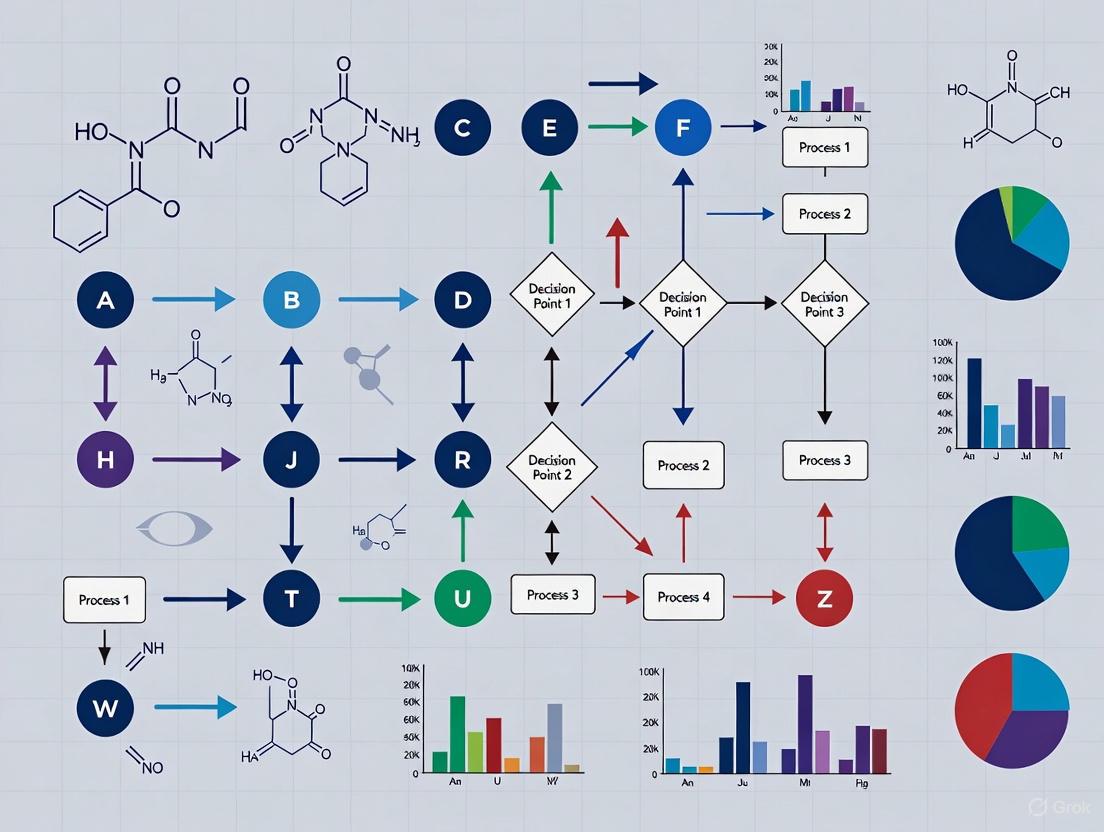
Flux Balance Analysis (FBA) is a cornerstone mathematical framework for modeling metabolic networks in systems biology and drug development.
Flux Balance Analysis (FBA): A Comprehensive Guide for Biomedical Researchers
Abstract
Flux Balance Analysis (FBA) is a cornerstone mathematical framework for modeling metabolic networks in systems biology and drug development. This guide provides a comprehensive overview of FBA, from its foundational principles based on stoichiometric constraints and steady-state assumptions to its advanced applications in predicting organism growth, simulating gene knockouts, and identifying drug targets. It delves into the methodology, including the role of linear programming and objective functions, while also addressing common limitations and the critical importance of model validation. Tailored for researchers and scientists, the content explores how FBA integrates with other flux analysis techniques and its growing impact on optimizing bioprocesses and informing therapeutic discovery.
Flux Balance Analysis Foundations: Core Principles and Mathematical Frameworks
What is Flux Balance Analysis? Defining the Constraint-Based Approach
Flux Balance Analysis (FBA) is a powerful computational method for simulating metabolism in cells and entire organisms. As a constraint-based approach, FBA predicts the flow of metabolites through biochemical networks by leveraging stoichiometric constraints and optimization principles without requiring extensive kinetic parameter data. This whitepaper provides researchers and drug development professionals with a comprehensive technical examination of FBA fundamentals, mathematical formulations, implementation methodologies, and applications—particularly in pharmaceutical research. We present detailed protocols, analytical frameworks, and visualization tools essential for deploying FBA in research contexts, highlighting its growing importance in drug target identification and metabolic engineering.
Flux Balance Analysis stands as a cornerstone technique in systems biology for analyzing metabolic capabilities. FBA computes steady-state metabolic fluxes within genome-scale metabolic reconstructions—structured biochemical knowledgebases containing all known metabolic reactions for an organism and their associated genes [1]. This approach has gained widespread adoption due to its ability to predict phenotypic behavior from genotypic information, enabling researchers to simulate how microorganisms respond to environmental changes or genetic modifications.
The fundamental power of FBA lies in its constraint-based framework. Unlike kinetic modeling approaches that require difficult-to-measure parameters, FBA imposes mass balance constraints and capacity bounds to define a solution space of all possible metabolic flux distributions [1]. By applying biological objective functions—such as biomass maximization for growth prediction—FBA identifies optimal flux distributions within this space. This capability makes FBA particularly valuable for hypothesis generation, experimental design, and strain optimization in biotechnological and pharmaceutical applications.
Mathematical Foundations
Core Formulation
FBA mathematically represents metabolism through the stoichiometric matrix S of dimensions m×n, where m represents metabolites and n represents reactions [1]. Each element Sij corresponds to the stoichiometric coefficient of metabolite i in reaction j. The fundamental equation of FBA derives from the steady-state assumption:
Sv = 0
where v is the vector of reaction fluxes. This equation represents mass balance constraints, ensuring that metabolite production and consumption rates balance perfectly at steady state [1] [2]. The system is typically underdetermined (n > m), meaning multiple flux distributions can satisfy this equation.
Optimization Framework
To identify biologically relevant flux distributions from the solution space, FBA incorporates an objective function to maximize or minimize:
Maximize Z = cᵀv
where c is a vector of weights indicating how much each reaction contributes to the biological objective [1]. Common objectives include:
- Biomass production: Simulating cellular growth
- ATP production: Modeling energy metabolism
- Metabolite synthesis: Optimizing product formation
The complete FBA formulation becomes:
Maximize cᵀv Subject to Sv = 0 α ≤ v ≤ β
where α and β represent lower and upper flux bounds respectively [3] [2]. This linear programming problem can be solved efficiently even for large-scale metabolic networks.
Computational Implementation
Workflow and Protocol
The following diagram illustrates the standard FBA workflow from model construction to flux prediction:
Essential Research Tools
Successful FBA implementation requires specialized software tools and databases. The table below summarizes key resources:
| Tool/Database | Function | Application in Research |
|---|---|---|
| COBRA Toolbox [1] [2] | MATLAB package for constraint-based reconstruction and analysis | Perform FBA, gene deletion studies, and pathway analysis |
| cobrapy [2] | Python implementation of COBRA methods | Scriptable, open-source platform for metabolic modeling |
| EcoCyc [4] | Encyclopedia of E. coli genes and metabolism | Reference for gene-protein-reaction relationships and pathway information |
| BRENDA [4] | Enzyme database containing functional data | Source of enzyme kinetic parameters (Kcat values) |
| SBML [5] | Systems Biology Markup Language format | Standardized model representation and exchange |
| GUROBI/CPLEX [2] | Linear programming solvers | High-performance optimization algorithm implementation |
Advanced Extensions
Basic FBA has been extended to address specific research needs:
Flux Variability Analysis (FVA): Determines the minimum and maximum possible flux for each reaction while maintaining optimal objective value, identifying alternate optimal solutions [1] [2].
Parsimonious FBA (pFBA): Finds flux distributions that achieve optimal growth while minimizing total flux, based on the principle of enzyme efficiency [2].
Dynamic FBA: Extends FBA to time-varying conditions by incorporating external metabolite concentrations [6].
Regulatory FBA: Integrates gene regulatory constraints with metabolic networks using Boolean logic rules [6].
Applications in Drug Discovery and Development
Drug Target Identification
FBA provides a powerful framework for identifying potential drug targets, particularly for infectious diseases. The following protocol outlines a two-stage FBA approach for this application:
Stage 1: Pathologic State Modeling
- Reconstruct pathogen metabolic network using genomic data
- Set objective function to maximize biomass production
- Apply nutrient constraints reflecting infection environment
- Compute optimal fluxes (v_pathologic) for pathogen growth
Stage 2: Medication State Analysis
- Constrain candidate target reactions (enzyme inhibition)
- Re-optimize fluxes with inhibition constraints
- Evaluate biomass reduction and metabolic impact
- Identify essential enzymes whose inhibition disrupts pathogen growth [7]
This approach successfully identified known drug targets in Mycobacterium tuberculosis and Plasmodium falciparum [7]. The method's advantage lies in considering systemic metabolic consequences rather than single enzyme inhibition.
Analyzing Gene Essentiality
FBA enables in silico prediction of essential genes through gene deletion studies:
Gene deletions are simulated by constraining reactions associated with specific genes to zero flux, then re-optimizing growth [3]. Genes are classified as essential if their deletion significantly reduces predicted growth, making them potential drug targets [7]. FBA can also identify synthetic lethal pairs where simultaneous deletion of two non-essential genes inhibits growth [1].
Experimental Validation Framework
To ensure FBA predictions translate to practical applications, researchers should implement this validation protocol:
In Silico Phase
- Predict gene essentiality using FBA deletion analysis
- Identify potential drug targets with high essentiality scores
- Perform flux variability analysis to confirm target robustness
In Vitro Phase
- Construct gene knockout strains for predicted essential genes
- Measure growth rates in controlled laboratory conditions
- Compare experimental results with FBA predictions
Validation Metrics
- Accuracy: Percentage of correctly predicted essential genes
- Precision: Proportion of true positives among all predicted essentials
- Recall: Proportion of correctly identified essential genes
Studies have demonstrated 80-90% accuracy in predicting essential genes in model organisms like E. coli [1].
Current Research and Emerging Directions
Integration of Omics Data
Contemporary FBA research focuses on incorporating experimental data to improve prediction accuracy. Enzyme-constrained models (ecModels) integrate proteomic data and enzyme kinetic parameters to limit flux capacities based on measured enzyme concentrations [4]. The ECMpy workflow enhances predictions by adding total enzyme constraints without altering the stoichiometric matrix structure [4].
Multi-Objective Optimization
Advanced frameworks like TIObjFind (Topology-Informed Objective Find) address limitations of single-objective FBA by identifying context-specific biological objectives [6]. This method:
- Integrates metabolic pathway analysis with FBA
- Determines Coefficients of Importance (CoIs) for reactions
- Captures metabolic adaptations across biological stages
- Aligns predictions with experimental flux data [6]
Network-Level Therapeutic Approaches
FBA enables systems pharmacology applications beyond single-target identification. Researchers can model:
- Host-pathogen interactions through integrated metabolic networks
- Drug combination effects using double gene deletion analyses
- Side effect prediction by assessing metabolic disruption in human pathways [7]
The two-stage FBA approach for hyperuricemia identified known drug targets while minimizing side effects by quantifying deviations in non-disease metabolite fluxes [7].
Flux Balance Analysis provides a rigorous mathematical framework for analyzing metabolic networks and predicting phenotypic behavior from genomic information. Its constraint-based approach, relying on stoichiometric balances and optimization principles, enables researchers to explore metabolic capabilities without detailed kinetic information. As detailed in this technical guide, FBA implementations—from basic flux prediction to advanced drug target identification—offer powerful tools for metabolic engineering and pharmaceutical development.
The continuing evolution of FBA methodologies, particularly through integration of omics data and multi-objective optimization frameworks, promises to enhance its predictive accuracy and translational relevance. For drug development professionals, FBA represents an indispensable component of the computational systems biology toolkit, enabling rapid identification and validation of therapeutic targets while considering systemic metabolic consequences.
Flux Balance Analysis (FBA) is a cornerstone mathematical approach for simulating metabolism in cells and entire organisms using genome-scale metabolic reconstructions [1] [3]. As a constraint-based method, FBA predicts metabolic flux distributions by leveraging the stoichiometry of biochemical reactions without requiring detailed kinetic parameters [1]. The stoichiometric matrix (S) serves as the fundamental mathematical backbone of all FBA formulations, encoding the interconnectedness of metabolites and reactions within the metabolic network [1] [3]. This matrix formalizes the system of equations that describe mass balance around each metabolite under the assumption of steady state, a condition where metabolite concentrations remain constant because production and consumption rates are balanced [3]. The accuracy and predictive power of any FBA study is therefore directly dependent on the quality and completeness of this stoichiometric representation.
Mathematical Representation and Properties
Structural Definition of the Stoichiometric Matrix
The stoichiometric matrix, S, is a mathematical construct where every row represents a unique metabolite and every column represents a biochemical reaction within the network [1]. The entries in the matrix are stoichiometric coefficients, which are integers indicating the number of moles of a metabolite consumed (negative coefficient) or produced (positive coefficient) in a given reaction [1]. A coefficient of zero indicates that the metabolite does not participate in that particular reaction, making S typically a sparse matrix [1].
The formal mathematical representation of the metabolic system at steady-state is given by the equation: Sv = 0 [1] [3] where v is the vector of all reaction fluxes in the network. This equation encapsulates the mass-balance constraints for the entire system, ensuring that for each internal metabolite, the net sum of its production and consumption equals zero, meaning no net accumulation or depletion occurs [3].
Key Mathematical Properties
- Underdetermined System: In most genome-scale models, the number of reactions (n) exceeds the number of metabolites (m), resulting in an underdetermined system (n > m) with infinitely many feasible flux distributions satisfying Sv = 0 [1] [3].
- Solution Space: The constraints Sv = 0 and any additional inequality constraints (e.g., enzyme capacity, substrate uptake) define a bounded solution space of possible metabolic flux distributions [4] [3].
- Optimal Solution: To identify a single, biologically relevant flux distribution from the solution space, FBA employs linear programming to maximize or minimize a defined biological objective function, such as biomass production or ATP yield [1] [3].
Table 1: Summary of Matrix Properties in Genome-Scale Metabolic Models
| Property | Typical Characteristic | Biological Implication |
|---|---|---|
| Dimensions (m x n) | More columns than rows (n > m) [1] | Reflects metabolic redundancy and multiple pathways |
| Sparsity | High (mostly zero entries) [1] | Most reactions involve only a few metabolites |
| Entry Types | Negative (substrate), Positive (product), Zero (no participation) [1] | Quantifies metabolite turnover in each reaction |
| Null Space | Non-trivial (many solutions to Sv=0) [3] | Enables flux rerouting under genetic/environmental perturbations |
A Practical Case Study: Engineering L-Cysteine Production inE. coli
To illustrate the practical application of the stoichiometric matrix, consider a project that utilized FBA to model and optimize L-cysteine production in E. coli [4]. The base metabolic network was the iML1515 genome-scale model, which contains 1,515 genes, 2,719 metabolic reactions, and 1,192 metabolites [4]. The corresponding stoichiometric matrix for this model has dimensions of approximately 1,192 x 2,719.
Model Refinement and Constraining
The initial model was refined to improve its predictive accuracy for L-cysteine overproduction [4]:
- Gap Filling: The model was updated to include missing reactions for thiosulfate assimilation into L-cysteine, which were absent from the original iML1515 reconstruction [4].
- Enzyme Constraints (ecGEM): To avoid predicting unrealistically high fluxes, the model was constrained using enzymatic capacity data (kcat values and enzyme molecular weights) following the ECMpy workflow, creating an enzyme-constrained model [4].
- Parameter Modification: Key enzyme kinetic parameters (kcat values) and gene abundances in the model were modified to reflect engineered mutations in the SerA, CysE, and EamB genes, which were designed to deregulate feedback inhibition and enhance enzyme activity [4].
- Medium Definition: The uptake bounds for extracellular metabolites (e.g., glucose, ammonium, thiosulfate) were set to reflect the specific composition of the SM1 + LB growth medium used in the bioreactor [4].
FBA Simulation and Objective Function
The core FBA simulation was set up as follows [4]:
- Constraints: The system was subject to the steady-state mass balance equation, Sv = 0, along with the enzyme and medium uptake constraints.
- Objective Function: To simulate growth-coupled production, a lexicographic optimization was performed. The model was first optimized for biomass growth. Subsequently, the model was constrained to maintain a minimum of 30% of this optimal growth rate, and the objective function was then set to maximize the flux of the L-cysteine exchange reaction [4].
This case demonstrates how a well-constructed stoichiometric matrix, combined with physiologically relevant constraints, enables the in silico design and optimization of a microbial cell factory.
Diagram 1: FBA workflow for L-cysteine production.
Table 2: Key Reagent and Computational Resources for Metabolic Modeling
| Resource Type | Specific Tool / Database | Primary Function in FBA |
|---|---|---|
| Genome-Scale Model (GEM) | iML1515 [4] | Provides the core stoichiometric matrix (S) and reaction list for an organism. |
| Software Toolbox | COBRA Toolbox [1], COBRApy [4] | Provides functions for building models, performing FBA, and analyzing results. |
| Enzyme Kinetics Database | BRENDA [4] | Source of enzyme kinetic parameters (e.g., kcat) for adding enzyme constraints. |
| Protein Abundance Database | PAXdb [4] | Provides data on cellular protein abundance to inform enzyme capacity constraints. |
| Biochemical Database | EcoCyc [4] | Reference for curating and verifying reaction stoichiometries and GPR rules. |
Advanced Applications and Methodological Extensions
The foundational principle of the stoichiometric matrix has enabled the development of numerous advanced computational frameworks for analyzing metabolic networks.
Identifying Context-Specific Objective Functions
Selecting an appropriate biological objective function is critical for accurate FBA predictions. The TIObjFind framework addresses this by integrating FBA with Metabolic Pathway Analysis (MPA) to infer objective functions from experimental data [6]. This method calculates Coefficients of Importance (CoIs) for reactions, which quantify their contribution to a context-specific objective, thereby aligning model predictions with observed fluxes under different conditions [6].
Functional Comparison Across Species
The stoichiometric matrix also enables the functional comparison of metabolic networks across different species. By performing structural sensitivity analysis, researchers can compute sensitivity correlations that quantify how perturbations to a common reaction in two different networks propagate, thereby measuring functional similarity beyond simple reaction presence/absence [8]. This approach has been used to elucidate conserved and variable metabolic functions across 245 bacterial species [8].
Predicting Biosynthetic Capabilities in Microbiomes
For large, diverse microbial communities where environmental conditions are uncertain, a probabilistic percolation-based method can be applied. This approach uses the stoichiometric matrix to quantify the robustness with which a metabolic network can produce a target metabolite from randomly sampled sets of nutrient inputs [9]. It has been successfully used to map biosynthetic capabilities and deficiencies in the human oral microbiome, generating hypotheses about metabolic cross-feeding, particularly involving uncultivated Saccharibacteria (TM7) [9].
Diagram 2: Advanced applications of the stoichiometric matrix.
Experimental Protocol: Gene Deletion Study Using FBA
A common application of FBA is to predict the phenotypic effect of gene deletions. The following protocol outlines the steps for performing a single gene deletion study using the COBRA Toolbox [1] [3].
Method
- Model Loading: Load the genome-scale metabolic model (in SBML format) into the MATLAB environment using the
readCbModelfunction. The model structure contains the fieldsS(stoichiometric matrix),rxns(reaction names),mets(metabolite names), andgenes[1]. - Define Baseline Conditions: Set the constraints for the simulation, such as the carbon source uptake rate (e.g., glucose at 18.5 mmol/gDW/h) and oxygen availability, using the
changeRxnBoundsfunction [1]. - Simulate Gene Deletion:
- For the gene of interest, evaluate its Gene-Protein-Reaction (GPR) association rule [3]. This is a Boolean logic statement (e.g.,
(Gene_A AND Gene_B)for a multi-subunit enzyme or(Gene_A OR Gene_B)for isozymes) that links genes to the reactions they catalyze [3]. - If the GPR rule evaluates to
FALSEfor the deleted gene, constrain the flux through all associated metabolic reactions to zero [3].
- For the gene of interest, evaluate its Gene-Protein-Reaction (GPR) association rule [3]. This is a Boolean logic statement (e.g.,
- Perform FBA: Run the
optimizeCbModelfunction to solve the linear programming problem and find the flux distribution that maximizes the objective function (e.g., biomass production) under the new constraints [1]. - Interpret Results: Compare the predicted growth rate (flux through the biomass reaction) of the deletion mutant to the wild-type prediction. A substantial reduction (e.g., below a set threshold like 10% of wild-type) classifies the gene as essential for growth under the simulated conditions [3].
Applications
This protocol can be scaled to perform systematic single- or double-gene deletion studies to [1] [3]:
- Identify potential drug targets in pathogens.
- Discover synthetic lethal gene pairs for cancer therapy.
- Guide metabolic engineering strategies by pinpointing knockouts that enhance product yield.
The stoichiometric matrix is the indispensable core of Flux Balance Analysis, transforming a biological network into a mathematical framework amenable to powerful computational exploration. Its capacity to represent metabolic connectivity under mass-balance constraints enables the prediction of physiological behaviors, from the effect of a single gene knockout to the complex metabolic interactions within a microbiome. As methods continue to advance—integrating enzyme kinetics, regulatory information, and multi-omics data—the foundational role of the stoichiometric matrix ensures it will remain a critical component for systems biology, biotechnology, and biomedical research.
Flux Balance Analysis (FBA) is a mathematical approach for analyzing the flow of metabolites through a metabolic network, enabling researchers to predict organism growth rates or metabolite production without detailed kinetic information [1]. This methodology is firmly grounded in constraint-based reconstruction and analysis (COBRA), where physical and biochemical constraints define the set of possible network behaviors [1]. The steady-state assumption represents one of the most fundamental constraints in this framework, asserting that the production and consumption of metabolites inside the cell must be balanced [10] [1]. This assumption is mathematically encapsulated in the mass balance equation Sv = 0, which forms the cornerstone of FBA and enables the efficient analysis of genome-scale metabolic networks [11] [10] [1]. For researchers and drug development professionals, this constraint provides a powerful tool for investigating cellular metabolism, identifying drug targets, and optimizing bio-production processes without requiring difficult-to-measure kinetic parameters [11] [1].
Mathematical Foundation of the Steady-State Assumption
The Stoichiometric Matrix and Mass Balance
The mathematical representation of metabolism begins with the compilation of all known metabolic reactions into a stoichiometric matrix (S) [1]. This matrix provides a structured representation of the metabolic network:
- Matrix Dimensions: S has size m × n, where m represents the number of unique metabolites and n represents the number of reactions in the network [1]
- Stoichiometric Coefficients: Each column represents one reaction containing stoichiometric coefficients of the metabolites involved [11]
- Sign Convention: Negative coefficients indicate consumed metabolites, positive coefficients indicate produced metabolites, and zero represents no participation [1]
The steady-state assumption is mathematically expressed through the mass balance equation:
Sv = 0
where v is a vector of all reaction fluxes (rates) in the network [1]. This equation formalizes the principle that internal metabolite concentrations cannot change over time—the total amount of any compound produced must equal the total amount consumed [11] [1]. This condition applies not only to static systems but also to oscillating and growing systems when considered over appropriate time scales [10].
Addressing Metabolite Accumulation and Depletion
To reconcile the steady-state condition with biological reality where organisms catabolize metabolites for energy and growth, FBA implementations introduce external metabolites (often denoted by the prefix "X") [11]. These external metabolites are not included in the stoichiometry matrix's mass balance equations. Instead, transport reactions define network inputs and outputs, allowing metabolic activity while maintaining internal steady state [11].
Table: Mathematical Components of the Mass Balance Equation
| Symbol | Description | Role in FBA |
|---|---|---|
| S | Stoichiometric matrix | Defines network connectivity and metabolite-reaction relationships |
| v | Flux vector | Contains flux values for all reactions in the network |
| Sv = 0 | Mass balance equation | Ensures internal metabolite concentrations remain constant |
| x | Metabolite concentration vector | Represents quantities not directly constrained in steady-state FBA |
The Null Space of the Stoichiometric Matrix
Conceptual Framework and Biological Interpretation
The equation Sv = 0 defines a system of linear equations where any flux vector v satisfying this condition is said to be in the null space of S [1]. In practical metabolic models, there are typically more reactions than metabolites (n > m), resulting in an underdetermined system with no unique solution [1]. The null space contains all possible flux distributions that maintain metabolic steady state, representing the network's functional capabilities [11].
The null space reveals fundamental network properties including:
- Feasible metabolic routes from inputs to outputs
- Cyclical pathways known as conserved moieties [11]
- Alternative pathways that can achieve the same metabolic function
Computational Determination of Null Space
Null space can be calculated computationally using matrix decomposition methods. The Python code below demonstrates this calculation using single value decomposition:
The output is a kernel matrix where each column represents a combination of reactions that can carry flux under steady-state conditions [11].
Figure 1: Mathematical relationship between the stoichiometric matrix, mass balance equation, and null space solution
Integrating the Steady-State Assumption into Flux Balance Analysis
Formulating the Complete FBA Problem
While the steady-state condition defines the fundamental constraints, complete FBA implementation requires additional elements:
- Objective Function (Z = cᵀv): A linear combination of fluxes representing biological objectives like biomass production or ATP synthesis [1]
- Flux Constraints: Upper and lower bounds (vₗₑƒₜ and vᵣᵢ𝑔ₕₜ) defining minimum and maximum reaction rates [1]
The complete FBA problem can be expressed as: Maximize Z = cᵀv Subject to: Sv = 0 vₗₑƒₜ ≤ v ≤ vᵣᵢ𝑔ₕₜ
Biological Rationale for Steady-State Assumption
The steady-state assumption is biologically motivated from two perspectives:
- Time-Scale Perspective: Metabolic reactions occur much faster than other cellular processes like gene expression, making steady state a reasonable quasi-steady-state approximation [10]
- Long-Term Perspective: Over extended periods, metabolites cannot accumulate or deplete indefinitely in biological systems [10]
Table: Applications of FBA with Steady-State Assumption in Biological Research
| Application Area | Research Example | Key Findings |
|---|---|---|
| Physiological Studies | E. coli growth prediction [1] | Predicted aerobic (1.65 hr⁻¹) and anaerobic (0.47 hr⁻¹) growth rates matching experimental measurements |
| Metabolic Engineering | OptKnock algorithm [1] | Identification of gene knockouts for enhanced production of biotechnologically important compounds |
| Drug Target Identification | Essential gene analysis [11] | Discovery of double gene knockout combinations essential for bacterial survival |
| Gap-Filling | Metabolic network reconstruction [1] | Prediction of missing reactions by comparing in silico growth simulations with experimental results |
Experimental Protocols for FBA Implementation
Computational Methodology
Protocol for implementing FBA with steady-state constraint [11] [1]:
Network Reconstruction
- Compile all known metabolic reactions into stoichiometric matrix S
- Define internal and external metabolites
- Establish reaction directionalities
Constraint Definition
- Apply steady-state constraint: Sv = 0
- Set flux bounds based on physiological data
- Define exchange reactions for environmental inputs/outputs
Objective Specification
- Select biological objective (e.g., biomass production)
- Formulate objective function Z = cᵀv
Linear Programming Solution
- Apply simplex method to find optimal flux distribution
- Verify solution satisfies all constraints
Validation and Analysis
- Compare predictions with experimental data
- Perform flux variability analysis
- Identify alternative optimal solutions
Workflow Visualization
Figure 2: Implementation workflow for flux balance analysis with steady-state constraint
Computational Tools and Software
Table: Essential Computational Resources for FBA Implementation
| Tool/Resource | Function | Application in FBA |
|---|---|---|
| COBRA Toolbox [1] [12] | MATLAB-based toolbox for constraint-based modeling | Perform FBA, flux variability analysis, and gene knockout simulations |
| Python 3 with NumPy/SciPy [11] | Programming environment for mathematical computing | Implement custom FBA algorithms and null space calculations |
| Systems Biology Markup Language (SBML) [1] | Standard format for representing metabolic models | Exchange and share metabolic network reconstructions |
| Linear Programming Solvers (e.g., GLPK, CPLEX) | Optimization algorithms | Solve the linear programming problem in FBA |
Key Theoretical Components
Table: Mathematical Components of FBA with Steady-State Assumption
| Component | Mathematical Representation | Biological Interpretation |
|---|---|---|
| Stoichiometric Matrix | S ∈ ℝᵐ ˣ ⁿ | Biochemical connectivity of metabolic network |
| Flux Vector | v ∈ ℝⁿ | Reaction rates in the network |
| Mass Balance Constraint | Sv = 0 | Steady-state condition for internal metabolites |
| Objective Function | Z = cᵀv | Biological goal to be optimized |
| Flux Constraints | vₗₑƒₜ ≤ v ≤ vᵣᵢ𝑔ₕₜ | Physiological limitations on reaction rates |
Advancements and Future Directions
The steady-state assumption continues to enable innovative applications of FBA across biological research. Recent advances include modeling of bacterial communities from metagenomes [11], integration of regulatory constraints, and development of dynamic extensions of FBA [12]. While the core assumption of metabolite balance remains unchanged, methodological improvements continue to enhance the predictive power and applicability of constraint-based models in both basic research and drug development contexts.
For researchers investigating cellular metabolism, the mass balance equation Sv = 0 provides a foundational principle that enables quantitative prediction of metabolic behavior without exhaustive kinetic parameter measurement. This mathematical formalism continues to drive discovery in systems biology, metabolic engineering, and therapeutic development.
Flux Balance Analysis (FBA) is a cornerstone computational method in systems biology for predicting metabolic behavior in various organisms. This whitepaper provides an in-depth examination of flux vectors (v), the central variables in FBA that represent reaction rates through metabolic networks. We detail the mathematical foundations, quantitative properties, and advanced methodologies for determining these fluxes, incorporating recent frameworks like TIObjFind and NEXT-FBA that enhance prediction accuracy by integrating experimental data and machine learning. This guide serves researchers and drug development professionals by bridging theoretical concepts with practical applications in metabolic engineering and therapeutic discovery.
Flux Balance Analysis (FBA) is a constraint-based modeling approach that predicts the flow of metabolites through biochemical networks. At its core, FBA calculates a flux distribution, represented by the flux vector v, which denotes the steady-state reaction rates for all reactions in a metabolic network [13]. The fundamental equation governing FBA is the mass balance constraint: S ∙ v = 0, where S is the stoichiometric matrix containing the stoichiometric coefficients of all metabolites in each reaction [13]. This equation represents the manifestation of the law of conservation of mass within metabolic networks, assuming metabolic steady state where metabolite concentrations remain constant over time.
The solution space for flux vectors is defined by additional constraints: l(t) ≤ v ≤ u(t), where l and u represent lower and upper bounds for each reaction flux, respectively [13]. These bounds incorporate biochemical, thermodynamic, and regulatory constraints, defining the feasible ranges within which the flux distribution must lie. FBA typically identifies an optimal flux distribution within this feasible set by optimizing a cellular objective function, with biomass maximization being a common choice for simulating cellular growth [13]. The variables in the flux vector thus represent the fundamental outputs of FBA simulations, providing quantitative predictions of metabolic phenotype under specified genetic and environmental conditions.
Quantitative Properties of Flux Vectors
Flux vectors are characterized by several quantitative properties that define their behavior and interpretation within metabolic models. The numerical values within flux vector v represent reaction rates, typically expressed in units of mmol/gDW/h (millimoles per gram dry cell weight per hour) [13]. These fluxes are constrained by reaction bounds that define the biochemical capabilities of the network, with irreversible reactions having a lower bound of zero and reversible reactions allowing negative fluxes (opposite directionality).
Table 1: Characteristic Flux Values in Metabolic Models
| Organism/Cell Type | Reaction Description | Flux Value | Units | Reference |
|---|---|---|---|---|
| E. coli Nissle 1917 | Glucose Uptake | 27.8 | mmol/gDW/h | [13] |
| E. coli Nissle 1917 | Biomass Production | ~0.60 (example) | 1/h | [13] |
| L. plantarum WCFS1 | Biomass Production | ~0.20 (example) | 1/h | [13] |
| CHO Cells | ATP Regeneration | Varies by condition | mmol/gDW/h | [14] |
| Cancer Cell Lines | Aerobic Glycolysis | Experiment-dependent | mmol/gDW/h | [14] |
The dimension of flux vector v is determined by the number of reactions (n) in the metabolic reconstruction, which can range from hundreds in core models to thousands in genome-scale models. For instance, the iDK1463 model of E. coli Nissle 1917 comprises 2984 reactions [13], resulting in a flux vector of corresponding dimensionality. The feasible solution space formed by the constraints S ∙ v = 0 and l ≤ v ≤ u constitutes a convex polyhedron in n-dimensional space, with optimal flux distributions typically located at extreme points of this polyhedron.
Table 2: Genome-Scale Model Dimensions and Flux Vector Properties
| Metabolic Model | Organism | Reactions | Metabolites | Genes | Flux Vector Dimension |
|---|---|---|---|---|---|
| iDK1463 | E. coli Nissle 1917 | 2984 | Not specified | 1463 | 2984 |
| iCAC802 | C. acetobutylicum | 802 | Not specified | Not specified | 802 |
| iJL680 | C. ljungdahlii | 680 | Not specified | Not specified | 680 |
| Teusink Model | L. plantarum WCFS1 | 643 | 531 | 721 | 643 |
Advanced Frameworks for Flux Vector Determination
TIObjFind: A Topology-Informed Framework
The TIObjFind framework addresses a fundamental challenge in FBA: selecting appropriate objective functions that accurately represent cellular metabolic objectives under different conditions [6] [15]. Traditional FBA often uses static objective functions like biomass maximization, which may not align with experimental flux data, particularly under changing environmental conditions [6]. TIObjFind integrates Metabolic Pathway Analysis (MPA) with FBA to systematically infer metabolic objectives from data through three key steps:
First, it reformulates objective function selection as an optimization problem that minimizes the difference between predicted and experimental fluxes while maximizing an inferred metabolic goal [6] [15]. Second, it maps FBA solutions onto a Mass Flow Graph (MFG), enabling pathway-based interpretation of metabolic flux distributions [15]. Third, it applies a path-finding algorithm (specifically a minimum-cut algorithm) to extract critical pathways and compute Coefficients of Importance (CoIs), which quantify each reaction's contribution to the objective function [6].
These Coefficients of Importance serve as pathway-specific weights in optimization, ensuring metabolic flux predictions align with experimental data while providing systematic understanding of how different pathways contribute to cellular adaptation [15]. In implementation, TIObjFind uses the Boykov-Kolmogorov algorithm for the minimum-cut problem due to its computational efficiency, delivering near-linear performance across various graph sizes [15].
TIObjFind Framework Workflow: This diagram illustrates the three-stage process of the TIObjFind framework for determining biologically relevant flux vectors.
NEXT-FBA: A Hybrid Stoichiometric/Data-Driven Approach
NEXT-FBA (Neural-net EXtracellular Trained Flux Balance Analysis) represents a novel methodology that addresses limitations in predicting intracellular metabolic states by utilizing exometabolomic data to derive biologically relevant constraints for intracellular fluxes in genome-scale metabolic models (GEMs) [16]. This approach trains artificial neural networks (ANNs) with exometabolomic data and correlates it with 13C-labeled intracellular fluxomic data, capturing underlying relationships between extracellular measurements and intracellular metabolism [16].
The key innovation of NEXT-FBA is its ability to predict upper and lower bounds for intracellular reaction fluxes (elements of flux vector v) to constrain GEMs, resulting in more accurate predictions of intracellular flux distributions that align closely with experimental observations [16]. This methodology has demonstrated superior performance in predicting intracellular fluxes based on 13C data validation compared to existing methods, and can identify key metabolic shifts and gene essentiality with minimal input data requirements for pre-trained models [16].
Experimental Protocols for Flux Analysis
Protocol: TIObjFind Implementation for Metabolic Shift Analysis
Purpose: To identify stage-specific metabolic objectives and compute Coefficients of Importance (CoIs) for reactions in flux vector v across different biological conditions.
Materials and Reagents:
- Genome-scale metabolic model (SBML format)
- Experimental flux data (v_exp) from isotopomer analysis or similar techniques
- MATLAB environment with maxflow package
- Python with pySankey package for visualization
Procedure:
- Model Preparation: Load the stoichiometric matrix S and define initial flux bounds l and u for all reactions in the network.
- Single-Stage Optimization: For each candidate objective function c, solve the optimization problem that minimizes the squared error between predicted fluxes (v) and experimental data (v_exp) using a KKT formulation of FBA [15].
- Mass Flow Graph Construction: Convert the derived flux distribution into a directed, weighted graph (Mass Flow Graph) where nodes represent reactions and edge weights represent flux values between reactions [15].
- Pathway Analysis Application: Apply Metabolic Pathway Analysis (MPA) to identify pathways essential for desired product formation. Use the minimum-cut algorithm (Boykov-Kolmogorov implementation) to identify critical pathways between designated start (e.g., glucose uptake) and target reactions (e.g., product secretion) [15].
- Coefficient Calculation: Compute Coefficients of Importance (CoIs) for each reaction based on its contribution to the objective function, scaling coefficients so their sum equals one [6] [15].
- Validation: Compare the weighted combination of fluxes (c·v) with experimental data to assess alignment and refine CoIs iteratively if necessary.
Expected Outcomes: The protocol yields a set of Coefficients of Importance that quantify each reaction's contribution to cellular objectives under specific conditions, enabling identification of metabolic shifts and improved prediction of flux distributions.
Protocol: Dynamic FBA for Multi-Strain Systems
Purpose: To simulate time-dependent changes in flux vectors for microbial consortia, accounting for nutrient competition and cross-feeding.
Materials and Reagents:
- Genome-scale metabolic models for each strain in the community
- Defined medium composition with initial metabolite concentrations
- COBRApy toolbox for Python
- Ordinary differential equation (ODE) solver
Procedure:
- Model Initialization: Load genome-scale metabolic models for each strain. Identify and map exchange reactions common to all models to simulate metabolite transport between species and shared environment [13].
- Objective Function Setup: For each model, identify the biomass reaction and set it as the objective function for FBA optimization [13].
- Environment Definition: Set bounds of exchange reactions according to the defined medium composition. For gut microbiome simulations, typical conditions include: Glucose (27.8 mM), Ammonium (40 mM), Phosphate (2 mM), and Oxygen (0.24 mM) at pH 7.1 and 37°C [13].
- Dynamic Simulation: Implement iterative time steps where:
- FBA constraints are adjusted based on current extracellular concentrations
- Instantaneous flux distributions are calculated for each strain using model.optimize()
- Metabolite and biomass levels are updated using ODEs [13]
- Analysis: Track flux vectors for each strain over time, identifying key interactions such as competition for nutrients and metabolic cross-feeding.
dFBA Simulation Workflow: This diagram shows the iterative process of Dynamic Flux Balance Analysis for predicting time-dependent flux vectors in multi-strain systems.
The Scientist's Toolkit: Research Reagent Solutions
Table 3: Essential Research Reagents and Computational Tools for Flux Vector Analysis
| Item | Function/Application | Example/Specification |
|---|---|---|
| Genome-Scale Metabolic Models | Provide stoichiometric matrix S and reaction bounds for FBA | iDK1463 (E. coli, 2984 reactions), iCAC802 (C. acetobutylicum), iJL680 (C. ljungdahlii) [6] [13] [15] |
| COBRApy Toolbox | Python package for constraint-based reconstruction and analysis | Enables FBA, dFBA simulation, and model manipulation [13] |
| MATLAB with maxflow package | Implementation of TIObjFind framework and minimum-cut algorithms | Boykov-Kolmogorov algorithm for efficient pathway analysis [15] |
| 13C-Labeled Substrates | Experimental flux determination via 13C-MFA | Enables measurement of experimental flux data (v_exp) for validation [16] [14] |
| Exometabolomic Data | Extracellular metabolite measurements | Used in NEXT-FBA to train neural networks for flux prediction [16] |
| SBML Models | Standardized model format for exchange between tools | Community-standard XML format for metabolic models [13] |
Applications in Biomedical Research
Drug Discovery and Therapeutic Development
Flux vector analysis through FBA provides powerful insights for drug discovery by identifying essential metabolic pathways in pathogens or disease states. For instance, FBA can predict gene essentiality and identify potential drug targets by simulating knockouts and observing changes in flux distributions [16]. The NEXT-FBA framework enhances this capability by providing more accurate predictions of intracellular fluxes, enabling better identification of metabolic choke points [16].
Understanding Cancer Metabolism
Flux balance analyses have revealed fundamental principles of cancer metabolism, particularly the phenomenon of aerobic glycolysis (the Warburg effect). Recent 13C-metabolic flux analysis of 12 human cancer cell lines combined with FBA simulations revealed that cancer cells rewire glycolysis and oxidative phosphorylation while maintaining thermal homeostasis [14]. The measured flux distributions can be reproduced by maximizing ATP consumption in FBA while considering limitations of metabolic heat dissipation, suggesting metabolic thermogenesis as an important factor in understanding aerobic glycolysis in cancer cells [14].
Probiotic and Microbial Community Engineering
FBA and dFBA enable theoretical investigation of multi-strain interactions for probiotic development. For example, researchers have employed FBA to model E. coli Nissle 1917 and Lactobacillus plantarum WCFS1 to simulate growth processes and predict metabolic products [13]. This approach can identify potential negative interactions, such as when Enterococcus faecium was excluded from a probiotic consortium due to its possession of tyrosine decarboxylase, which could metabolize L-DOPA and reduce its therapeutic efficacy in Parkinson's disease treatment [13]. Dynamic FBA extends this to predict time-dependent community dynamics and metabolite exchanges.
Flux Balance Analysis (FBA) has established itself as a cornerstone computational method in systems biology and metabolic engineering. Its power stems from the ability to predict organism-wide metabolic fluxes using optimization principles, without requiring extensive kinetic parameter data. This whitepaper details the technical advantages of FBA, framed within ongoing research, and is structured to serve researchers, scientists, and drug development professionals. We summarize key quantitative data, provide detailed experimental protocols, and visualize core concepts and workflows to create a comprehensive technical guide.
A Genome-Scale Metabolic Model (GEM) is a computational representation of the entire metabolic network of an organism, detailing the biochemical reactions inferred from its genome annotation [17]. GEMs are built on Gene-Protein-Reaction (GPR) associations, which link genes to the metabolic reactions they enable [18] [17]. The primary framework for simulating these models is Constraint-Based Modeling (CBM), which uses mass-balance and capacity constraints to define a space of possible metabolic behaviors [19].
At the heart of CBM lies Flux Balance Analysis (FBA), a mathematical approach that predicts metabolic flux distributions (reaction rates) by optimizing a defined cellular objective, such as maximizing biomass production or the synthesis of a target metabolite [19] [17]. FBA operates under a steady-state assumption, where metabolite concentrations are constant, meaning the rate of production equals the rate of consumption for each metabolite. This is represented by the equation:
Sv = 0
Here, S is the stoichiometric matrix of dimensions m (metabolites) x n (reactions), and v is the vector of metabolic fluxes [19]. The solution space is further constrained by physiological flux bounds for each reaction:
LBᵢ ≤ vᵢ ≤ UBᵢ
FBA finds a unique flux distribution from this solution space by optimizing a specified objective function, typically formulated as a linear programming problem [19]:
Maximize cᵀv Subject to Sv = 0 and LB ≤ v ≤ UB
The vector c defines the linear objective, often a single reaction like biomass formation [19].
Core Technical Advantages of FBA
The power of FBA for genome-scale analysis originates from a combination of mathematical elegance and practical flexibility.
Capacity for Genome-Scale Simulation without Kinetic Parameters
A primary advantage of FBA is its ability to analyze genome-scale networks without needing detailed kinetic parameters (e.g., Kₘ, Vₘₐₓ), which are often unknown and difficult to measure for all reactions in a network [19]. By relying solely on the network stoichiometry (the S matrix) and flux constraints, FBA bypasses the "kinetic parameter bottleneck," enabling system-wide predictions that are infeasible with kinetic modeling approaches [17]. This makes FBA particularly powerful for exploring the metabolic capabilities of newly sequenced organisms.
High Predictive Accuracy for Phenotypes
Despite its simplifications, FBA demonstrates remarkable predictive accuracy for key phenotypic behaviors, especially in microorganisms. For the high-quality Escherichia coli GEM iML1515, FBA achieves up to 93.4% accuracy in predicting gene essentiality on minimal media with different carbon sources [17]. The following table summarizes FBA's performance in predicting metabolic gene essentiality across different organisms.
Table 1: Predictive Accuracy of FBA for Gene Essentiality
| Organism | GEM Name | Prediction Accuracy | Validation Context |
|---|---|---|---|
| Escherichia coli | iML1515 | 93.4% | Minimal media with 16 different carbon sources [17] |
| Escherichia coli | iML1515 | 93.5% | Aerobic growth on glucose [20] |
Computational Efficiency and Scalability
FBA is computationally efficient because it is formulated as a linear programming problem, for which highly optimized solvers exist. This efficiency allows for the rapid simulation of large-scale models, facilitating tasks such as in-silico gene knockout studies and optimization of bioprocess conditions [21]. Its scalability enables the analysis of models encompassing thousands of reactions and metabolites, making it suitable for complex eukaryotic cells and even microbial communities [17].
Flexibility in Defining Cellular Objectives
FBA provides a flexible framework where the cellular objective function can be tailored to the specific biological context. While biomass maximization is standard for simulating growth, the objective can be easily redefined, for instance, to maximize the production of a desired bioproduct like a pharmaceutical compound or biofuel [19] [17]. This flexibility is crucial for metabolic engineering applications.
Figure 1: The Core FBA Workflow. The process begins with defining a biological objective, applying stoichiometric and flux constraints, solving via linear programming, and obtaining a quantitative flux prediction.
Advanced Methodologies and Recent Extensions
The core FBA framework has been extended to increase its predictive power and applicability, leading to a rich ecosystem of advanced methodologies.
Integration with Omics Data
A significant research direction is the integration of FBA with high-throughput omics data to create context-specific models. Methods like TIObjFind integrate metabolic pathway analysis (MPA) with FBA to infer context-dependent objective functions from experimental flux data, using Coefficients of Importance (CoIs) to quantify each reaction's contribution to the objective [6] [15]. ΔFBA is another innovative method that uses differential gene expression data to directly predict flux alterations between two conditions (e.g., diseased vs. healthy) without assuming a cellular objective, instead maximizing consistency between flux differences and gene expression changes [22].
Table 2: Selected Advanced FBA Methodologies
| Method Name | Key Feature | Primary Application |
|---|---|---|
| TIObjFind | Integrates Metabolic Pathway Analysis (MPA) to infer objective functions from data [6]. | Identifying shifting metabolic priorities in different biological stages [15]. |
| NEXT-FBA | Uses neural networks trained on exometabolomic data to derive intracellular flux constraints [16]. | Improving flux prediction accuracy with extracellular data; identifying metabolic shifts [16]. |
| ΔFBA | Uses differential gene expression to predict flux changes between conditions, no objective needed [22]. | Studying metabolic alterations from genetic/environmental perturbations or disease [22]. |
| Flux Cone Learning (FCL) | Machine learning strategy using Monte Carlo sampling of the flux space to predict deletion phenotypes [20]. | Predicting gene essentiality and other phenotypes with top-tier accuracy, without an optimality assumption [20]. |
Hybrid and Machine Learning Approaches
Recent research powerfully combines FBA with machine learning (ML) to enhance both speed and accuracy. One novel strategy blends kinetic models of heterologous pathways with GEMs and uses surrogate machine learning models to replace repetitive FBA calculations, achieving speed-ups of at least two orders of magnitude while maintaining simulation consistency [21]. Flux Cone Learning (FCL) is a general ML framework that uses Monte Carlo sampling of the metabolic flux space to train predictors of gene deletion phenotypes, outperforming standard FBA in predicting metabolic gene essentiality [20].
Figure 2: Machine Learning-Enhanced Workflow (e.g., Flux Cone Learning). A GEM is used to generate training data via sampling, which is then used to train a machine learning model alongside experimental data for superior phenotype prediction.
Essential Protocols for Researchers
This section provides a detailed methodology for a core FBA application and a modern extension, serving as a practical guide for implementation.
Protocol: Gene Essentiality Screening with FBA
Purpose: To identify metabolic genes critical for growth (essential genes) under defined environmental conditions using FBA [17].
Materials & Computational Tools:
- Software Platform: COBRA Toolbox (MATLAB) or equivalent Python packages like COBRApy.
- GEM: A curated model like E. coli iML1515 [17].
- Solver: A linear programming solver (e.g., Gurobi, CPLEX).
Procedure:
- Base Simulation: Perform FBA on the wild-type model with the objective set to maximize biomass. Record the optimal growth rate (μₘₐₓ).
- Define Essentiality Threshold: Set a growth rate threshold below which a gene is considered essential (e.g., μ < 0.01 μₘₐₓ or μ < 0.001 h⁻¹).
- In-silico Gene Deletion: For each metabolic gene in the model: a. Modify the GEM's flux constraints (LB and UB) to set the flux through all reactions catalyzed by that gene to zero, using the GPR rules. b. Perform FBA again with the biomass maximization objective. c. Record the resulting growth rate.
- Analysis: Compare the growth rate of each deletion strain to the threshold. Genes whose deletion leads to growth below the threshold are predicted to be essential.
Protocol: Integrating Transcriptomic Data using ΔFBA
Purpose: To predict metabolic flux alterations between two conditions (e.g., disease vs. control) using a GEM and differential transcriptomic data [22].
Materials & Computational Tools:
- Software: ΔFBA MATLAB package (works with COBRA Toolbox).
- GEM: A context-appropriate model (e.g., a human myocyte model for diabetes studies).
- Data: RNA-Seq or microarray data from both control and perturbed conditions.
Procedure:
- Data Preprocessing: Calculate log₂ fold-changes for genes between the two conditions. Map these genes to the corresponding reactions in the GEM.
- Formulate the ΔFBA Problem: The core of ΔFBA is a constraint-based model that governs the flux difference (Δv = vᴾ - vᶜ). The optimization problem is structured to: a. Maximize consistency between the sign of flux differences and the sign of gene expression changes. b. Minimize inconsistency where the flux and expression changes disagree.
- Solve and Interpret: Solve the ΔFBA optimization problem. The output is a vector (Δv) representing the predicted change in flux for every reaction, providing a direct view of the metabolic rewiring between the two states.
The Scientist's Toolkit: Key Research Reagents & Solutions
The following table catalogues essential resources for conducting FBA research, as derived from the cited experiments and general practice.
Table 3: Essential Research Reagents and Computational Tools for FBA
| Item Name | Type | Function in FBA Research |
|---|---|---|
| COBRA Toolbox [19] [22] | Software Suite | A primary MATLAB-based platform for constraint-based reconstruction and analysis, providing functions for simulation, sampling, and model manipulation. |
| BiGG Database [18] [17] | Knowledgebase | A repository of high-quality, curated GEMs (e.g., iML1515) with standardized metabolite and reaction identifiers, ensuring model consistency. |
| RAVEN Toolbox [18] | Software Suite | A MATLAB-based platform for genome-scale model reconstruction, curation, and simulation, often used alongside COBRA. |
| CarveMe [18] | Software Tool | A command-line tool for automated, top-down reconstruction of GEMs from an annotated genome using the BiGG database. |
| Gene-Protein-Reaction (GPR) Map | Model Component | A set of logical rules within a GEM that directly links genes to the reactions they enable, allowing for in-silico gene knockout studies [20]. |
| Stoichiometric Matrix (S) | Model Component | The mathematical core of a GEM, representing the stoichiometric coefficients of all metabolites in all reactions, enabling mass-balance constraints [19]. |
FBA in Action: Methodology, Computational Tools, and Biomedical Applications
Flux Balance Analysis (FBA) serves as a cornerstone of constraint-based modeling in systems biology, enabling researchers to predict metabolic flux distributions in various organisms. This computational approach relies on the optimization of a defined biological objective function to simulate cellular behavior under steady-state conditions. The selection of an appropriate objective function is paramount, as it directly influences the accuracy and biological relevance of model predictions. Traditional FBA often employs generic objectives such as biomass maximization to simulate growth. However, cells dynamically adjust their metabolic priorities in response to environmental changes, nutrient availability, and developmental stages. A single, static objective function frequently fails to capture the complexity and adaptive nature of cellular metabolism, particularly in industrial bioprocessing or disease states where objectives may shift from growth to the production of specific metabolites.
This technical guide examines advanced frameworks that address this fundamental challenge in FBA research. We explore methodologies that systematically identify context-specific objective functions, moving beyond growth maximization to accurately model diverse physiological states. By integrating experimental data with multi-objective optimization and topological analysis, these approaches provide researchers with powerful tools to infer cellular objectives and uncover the principles governing metabolic adaptation.
The Challenge of Traditional Objective Functions
In standard FBA implementations, the assumption of a single, fixed objective function can significantly limit model accuracy. The biomass objective function (BOF), which aggregates biosynthetic requirements into a single reaction representing cellular growth, has been widely used, particularly for microorganisms in nutrient-rich environments. However, this approach presents several limitations:
- Lack of Biological Fidelity: Microbes in natural or industrial environments often prioritize survival, maintenance, or stress response over maximal growth.
- Inaccurate Product Prediction: Models solely optimizing for biomass frequently underestimate the production of secondary metabolites, solvents, or other non-essential compounds.
- Context Dependency: Metabolic objectives shift between growth phases; for instance, Clostridium acetobutylicum transitions from acid to solvent production during fermentation.
These limitations necessitate more sophisticated approaches to objective function definition that can better align computational predictions with experimental observations across diverse biological contexts.
Advanced Frameworks for Identifying Metabolic Objectives
TIObjFind: A Topology-Informed Approach
The TIObjFind (Topology-Informed Objective Find) framework integrates Metabolic Pathway Analysis (MPA) with FBA to infer biological objectives from experimental data [6] [15]. This method addresses overfitting limitations of previous approaches by incorporating network topology.
Table 1: Core Components of the TIObjFind Framework
| Component | Mathematical Representation | Biological Interpretation |
|---|---|---|
| Coefficients of Importance (CoIs) | ( cj ) where ( \sum cj = 1 ) | Quantifies each reaction's contribution to the overall cellular objective |
| Mass Flow Graph (MFG) | ( G(V, E) ) | Directed, weighted graph representation of metabolic fluxes |
| Optimization Formulation | ( \min \sum (v{pred} - v{exp})^2 ) | Minimizes discrepancy between predicted and experimental fluxes |
| Minimum Cut Sets (MCs) | Algorithmic identification of essential pathways | Pinpoints critical metabolic routes between inputs and outputs |
The TIObjFind methodology follows a structured, three-step workflow to determine context-specific objective functions.
Technical Implementation of TIObjFind
Step 1: Optimization Problem Formulation The framework initiates with a single-stage optimization that minimizes the squared error between predicted fluxes ((v{pred})) and experimental flux data ((v{exp})) while simultaneously maximizing a hypothesized cellular objective represented as a weighted sum of fluxes ((c^{obj} \cdot v)). This multi-objective optimization is scalarized into a single objective function, effectively balancing model accuracy with biological plausibility.
Step 2: Mass Flow Graph Construction FBA solutions are mapped onto a Mass Flow Graph (MFG), where nodes represent metabolic reactions and edges represent metabolite flow between reactions. This graph-theoretic representation enables pathway-centric analysis of flux distributions, transforming numerical solutions into topological structures that reveal functional relationships.
Step 3: Metabolic Pathway Analysis with Minimum-Cut Algorithm The framework applies a minimum-cut algorithm (e.g., Boykov-Kolmogorov) to the MFG to identify critical pathways connecting source reactions (e.g., glucose uptake) to target reactions (e.g., product secretion) [15]. This step calculates Coefficients of Importance (CoIs) that serve as pathway-specific weights in the objective function, ensuring flux predictions align with experimental data while maintaining biological coherence.
NEXT-FBA: A Hybrid Data-Driven Approach
The NEXT-FBA (Neural-net EXtracellular Trained Flux Balance Analysis) methodology employs artificial neural networks to constrain intracellular fluxes using exometabolomic data, creating a hybrid stoichiometric/data-driven framework [16].
Table 2: Comparison of Advanced FBA Frameworks
| Feature | TIObjFind | NEXT-FBA | Traditional FBA |
|---|---|---|---|
| Primary Input | Experimental flux data, Network topology | Exometabolomic data, 13C fluxomic data | Genome-scale model, Growth medium |
| Objective Function | Weighted sum of fluxes with CoIs | ANN-derived flux bounds | Fixed (e.g., biomass) |
| Key Innovation | Integration of MPA with FBA | Neural networks predicting flux constraints | Linear programming solution |
| Validation Method | Comparison with experimental fluxes | 13C-labeling data validation | Growth rate prediction |
| Application Scope | Pathway-specific objective identification | Bioprocess optimization, Gene essentiality | General metabolic simulation |
Experimental Protocols and Case Studies
Case Study 1: Clostridium acetobutylicum Fermentation
Background: C. acetobutylicum exhibits distinct metabolic phases: acidogenic (acid production) and solventogenic (solvent production). Traditional biomass-maximizing FBA fails to capture this transition.
Experimental Protocol:
- Culture Conditions: Anaerobic fermentation in glucose-limited medium with continuous pH monitoring
- Data Collection:
- Extracellular metabolite measurements (glucose, acetate, butyrate, acetone, butanol, ethanol) via HPLC
- Intracellular flux determination using 13C metabolic flux analysis (13C-MFA)
- Biomass concentration tracking via optical density (OD600)
- TIObjFind Application:
- Input Reactions: Glucose uptake (r1)
- Output Reactions: Product secretion (r6, r7 in toy model)
- Pathway Analysis: Identification of CoIs for acid vs. solvent production pathways
Results: TIObjFind successfully identified shifting Coefficients of Importance between metabolic phases, demonstrating increased weighting of solventogenic pathways during the transition. This alignment with experimental data significantly reduced prediction errors compared to static objective functions [6] [15].
Case Study 2: Multi-Species IBE System
Background: The isopropanol-butanol-ethanol (IBE) system co-cultures C. acetobutylicum and C. ljungdahlii with complex metabolic interactions.
Experimental Protocol:
- System Setup: Bioreactor with controlled gas exchange for syngas fermentation
- Multi-omics Data Integration:
- Exometabolomics: Substrate consumption and product formation rates
- Transcriptomics: Time-series RNA sequencing to identify regulatory events
- Fluxomics: 13C-labeling experiments for intracellular flux determination
- TIObjFind Implementation:
- Species-specific objective function identification
- Cross-feeding metabolite integration as constraints
- Community-level objective optimization
Results: The framework captured species-specific metabolic objectives and their temporal dynamics, revealing how cross-feeding influences community-level product formation [15].
Table 3: Key Research Reagent Solutions for FBA Objective Studies
| Reagent/Resource | Function | Example Application |
|---|---|---|
| 13C-labeled substrates | Enables experimental flux determination via 13C-MFA | Validation of predicted intracellular fluxes |
| Genome-scale metabolic models | Provides stoichiometric constraints for FBA | iCAC802 (C. acetobutylicum), iJL680 (C. ljungdahlii) |
| Exometabolomic analysis kits | Quantifies extracellular metabolite concentrations | Training data for NEXT-FBA neural networks |
| Pathway databases (KEGG, EcoCyc) | Curated metabolic pathway information | Construction of Mass Flow Graphs in TIObjFind |
| Optimization software | Solves linear programming problems in FBA | MATLAB with maxflow package, COBRA Toolbox |
| RNA sequencing reagents | Measures gene expression changes | Integration with regulatory FBA (rFBA) |
Computational Implementation and Workflow
Successful implementation of objective function identification requires careful computational setup. The following workflow illustrates the integrated process for applying these advanced FBA frameworks.
Technical Specifications
Software Requirements:
- MATLAB: Primary implementation platform for TIObjFind with maxflow package for minimum-cut calculations
- Python: Visualization using pySankey package for flux distribution mapping
- Algorithm Selection: Boykov-Kolmogorov algorithm for computational efficiency in large networks
Data Integration Pipeline:
- Pre-processing: Normalization of experimental flux data and exometabolomic measurements
- Model Constraining: Integration of 13C-MFA data as additional flux constraints
- Optimization: Parallel implementation of multiple objective function hypotheses
- Validation: Statistical comparison of predicted vs. experimental flux distributions
The precise definition of biological objectives represents a critical advancement in FBA methodology, moving beyond the simplistic assumption of universal growth maximization. Frameworks like TIObjFind and NEXT-FBA demonstrate that context-specific objective functions, informed by experimental data and network topology, significantly enhance the predictive accuracy of metabolic models. These approaches enable researchers to capture adaptive metabolic behaviors, unravel complex multi-species interactions, and identify engineering targets for improved bioproduction. As FBA continues to evolve, the integration of multi-omics data, machine learning, and sophisticated pathway analysis will further refine our ability to infer cellular objectives, accelerating applications in biotechnology, drug development, and fundamental biological research.
Flux Balance Analysis (FBA) is a cornerstone computational method in systems biology for predicting metabolic behavior in various organisms. By leveraging the stoichiometry of biochemical reaction networks, FBA calculates flow of metabolites through these networks, enabling prediction of cellular growth rates, metabolite production, and nutrient uptake. The method's power stems from its foundation in linear programming (LP), a mathematical optimization framework that identifies optimal solutions within constraints defined by biological systems. FBA formulates cellular metabolism as an LP problem to find flux distributions that maximize or minimize specific biological objectives.
The integration of LP allows researchers to systematically analyze metabolic capabilities without requiring extensive kinetic parameters. This constraint-based approach has revolutionized metabolic engineering, drug discovery, and basic biological research. FBA operates under the steady-state assumption, where metabolite concentrations remain constant over time, and uses the stoichiometric matrix to define constraints on possible flux distributions. The LP framework then identifies optimal flux values that satisfy these constraints while optimizing a specified cellular objective, most commonly biomass production.
Mathematical Foundations of FBA
Core Linear Programming Formulation
The standard FBA problem is formulated as a linear program:
Objective: Maximize ( Z = c^T v )
Subject to: ( S \cdot v = 0 )
( v{min} \leq v \leq v{max} )
Where:
- ( Z ) represents the cellular objective function
- ( c ) is a vector of weights indicating how each flux contributes to the objective
- ( v ) is the vector of metabolic fluxes
- ( S ) is the stoichiometric matrix
- ( v{min} ) and ( v{max} ) are lower and upper bounds on fluxes
The fundamental constraint ( S \cdot v = 0 ) represents the steady-state mass balance for each metabolite in the system, ensuring that total production equals total consumption for each metabolic intermediate.
Table: Key Components of the FBA Linear Programming Problem
| Component | Mathematical Symbol | Biological Meaning | Role in Linear Programming |
|---|---|---|---|
| Objective Function | ( Z = c^T v ) | Cellular goal (e.g., biomass) | Linear objective to maximize/minimize |
| Decision Variables | ( v ) | Metabolic reaction fluxes | Variables to be optimized |
| Stoichiometric Matrix | ( S ) | Metabolic network structure | Defines constraint coefficients |
| Flux Constraints | ( v{min} \leq v \leq v{max} ) | Reaction reversibility/capacity | LP variable bounds |
| Mass Balance | ( S \cdot v = 0 ) | Metabolic steady state | LP equality constraints |
Advanced FBA Frameworks and Methodologies
TIObjFind: Topology-Informed Objective Finding
Recent advances in FBA methodology have addressed the critical challenge of selecting appropriate objective functions. The TIObjFind framework integrates Metabolic Pathway Analysis (MPA) with traditional FBA to systematically infer metabolic objectives from experimental data. This approach determines Coefficients of Importance (CoIs) that quantify each reaction's contribution to an objective function, aligning optimization results with experimental flux data [6] [15].
TIObjFind operates through a three-step process:
- Optimization Problem Formulation: Reformulates objective function selection as an optimization problem that minimizes differences between predicted and experimental fluxes while maximizing an inferred metabolic goal
- Mass Flow Graph (MFG) Construction: Maps FBA solutions onto a directed, weighted graph for pathway-based interpretation of metabolic flux distributions
- Pathway Analysis: Applies a minimum-cut algorithm to extract critical pathways and compute Coefficients of Importance, which serve as pathway-specific weights in optimization [6]
This topology-informed method selectively evaluates fluxes in key pathways, enhancing interpretability and adaptability of metabolic models to changing environmental conditions [15].
NEXT-FBA: Hybrid Stoichiometric/Data-Driven Approach
The NEXT-FBA framework addresses another significant limitation in traditional FBA: the scarcity of intracellular data for model constraint. This novel methodology utilizes artificial neural networks (ANNs) trained with exometabolomic data to derive biologically relevant constraints for intracellular fluxes in genome-scale metabolic models (GEMs) [16].
Key innovations of NEXT-FBA include:
- Using exometabolomic data from Chinese hamster ovary (CHO) cells correlated with 13C-labeled intracellular fluxomic data
- Capturing underlying relationships between exometabolomics and cell metabolism to predict bounds for intracellular reaction fluxes
- Outperforming existing methods in predicting intracellular flux distributions aligned with experimental observations
- Identifying key metabolic shifts and refining flux predictions for metabolic engineering targets [16]
Experimental Protocols and Implementation
Computational Implementation of FBA
Successful implementation of FBA requires careful attention to model construction, constraint definition, and solution validation. The following workflow outlines the key steps in implementing FBA for metabolic flux prediction:
Protocol: Implementing TIObjFind Framework
Purpose: To identify metabolic objective functions that align with experimental flux data through topology-informed optimization [6] [15].
Materials and Software:
- Metabolic network model (SBML format or TSV tables)
- Experimental flux data (from 13C labeling or other flux measurements)
- MATLAB with maxflow package
- Python with pySankey for visualization
Procedure:
- Initial FBA Optimization:
- Formulate single-stage optimization using Karush-Kuhn-Tucker conditions
- Minimize squared error between predicted fluxes and experimental data
- Generate candidate objective functions
Mass Flow Graph Construction:
- Represent metabolic fluxes as directed, weighted graph G(V,E)
- Nodes represent metabolic reactions
- Edge weights represent flux values between connected reactions
Pathway Analysis with Minimum-Cut Algorithm:
- Apply Boykov-Kolmogorov algorithm for computational efficiency
- Identify essential pathways between source (e.g., glucose uptake) and target (e.g., product secretion) reactions
- Calculate Coefficients of Importance for each reaction
Validation and Iteration:
- Compare predicted fluxes with experimental data
- Refine CoIs and pathway selections based on discrepancy analysis
- Repeat until satisfactory alignment achieved
Technical Notes: The Boykov-Kolmogorov algorithm is preferred for large-scale problems due to its near-linear computational performance across various graph sizes [15].
Table: Research Reagent Solutions for FBA Implementation
| Reagent/Resource | Function | Example Sources/Formats |
|---|---|---|
| Genome-Scale Metabolic Model | Provides stoichiometric representation of metabolic network | SBML, Excel, TSV formats [23] |
| KEGG Database | Reference for pathway information and compound identities | https://www.genome.jp/kegg/ [6] |
| EcoCyc Database | Curated database of metabolic pathways and enzymes | https://ecocyc.org/ [6] |
| Experimental Flux Data | Validation and constraint of model predictions | 13C metabolic flux analysis [15] |
| COBRA Toolbox | MATLAB suite for constraint-based modeling | https://opencobra.github.io/cobratoolbox/ |
| Model Compounds Table | Defines metabolites with id, name, formula, charge | TSV with columns: id, name, formula, charge, aliases [23] |
| Model Reactions Table | Defines metabolic reactions with stoichiometry | TSV with columns: id, direction, gpr, equation [23] |
Case Studies and Applications
Case Study: Clostridium acetobutylicum Fermentation
The TIObjFind framework was applied to glucose fermentation by Clostridium acetobutylicum to determine pathway-specific weighting factors [6] [15]. Implementation revealed:
- Stage-Specific Metabolic Shifts: Coefficients of Importance successfully captured changing metabolic priorities between acidogenic and solventogenic phases
- Reduced Prediction Error: Application of pathway-specific weighting reduced discrepancy between predicted and experimental flux values
- Improved Pathway Identification: Minimum-cut analysis identified critical pathways connecting glucose uptake to solvent production
This application demonstrated TIObjFind's capability to reveal adaptive cellular responses to environmental changes, particularly the shift from acid to solvent production.
Case Study: Multi-Species IBE System
In a more complex multi-species system for isopropanol-butanol-ethanol (IBE) production comprising C. acetobutylicum and C. ljungdahlii, TIObjFind successfully identified species-specific objective functions [15]. Key findings included:
- Species-Specific Coefficients: Distinct CoIs were identified for each species, reflecting their metabolic specialization
- Community-Level Modeling: The framework enabled accurate prediction of flux distributions in multi-species systems
- Process Optimization Insights: Identification of rate-limiting steps and metabolic bottlenecks for targeted engineering
Emerging Trends and Future Directions
The field of FBA continues to evolve with several promising directions:
Integration of Machine Learning: Approaches like NEXT-FBA demonstrate the power of combining traditional stoichiometric modeling with neural networks to overcome data limitation challenges [16]. This hybrid methodology represents a paradigm shift in constraint-based modeling.
Dynamic and Multi-Scale Modeling: Current research focuses on extending FBA to capture temporal dynamics and multi-scale phenomena, integrating metabolic modeling with regulatory networks and signaling pathways.
Automated Objective Function Identification: Frameworks like TIObjFind point toward more automated, data-driven approaches for determining cellular objectives, moving beyond assumed objectives like biomass maximization [6] [15].
Standardization and Reproducibility: Efforts to standardize model formats, annotation, and simulation protocols continue to improve reproducibility and interoperability across research groups [23].
Linear programming provides the essential mathematical foundation that enables Flux Balance Analysis to predict metabolic behavior across diverse biological systems. The ongoing development of advanced frameworks like TIObjFind and NEXT-FBA demonstrates how LP-based approaches continue to evolve, incorporating topological information and external data to enhance predictive accuracy. As these methods mature, they offer increasingly powerful tools for metabolic engineering, drug development, and fundamental biological discovery, solidifying LP's role as the indispensable engine for solving and optimizing metabolic fluxes.
Flux Balance Analysis (FBA) is a cornerstone mathematical approach within the field of constraint-based reconstruction and analysis (COBRA) for simulating metabolism in cells and entire organisms. FBA calculates the flow of metabolites through metabolic networks, enabling researchers to predict critical biological outcomes such as cellular growth rates or the production of biotechnologically important metabolites [1]. Unlike traditional kinetic modeling approaches that require extensive parameter measurement, FBA operates on the principle of constraints, differentiating it through its reliance on stoichiometric coefficients and bounds on reaction fluxes rather than difficult-to-measure kinetic parameters [1]. This methodology has become indispensable for harnessing the knowledge encoded in genome-scale metabolic reconstructions, which catalog all known metabolic reactions in an organism and their associated genes [1].
The mathematical foundation of FBA represents metabolic reactions as a stoichiometric matrix (S) of size m×n, where m represents the number of metabolites and n represents the number of reactions [1]. Each entry in this matrix represents the stoichiometric coefficient of a metabolite in a particular reaction. The system is modeled at steady state, where metabolite concentrations remain constant, resulting in the mass balance equation Sv = 0, where v is the flux vector of all reaction rates [1] [3]. Since metabolic networks typically contain more reactions than metabolites (n > m), the system is underdetermined, allowing multiple possible flux distributions. FBA identifies an optimal solution within this space by applying linear programming to maximize or minimize a biological objective function, typically chosen to represent evolutionary optimization goals such as biomass production or ATP yield [1] [3].
Core Functional Capabilities of COBRA Toolbox and cobrapy
The COBRA Toolbox: A MATLAB-Based Ecosystem
The COBRA Toolbox is a comprehensive MATLAB package that provides a wide array of functions for constraint-based reconstruction and analysis of metabolic models [12] [1]. Its capabilities extend far beyond basic FBA to include advanced modeling techniques across several specialized modules. The Analysis module includes implementations of FBA, flux variability analysis (FVA), parsimonious FBA, and thermodynamically constrained FBA [24]. The Base module contains essential functions for initializing the toolbox, managing solvers, and handling input/output operations with models in standard formats like Systems Biology Markup Language (SBML) [24]. For context-specific model extraction, the Data integration module provides tools like XomicsToModel for integrating omics data into metabolic models [24].
The Design module includes algorithms for metabolic engineering applications, such as OptKnock and OptForce, which identify genetic modifications that optimize for desired biochemical production [24]. The Reconstruction module supports the creation and refinement of genome-scale metabolic reconstructions through tools like rBioNet and DEMETER [24]. Finally, the Visualization module offers multiple options for visualizing metabolic networks and flux distributions, including Paint4Net, SAMMI, and Minerva [24]. This extensive functional coverage makes the COBRA Toolbox suitable for everything from basic FBA to sophisticated multi-omics data integration and metabolic engineering design.
cobrapy: A Python Implementation for Constraint-Based Modeling
cobrapy provides a Python-based alternative with a simple, object-oriented interface for constraint-based reconstruction and analysis [25]. Designed as a community-supported effort under active development, cobrapy implements commonly used COBRA methods including FBA, FVA, and gene deletion analyses [26] [25]. Its straightforward syntax allows researchers to load models, perform simulations, and analyze results with minimal code. For example, after loading a model with load_model(), FBA can be performed with a simple call to model.optimize(), which returns a Solution object containing the objective value, status, fluxes, and shadow prices [26].
A key advantage of cobrapy is its efficiency; the model.slim_optimize() function provides faster performance when only the objective value is needed, as it avoids gathering all solution values [26]. The package also includes convenient summary methods that output text-based representations of model behavior, including input-output fluxes for the entire model or individual metabolites [26]. These summaries enable quick analysis of redox balance (e.g., by examining NADH production and consumption) or energy metabolism (e.g., by tracking ATP-producing and consuming reactions) [26]. cobrapy can be installed via pip or conda, making it accessible across different operating systems [25].
Table 1: Core Functional Comparison Between COBRA Toolbox and cobrapy
| Feature | COBRA Toolbox | cobrapy |
|---|---|---|
| Primary Environment | MATLAB | Python |
| Key FBA Function | optimizeCbModel() |
model.optimize() |
| Model Import/Export | SBML, MAT | SBML, JSON, MAT |
| Flux Variability Analysis | Supported via fluxVariability() |
Supported via flux_variability_analysis() |
| Gene Deletion Studies | Comprehensive support | Comprehensive support |
| Advanced Sampling | Uniform sampling capabilities | Standard FBA and FVA |
| Visualization Options | Multiple dedicated tools | Basic visualization support |
| Metabolic Engineering | OptKnock, OptForce algorithms | Basic design capabilities |
Implementation and Workflow: A Practical Guide
Fundamental FBA Protocol
The standard workflow for FBA begins with defining the metabolic network representation, typically through a stoichiometric matrix that encapsulates all known metabolic reactions and their stoichiometries [1]. The next critical step involves setting constraints on the system, which include both the mass balance constraints (Sv = 0) and reaction bounds that define the maximum and minimum allowable fluxes for each reaction [1]. These bounds can represent physiological limitations, such as substrate uptake rates or thermodynamic constraints [1]. The third step requires defining an appropriate biological objective function, which is typically a linear combination of fluxes (Z = cᵀv) that represents a biological goal such as biomass production, ATP yield, or synthesis of a target metabolite [1].
The final computational step employs linear programming to solve for the flux distribution that optimizes the objective function while satisfying all constraints [1]. The COBRA Toolbox implements this through the optimizeCbModel function, which can maximize or minimize the objective and optionally apply additional minimization of flux norms [27]. In cobrapy, the equivalent operation is performed using model.optimize(), which returns a Solution object containing the objective value, flux distribution, and related solution data [26]. For both platforms, the resulting flux distribution provides predictions about metabolic behavior under the specified conditions, which can be validated experimentally.
Advanced Methodologies and Extensions
Beyond basic FBA, both tools support advanced constraint-based methods that expand their analytical capabilities. Flux Variability Analysis (FVA) identifies the range of possible fluxes for each reaction while maintaining the optimal objective value, addressing the issue of multiple equivalent flux distributions [26] [3]. This is particularly useful for identifying alternative metabolic routes and essential reactions. Gene deletion studies simulate the effect of knocking out specific genes by constraining the associated reactions to zero flux and recalculating the optimal growth phenotype [3]. This approach enables in silico prediction of essential genes, which has important applications in drug target identification [3].
Strain design algorithms represent another powerful application, with methods like OptKnock identifying gene knockout strategies that couple biomass production with the synthesis of target compounds [3]. The COBRA Toolbox specifically implements OptKnock, OptForce, and OptGene for such metabolic engineering applications [24]. For integration with experimental data, both platforms support context-specific model extraction, which creates tissue- or condition-specific models by integrating transcriptomic, proteomic, or metabolomic data [24]. Additional advanced methods include thermodynamic constraints using the thermo module [24], and dynamic FBA implementations for modeling time-dependent phenomena [24].
Table 2: Advanced Analytical Methods in COBRA Toolbox and cobrapy
| Method Category | Specific Techniques | COBRA Toolbox Support | cobrapy Support |
|---|---|---|---|
| Flue Analysis | Flux Variability Analysis (FVA) | Yes [24] | Yes [26] |
| Genetic Perturbations | Gene/Reaction Deletion Studies | Yes [3] | Yes [25] |
| Strain Design | OptKnock, OptForce | Yes [24] | Limited |
| Data Integration | Context-Specific Model Extraction | Yes (XomicsToModel) [24] | Basic |
| Thermodynamic Constraints | Thermodynamic Flux Balance Analysis | Yes [24] | Limited |
| Dynamic Modeling | Dynamic FBA | Yes [24] | Basic |
| Pathway Analysis | Elementary Flux Mode Analysis | Yes [12] | Limited |
Experimental Design and Reagent Solutions
Essential Research Reagents and Computational Tools
Table 3: Essential Research Reagent Solutions for FBA Studies
| Reagent/Resource | Function/Purpose | Example Sources/Formats |
|---|---|---|
| Genome-Scale Metabolic Reconstruction | Provides biochemical network structure for simulations | BiGG Models [1], AGORA [12] |
| Stoichiometric Model | Mathematical representation of metabolic network | SBML format [1], MATLAB structures [1] |
| Linear Programming Solver | Computational engine for solving FBA optimization | Gurobi, CPLEX, GLPK [27] |
| Objective Function | Defines biological goal for optimization | Biomass reaction [1], ATP production [3] |
| Constraint Definitions | Sets physiological bounds on reaction fluxes | Uptake rates [1], Thermodynamic constraints [24] |
| Omics Datasets | Enables context-specific model construction | Transcriptomics, Proteomics, Fluxomics [24] |
| Gene-Protein-Reaction Associations | Links genes to metabolic reactions for knockout studies | Boolean expressions [3] |
Protocol for Gene Essentiality Analysis
Gene essentiality analysis represents a critical application of FBA with significant implications for drug discovery. The protocol begins with loading a validated genome-scale metabolic model containing Gene-Protein-Reaction (GPR) associations [3]. These GPRs are Boolean expressions that define the relationship between genes and the reactions they encode, such as "(Gene A AND Gene B)" for enzyme complexes or "(Gene A OR Gene B)" for isozymes [3]. The next step involves selecting a target gene for deletion and evaluating its associated GPR. If the GPR evaluates to false after the deletion, all associated reactions are constrained to zero flux [3].
The modified model is then subjected to FBA with an appropriate objective function, typically biomass production for microbial models or ATP production for other systems [3]. The resulting objective value is compared to the wild-type value, with a substantial reduction (typically below a predetermined threshold, e.g., <10% of wild-type) indicating gene essentiality under the simulated conditions [3]. This analysis can be extended to double gene knockouts to identify synthetic lethal interactions, which represent promising drug target combinations [3]. The COBRA Toolbox provides specialized functions for systematically performing these single and double deletion studies [24].
Applications in Biomedical Research and Drug Development
The application of COBRA tools extends to multiple domains within biomedical research and therapeutic development. In drug discovery, FBA enables the systematic identification of essential metabolic genes in pathogens, which represent potential drug targets [3]. By simulating gene deletions in silico, researchers can prioritize targets that are likely to impair pathogen growth or survival [3]. This approach is particularly valuable for studying organisms that are difficult to culture or manipulate experimentally. The utility of reaction inhibition analysis further allows researchers to simulate the effect of partial enzyme inhibition, helping to establish the degree of inhibition required for a therapeutic effect [3].
In cancer research, FBA has been applied to identify putative drug targets in cancer cells by leveraging context-specific models built from tumor transcriptomic data [3]. These models can reveal metabolic vulnerabilities specific to cancer cells, enabling the design of targeted therapies that minimize damage to healthy tissues. For complex diseases influenced by host-microbiome interactions, FBA facilitates the construction of community models that simulate metabolic interactions between host cells and microbial communities [3]. The COBRA Toolbox includes specific tutorials for creating human-microbiome whole-body models, enabling researchers to study how microbial metabolism influences host health and disease progression [12].
The COBRA Toolbox and cobrapy represent essential computational tools that have democratized the application of flux balance analysis across biological research domains. While the COBRA Toolbox offers a more comprehensive set of functions within the MATLAB environment, cobrapy provides an accessible Python-based alternative with core FBA capabilities. Both platforms continue to evolve, incorporating new methodologies for integrating multi-omics data and addressing increasingly complex biological questions. As genome-scale metabolic reconstructions become available for more organisms, including human pathogens, cancer cell lines, and industrial microorganisms, these tools will play an increasingly vital role in translating genomic information into actionable biological insights with direct applications in therapeutic development and precision medicine.
Flux Balance Analysis (FBA) represents a cornerstone computational technique in systems biology for simulating cellular metabolism. This whitepaper provides an in-depth technical examination of a critical application of FBA: the simulation of single and double gene and reaction deletions. These simulations enable researchers to identify essential metabolic functions, predict outcomes of genetic interventions, and pinpoint potential therapeutic targets. We present detailed methodologies, computational frameworks, and practical considerations for implementing these techniques, supported by quantitative data comparisons and visual workflow representations. The protocols described herein serve as essential components for researchers engaged in metabolic engineering, drug discovery, and systems biology research.
Flux Balance Analysis (FBA) is a mathematical approach for simulating the flow of metabolites through metabolic networks, using genome-scale reconstructions that describe biochemical reactions based on an organism's entire genetic blueprint [3] [28]. FBA operates under two fundamental assumptions: the steady-state condition where metabolite concentrations remain constant over time, and the optimality principle where the organism has evolved to maximize specific biological objectives such as growth rate or ATP production [3]. This computational framework requires minimal information about enzyme kinetic parameters, making it particularly valuable for simulating genetic manipulations where comprehensive kinetic data is often unavailable.
The simulation of gene and reaction deletions represents one of the most powerful applications of FBA in both basic research and biotechnology development. By systematically in silico removing metabolic reactions or the genes encoding them, researchers can identify essential metabolic functions, predict the phenotypic consequences of genetic interventions, and pinpoint potential drug targets in pathogens [3]. This approach has demonstrated significant utility in bioprocess engineering for optimizing microbial strains for chemical production and in biomedical research for identifying putative drug targets in cancer and infectious diseases [3]. The computational efficiency of FBA enables rapid screening of thousands of genetic modifications, providing a critical prioritization step before embarking on labor-intensive experimental work.
Core Concepts and Terminology
Fundamental FBA Principles
FBA formalizes metabolism as a stoichiometric matrix S where rows represent metabolites and columns represent biochemical reactions [3]. The system is described by the equation:
S · v = 0
where v is the vector of metabolic fluxes. This equation encapsulates the steady-state assumption that for each metabolite, the rate of production equals the rate of consumption. FBA then solves for the flux distribution that maximizes a specified cellular objective (typically biomass production) using linear programming:
Maximize cTv subject to S · v = 0 and lower bound ≤ v ≤ upper bound
where c is a vector indicating the objective function [3]. This computational framework enables the prediction of optimal metabolic behavior under various genetic and environmental conditions.
Gene-Reaction Relationships
A critical component for simulating genetic manipulations in FBA is the representation of gene-protein-reaction (GPR) associations. These Boolean expressions define how genes encode enzymes that catalyze specific metabolic reactions [3]. The GPR relationships follow distinct logical constructs:
- Single gene associations: A reaction is catalyzed by an enzyme encoded by a single gene (e.g., Gene A → Reaction X)
- AND relationships: (Gene A AND Gene B) indicates that the products of both genes are essential subunits that must assemble to form a functional enzyme
- OR relationships: (Gene A OR Gene B) indicates isozymes where either gene product can independently catalyze the reaction
These GPR associations enable the translation of gene deletion studies to reaction deletions and subsequent phenotypic predictions, forming the mechanistic link between genotype and phenotype in FBA models [3].
Methodologies for Gene and Reaction Deletion Studies
Single Reaction Deletion
Single reaction deletion analysis involves systematically removing each reaction from the metabolic network and quantifying the impact on the organism's ability to achieve metabolic objectives, typically measured through biomass production [3]. The implementation protocol consists of:
- Network Preparation: Begin with a validated genome-scale metabolic model containing the complete stoichiometric matrix and reaction bounds
- Iterative Reaction Constraint: For each reaction Ri in the network, set both lower and upper flux bounds to zero: vRi = 0
- FBA Simulation: Perform flux balance analysis with the modified constraints to compute the optimal growth rate or other objective functions
- Essentiality Classification: Compare the predicted growth rate (μKO) to the wild-type growth rate (μWT):
- Essential reaction: μKO < threshold × μWT (typically threshold = 0.01-0.1)
- Non-essential reaction: μKO ≥ threshold × μWT
This systematic screening identifies reactions critical for metabolic function, providing insights into potential drug targets or genetic engineering bottlenecks [3].
Single and Multiple Gene Deletions
Gene deletion studies extend reaction deletion by operating directly on the genetic basis of metabolism through GPR associations [3]. The experimental workflow comprises:
- GPR Evaluation: For each gene or gene combination, evaluate the corresponding Boolean expression based on deletion status
- Reaction Constraining: If the GPR evaluates to false, constrain all associated reactions to zero flux
- Phenotype Prediction: Perform FBA to compute the growth phenotype
- Essentiality Mapping: Convert reaction essentiality to gene essentiality, noting that genes in AND relationships will show identical essentiality patterns
This approach enables direct comparison with experimental gene essentiality data and facilitates the identification of candidate drug targets in pathogens [3].
Pairwise Reaction Deletion
Pairwise reaction deletion analysis extends the single deletion approach by simultaneously removing all possible pairs of reactions from the metabolic network [3]. The methodology includes:
- Combinatorial Pair Selection: Generate all possible non-redundant pairs of reactions (Ri, Rj) where i < j
- Dual Constraint Application: Set flux bounds for both reactions to zero: vRi = 0 and vRj = 0
- Growth Phenotyping: Compute the optimal growth rate for each double deletion strain
- Synthetic Lethality Detection: Identify reaction pairs where neither single deletion is lethal but the double deletion results in significantly reduced growth (μdouble < threshold × μWT)
This approach is particularly valuable for identifying synthetic lethal interactions that represent potential multi-target therapeutic strategies or reveal functional redundancies in metabolic networks [3].
Table 1: Classification of Genetic Manipulation Studies in FBA
| Analysis Type | Primary Objective | Key Applications | Interpretation Guidelines |
|---|---|---|---|
| Single Reaction Deletion | Identify essential metabolic functions | Drug target discovery, Essential gene identification | Reactions causing >90% growth reduction classified as essential |
| Single Gene Deletion | Map genotype to phenotype | Functional genomics, Gene essentiality screening | GPR rules must be correctly specified for accurate prediction |
| Pairwise Reaction Deletion | Discover synthetic lethal pairs | Multi-target therapy, Network robustness analysis | Double deletions showing >90% growth reduction indicate synthetic lethality |
| Reaction Inhibition | Simulate partial flux reduction | Drug dosage studies, Enzyme inhibition modeling | Flux restriction rather than complete knockout |
Computational Implementation and Tools
Software Solutions for FBA
Several software platforms provide implementations of gene and reaction deletion algorithms for FBA [29]. These tools vary in their user interfaces, supported analysis types, and interoperability features:
Table 2: Software Tools for FBA-Based Gene Deletion Studies
| Software Tool | Primary Features | Deletion Analysis Support | Usability Assessment |
|---|---|---|---|
| COBRA Toolbox | MATLAB-based, versatile algorithm support | Single/double gene and reaction deletion | Programming proficiency required |
| OptFlux | Open-source, metabolic engineering focus | Single gene deletion with strain design | User-friendly interface available |
| FASIMU | Flexible, command-line oriented | Various deletion types | Technical expertise needed |
| SurreyFBA | Web-based application | Basic deletion capabilities | Beginner-friendly interface |
| Microbiome Modeling Toolbox | Microbial community modeling | Interaction prediction via deletion | Intermediate technical skill |
These tools share common computational architecture for deletion studies, typically implementing parsimonious FBA (pFBA) which minimizes total flux while maintaining optimal growth, providing more physiologically relevant predictions of genetic manipulation outcomes [30].
Workflow Visualization
The following diagram illustrates the comprehensive computational workflow for implementing gene and reaction deletion studies using FBA:
Diagram 1: Computational workflow for gene/reaction deletion studies
Advanced Applications and Interpretative Frameworks
Quantitative Analysis of Deletion Outcomes
The interpretation of gene and reaction deletion studies requires careful consideration of quantitative thresholds and biological context. The following table summarizes key metrics and their interpretative significance:
Table 3: Quantitative Metrics for Deletion Study Interpretation
| Metric | Calculation | Interpretation | Biological Significance |
|---|---|---|---|
| Growth Ratio | μKO / μWT | Essential: <0.1 | Critical metabolic functions |
| Flexibility Index | Viable deletions / Total deletions | Network robustness | Metabolic redundancy |
| Synthetic Lethal Rate | SL pairs / Total pairs | Functional redundancy | Alternative pathway existence |
| Community Impact Score | Δμcommunity / Δμmonoculture | Ecological dependence | Cross-feeding interactions |
These quantitative metrics enable systematic comparison of deletion outcomes across different organisms, genetic backgrounds, and environmental conditions [3] [30].
Research Reagent Solutions
Implementing FBA-based gene deletion studies requires both computational and experimental reagents for validation:
Table 4: Essential Research Reagents for FBA Deletion Studies
| Reagent / Resource | Function | Application Context |
|---|---|---|
| Genome-Scale Metabolic Models | Mathematical representation of metabolism | Foundation for in silico deletion studies |
| GPR Association Matrix | Links genes to reactions | Translation from gene to reaction deletion |
| Linear Programming Solver | Computational optimization | FBA solution calculation |
| Gene Knockout Strains | Experimental validation | Verification of computational predictions |
| Biomass Composition Data | Defines growth objective | Accurate prediction of fitness defects |
These resources collectively enable the implementation and validation of gene deletion predictions, forming essential components of the FBA research pipeline [3] [29].
Technical Considerations and Limitations
Model Quality Dependence
The predictive accuracy of gene deletion studies is heavily dependent on the quality and completeness of the underlying metabolic models [30]. Semi-curated models from automated reconstruction pipelines often contain gaps, dead-end metabolites, and incorrect gene-reaction associations that compromise prediction reliability. Evaluation studies have demonstrated that only carefully curated models produce growth predictions that correlate well with experimental data [30]. Researchers should prioritize model quality assessment using tools like MEMOTE, which systematically evaluates metabolic models for stoichiometric consistency, mass and charge balances, and absence of futile cycles [30].
Algorithm Selection Impact
The choice of FBA variant significantly influences deletion study outcomes. While standard FBA maximizes biomass production, parsimonious FBA (pFBA) identifies flux distributions that achieve optimal growth with minimal total enzyme investment [30]. For gene essentiality prediction, pFBA often provides more biologically realistic results by reducing false positives from metabolic loops and inefficient flux distributions. Additionally, regulatory FBA (rFBA) incorporates known transcriptional regulation, which can be crucial for predicting the outcomes of genetic manipulations in different environmental contexts [3].
The simulation of single and double gene/reaction deletions represents a powerful methodology within the Flux Balance Analysis framework, enabling researchers to identify essential metabolic functions, discover synthetic lethal interactions, and prioritize therapeutic targets. The technical guidelines presented in this whitepaper provide a comprehensive foundation for implementing these approaches, from fundamental concepts to advanced applications. As metabolic modeling continues to evolve with improved reconstruction methods and integration of multi-omics data, the precision and scope of genetic manipulation predictions will further expand, solidifying FBA's role as an indispensable tool in systems biology and metabolic engineering.
Flux Balance Analysis (FBA) has emerged as a cornerstone computational method in systems biology for predicting metabolic behavior in various biomedical contexts. As a constraint-based modeling approach, FBA utilizes genome-scale metabolic models (GEMs) to predict metabolic flux distributions by optimizing a specific cellular objective, such as biomass maximization or ATP production [6] [31]. The fundamental mathematical framework of FBA is based on the stoichiometric matrix S of the metabolic network, where the system is assumed to be at steady-state (Sv = 0), with flux constraints imposed through lower and upper bounds (Vi^min ≤ vi ≤ V_i^max) [32]. This powerful framework enables researchers to simulate genotype-phenotype relationships and predict metabolic responses to genetic and environmental perturbations, making it particularly valuable for identifying potential drug targets and deciphering complex host-pathogen interactions.
The application of FBA in biomedical research has expanded significantly due to several key advantages. First, FBA does not require detailed kinetic parameters, which are often unavailable for many metabolic reactions, especially in poorly characterized pathogens. Second, its computational efficiency allows for the rapid screening of thousands of potential genetic interventions or drug targets. Third, FBA readily integrates with various omics data types (genomics, transcriptomics, proteomics, metabolomics) to construct context-specific models that more accurately reflect particular physiological or disease states [33] [34]. These capabilities position FBA as an indispensable tool for accelerating drug discovery and improving our understanding of pathogen virulence mechanisms and host immune responses.
Computational Frameworks for Drug Target Prediction
Advanced FBA Methodologies for Target Identification
Traditional FBA approaches with single-objective functions have shown limitations in accurately predicting metabolic behavior under different physiological conditions, particularly for complex organisms where the optimality principle may not be well-defined [6] [32]. To address these challenges, several sophisticated FBA-based frameworks have been developed specifically for enhanced drug target prediction.
The TIObjFind (Topology-Informed Objective Find) framework represents a significant advancement by integrating Metabolic Pathway Analysis (MPA) with FBA to identify context-specific metabolic objectives [6] [15]. This methodology introduces Coefficients of Importance (CoIs) that quantify each reaction's contribution to the cellular objective function, thereby aligning optimization results with experimental flux data. The TIObjFind framework operates through a three-step process: (1) reformulating objective function selection as an optimization problem that minimizes differences between predicted and experimental fluxes while maximizing an inferred metabolic goal; (2) mapping FBA solutions onto a Mass Flow Graph (MFG) for pathway-based interpretation of flux distributions; and (3) applying a minimum-cut algorithm to extract critical pathways and compute CoIs, which serve as pathway-specific weights in optimization [6] [15]. This approach has demonstrated superior performance in identifying stage-specific metabolic shifts in Clostridium acetobutylicum fermentation and multi-species systems, revealing potential therapeutic intervention points.
Flux Cone Learning (FCL) represents another innovative framework that employs Monte Carlo sampling and supervised learning to predict gene deletion phenotypes [32]. Unlike traditional FBA that relies on a predefined cellular objective, FCL identifies correlations between the geometry of the metabolic space (flux cone) and experimental fitness scores from deletion screens. The method generates a large corpus of training data by sampling the flux cones of various gene deletions, then pairs these data with experimental fitness readouts to train predictive models using supervised learning algorithms. FCL has demonstrated best-in-class accuracy for predicting metabolic gene essentiality in organisms of varied complexity (Escherichia coli, Saccharomyces cerevisiae, Chinese Hamster Ovary cells), outperforming gold standard FBA predictions [32]. This approach is particularly valuable for identifying essential genes in pathogens that could serve as high-priority drug targets.
Table 1: Comparison of Advanced FBA Frameworks for Drug Target Identification
| Framework | Core Methodology | Key Advantages | Validation Performance | Applications |
|---|---|---|---|---|
| TIObjFind [6] [15] | Integration of MPA with FBA; Coefficients of Importance | Captures metabolic shifts across conditions; Pathway-level analysis | Improved alignment with experimental flux data; Reduced prediction errors | Microbial fermentation; Multi-species systems |
| Flux Cone Learning [32] | Monte Carlo sampling + supervised learning; Flux cone geometry analysis | No optimality assumption required; Applicable to diverse organisms | 95% accuracy for essential gene prediction in E. coli (outperforms FBA) | Metabolic gene essentiality prediction; Small molecule production |
| Enhanced Flux Potential Analysis (eFPA) [33] | Pathway-level integration of enzyme expression data | Optimal balance between single-reaction and whole-network analysis; Handles data sparsity | Superior prediction of relative flux levels from expression data | Tissue-specific metabolism; Single-cell analysis |
Enhanced Flux Potential Analysis for Target Prioritization
The Enhanced Flux Potential Analysis (eFPA) algorithm provides another powerful approach for drug target identification by integrating enzyme expression data with metabolic network architecture [33]. eFPA addresses the critical limitation that changes in enzyme levels do not always directly correlate with flux changes due to other regulatory mechanisms such as allostery and mass action. This method optimizes the prediction of relative flux levels by integrating enzyme expression data at the pathway level rather than either single-reaction or whole-network levels.
The technical implementation of eFPA involves establishing algorithmic rules and optimizing distance parameters that govern the pathway length over which expression data is integrated [33]. Using published yeast datasets containing both flux and enzyme expression measurements across 25 conditions, eFPA was optimized and demonstrated to outperform alternative methods in predicting relative flux levels from enzyme expression data. This approach has been successfully applied to human tissue data, generating consistent predictions using either proteomic or transcriptomic datasets, and has proven effective even with sparse and noisy single-cell RNA-seq data [33]. For drug target identification, eFPA enables researchers to prioritize targets whose inhibition would most significantly disrupt pathogen metabolism while minimizing off-target effects in host organisms.
Experimental Protocols for FBA-Based Target Identification
Protocol 1: Gene Essentiality Prediction Using Flux Cone Learning
Objective: Identify essential metabolic genes in a bacterial pathogen that represent potential drug targets using Flux Cone Learning.
Materials and Computational Tools:
- Genome-scale metabolic model of target pathogen (e.g., in SBML format)
- Monte Carlo sampler for flux space exploration (e.g., COBRA Toolbox sampling functions)
- Machine learning environment (Python with scikit-learn for Random Forest implementation)
- Experimental fitness data from gene deletion screens for training and validation
Methodology:
- Model Preparation and Curation: Obtain or reconstruct a high-quality genome-scale metabolic model for the target pathogen. Ensure complete annotation of gene-protein-reaction (GPR) associations.
- Flux Cone Sampling: For each gene deletion variant (including wild-type):
- Apply gene deletion constraints by setting appropriate reaction bounds to zero based on GPR rules
- Generate 100-500 Monte Carlo samples from the resulting flux cone using an appropriate sampler (e.g., Artificial Centering Hit-and-Run)
- Repeat for all gene deletions of interest
- Feature Matrix Construction: Assemble sampled flux distributions into a feature matrix with dimensions (k × q, n), where k is the number of gene deletions, q is the number of samples per deletion cone, and n is the number of reactions in the GEM.
- Model Training:
- Assign fitness labels (essential/non-essential) to each flux sample based on experimental data
- Train a Random Forest classifier on 80% of the deletion variants using the flux samples as features and essentiality as the target variable
- Optimize hyperparameters through cross-validation
- Prediction and Validation:
- Apply the trained model to predict essentiality for held-out test genes (20% of data)
- Aggregate sample-wise predictions using majority voting to generate deletion-wise predictions
- Compare performance metrics (accuracy, precision, recall) against traditional FBA predictions [32]
Validation: Essentiality predictions should be validated against experimental gene knockout data when available. For novel pathogens without existing knockout screens, cross-validation on related organisms with known essentiality data provides partial validation.
Protocol 2: Context-Specific Objective Identification with TIObjFind
Objective: Identify condition-specific metabolic objectives and corresponding drug targets in pathogens during host infection.
Materials and Computational Tools:
- MATLAB with Optimization Toolbox and maxflow package
- Pathway analysis tools for metabolic network graph construction
- Experimental flux data for the pathogen under conditions mimicking host environment
- Stoichiometric model of pathogen metabolism
Methodology:
- Multi-stage Optimization Problem Formulation:
- Define the optimization problem to minimize difference between predicted fluxes (v) and experimental data (v_exp) while maximizing a weighted combination of fluxes (c·v)
- Implement constraints: Sv = 0 (steady-state) and α ≤ v ≤ β (flux bounds)
- Solve using single-stage Karush-Kuhn-Tucker (KKT) formulation
- Mass Flow Graph Construction:
- Map FBA solutions to a directed, weighted graph G(V,E) where nodes represent metabolic reactions and edges represent metabolite flow
- Assign edge weights based on calculated flux values
- Pathway Analysis with Minimum Cut Sets:
- Define source (s) reactions (e.g., nutrient uptake) and target (t) reactions (e.g., virulence factor production)
- Apply Boykov-Kolmogorov minimum-cut algorithm to identify critical pathways
- Calculate Coefficients of Importance (CoIs) for reactions within critical pathways
- Target Prioritization:
Validation: Predictive accuracy can be assessed by comparing model predictions with experimental gene essentiality data or through cross-validation using flux data from multiple conditions.
Table 2: Essential Research Reagents and Computational Tools for FBA-Based Drug Target Identification
| Category | Item | Specification/Function | Example Sources/Tools |
|---|---|---|---|
| Metabolic Models | Genome-Scale Metabolic Models (GEMs) | Structured representation of metabolic network; Gene-Protein-Reaction associations | ModelSeed, BIGG Database, CarveMe |
| Software & Platforms | Constraint-Based Reconstruction & Analysis (COBRA) Toolbox | MATLAB/Python toolbox for constraint-based modeling | COBRApy, Raven Toolbox |
| Monte Carlo Samplers | Generate random flux samples from solution space | ACHR, optGpSampler | |
| Machine Learning Frameworks | Train predictive models on flux data | scikit-learn, TensorFlow, PyTorch | |
| Data Resources | Experimental Fitness Data | Gene essentiality screens for model training | OGEE, DEG Database |
| Fluxomic Data | Experimental flux measurements for validation | 13C-fluxomics datasets | |
| Enzyme Expression Data | Proteomic/transcriptomic data for eFPA | ProteomicsDB, GTEx |
FBA for Host-Pathogen Interactions
Modeling Approaches for Host-Pathogen Metabolic Interactions
Understanding the complex metabolic interactions between hosts and pathogens is essential for identifying novel antimicrobial strategies. FBA enables the reconstruction of integrated metabolic models that capture these interactions through several sophisticated approaches. Metamodeling integrates individual metabolic networks of host and pathogen into a single modeling framework, connected through shared metabolic spaces such as the gut lumen or bloodstream [34]. This approach allows researchers to simulate nutrient competition, metabolic cross-feeding, and the metabolic consequences of immune responses.
A prominent application of this methodology was demonstrated in a study of aging-associated host-microbiome interactions in mice [34]. Researchers reconstructed integrated metabolic models of the host (represented by three different tissues - colon, liver, and brain) and 181 mouse gut microorganisms. The modeling framework connected host tissues through the bloodstream and enabled interactions with the microbiome through the gut lumen. Each host tissue was represented by a unique instance of the human metabolic reconstruction Recon 2.2, while the microbiome was represented by a combined model including all metabolic reactions occurring in at least one bacterial metabolic model [34]. This comprehensive approach revealed a pronounced reduction in metabolic activity within the aging microbiome accompanied by reduced beneficial interactions between bacterial species, providing insights into potential therapeutic interventions for age-related metabolic decline.
Dynamic FBA (dFBA) extends these capabilities by incorporating temporal dynamics, enabling researchers to model how host-pathogen metabolic interactions evolve throughout the course of infection. This is particularly valuable for understanding phase-dependent virulence factor production and predicting optimal timing for antimicrobial interventions. The integration of FBA with machine learning approaches further enhances predictive capabilities by identifying complex, non-linear relationships between metabolic states and infection outcomes [31].
Protocol 3: Host-Pathogen Metabolic Interaction Analysis
Objective: Identify metabolic dependencies in pathogens that rely on host-derived nutrients and represent potential targets for anti-infective therapies.
Materials and Computational Tools:
- Integrated host-pathogen metabolic model or separate curated models for host and pathogen
- Metabolomic data from infection models to constrain exchange fluxes
- Constraint-based modeling software with support for compartmentalized models
Methodology:
- Model Integration:
- Reconstruct or obtain high-quality metabolic models for host (relevant tissue/cell type) and pathogen
- Create an integrated model by connecting the two systems through a shared extracellular compartment
- Define metabolite exchange reactions between host, pathogen, and shared environment
- Context-Specific Constraint Implementation:
- Integrate transcriptomic or proteomic data from infection models to constrain reaction bounds
- Incorporate measured uptake and secretion rates from experimental infection models
- Apply thermodynamic constraints to ensure feasible flux directions
- Simulation Design:
- Simulate pathogen growth in host environment by combining biomass objectives for both organisms
- Implement gene knockout simulations to identify essential pathogen genes in host context
- Perform flux variability analysis to identify robust metabolic dependencies
- Target Identification:
- Identify pathogen reactions essential in host environment but not in isolation
- Prioritize targets based on minimal impact on host metabolic function
- Validate predictions using experimental gene essentiality data in infection models [34]
Validation: Predictions should be tested using gene knockout mutants in relevant infection models. Additionally, comparison with experimental data on nutrient utilization during infection can validate predicted metabolic dependencies.
Flux Balance Analysis has established itself as a powerful computational framework for predicting drug targets and deciphering host-pathogen interactions. The continued development of sophisticated FBA methodologies - including TIObjFind, Flux Cone Learning, and Enhanced Flux Potential Analysis - has addressed fundamental limitations of traditional FBA approaches, particularly regarding context-specificity and integration of heterogeneous biological data. These advancements have significantly improved the accuracy of essential gene predictions and enabled identification of condition-dependent drug targets that would be missed by conventional approaches.
The integration of FBA with machine learning represents a particularly promising direction for future research [31]. As demonstrated by Flux Cone Learning, ML approaches can identify complex patterns in metabolic flux spaces that correlate with phenotypic outcomes, potentially revealing novel target classes beyond metabolic enzymes. Furthermore, the application of FBA to host-microbiome systems has unveiled the profound influence of microbial communities on host health and disease susceptibility, opening new avenues for microbiome-based therapeutic interventions [34].
Future advancements in FBA methodologies will likely focus on enhanced multi-scale integration, incorporating regulatory networks, signaling pathways, and pharmacokinetic-pharmacodynamic relationships to create more comprehensive models of drug action. Additionally, the increasing availability of single-cell omics data will enable the development of cell-type specific metabolic models for both hosts and pathogens, providing unprecedented resolution for target identification. As these computational approaches continue to evolve in sophistication and accuracy, FBA-based frameworks will play an increasingly central role in accelerating drug discovery and development across a broad spectrum of infectious and metabolic diseases.
Navigating FBA Limitations: Common Challenges and Advanced Optimization Strategies
Flux Balance Analysis (FBA) is a cornerstone mathematical method for simulating metabolism in systems biology. It employs genome-scale metabolic reconstructions to predict steady-state metabolic fluxes—the flow of metabolites through biochemical reactions—using linear programming to optimize a biological objective, such as biomass production, without requiring extensive kinetic data [3] [1]. However, its core simplifications, namely the absence of kinetic parameters and regulatory effects, present significant constraints on its predictive accuracy [35] [1]. This guide examines these limitations and details advanced methodologies developed to overcome them, providing a resource for researchers and drug development professionals.
The Core Challenge: Why Kinetic and Regulatory Gaps Matter
FBA's fundamental principle is constraint-based modeling. It relies on the stoichiometric matrix (S) to represent all metabolic reactions, solving for the flux vector (v) at steady state (Sv = 0) within defined bounds [3] [1]. While this makes FBA computationally efficient and scalable, it introduces two key limitations:
- Lack of Kinetic Parameters: FBA does not incorporate enzyme kinetics (e.g., Michaelis-Menten constants, V~max~) or metabolite concentrations. It can predict optimal flux distributions but cannot simulate how the system reaches this state dynamically or how it responds to perturbations that depend on metabolite levels [35] [1].
- Absence of Regulatory Effects: In its basic form, FBA does not account for gene regulatory networks, signaling pathways, or allosteric regulation. This can lead to predictions of flux through pathways that are transcriptionally silenced or post-translationally inhibited in a specific biological context [35].
Consequently, while FBA excels at predicting metabolic capabilities, its predictions of actual cellular phenotypes under specific, regulated conditions can be inaccurate. The following sections outline frameworks that integrate additional data and modeling layers to address these gaps.
Integrative Frameworks and Methodologies
Researchers have developed sophisticated computational frameworks that combine FBA with other modeling paradigms to create more context-specific and predictive models. The table below summarizes the core approaches.
Table 1: Overview of Integrative Frameworks Addressing FBA Limitations
| Framework/Method | Primary Integrative Component | Key Function | Representative Tools |
|---|---|---|---|
| TIObjFind [15] | Metabolic Pathway Analysis (MPA) & Topology | Infers data-driven objective functions and identifies critical pathways using Coefficients of Importance (CoIs). | Custom MATLAB code, pySankey |
| ObjFind [15] | Experimental Flux Data ((\mathbf{v^{exp}})) | Determines reaction weights (CoIs) to align FBA predictions with experimental flux data. | N/S |
| Regulatory FBA (rFBA) [35] | Boolean Regulatory Networks | Incorporates gene expression rules as additional constraints on reaction fluxes. | FlexFlux |
| Two-Stage FBA [7] | Linear Programming (LP) for Drug Targeting | Models pathologic and medication states to identify drug targets with minimal side effects. | N/S |
| Machine Learning (ML) Integration [35] | Predictive & Descriptive ML Models | Bridges FBA models with heterogeneous omics data; reduces data dimensionality. | PMFA, GEESE, SWIFTCORE |
| Kinetic Model Integration [35] | Physiology-Based Pharmacokinetic (PBPK) Models | Adds dynamic, kinetic layers to FBA, enabling predictions of metabolite concentrations over time. | MUFINS, COMETS, PKSim |
| Petri Net Integration [35] | Formal Graphical Modeling | Provides a unified framework for modeling and simulating complex, concurrent system dynamics. | Snoopy, SurreyFBA, GreatSPN |
Workflow for Integrative Analysis
The following diagram illustrates a generalized workflow for integrating external data with FBA to overcome its inherent limitations.
Figure 1: A generalized workflow for integrating diverse data types and modeling approaches with core FBA to create more accurate, context-specific models.
Experimental Protocols for Advanced FBA
Protocol: Two-Stage FBA for Drug Target Identification
This protocol uses FBA to identify potential drug targets in metabolic networks by simulating pathological and medicated states, explicitly considering efficacy and side effects [7].
- Problem Definition: Define the disease-associated metabolic network, the "disease-causing compounds" (e.g., uric acid in hyperuricemia), and their desired healthy concentration ranges.
- Pathologic State Modeling:
- Formulate a linear programming (LP) problem where the objective is to maximize the flux representing the accumulation of the disease-causing compound(s).
- Solve this LP to find the steady-state optimal fluxes ((\mathbf{v_{disease}})) and mass flows in the unconstrained pathologic state.
- Medication State Optimization:
- Formulate a second LP problem where the objective is to minimize the side effect, quantified as the total deviation of non-disease-causing metabolite mass flows from their healthy ranges.
- This model is subject to the steady-state constraint ((S\mathbf{v}=0)) and additional constraints that ensure the flux of disease-causing compounds is reduced to within the healthy range.
- Target Identification: Compare the flux distributions from the pathologic ((\mathbf{v{disease}})) and medication ((\mathbf{v{med}})) states. Enzymes catalyzing reactions with significantly altered fluxes between the two states are identified as potential drug targets.
- Validation: Rank targets based on the magnitude of flux change and the minimal side effect predicted. Proceed to in vitro or in vivo experimental validation.
Table 2: Key Variables in Two-Stage FBA for Drug Target Identification [7]
| Variable | Description | Role in the Protocol |
|---|---|---|
| S | Stoichiometric Matrix | Defines the structure of the metabolic network. |
| (\mathbf{v_{disease}}) | Flux vector in pathologic state | Represents the "untreated" metabolic phenotype. |
| (\mathbf{v_{med}}) | Flux vector in medication state | Represents the metabolic phenotype after intervention. |
| Z = c(^T)v | Linear Objective Function | In the pathologic stage, c is set to maximize disease flux. |
| Side Effect | Deviation of healthy metabolite flows | The objective to minimize in the medication stage LP. |
Protocol: Partial Inhibition with Bilevel Optimization
Traditional FBA-based drug discovery often uses ON/OFF (binary) modeling of gene knockouts or reaction inhibition. This protocol allows for the modeling of partial inhibition, which is more pharmacologically realistic [36].
- Bilevel Problem Formulation: The core problem is structured as a nested optimization. The inner problem is a standard FBA that maximizes biomass ((\Phi(\mathbf{v}))) given a set of reaction inhibition constraints. The outer problem identifies the combination and degree of inhibition ((\mathbf{h})) that optimizes a therapeutic objective ((\Psi)), such as minimizing a target reaction flux with minimal network perturbation.
- Modeling Partial Inhibition: Instead of a binary (0 or 1) variable, the inhibition of the k-th drug on its target reaction
iis modeled as a linear constraint: (vi \leq Ui(1 - hk)), where (hk \in [0,1]). A value of (hk = 0.7) signifies a 70% inhibition of the reaction's maximum capacity ((Ui)). - Linearization via Convex Combination: To preserve the linearity of the overall optimization, the continuous variable (h_k) is approximated by a convex combination of a fixed number of Boolean variables. This discretizes the range [0,1] while keeping the problem computationally tractable for large networks.
- Solution and Analysis: The reformulated single-level linear program is solved to find the optimal drug combination and their respective inhibition strengths. The solution reveals synergistic drug interactions that would be missed with simple ON/OFF modeling.
Figure 2: Bilevel optimization structure for identifying partial inhibition strategies. The outer loop sets inhibition, and the inner loop solves for metabolic fluxes.
The Scientist's Toolkit: Research Reagent Solutions
Table 3: Essential Computational Tools and Databases for Advanced FBA Research
| Tool/Resource Name | Type | Primary Function in FBA Research |
|---|---|---|
| COBRA Toolbox [1] | Software Toolbox | A primary MATLAB suite for performing Constraint-Based Reconstruction and Analysis (COBRA), including FBA, gene deletion studies, and robustness analysis. |
| KEGG / EcoCyc [15] | Biological Database | Foundational databases providing curated information on biological pathways, genomes, and metabolites for building and validating metabolic reconstructions. |
| SBML (Systems Biology Markup Language) [1] | Model Format | A standard, interoperable format for representing computational models of biological processes, enabling model sharing and tool compatibility. |
| PMFA [35] | Machine Learning Tool | A tool for Principal Metabolic Flux Analysis, used to determine variability and patterns in flux distributions. |
| MUFINS [35] | Multi-Scale Modeling Platform | A software platform for the integrated analysis of multi-scale models, facilitating the combination of FBA with kinetic models. |
| COMETS [35] | Dynamic Modeling Tool | Enables Dynamic Flux Balance Analysis (dFBA) by simulating the metabolism of microbial communities over time and space. |
Flux Balance Analysis (FBA) serves as a cornerstone of constraint-based metabolic modeling, enabling researchers to predict steady-state flux distributions in biochemical networks by optimizing a biological objective, such as biomass production or metabolite synthesis [6] [37]. However, a significant limitation of FBA is its inherent degeneracy—the frequent occurrence of multiple flux distributions that achieve the same optimal objective value [38]. This degeneracy means the primary FBA solution provides an incomplete picture of metabolic capabilities, potentially overlooking alternative flux states that are equally optimal from a mathematical perspective but may represent biologically or industrially relevant metabolic strategies.
Flux Variability Analysis (FVA) addresses this critical limitation by systematically quantifying the range of possible fluxes for each reaction in a metabolic network while maintaining optimal or near-optimal system performance [37] [38]. Whereas FBA identifies a single flux distribution that maximizes a cellular objective, FVA characterizes the entire spectrum of feasible fluxes, thus providing a more comprehensive understanding of metabolic network flexibility. This capability makes FVA particularly valuable for identifying metabolic choke points, evaluating network robustness, and designing metabolic engineering strategies where flexibility analysis is crucial for predicting organism behavior under genetic or environmental perturbations.
The integration of FVA into metabolic research frameworks has become increasingly important in diverse applications, from drug target identification in pathogenic organisms to optimizing microbial strains for biofuel production [7] [38]. By quantifying the boundaries of metabolic activity, FVA provides critical insights that complement traditional FBA, offering researchers a powerful tool for exploring the full solution space of metabolic networks.
Theoretical Foundation: From FBA to FVA
Flux Balance Analysis Fundamentals
Flux Balance Analysis operates on the stoichiometric matrix representation of metabolic networks, where the fundamental equation ( Sv = 0 ) describes the steady-state mass balance constraints for all metabolites in the system [37]. Here, ( S ) represents the ( m \times n ) stoichiometric matrix (( m ) metabolites and ( n ) reactions), and ( v ) is the vector of reaction fluxes. The system is constrained by lower and upper bounds for each flux: ( \underline{v} \le v \le \overline{v} ). FBA identifies an optimal flux distribution by solving the linear programming problem:
[ \begin{aligned} & Z0 = \max{v} \quad c^T v \ & \text{s.t.} \quad Sv = 0 \ & \quad \quad \underline{v} \le v \le \overline{v} \end{aligned} ]
where ( c ) is a vector of coefficients defining the biological objective, typically biomass production for microbial systems [38]. The solution ( Z_0 ) represents the maximum achievable value for the objective function, such as the growth rate.
The Need for Flux Variability Analysis
The single flux distribution returned by FBA often represents just one of potentially numerous optimal solutions. This degeneracy arises because metabolic networks typically contain more reactions than metabolites (( n > m )), creating an underdetermined system with infinite flux distributions satisfying both the stoichiometric constraints and optimal objective value [38]. Consequently, FBA alone cannot reveal the full range of metabolic capabilities, potentially overlooking critical alternative pathways or flux distributions.
Flux Variability Analysis resolves this ambiguity by determining the minimum and maximum possible flux for each reaction while maintaining optimal system performance. This approach effectively maps the boundaries of the feasible solution space, providing valuable insights into network flexibility and redundancy [37].
Mathematical Formulation of FVA
The FVA procedure consists of two sequential phases. Phase 1 is identical to FBA, determining the optimal objective value ( Z0 ). Phase 2 involves solving ( 2n ) linear programming problems to identify the minimum and maximum possible flux for each reaction ( vi ) while constraining the objective function to within a fraction ( \mu ) of its optimal value:
[ \begin{aligned} & \max{v} / \min{v} \quad vi \ & \text{s.t.} \quad Sv = 0 \ & \quad \quad c^T v \ge \mu Z0 \ & \quad \quad \underline{v} \le v \le \overline{v} \end{aligned} ]
The parameter ( \mu ) (where ( 0 < \mu \le 1 )) represents the optimality factor, defining whether only exact optimal solutions (( \mu = 1 )) or suboptimal solutions within a specified range (( \mu < 1 )) are considered [38]. This formulation allows researchers to explore both optimal and near-optimal flux spaces, providing flexibility for different biological questions and applications.
Table 1: Key Parameters in FVA Mathematical Formulation
| Parameter | Description | Typical Value/Range |
|---|---|---|
| ( S ) | Stoichiometric matrix | Defined by metabolic network |
| ( v ) | Flux vector | Decision variable |
| ( \underline{v}, \overline{v} ) | Lower and upper flux bounds | Experimentally or computationally determined |
| ( c ) | Objective coefficient vector | Often [0,...,0,1] for biomass reaction |
| ( Z_0 ) | Optimal objective value | Computed from Phase 1 |
| ( \mu ) | Optimality factor | 1.0 (exact optimum) or 0.95-0.99 (near-optimum) |
Computational Implementation of FVA
Standard FVA Algorithm
The conventional FVA algorithm requires solving ( 2n + 1 ) linear programming problems: one to determine ( Z_0 ) and two for each reaction in the network (maximizing and minimizing each flux) [38]. This computational expense can be significant for genome-scale metabolic models containing thousands of reactions. The standard implementation follows this procedure:
- Solve Phase 1 FBA problem to obtain ( Z_0 )
- For each reaction ( i ) in the network:
- Solve maximization problem for ( vi )
- Solve minimization problem for ( vi )
- Record the computed minimum and maximum fluxes for each reaction
This approach guarantees comprehensive mapping of flux ranges but becomes computationally intensive for large metabolic models.
Enhanced FVA Algorithm with Solution Inspection
Recent algorithmic improvements have reduced the computational burden of FVA by leveraging properties of linear programming solutions. The enhanced algorithm incorporates a solution inspection procedure that exploits the basic feasible solution (BFS) property of linear programs, which states that optimal solutions occur at vertices of the feasible space where many flux variables typically operate at their upper or lower bounds [38].
This approach reduces the number of LPs needed by checking intermediate solutions and eliminating redundant optimizations. When a flux variable is found at its maximum or minimum possible value during any LP solution, the algorithm skip the specific optimization for that bound, knowing it is already attainable. The pseudo-code implementation includes:
Table 2: Comparison of Standard and Enhanced FVA Algorithms
| Aspect | Standard FVA | Enhanced FVA with Solution Inspection |
|---|---|---|
| Number of LPs | ( 2n + 1 ) | Less than ( 2n + 1 ) (problem-dependent) |
| Theoretical Basis | Exhaustive enumeration | Basic feasible solution property |
| Computational Efficiency | Lower | Higher due to reduced LP count |
| Implementation Complexity | Straightforward | Requires intermediate solution tracking |
| Solution Accuracy | Guaranteed complete | Guaranteed complete |
Practical Implementation Considerations
For efficient FVA implementation, the simplex method is recommended over interior-point methods for solving the linear programs [38]. The simplex algorithm guarantees basic feasible solutions where the active set properties can be effectively exploited. Additionally, warm-starting each LP with the solution from the previous optimization significantly reduces computation time by avoiding the initialization phase of the simplex algorithm.
Specialized tools like FastFVA and VFFVA further enhance computational efficiency through parallelization, batching optimization problems across multiple CPU cores [38]. These implementations remain compatible with the solution inspection approach, providing complementary acceleration strategies for large-scale metabolic networks.
FVA Workflow and Solution Space Visualization
Standard FVA Methodology
The typical FVA workflow extends the basic FBA framework with additional optimization steps to characterize flux ranges. The following diagram illustrates this process:
Diagram 1: FVA Computational Workflow - This flowchart illustrates the sequential process of Flux Variability Analysis, from the initial FBA solution to the iterative flux range calculations for each reaction in the metabolic network.
Visualizing the FVA Solution Space
Flux Variability Analysis characterizes the multidimensional solution space of metabolic networks, which can be conceptually represented as a high-dimensional polytope. The following diagram illustrates the relationship between FBA and FVA in exploring this solution space:
Diagram 2: FVA Solution Space Concept - This diagram illustrates how FVA explores the optimal solution space compared to single-point FBA solutions, showing the flux ranges for individual reactions while maintaining optimal system performance.
Research Reagents and Computational Tools for FVA
Successful implementation of Flux Variability Analysis requires both biochemical data and specialized computational tools. The following table summarizes essential resources for FVA research:
Table 3: Essential Research Reagents and Computational Tools for FVA
| Resource Type | Specific Examples | Function in FVA Research |
|---|---|---|
| Genome-Scale Metabolic Models | iML1515 (E. coli), iMR799 (S. oneidensis), Recon3D (human) [4] [39] | Provide stoichiometric matrix (S) and reaction bounds for FVA |
| Constraint-Based Modeling Software | COBRA Toolbox, COBRApy [37] [4] [38] | Implement FVA algorithms and integration with FBA |
| Linear Programming Solvers | GLPK, CPLEX, Gurobi [38] | Solve optimization problems in FVA |
| Metabolic Databases | KEGG, BioGG, MetaCyc [6] [40] | Source for reaction stoichiometry and gene-protein-reaction relationships |
| Enzyme Kinetic Data | BRENDA, SABIO-RK [4] | Inform flux constraints via enzyme capacity limits |
| Experimental Flux Data | ¹³C metabolic flux analysis [6] | Validate FVA predictions and constrain models |
Applications in Biomedical and Biotechnological Research
Drug Target Identification and Validation
FVA has emerged as a powerful approach for identifying potential drug targets, particularly in antimicrobial development. The method enables researchers to pinpoint enzymatic reactions essential for pathogen survival by determining which reactions have minimal flux variability—indicating they are critical for metabolic function [7]. For example, a two-stage FBA approach can identify drug targets by comparing flux distributions in pathologic and medication states, with FVA helping to quantify the therapeutic window and potential side effects [7].
In this application, targets are prioritized based on their ability to disrupt disease-associated metabolic functions while minimizing damage to non-disease-related pathways. FVA provides a quantitative framework for evaluating these effects by calculating the deviation of non-disease-causing metabolite fluxes from their healthy ranges when potential drug targets are inhibited [7].
Metabolic Engineering and Strain Optimization
FVA plays a crucial role in metabolic engineering by identifying flexibility in flux distributions that can be exploited to enhance production of target compounds. By determining which reactions can carry flux without compromising cellular growth, FVA guides genetic manipulation strategies that redirect metabolic flux toward desired products [4]. For instance, when engineering E. coli for L-cysteine overproduction, FVA helps identify competing pathways that limit yield and potential bypass reactions that could be activated to overcome metabolic bottlenecks [4].
The integration of FVA with enzyme-constrained models further improves prediction accuracy by accounting for proteomic limitations, ensuring that predicted flux ranges are biologically feasible given enzyme capacity constraints [4].
Analysis of Metabolic Network Properties
Beyond applied biotechnology, FVA serves as an important tool for fundamental studies of metabolic network properties. It enables quantification of network redundancy and robustness by revealing reactions with high flux variability that can compensate for perturbations [38]. Additionally, FVA helps identify correlated reaction sets that function together in different metabolic states, providing insights into the modular organization of metabolic networks.
These applications demonstrate how FVA extends beyond FBA by characterizing the full range of metabolic behaviors available to an organism, making it an indispensable tool in systems biology and metabolic engineering.
Advanced Methodologies and Future Directions
Integration with Machine Learning Approaches
Recent advances have explored combining FVA with machine learning to enhance predictive capabilities and computational efficiency. Artificial neural networks (ANNs) can be trained as surrogate models using FVA solutions, enabling rapid prediction of flux ranges under different conditions without repeatedly solving optimization problems [39]. This approach is particularly valuable for complex multi-scale simulations, such as coupling metabolic models with reactive transport models, where traditional FVA would be computationally prohibitive [39].
These ANN-based surrogate models can accurately predict exchange fluxes and biomass production rates, achieving high correlation (>0.9999) with actual FVA solutions while reducing computation time by several orders of magnitude [39]. This integration represents a promising direction for making FVA tractable in large-scale, dynamic simulations.
Topology-Informed FVA Frameworks
Novel frameworks such as TIObjFind (Topology-Informed Objective Find) integrate FVA with metabolic pathway analysis to identify context-specific objective functions and improve the interpretation of flux variability [6] [15]. By incorporating network topology information, these approaches enhance the biological relevance of FVA results and provide deeper insights into adaptive cellular responses across different environmental conditions [6].
These frameworks determine "Coefficients of Importance" that quantify each reaction's contribution to cellular objectives, helping to explain why certain reactions exhibit limited variability while others show extensive flexibility [6] [15]. This additional layer of interpretation moves beyond purely mathematical descriptions of flux ranges toward mechanistic understanding of metabolic regulation.
Dynamic and Multi-Scale Extensions
Future developments in FVA will likely focus on dynamic and multi-scale extensions that capture metabolic adaptations over time and across biological scales. Approaches such as dynamic FVA could characterize how flux ranges evolve during batch cultures or in response to environmental perturbations [41] [39]. Similarly, integrating FVA with multi-scale models will enable researchers to connect metabolic flexibility with cellular physiology and population dynamics.
These methodological advances will expand the applicability of FVA to more complex biological systems, strengthening its role as an essential tool for unraveling the complexities of metabolic networks in health, disease, and biotechnology.
Flux Balance Analysis (FBA) stands as a cornerstone computational method in systems biology for predicting intracellular metabolic fluxes. By leveraging genome-scale metabolic models (GEMs), FBA enables the analysis of cellular metabolism by optimizing a defined biological objective—such as biomass maximization or metabolite production—within stoichiometric and capacity constraints [6] [42]. However, the predictive accuracy and biological relevance of traditional FBA are often limited by the inherent degrees of freedom in GEMs and the frequent scarcity of experimental data to adequately constrain the solution space [16]. These limitations have motivated the development of advanced hybrid frameworks that integrate stoichiometric models with data-driven approaches to achieve more accurate and biologically interpretable predictions.
The Core Challenge: Limitations of Traditional FBA
The primary challenge in traditional FBA implementations is the underdetermined nature of GEMs, where the number of metabolic reactions exceeds the number of metabolites, leading to a solution space with multiple possible flux distributions that satisfy mass-balance constraints. This often results in predictions that do not align closely with experimental observations [16] [6]. The selection of an appropriate objective function is particularly crucial, as an inaccurate choice can lead to biologically irrelevant predictions [6]. Furthermore, capturing flux variations under different environmental conditions and genetic backgrounds remains a significant hurdle for standard FBA approaches.
Hybrid Framework Solution: NEXT-FBA
Conceptual Foundation and Architecture
Neural-net EXtracellular Trained Flux Balance Analysis (NEXT-FBA) represents a novel computational methodology that addresses the limitations of traditional FBA by integrating stoichiometric modeling with artificial neural networks (ANNs) [16] [43] [44]. This hybrid approach utilizes readily available exometabolomic data (extracellular metabolite measurements) to derive biologically relevant constraints for intracellular fluxes in GEMs. The fundamental innovation lies in training ANNs with exometabolomic data from Chinese hamster ovary (CHO) cells and correlating it with 13C-labeled intracellular fluxomic data, thereby capturing the underlying relationships between extracellular measurements and intracellular metabolic states [16].
The NEXT-FBA workflow can be visualized as follows:
Comparative Analysis of FBA Methodologies
Table 1: Comparison of FBA Methodologies and Their Characteristics
| Methodology | Core Approach | Data Requirements | Key Advantages | Validation Approach |
|---|---|---|---|---|
| NEXT-FBA | Hybrid stoichiometric/data-driven using ANNs | Exometabolomic data, 13C-fluxomic data for training | Minimal input data for pre-trained models; identifies metabolic shifts | 13C-labeled intracellular fluxomic data [16] |
| TIObjFind | Optimization framework combining FBA with Metabolic Pathway Analysis (MPA) | Experimental flux data, stoichiometric models | Identifies metabolic objective functions; quantifies reaction importance | Comparison with experimental flux data [6] |
| Traditional FBA | Linear programming optimization | Stoichiometric model, objective function, constraints | Fast computation; genome-scale coverage | Limited without experimental validation [42] |
| Escher-FBA | Interactive FBA simulation with visualization | COBRA JSON model files | User-friendly educational tool; immediate visual feedback | N/A (Teaching and demonstration tool) [42] |
Complementary Hybrid Framework: TIObjFind
Another significant advancement in hybrid metabolic modeling is TIObjFind (Topology-Informed Objective Find), which integrates Metabolic Pathway Analysis (MPA) with FBA to identify context-specific metabolic objective functions [6]. This framework determines Coefficients of Importance (CoIs) that quantify each reaction's contribution to an objective function, effectively aligning optimization results with experimental flux data. Unlike NEXT-FBA, which focuses on constraining fluxes through extracellular data, TIObjFind addresses the challenge of objective function selection by systematically inferring metabolic objectives from data, distributing importance to metabolic pathways using network topology and pathway structure [6].
Experimental Validation and Performance
NEXT-FBA Validation Protocol
The efficacy of NEXT-FBA was demonstrated across several validation experiments using Chinese hamster ovary (CHO) cells [16] [43]. The experimental methodology followed this comprehensive workflow:
Performance Metrics and Outcomes
NEXT-FBA was rigorously validated against existing methods, with quantitative results demonstrating its superior performance:
Table 2: Performance Metrics of NEXT-FBA in Validation Experiments
| Validation Metric | NEXT-FBA Performance | Comparative Method Performance | Validation Method |
|---|---|---|---|
| Intracellular Flux Prediction Accuracy | Outperformed existing methods [16] | Lower accuracy across multiple tests | Alignment with 13C-labeled intracellular fluxomic data [16] |
| Biological Relevance | High (aligned with experimental observations) [16] | Variable biological relevance | Case studies on metabolic shifts and gene essentiality [16] |
| Process Optimization Utility | Identified key metabolic shifts and engineering targets [16] | Limited actionable insights | Bioprocess optimization case study [16] |
| Data Efficiency | Minimal input data requirements for pre-trained models [16] | Often requires extensive experimental data | Application with limited exometabolomic data [44] |
Implementation Toolkit for Hybrid FBA
Table 3: Essential Research Reagent Solutions for Hybrid FBA Implementation
| Reagent/Resource | Type | Function in Hybrid FBA | Example Application |
|---|---|---|---|
| CHO Cell Lines | Biological | Model system for method development and validation | NEXT-FBA training and testing [16] |
| 13C-Labeled Substrates | Biochemical | Enable precise intracellular flux measurements via 13C-fluxomic analysis | Ground truth data for ANN training in NEXT-FBA [16] |
| Exometabolomic Assays | Analytical | Quantify extracellular metabolite concentrations | Primary input data for NEXT-FBA neural networks [16] |
| COBRA JSON Model Files | Computational | Standardized format for GEM representation | Model input for Escher-FBA simulations [42] |
| GLPK Linear Programming Solver | Computational | Solve FBA optimization problems | Core FBA engine in Escher-FBA [42] |
Implementation Workflow for NEXT-FBA
Successful implementation of NEXT-FBA requires careful execution of the following procedural stages:
Data Acquisition Phase: Cultivate cells under controlled conditions and collect comprehensive exometabolomic data throughout the cultivation process. For model training, complement this with 13C-fluxomic data to establish ground truth intracellular fluxes [16].
Model Training Phase: Train artificial neural networks to establish correlations between exometabolomic patterns and intracellular flux constraints. This represents the core knowledge-capture mechanism of the NEXT-FBA framework [16] [44].
Application Phase: Apply the trained ANN to new exometabolomic data from unseen experiments to predict biologically relevant flux constraints. Implement these constraints in GEMs to improve the accuracy of intracellular flux predictions [16].
Validation Phase: Validate predicted flux distributions against experimental 13C-fluxomic data where available, or against physiological observations such as growth rates or product formation [16].
Hybrid approaches like NEXT-FBA and TIObjFind represent a paradigm shift in metabolic network modeling, effectively bridging the gap between traditional stoichiometric modeling and contemporary data-driven approaches. By integrating machine learning with mechanistic models, these frameworks address fundamental limitations in predicting intracellular metabolic states, particularly the challenges associated with underdetermined networks and context-specific metabolic objectives [16] [6]. The demonstrated ability of NEXT-FBA to leverage readily available exometabolomic data for generating accurate intracellular flux predictions with minimal input requirements positions it as a powerful tool for bioprocess optimization and metabolic engineering [16] [44].
Future development in hybrid FBA methodologies will likely focus on integrating additional data types, including transcriptomic and proteomic data, to further enhance predictive capabilities. Additionally, the development of more sophisticated neural network architectures and the expansion of these approaches to diverse biological systems—from microbial cultures to human metabolic models—will substantially broaden their application in both industrial biotechnology and biomedical research.
Flux Balance Analysis (FBA) serves as a cornerstone computational method in systems biology for predicting metabolic flux distributions in genome-scale metabolic models (GEMs). However, traditional FBA implementations face a fundamental limitation: their predictions rely on assumed cellular objectives (e.g., biomass maximization) that may not accurately reflect true cellular states across diverse conditions [15] [45]. The integration of omics data—transcriptomics and proteomics—addresses this limitation by constraining models with experimentally measured molecular information, thereby enhancing the biological fidelity of predictions. This technical guide explores advanced methodologies for incorporating transcriptomic and proteomic data into FBA frameworks, providing researchers with practical protocols and critical evaluations of emerging approaches in the field.
The fundamental challenge stems from the underdetermined nature of GEMs, where infinite flux solutions satisfy stoichiometric constraints. While parsimonious FBA (pFBA) partially addresses this by minimizing total flux, it does not incorporate condition-specific molecular information [46]. Omics integration methods transform these generic models into context-specific representations that more accurately predict metabolic behaviors, with applications ranging from microbial metabolic engineering to understanding human diseases [47] [48]. As we demonstrate, successful integration requires careful methodological selection, appropriate normalization techniques, and rigorous validation against experimental flux data.
Methodological Approaches for Omics Integration
Classification of Integration Strategies
Table 1: Classification of Omics Integration Methods for FBA
| Method Category | Key Principle | Representative Algorithms | Data Requirements |
|---|---|---|---|
| Objective Function Modification | Infers cellular objectives from omics data | TIObjFind [15], omFBA [45] | Transcriptomics, experimental fluxes |
| Constraint-Based | Uses omics data to set flux bounds | LBFBA [46], E-Flux [46] | Transcriptomics/Proteomics, training flux data |
| Network Consistency | Maximizes agreement between fluxes and expression | iMAT [48], GIMME [49] | Binary or quantitative omics data |
| Hybrid/Machine Learning | Combines mechanistic models with ML | NEXT-FBA [16], MINN [50] | Multi-omics, extracellular metabolomics |
Technical Implementation of Key Methods
Topology-Informed Objective Find (TIObjFind)
The TIObjFind framework introduces a novel approach to objective function identification by integrating Metabolic Pathway Analysis (MPA) with FBA. This method determines Coefficients of Importance (CoIs) that quantify each reaction's contribution to an objective function, effectively aligning optimization results with experimental flux data [15]. The implementation involves three critical steps:
Optimization Problem Formulation: Reformulates objective function selection as an optimization problem that minimizes the difference between predicted and experimental fluxes while maximizing an inferred metabolic goal.
Mass Flow Graph Construction: Maps FBA solutions onto a Mass Flow Graph (MFG), enabling pathway-based interpretation of metabolic flux distributions.
Pathway Extraction: Applies a minimum-cut algorithm (e.g., Boykov-Kolmogorov) to extract critical pathways and compute Coefficients of Importance, which serve as pathway-specific weights in optimization [15].
The mathematical formulation solves for coefficients cj that maximize the weighted sum of fluxes c·v while minimizing the sum of squared deviations from experimental data, effectively scalarizing a multi-objective optimization problem.
Linear Bound Flux Balance Analysis (LBFBA)
LBFBA incorporates proteomic or transcriptomic data through soft constraints on reaction fluxes, with parameters learned from training datasets. The mathematical formulation extends pFBA:
Subject to:
Where gj represents expression level for reaction j, aj, bj, cj are parameters estimated from training data, and αj are slack variables that permit constraint violations [46]. This approach demonstrated significantly improved flux predictions compared to pFBA, with average normalized errors reduced by approximately 50% in validation studies [46].
Integrative Metabolic Analysis Tool (iMAT)
iMAT employs a mixed integer linear programming (MILP) formulation to create context-specific models by integrating proteomic or transcriptomic data. The algorithm maximizes the consistency between flux activity and expression states: reactions associated with highly expressed genes are encouraged to carry flux, while those with low expression are discouraged [48]. This method is particularly valuable for comparing metabolic states between conditions, such as planktonic versus biofilm states in pathogens like Bordetella pertussis [48].
Experimental Protocols and Workflows
Protocol 1: omFBA for Transcriptomics Integration
The omFBA protocol implements a "Phenotype Match" algorithm to derive omics-guided objective functions:
Data Collection and Curation: Collect transcriptomics data and corresponding phenotype data (e.g., ethanol yield). Filter low-quality data using p-value thresholding (p < 0.95) and apply cubic smoothing splines to address data sparsity [45].
Training Dataset Generation: Randomly separate datasets into training and validation sets (e.g., 500 points each) for algorithm development and evaluation [45].
Phenotype Matching: Utilize a dual objective function with unknown weighting factors that balance minimizing enzyme usage and maximizing product yield. Iteratively identify "phenotype matched" weighting factors that best fit training data [45].
Multivariate Regression: Correlate "phenotype matched" weighting factors with transcriptomics data from training datasets to establish empirical relationships.
Model Validation: Apply the correlation to validation transcriptomics data to predict phenotypes and compare with experimental observations. This approach has demonstrated >80% accuracy in predicting ethanol yields in S. cerevisiae [45].
Protocol 2: Proteomics Integration with iMAT
For integrating proteomic data into metabolic models using iMAT:
Sample Preparation and Protein Extraction: Grow cells under defined conditions (e.g., biofilm vs. planktonic). Extract proteins using probe sonication with multiple biological replicates (n=6 recommended) [48].
Proteomic Analysis: Identify and quantify protein expression using mass spectrometry. Calculate expression levels for each reaction using gene-protein-reaction (GPR) associations.
Reaction Categorization: Divide reactions into highly expressed and lowly expressed based on protein abundance thresholds.
iMAT Implementation: Solve the MILP problem to maximize the number of reactions with consistent flux-expression states while maintaining metabolic feasibility.
Flux Analysis: Compare predicted flux distributions between conditions to identify key metabolic differences. This approach revealed TCA cycle variations and amino acid processing differences in Bordetella pertussis biofilms [48].
Figure 1: Workflow for integrating omics data into metabolic models, showing key decision points and methodological pathways.
Data Preprocessing and Normalization
Effective omics integration requires careful data preprocessing to address technical variations and enhance biological signal. Key normalization approaches include:
- Quantile Normalization: For microarray gene expression data to make distributions consistent across samples [47]
- ComBat/ComBat-seq: For removing batch effects in genomic data and RNA-seq studies respectively [47]
- DESeq2/edgeR: For normalizing RNA-seq count data using negative binomial distributions [47]
- Single-Sample GSEA (ssGSEA): Transforms transcriptomic data to pathway-level enrichment scores, reducing noise from individual gene measurements [49]
The ssGSEA-GIMME framework demonstrates how normalization improves predictions: when predicting ethanol formation in S. cerevisiae, ssGSEA-GIMME correctly identified the critical growth rate (μcrit = 0.272 h⁻¹) matching experimental values, while standard GIMME predicted premature ethanol formation (μcrit = 0.253 h⁻¹) [49].
Table 2: Performance Comparison of Omics Integration Methods
| Method | Organism | Prediction Accuracy | Key Strengths | Limitations |
|---|---|---|---|---|
| LBFBA | E. coli, S. cerevisiae | ~50% error reduction vs pFBA [46] | Soft constraints prevent infeasibility | Requires flux training data |
| omFBA | S. cerevisiae | >80% ethanol yield accuracy [45] | Direct phenotype linkage | Limited to trained conditions |
| ssGSEA-GIMME | S. cerevisiae | Improved critical growth rate prediction [49] | Pathway-level normalization | Condition-dependent performance |
| TIObjFind | C. acetobutylicum | Reduced prediction errors [15] | Pathway-aware weighting | Complex implementation |
| iMAT | B. pertussis | Identified biofilm metabolism [48] | Handles missing data | Binary expression classification |
Table 3: Key Research Resources for Omics-Integrated FBA
| Resource | Type | Function | Application Context |
|---|---|---|---|
| COBRA Toolbox [47] | Software Suite | Constraint-based reconstruction and analysis | MATLAB-based framework for FBA and omics integration |
| RAVEN Toolbox [47] | Software Suite | Reconstruction, analysis, and visualization of metabolic networks | Genome-scale model reconstruction and curation |
| BiGG Database [47] | Knowledgebase | Repository of curated genome-scale metabolic models | Reference models for multiple organisms |
| Virtual Metabolic Human (VMH) [47] | Database | Human and gut microbiome metabolic reconstructions | Host-microbiome metabolic interactions |
| ssGSEA [49] | Algorithm | Gene set enrichment analysis for single samples | Transcriptomic data normalization |
| iMAT [48] | Algorithm | Integrative Metabolic Analysis Tool | Creating context-specific models from omics data |
Advanced Hybrid Approaches
Recent methodologies combine mechanistic modeling with machine learning to leverage the strengths of both approaches:
NEXT-FBA (Neural-net EXtracellular Trained Flux Balance Analysis) utilizes artificial neural networks trained on exometabolomic data to predict intracellular flux constraints. This approach has demonstrated superior accuracy in predicting intracellular fluxes validated by 13C-labeling data, enabling identification of key metabolic shifts and gene essentiality [16].
MINN (Metabolic-Informed Neural Network) represents another hybrid framework that embeds GEMs within neural networks to integrate multi-omics data for flux prediction. This architecture handles the trade-off between biological constraints and predictive accuracy, outperforming both pFBA and random forest models in predicting E. coli metabolic fluxes under different growth rates and gene knockouts [50].
Figure 2: Architecture of hybrid neural network-metabolic models (MINN, NEXT-FBA) combining data-driven and mechanistic approaches.
Integrating transcriptomic and proteomic data into FBA frameworks represents a critical advancement in metabolic modeling, enabling more accurate, condition-specific predictions of cellular physiology. As demonstrated across multiple case studies, successful implementation requires careful selection of integration strategies appropriate to the available data types and biological questions. Methodologies range from objective function optimization (TIObjFind, omFBA) to constraint-based approaches (LBFBA, iMAT), each with distinct strengths and application domains.
The emerging trend toward hybrid mechanistic-machine learning approaches (NEXT-FBA, MINN) promises to further enhance predictive capabilities while maintaining biological interpretability. However, challenges remain in data quality, normalization, and model validation. Future developments will likely focus on multi-omics integration, dynamic flux modeling, and improved algorithms for leveraging the growing abundance of molecular profiling data. Through continued methodological refinement and rigorous validation, omics-informed FBA will remain an indispensable tool for unraveling metabolic complexity in health, disease, and biotechnology.
Robustness and Phenotypic Phase Plane Analysis for Deeper Insights
Flux Balance Analysis (FBA) has established itself as a cornerstone mathematical approach for simulating metabolism in genome-scale metabolic reconstructions. While standard FBA predicts optimal metabolic flux distributions, two powerful extensions—Robustness Analysis and Phenotypic Phase Plane (PhPP) Analysis—provide critical deeper insights into metabolic network behavior, flexibility, and environmental responses. This technical guide details the methodologies, applications, and interpretive frameworks for these analyses, equipping researchers and drug development professionals with advanced tools for probing metabolic vulnerabilities, identifying engineering targets, and understanding cellular adaptation in diverse conditions.
Flux Balance Analysis is a constraint-based mathematical method for simulating the flow of metabolites through an organism's metabolic network at steady state [1]. Its power derives from the ability to analyze genome-scale metabolic reconstructions without requiring extensive kinetic parameter data. FBA operates on two fundamental assumptions [3]. First, the steady-state assumption posits that metabolite concentrations remain constant over time, meaning the rate of production equals the rate of consumption for each metabolite. This is mathematically represented as ( S \cdot v = 0 ), where ( S ) is the stoichiometric matrix and ( v ) is the flux vector [51]. Second, the optimality assumption states that the metabolic network has evolved to optimize a biological objective, typically represented as a linear objective function ( Z = c^T v ) that is maximized or minimized using linear programming [3].
The primary inputs for FBA include a genome-scale metabolic reconstruction detailing all known biochemical reactions, their stoichiometry, and gene-protein-reaction associations, along with constraints that define the allowable flux ranges through each reaction [1]. The output is a flux distribution that maximizes the biological objective, most commonly biomass production (simulating growth rate) or production of a target metabolite [1]. FBA has found diverse applications in bioprocess engineering for improving chemical yields, identifying putative drug targets in pathogens and cancer, and rational design of culture media [3].
Theoretical Framework for Advanced FBA Methods
Robustness Analysis: Probeting Metabolic Network Flexibility
Robustness Analysis is a critical extension of FBA that systematically evaluates how changes in the flux of a particular reaction impact the organism's ability to achieve its metabolic objective [52]. This method reveals the essentiality and flexibility of metabolic pathways by identifying which reactions are critical bottlenecks and which have redundant alternatives. In practice, Robustness Analysis involves varying the flux through a specific reaction of interest (e.g., a nutrient uptake reaction) across a physiologically plausible range while repeatedly solving the FBA problem to maximize the objective function at each point [52]. The resulting plot of objective value (e.g., growth rate) versus reaction flux provides a visual representation of the network's sensitivity to changes in that particular flux.
The mathematical formulation involves solving a series of FBA problems where the flux ( v_k ) of the reaction of interest is constrained to specific values while maximizing the objective function ( Z ):
[ \begin{aligned} & \text{maximize} && Z = c^T v \ & \text{subject to} && S \cdot v = 0 \ & \text{and} && vk = \alpha \ & \text{and} && \text{lowerbound}i \leq vi \leq \text{upperbound}i, \quad i \neq k \end{aligned} ]
where ( \alpha ) is varied across a defined range. This approach has been successfully implemented in studies analyzing the robustness of E. coli with integrated extracellular electron transport pathways, revealing how carbon metabolism adapts to different optimization objectives [52].
Phenotypic Phase Plane (PhPP) Analysis: Mapping Multi-Dimensional Environmental Responses
Phenotypic Phase Plane Analysis extends the one-dimensional approach of Robustness Analysis to simultaneously vary two environmental or genetic parameters, creating a comprehensive map of metabolic phenotypes across different conditions [51]. Developed by Edwards and Palsson, PhPP analysis identifies distinct metabolic phases or regions where different network utilization patterns emerge in response to changing environmental constraints [51]. This method is particularly valuable for identifying optimal growth conditions, understanding metabolic trade-offs, and predicting how organisms adapt to complex environments.
The PhPP methodology involves computing the optimal growth rate or other objective values across a grid of two uptake fluxes, typically representing key nutrients or energy sources [51]. For each pair of uptake rates, FBA is performed to find the maximum achievable objective value, creating a three-dimensional landscape of metabolic capability. The resulting phase plane can reveal fundamental metabolic strategies, such as transitions between energy-efficient and resource-efficient operating modes [51]. UBC iGEM researchers effectively employed this approach to identify optimal CO₂ and light conditions for Synechococcus elongatus UTEX 2973, discovering that previous analyses had only identified local optima rather than the global maximum growth rate [51].
Experimental Protocols and Methodologies
Computational Setup and Software Requirements
Implementation of Robustness and PhPP analyses requires specific computational tools and environments. The COBRA Toolbox for MATLAB represents the most comprehensive platform for these analyses, providing built-in functions for both methods [51]. As an open-source alternative, COBRApy offers similar capabilities for Python users [42]. For educational purposes and rapid prototyping, web-based applications like Escher-FBA provide interactive FBA simulation within pathway visualizations without requiring software installation or programming knowledge [42].
Essential Software Tools:
- COBRA Toolbox: MATLAB-based with functions
robustnessAnalysisandphenotypicPhasePlane[51] - COBRApy: Python-based with comparable FBA simulation capabilities [42]
- Escher-FBA: Web-based interactive tool for visualization and exploration [42]
- Linear Programming Solvers: GLPK (open source) or commercial alternatives like Gurobi and CPLEX [42]
Protocol for Robustness Analysis
A standardized protocol for performing Robustness Analysis consists of the following steps:
Model Preparation: Load the genome-scale metabolic model and verify mass and charge balance. Set default constraints to represent baseline conditions [52].
Reaction Selection: Identify the target reaction for analysis, typically a substrate uptake reaction, ATP maintenance, or a specific pathway reaction of biological interest [52].
Parameter Definition: Define the flux range for the target reaction. For a carbon source uptake reaction, this might range from 0 to 20 mmol/gDW/hr [52].
Iterative FBA Execution: For each flux value in the defined range:
- Constrain the target reaction to the specific flux value
- Solve the FBA problem to maximize the objective function
- Record the optimal objective value and key pathway fluxes [52]
Data Visualization: Plot the objective value versus the target reaction flux to identify critical thresholds, saturation points, and linear regions [52].
Interpretation: Analyze the shape of the robustness curve to determine the metabolic network's sensitivity to changes in the target reaction flux [52].
Table 1: Representative Robustness Analysis Results for E. coli Core Metabolism with EET Module [52]
| Glucose Uptake Flux (mmol/gDW/hr) | Max Growth Rate (hr⁻¹) Aerobic | Max Growth Rate (hr⁻¹) Anaerobic with EET | EET Flux (mmol/gDW/hr) |
|---|---|---|---|
| 0 | 0.00 | 0.00 | 0.00 |
| 5 | 0.52 | 0.45 | 8.91 |
| 10 | 1.04 | 0.89 | 17.82 |
| 15 | 1.56 | 1.34 | 26.73 |
| 18.5 | 1.92 | 1.65 | 33.02 |
| 20 | 2.08 | 1.78 | 35.64 |
Protocol for Phenotypic Phase Plane Analysis
The methodological workflow for PhPP analysis involves these key steps:
Variable Selection: Choose two exchange reactions or internal fluxes to vary simultaneously. Common pairs include carbon source vs. oxygen, or carbon vs. nitrogen sources [51].
Grid Definition: Establish physiologically relevant ranges for both fluxes. The UBC iGEM team bounded CO₂ uptake from -500 to 0 mmol/gDW/hr and photon uptake from -2000 to 0 mmol/gDW/hr in their initial analysis of cyanobacteria [51].
Systematic Sampling: Perform FBA at each grid point while constraining the two target fluxes to their respective values. For a 100×100 grid, this requires 10,000 FBA solutions [51].
Data Collection: Record the optimal objective value at each point, along with auxiliary data such as byproduct secretion or pathway usage patterns.
Phase Identification: Analyze the resulting landscape to identify distinct metabolic phases separated by sharp transitions called "shadow prices" [51].
Validation: Employ hierarchical grid search with progressive refinement to distinguish local optima from global optima, as demonstrated by the UBC team who discovered significantly higher growth rates than initially predicted [51].
Table 2: Phenotypic Phase Plane Analysis Results for Synechococcus elongatus UTEX 2973 [51]
| Analysis Variables | CO₂ Uptake (mmol/gDW/hr) | Photon Uptake (mmol/gDW/hr) | Optimal Biomass (mmol/gDW/h) | Key Findings |
|---|---|---|---|---|
| CO₂ vs. Light | -132 | -900 | 3.1386 | Initial local optimum identified |
| CO₂ vs. Ammonia | -30 | -30 | 0.4323 | Nitrogen limitation observed |
| Refined CO₂ vs. Light | -9191.1 | -10000 | 3.138594 | Global optimum with extreme uptake requirements |
Visualizing Analysis Workflows and Metabolic Relationships
Robustness Analysis Workflow
Phenotypic Phase Plane Analysis Methodology
Successful implementation of Robustness and PhPP analyses requires both computational tools and methodological frameworks. The following toolkit summarizes essential components for researchers.
Table 3: Research Reagent Solutions for Advanced FBA Studies
| Tool Category | Specific Tool/Resource | Function/Purpose | Implementation Example |
|---|---|---|---|
| Software Platforms | COBRA Toolbox for MATLAB | Primary computational environment for FBA and extensions [51] | UBC iGEM team used for UTEX 2973 media optimization [51] |
| Software Platforms | COBRApy for Python | Python alternative for constraint-based reconstruction and analysis [42] | Suitable for integration with machine learning pipelines |
| Software Platforms | Escher-FBA | Web-based interactive FBA with visualization capabilities [42] | Educational use and rapid prototyping without coding |
| Metabolic Models | Genome-Scale Metabolic Reconstructions | Structured datasets linking genes, proteins, and metabolic reactions [1] | E. coli core model (95 reactions) used for EET pathway analysis [52] |
| Linear Programming Solvers | GLPK, Gurobi, CPLEX | Algorithms to solve the linear optimization problems in FBA [42] | GLPK.js used in Escher-FBA for browser-based computation [42] |
| Analysis Functions | Robustness Analysis | Systematically varies one flux to assess network sensitivity [52] | TU Delft team analyzed E. coli EET module with glucose uptake variation [52] |
| Analysis Functions | Phenotypic Phase Plane | Maps optimal phenotypes across two environmental variables [51] | UBC iGEM identified optimal CO₂ and light conditions for cyanobacteria [51] |
| Visualization Tools | Flux Maps | Graphical representation of metabolic networks with flux values [42] | Escher-FBA tooltips display fluxes when hovering over reactions [42] |
Applications in Metabolic Engineering and Drug Development
The integration of Robustness Analysis and PhPP provides powerful capabilities for both industrial biotechnology and pharmaceutical research. In metabolic engineering, these methods enable identification of optimal substrate mixtures and culture conditions for maximizing product yields. The UBC iGEM study demonstrated how PhPP analysis can distinguish between local and global optima for biomass production, preventing suboptimal bioreactor design [51]. Similarly, Robustness Analysis of the E. coli EET pathway revealed how electron transport flux varies with different carbon sources, informing biosensor design strategies [52].
In drug development, these analyses identify essential metabolic reactions and synthetic lethal pairs that represent promising drug targets. Single and double reaction deletion studies, enhanced by Robustness Analysis, can pinpoint pathway vulnerabilities in pathogens or cancer cells [3]. The RAMP (Robust Analysis of Metabolic Pathways) methodology extends traditional FBA by explicitly accounting for cellular heterogeneity and uncertainty in stoichiometric coefficients, potentially improving the prediction of essential genes in pathogens [53]. PhPP analysis further helps understand how metabolic network flexibility may confer drug resistance, by mapping how pathogens can adapt their metabolic strategies to bypass inhibited pathways.
Robustness Analysis and Phenotypic Phase Plane Analysis represent sophisticated extensions of core FBA methodology that provide deeper insights into metabolic network properties. By systematically probing how metabolic objectives respond to changes in single or multiple environmental and genetic factors, these methods reveal fundamental principles of metabolic organization, flexibility, and adaptation. The standardized protocols, visualization frameworks, and computational tools outlined in this technical guide provide researchers with comprehensive resources for implementing these powerful analyses in diverse biological contexts, from metabolic engineering to drug target discovery. As constraint-based modeling continues to evolve, these approaches will remain essential for translating genome-scale metabolic reconstructions into actionable biological insights and practical applications.
Ensuring Model Fidelity: Validation Techniques and Comparative Analysis with 13C-MFA
In the field of systems biology, Flux Balance Analysis (FBA) has become an indispensable mathematical framework for simulating metabolic networks of cells and entire organisms [3]. This constraint-based approach enables researchers to predict steady-state metabolic fluxes by leveraging genome-scale metabolic models (GEMs) that may contain thousands of metabolites and reactions [28]. The predictive power of these models has far-reaching implications, from bioprocess engineering to identifying putative drug targets in pathogens and cancer [3]. However, the utility of these predictions is entirely dependent on the quality of the underlying metabolic models, where even minor errors in stoichiometry or annotation can lead to biologically irrelevant results [54].
The challenge of model quality is substantial. Published model collections have been found to contain widespread issues, with approximately 70% of models containing at least one stoichiometrically unbalanced metabolite, and ~15% of reactions lacking proper gene-protein-reaction (GPR) rule annotations [54]. These deficiencies undermine the reliability of FBA simulations and can potentially lead researchers down unproductive experimental pathways. The MEMOTE framework (Metabolic Model Tests) represents a community-developed solution to this problem, providing standardized quality control checks that are becoming increasingly essential for rigorous metabolic research [54].
MEMOTE: A Standardized Framework for Metabolic Model Validation
Core Architecture and Testing Philosophy
MEMOTE is an open-source Python software designed specifically for quality assurance of genome-scale metabolic models [54]. Its architecture implements a unified testing approach that validates both the formal correctness of model structure and the biological plausibility of model predictions. The tool accepts models encoded in Systems Biology Markup Language (SBML), particularly advocating for the SBML Level 3 Flux Balance Constraints (SBML3FBC) package as the standard for encoding GEMs [54]. This standardization is crucial for enabling model interoperability and reuse across different research groups and software platforms.
The testing philosophy behind MEMOTE recognizes two distinct but complementary model types: 'reconstructions' (unconstrained metabolic knowledgebases) and 'models' (parameterized networks ready for FBA) [55]. While this distinction presents challenges for standardized assessment, MEMOTE addresses this through its two-section reporting structure. The independent section evaluates fundamental principles applicable to all models, such as mass and charge balance, while the specific section provides model-type-specific assessments, such as biomass reaction validation [55].
Comprehensive Test Categories
MEMOTE's testing suite is organized into four primary categories, each targeting different aspects of model quality [54]:
Annotation Tests: Verify model components are annotated according to community standards with MIRIAM-compliant cross-references, assess identifier consistency across namespaces, and check for proper Systems Biology Ontology (SBO) terms. These tests ensure models have adequate metadata for interpretation and reuse.
Basic Tests: Validate the formal correctness of model structure by checking for presence of essential components (metabolites, compartments, reactions, genes), verify metabolite formula and charge information, assess GPR rules, and compute general quality metrics like metabolic coverage.
Biomass Reaction Tests: Evaluate the biomass objective function for its ability to produce essential precursors under different conditions, check for biomass consistency, verify non-zero growth rates, and identify direct precursors. This is particularly critical as an improperly formulated biomass reaction severely compromises growth predictions [54].
Stoichiometric Tests: Identify stoichiometric inconsistencies, detect erroneously produced energy metabolites (e.g., ATP from nothing), and pinpoint permanently blocked reactions. These tests are fundamental as stoichiometric errors can completely invalidate flux-based analyses [54].
Table 1: MEMOTE Test Categories and Their Impact on Model Quality
| Test Category | Key Metrics Assessed | Impact of Failure on Model Predictions |
|---|---|---|
| Annotation | MIRIAM compliance, SBO terms, identifier consistency | Hinders model reuse, comparison, and extension; limits collaborative potential |
| Basic Structure | Metabolite formulas/charges, GPR rules, compartmentalization | Leads to biologically impossible predictions and incorrect gene essentiality analysis |
| Biomass Reaction | Precursor producibility, growth capacity, consistency | Renders growth predictions unreliable; affects all FBA simulations using biomass objective |
| Stoichiometry | Mass/charge balance, energy loops, blocked reactions | Creates thermodynamically infeasible flux distributions; produces false positive/negative results |
Quantitative Assessment and Scoring System
MEMOTE provides a weighted scoring system that condenses individual test results into a comprehensive quality score, enabling quick comparison between models [55]. The final score is calculated as a weighted sum of all individual test results normalized by the maximally achievable score. Tests are weighted according to their importance, with factors like 'stoichiometric consistency' receiving higher weights due to their critical impact on model performance [54]. This quantitative approach provides researchers with an immediate assessment of model quality and tracks improvement over successive iterations.
The visualization of results uses a color-coded system where red indicates problematic areas and green indicates satisfactory performance [55]. This intuitive presentation helps researchers quickly identify specific aspects of their models that require attention, prioritizing fixes based on the weighted importance of each test.
Implementation Guide: MEMOTE in Research Workflows
Core Testing Protocol
Implementing MEMOTE begins with basic model validation. The following protocol outlines the essential steps for initial model assessment:
Installation and Setup: Install MEMOTE via Python Package Index using
pip install memote. Ensure the target metabolic model is in SBML format, preferably SBML3FBC for full compatibility.Snapshot Report Generation: Execute
memote run snapshot model.xmlto generate a comprehensive report of the model's current state. This report provides baseline metrics across all test categories.Result Interpretation: Analyze the report with particular attention to:
- Stoichiometric consistency scores (weighted highly)
- Presence of energy-generating cycles (fatal flaw)
- Biomass reaction functionality (critical for growth simulations)
- Annotation completeness (essential for reproducibility)
Iterative Remediation: Address identified issues systematically, beginning with stoichiometric problems, then progressing to biomass formulation, and finally addressing annotation gaps.
Validation Against Experimental Data: Configure MEMOTE to recognize experimental growth and gene perturbation data through supported formats (.csv, .tsv, .xls, .xlsx) to run predefined validation tests [54].
Advanced Workflow Integration
For ongoing model development, MEMOTE supports two sophisticated workflows that leverage modern software development practices [54]:
Collaborative Development: MEMOTE integrates with version control platforms like GitHub and GitLab, enabling multiple researchers to collaborate on model refinement while continuously tracking quality metrics.
Continuous Integration: The framework can be configured to automatically test models with each commit, building a historical record of quality improvements and preventing regression.
The following workflow diagram illustrates the primary MEMOTE operations and their role in the quality assurance process:
Research Reagent Solutions for Metabolic Modeling
Table 2: Essential Tools and Resources for Metabolic Model Quality Assurance
| Tool/Resource | Function | Implementation in Quality Control |
|---|---|---|
| MEMOTE Suite | Standardized model testing | Core testing framework for annotation, stoichiometry, biomass, and basic model structure |
| SBML Validator | Formal correctness verification | Checks SBML syntax and semantic compliance before MEMOTE testing |
| MetaNetX | Identifier mapping and reconciliation | Resolves namespace conflicts and improves cross-database interoperability |
| Git/GitHub | Version control and collaboration | Tracks model evolution and enables collaborative quality improvement |
| openCOBRA | Constraint-based modeling tools | Provides complementary analysis methods and model simulation capabilities |
MEMOTE in Practice: Applications and Impact
Case Study: Large-Scale Model Assessment
The practical necessity of MEMOTE is demonstrated by its application to comprehensive model collections. When applied to 10,780 models from seven different GEM collections, MEMOTE revealed significant variations in quality metrics across sources [54]. Automatically reconstructed models from Path2Models showed particularly problematic stoichiometry and directionality, while manually curated BiGG models demonstrated higher overall quality but still contained ~20% blocked reactions in some cases [54].
This large-scale assessment highlighted several critical patterns:
- Source-specific quality profiles: Models from the same source tended to share similar quality characteristics, enabling targeted improvement strategies.
- Prevalent stoichiometric issues: Approximately 70% of published models contained at least one stoichiometrically unbalanced metabolite.
- Annotation inconsistencies: Model components were frequently annotated with fractured identifiers across multiple namespaces, complicating comparison and integration.
- Variable blocked reaction rates: Collections showed dramatically different percentages of blocked reactions, from very low (CarveMe, Path2Models) to ~30% (AGORA, KBase), indicating fundamental differences in reconstruction methodologies.
Integration with Drug Development Pipelines
The rigorous quality control enabled by MEMOTE aligns with the stringent requirements of pharmaceutical development, where predictive accuracy is paramount. In the FDA drug development process, early research phases rely on robust preclinical models to identify promising therapeutic targets and eliminate dead-end pathways before costly clinical trials [56] [57]. Validated metabolic models can significantly enhance this process by:
- Identifying essential metabolic pathways in pathogens that serve as potential drug targets [3]
- Predicting drug toxicity through simulation of human metabolic responses
- Optimizing microbial production of therapeutic compounds through guided strain engineering
The growing emphasis on Accelerated Approval pathways in drug development further increases the value of high-quality metabolic models [57]. These regulatory pathways allow promising therapies to reach patients faster based on surrogate endpoints, but require post-market validation. Similarly, MEMOTE-validated metabolic models can provide early, reliable insights that accelerate research while establishing a foundation for ongoing refinement and validation.
MEMOTE represents a fundamental shift in how the metabolic modeling community approaches model quality, moving from ad hoc checks to standardized, comprehensive validation. As flux balance analysis continues to expand into new domains—from personalized medicine to industrial biotechnology—the role of rigorous quality control becomes increasingly critical. The MEMOTE framework provides the necessary tools to ensure that metabolic models are not merely complex reconstructions, but reliable predictors of biological behavior that can truly advance scientific understanding and therapeutic development.
The integration of MEMOTE into routine research practice promises to enhance the reproducibility of computational findings, facilitate model reuse and extension, and ultimately accelerate the translation of metabolic insights into practical applications. As the field evolves, MEMOTE's open, community-driven approach ensures that quality standards will continue to advance alongside modeling methodologies, establishing a foundation of trust in one of systems biology's most powerful approaches.
Flux Balance Analysis (FBA) has established itself as a cornerstone computational method in systems biology and metabolic engineering for predicting cellular phenotypes. By leveraging genome-scale metabolic models (GEMs), FBA predicts intracellular flux distributions by optimizing a biological objective function, typically biomass yield, under steady-state and mass-balance constraints [58] [59]. The predictions generated by FBA, particularly concerning growth rates and gene essentiality, inform critical decisions in both basic research and applied biotechnology. However, the reliability of these predictions hinges on the robustness of the validation strategies employed. This guide delineates the core distinction between quantitative and qualitative validation paradigms for FBA predictions, providing researchers with a structured framework for evaluating model output. Whereas qualitative validation checks for the presence or absence of a capability (e.g., can an organism grow on a specific substrate?), quantitative validation assesses the precise numerical accuracy of a prediction (e.g., how well does the predicted growth rate match the experimentally measured value?) [58]. Embracing rigorous, quantitative validation is paramount for enhancing confidence in FBA and expanding its application in high-stakes fields like drug development [58] [59].
Core Concepts: Qualitative and Quantitative Validation in FBA
Validation in FBA serves to evaluate the agreement between model predictions and experimental observations. The approaches can be broadly categorized into qualitative and quantitative methods, which differ in their informational requirements, execution, and interpretive power.
Qualitative Validation primarily deals with binary or categorical outcomes. Its most common application is in predicting gene essentiality—whether the deletion of a specific gene results in a non-viable (lethal) or viable (non-lethal) phenotype [20] [60]. Another frequent use is assessing growth capabilities, where the model predicts whether an organism can or cannot grow on a given carbon source or in a specific medium condition [58] [30]. The strength of qualitative validation lies in its simplicity and the relative ease of obtaining experimental data for comparison. A positive prediction for growth on a substrate where growth is empirically observed, or a correct classification of an essential gene, provides a foundational level of confidence in the model's structure. However, this approach is uninformative about the accuracy of internal flux predictions or the efficiency of metabolic processes [58].
Quantitative Validation, in contrast, seeks to measure the degree of agreement between predicted and observed continuous values. The most prominent example is the comparison of predicted growth rates against experimentally measured growth rates [58]. This method provides a much more stringent test of the model's fidelity, as it evaluates not just the network's topology but also the emergent quantitative behavior dictated by the objective function and constraints. Quantitative validation can reveal subtle inaccuracies in model formulation, such as incorrect biomass composition or improperly constrained uptake reactions, that qualitative assessments would miss [58] [61]. The principal challenge is the dependency on high-quality, condition-specific experimental data, which can be labor-intensive to acquire.
Table 1: Comparison of Qualitative and Quantitative Validation Strategies in FBA
| Feature | Qualitative Validation | Quantitative Validation |
|---|---|---|
| Primary Use Cases | Gene essentiality prediction [20] [60]; Growth/no-growth on substrates [58] [30] | Prediction of specific growth rates; Prediction of metabolite secretion rates [58] |
| Data Requirements | Binary outcomes (e.g., viable/non-viable) | Continuous numerical data (e.g., growth rate in hr⁻¹) |
| Interpretive Power | Confirms network capability and topology | Tests metabolic efficiency and objective function accuracy |
| Key Limitations | Does not test accuracy of internal flux values or efficiency [58] | Requires precise, condition-specific experimental data |
Quantitative Validation of Growth Rate Predictions
The accurate prediction of growth rates is a significant challenge for FBA. The conventional FBA pipeline involves defining a medium composition, setting uptake constraints (( V_{in} )), and solving a linear program to maximize biomass. However, a critical bottleneck is the lack of a straightforward, generalizable function to convert extracellular metabolite concentrations into realistic uptake flux bounds [61]. This often forces modelers to use measured uptake rates as inputs, which limits the model's predictive power for novel conditions.
Advanced Methodologies for Improved Prediction
Recent research has introduced hybrid modeling and machine learning techniques to overcome this limitation and improve quantitative growth rate prediction.
Artificial Metabolic Networks (AMNs) represent a novel hybrid neural-mechanistic approach. In this framework, a trainable neural network layer is coupled with a mechanistic FBA solver. The neural network learns to predict optimal medium uptake fluxes (( V{in} )) directly from medium compositions (( C{med} )), effectively capturing complex transporter kinetics and regulatory effects that are not explicitly encoded in the GEM. This ( V_{in} ) is then passed to the mechanistic layer to compute the steady-state metabolic phenotype, including the growth rate [61]. This architecture allows the model to be trained on a set of example flux distributions, enabling it to generalize and make accurate predictions for new conditions. This approach has been shown to systematically outperform standard FBA in predicting the growth rates of E. coli and Pseudomonas putida across different media [61].
The TIObjFind Framework addresses another key weakness of standard FBA: its reliance on a single, static objective function. This framework integrates Metabolic Pathway Analysis (MPA) with FBA to infer context-specific metabolic objectives from experimental data. It solves an optimization problem that minimizes the difference between predicted and experimental fluxes, assigning "Coefficients of Importance" (CoIs) to reactions. These coefficients quantify each reaction's contribution to an inferred objective function, allowing the model to capture metabolic shifts under different environmental conditions [6]. This makes the model more adaptive and can lead to better alignment with quantitative growth data.
The workflow below illustrates the fundamental FBA process and how these advanced methodologies integrate with it.
Diagram 1: The core FBA workflow for growth prediction. Inputs are the metabolic model (GEM) and environmental constraints. FBA optimizes for biomass production, outputting a predicted growth rate and flux distribution.
Qualitative Validation of Gene Essentiality Predictions
Predicting whether the deletion of a metabolic gene will be lethal (essential) or not (non-essential) is a primary application and validation test for FBA. The standard protocol involves simulating a gene knockout by constraining the flux through all reactions catalyzed by the gene product to zero, then assessing if the model can still achieve a non-zero growth rate [20] [60].
Protocol for Gene Essentiality Prediction via FBA
- Model and Medium Selection: Begin with a curated GEM for the organism of interest (e.g., E. coli iML1515) and define the growth medium by setting appropriate bounds on exchange reactions [20].
- Define Wild-Type Growth: Perform a standard FBA, maximizing the biomass reaction flux to determine the wild-type growth rate (( \mu_{wt} )).
- Simulate Gene Deletion: For the gene ( gj ) of interest, use the Gene-Protein-Reaction (GPR) rules to identify all associated reactions. Set the lower and upper bounds of these reactions to zero (( V{min} = V_{max} = 0 )) [20].
- Solve Knockout Model: Re-run the FBA with the same objective (maximize biomass) under the new constraints.
- Classify Essentiality: Apply a classification rule. A standard approach is to deem a gene essential if the predicted knockout growth rate (( \mu{ko} )) is less than a small threshold (e.g., ( \mu{ko} < 0.01 \cdot \mu_{wt} )) or less than an absolute threshold (e.g., 0.001 hr⁻¹) [20] [60].
Beyond Standard FBA: Machine Learning Enhancements
While standard FBA performs well for model microbes like E. coli, its accuracy can drop for other organisms, partly due to the assumption that knockout strains optimize the same objective as the wild type [60]. Newer methods integrate machine learning with GEMs to improve predictive accuracy.
Flux Cone Learning (FCL) is a framework that moves beyond a single optimal flux solution. It uses Monte Carlo sampling to generate a large number of feasible flux distributions for both the wild-type and each deletion strain, capturing the shape of the "flux cone" defined by the metabolic network constraints. A machine learning model (e.g., a random forest classifier) is then trained on these flux samples, using experimental fitness data as labels. This allows the model to learn correlations between changes in the geometry of the solution space and gene essentiality, without relying on the optimality assumption for deletion strains. FCL has been shown to achieve best-in-class accuracy, outperforming standard FBA in predicting metabolic gene essentiality in E. coli [20].
FlowGAT is a hybrid FBA-graph neural network approach. It first runs FBA for the wild-type to get a flux distribution. This distribution is converted into a Mass Flow Graph (MFG), where nodes are reactions and edges represent the flow of metabolites between reactions. A Graph Attention Network (GAT) is then trained on this graph structure to predict gene essentiality. This method leverages both the mechanistic insights from FBA and the pattern-recognition power of deep learning, demonstrating performance close to the FBA gold standard for E. coli [60].
The following diagram illustrates the contrasting approaches of standard FBA and the advanced FCL method for essentiality prediction.
Diagram 2: A comparison of the standard FBA protocol for gene essentiality prediction and the advanced Flux Cone Learning (FCL) machine learning approach.
Table 2: Performance Comparison of Gene Essentiality Prediction Methods in E. coli
| Method | Underlying Principle | Reported Accuracy | Key Advantage |
|---|---|---|---|
| Standard FBA [20] | Optimization of biomass objective | Up to 93.5% | Simple, fast, and mechanistically interpretable |
| Flux Cone Learning (FCL) [20] | Machine learning on sampled flux distributions | ~95% | Does not assume optimality for deletion strains; superior accuracy |
| FlowGAT [60] | Graph neural networks on mass flow graphs | Near FBA gold standard | Integrates network topology and flux context |
The Scientist's Toolkit: Research Reagent Solutions
Table 3: Essential Tools and Resources for FBA Validation
| Item / Resource | Function in Validation | Example Tools / Databases |
|---|---|---|
| Genome-Scale Metabolic Models (GEMs) | Provides the mechanistic framework for simulating knockouts and predicting growth. | iML1515 (E. coli) [20], AGORA (gut bacteria) [30], BiGG Models [58] |
| Constraint-Based Modeling Software | Solves the FBA optimization problems and performs gene deletion analyses. | COBRA Toolbox [58], Cobrapy [58], COMETS [30] |
| Quality Control Tools for GEMs | Ensures model stoichiometric consistency and checks for common errors, improving prediction reliability. | MEMOTE [58] [30] |
| Experimental Fitness Data | Serves as the ground truth for training ML models and validating predictions. | Published knock-out fitness assays (e.g., for E. coli [20]) |
The choice between qualitative and quantitative validation in FBA is not merely procedural; it defines the scope and confidence of the biological insights that can be drawn. Qualitative methods provide a crucial first pass for evaluating model structure and predicting binary outcomes. However, to fully realize the predictive potential of FBA and translate it into reliable applications in metabolic engineering and drug development, quantitative validation is indispensable. The emerging trend of hybrid mechanistic-machine learning models, such as AMNs, FCL, and FlowGAT, demonstrates a powerful pathway forward. These approaches directly address the core limitations of traditional FBA—such as the suboptimality of mutants and the unknown mapping from environment to uptake fluxes—by leveraging data to enhance mechanistic predictions. By adopting these robust, quantitative validation frameworks, researchers can significantly enhance the fidelity of FBA and its utility in tackling complex biological problems.
Metabolic flux analysis represents a cornerstone of systems biology, providing critical insights into the integrated functional phenotype of living cells. The set of biochemical reaction rates, or fluxes, within a metabolic network emerges from multiple layers of biological organization and regulation, including the genome, transcriptome, and proteome [59] [58]. For researchers and drug development professionals, quantifying these fluxes is essential for understanding cellular physiology in both health and disease, optimizing bioprocesses, and identifying novel therapeutic targets. Among the various computational approaches developed for this purpose, Flux Balance Analysis (FBA) and 13C-Metabolic Flux Analysis (13C-MFA) have emerged as the most widely used constraint-based modeling frameworks [59] [62]. While both methods analyze metabolic networks operating at steady state, they differ fundamentally in their data requirements, underlying assumptions, and applications.
This guide provides a comprehensive technical comparison of FBA and 13C-MFA, examining their theoretical foundations, practical implementation, and respective strengths and limitations. Within the broader context of FBA research, understanding this distinction is crucial for selecting the appropriate methodology for specific research questions in metabolic engineering, pharmaceutical production, and biomedical investigation [62] [63]. We present structured comparisons, experimental protocols, and practical recommendations to facilitate the informed application of these powerful techniques in drug development and basic research.
Theoretical Foundations and Methodological Principles
Core Concepts of Constraint-Based Modeling
Both FBA and 13C-MFA belong to the family of constraint-based modeling approaches that analyze metabolic networks under the assumption of metabolic steady-state. This fundamental principle constrains reaction rates (fluxes) and metabolic intermediate levels to be invariant over time, meaning the production and consumption of each intracellular metabolite are balanced [59] [58]. The metabolic network is reconstructed based on biochemical literature, genomic information, and physico-chemical rules, defining all possible metabolic reactions and their stoichiometric relationships.
These assumptions and constraints collectively define a "solution space" containing all possible flux maps consistent with the network stoichiometry and imposed constraints [59]. However, this solution space typically contains multiple possible flux distributions, necessitating different approaches in FBA and 13C-MFA to identify a biologically relevant solution. The following diagram illustrates the fundamental workflows and differences between these two approaches:
Fundamental Principles of Flux Balance Analysis (FBA)
FBA employs linear optimization to identify a particular flux map from the solution space that maximizes or minimizes a defined objective function [59] [58]. This objective function typically represents a biological hypothesis about what the metabolic system has been evolutionarily optimized to accomplish, with biomass maximization (representing growth) being the most common objective in microbial systems [4]. Other objectives may include product formation maximization or total flux minimization [59].
The computational tractability of FBA and its relatively minimal experimental data requirements allow for the analysis of Genome-Scale Stoichiometric Models (GSSMs) that incorporate all known metabolic reactions in an organism [59]. FBA can also be applied to core models focusing on central metabolic pathways [59]. Related techniques like Flux Variability Analysis (FVA) and random sampling can characterize ranges of possible fluxes when multiple solutions exist within the constrained solution space [59] [58].
Fundamental Principles of 13C-Metabolic Flux Analysis (13C-MFA)
In contrast to FBA, 13C-MFA uses isotopic labeling data from experiments with 13C-labeled substrates to identify a specific flux distribution within the solution space [59] [63]. The method works by measuring the incorporation of 13C atoms into metabolic intermediates and then determining the flux map that best explains the observed mass isotopomer distributions (MIDs) [59] [64].
13C-MFA is formulated as a least-squares parameter estimation problem, where fluxes are unknown parameters estimated by minimizing differences between measured labeling data and model-simulated labeling patterns [63]. This approach provides confidence intervals for estimated fluxes, allowing statistical evaluation of flux reliability [59] [65]. The development of the elementary metabolite unit (EMU) framework has enabled efficient simulation of isotopic labeling in complex biochemical networks, making 13C-MFA computationally tractable for realistic network models [63].
Comparative Analysis: Capabilities and Limitations
Table 1: Technical Comparison of FBA and 13C-MFA Approaches
| Characteristic | Flux Balance Analysis (FBA) | 13C-Metabolic Flux Analysis (13C-MFA) |
|---|---|---|
| Primary Data Used | Stoichiometric constraints, objective function, exchange fluxes | 13C isotopic labeling data, external fluxes |
| Mathematical Framework | Linear optimization | Nonlinear least-squares regression |
| Network Scale | Genome-scale models (1,000+ reactions) | Smaller-scale models (central metabolism) |
| Key Assumptions | Steady-state, optimization principle | Steady-state, isotopic steady-state |
| Flux Determination | Prediction based on optimization principle | Estimation based on experimental data |
| Uncertainty Quantification | Flux variability analysis | Statistical confidence intervals |
| Experimental Requirements | Minimal (typically uptake/secretion rates) | Extensive (isotope tracing, labeling measurements) |
| Time Requirements | Fast (seconds to minutes computation) | Slow (hours to days computation) |
| Cost Considerations | Low computational cost | High experimental and computational cost |
| Key Output | Predicted flux distribution | Estimated flux map with confidence intervals |
Strengths and Limitations in Practice
FBA's primary advantages lie in its ability to analyze genome-scale metabolic networks with minimal experimental input, making it particularly valuable for hypothesis generation and systems-level analysis [59] [6]. Its computational efficiency enables the rapid screening of multiple genetic modifications or environmental conditions in metabolic engineering applications [4]. However, FBA's primary limitation is its dependence on an appropriate objective function, which may not always accurately represent cellular objectives, especially in non-native environments or diseased states [59] [6].
13C-MFA's key strength is its foundation in experimental isotopic labeling data, which provides direct empirical constraints on intracellular fluxes and enables statistical evaluation of flux estimates [59] [63]. This makes it particularly valuable for quantifying fluxes through parallel pathways, metabolic cycles, and reversible reactions [65]. The main limitations of 13C-MFA include its restriction to smaller network scales (typically central carbon metabolism) and the substantial experimental requirements for isotopic tracing studies [59] [63].
Experimental Design and Implementation
FBA Implementation Framework
Implementing FBA requires several key components: (1) a stoichiometric metabolic model, (2) defined constraint bounds on reaction fluxes, (3) an appropriate objective function, and (4) a computational solver to perform the linear optimization [4] [66]. The quality of FBA predictions heavily depends on model curation, with gap-filling processes often required to address missing metabolic capabilities in draft models [66].
Table 2: Essential Components for FBA Implementation
| Component | Description | Examples/Sources |
|---|---|---|
| Genome-Scale Model | Stoichiometric representation of metabolic network | iML1515 (E. coli), BiGG Database [4] [66] |
| Constraint Bounds | Physico-chemical and environmental constraints | Enzyme capacity, substrate uptake rates [4] |
| Objective Function | Biological objective for optimization | Biomass maximization, product synthesis [4] [6] |
| Computational Tools | Software for model simulation and analysis | COBRApy, COBRA Toolbox [4] [58] |
| Gap-filling Algorithms | Methods to complete metabolic networks | ModelSEED, KBase Gapfill [66] |
Advanced FBA implementations may incorporate additional constraints based on omic data or enzyme kinetics to improve predictive accuracy. For example, enzyme-constrained models (ecFBA) cap fluxes based on enzyme availability and catalytic efficiency, preventing unrealistic flux predictions [4]. The TIObjFind framework introduces a data-driven approach to identify appropriate objective functions by determining Coefficients of Importance (CoIs) that quantify each reaction's contribution to cellular objectives under different conditions [6].
13C-MFA Experimental Workflow
Implementing 13C-MFA requires careful experimental design and execution across multiple stages. The following diagram illustrates the comprehensive workflow for conducting 13C-MFA studies:
Tracer Selection and Experimental Design
The foundation of a successful 13C-MFA study lies in selecting appropriate 13C-labeled tracers that can effectively discriminate between alternative metabolic fluxes [63]. Different tracers probe specific pathway activities; for example, [1,2-13C]glucose is particularly effective for examining glycolysis and pentose phosphate pathway fluxes [63]. Parallel labeling experiments using multiple tracers significantly enhance flux resolution compared to single-tracer approaches [59].
Measurement of External Rates
Accurate quantification of external metabolic fluxes - including substrate uptake, product secretion, and growth rates - provides essential constraints for 13C-MFA [63]. These rates are typically determined by monitoring metabolite concentration changes in culture media over time, with corrections for non-biological processes like glutamine degradation in mammalian cell cultures [63]. For exponentially growing cells, external rates (ri) can be calculated using the formula:
$$ri = 1000 \cdot \frac{{\mu \cdot V \cdot \Delta Ci}}{{\Delta N_x}}$$
where μ is the growth rate (1/h), V is culture volume (mL), ΔCi is the metabolite concentration change (mmol/L), and ΔNx is the change in cell number (millions of cells) [63].
Isotopic Labeling Analysis
Isotopic labeling measurements form the core data for flux estimation in 13C-MFA. Mass spectrometry (either GC-MS or LC-MS) is most commonly used to measure mass isotopomer distributions (MIDs) - the relative abundances of different isotopic forms of metabolites [63]. For certain applications, tandem mass spectrometry or NMR spectroscopy may provide additional positional labeling information that enhances flux resolution [59] [65].
The Scientist's Toolkit: Essential Research Reagents and Materials
Table 3: Key Research Reagents and Materials for Flux Analysis
| Reagent/Material | Application | Function/Purpose |
|---|---|---|
| 13C-Labeled Substrates | 13C-MFA | Serve as metabolic tracers to track carbon fate |
| Cell Culture Media | Both FBA & 13C-MFA | Defined formulations support controlled growth conditions |
| Mass Spectrometry | 13C-MFA | Measures mass isotopomer distributions |
| Stoichiometric Models | Both FBA & 13C-MFA | Provide biochemical network structure |
| Computational Tools | Both FBA & 13C-MFA | Enable flux calculations and data analysis |
| Genome Annotation | FBA Model Building | Basis for reconstructing metabolic networks |
Validation and Model Selection Strategies
Validation Approaches for FBA
Validating FBA predictions remains challenging due to the lack of direct measurements of intracellular fluxes for comparison. Common validation strategies include:
- Growth/No-Growth Predictions: Testing the model's ability to correctly predict viability on different carbon sources [58]
- Growth Rate Comparisons: Quantitative comparison of predicted versus measured growth rates [58]
- Gene Essentiality Predictions: Assessing the model's accuracy in predicting which gene knockouts will be lethal [58]
- Comparison with 13C-MFA Data: Using experimentally determined fluxes from 13C-MFA as a benchmark for FBA predictions [59]
Quality control pipelines like MEMOTE (MEtabolic MOdel TEsts) provide standardized tests for basic model functionality, including verification that models cannot generate ATP without an energy source or synthesize biomass without required substrates [58].
Validation and Model Selection for 13C-MFA
In 13C-MFA, the χ²-test of goodness-of-fit has been the traditional method for model validation, evaluating whether the differences between measured and simulated labeling data are statistically acceptable [59] [64]. However, this approach has limitations, particularly its dependence on accurate estimation of measurement errors and the difficulty in accounting for overfitting in complex models [64].
Validation-based model selection has emerged as a more robust approach, using independent validation data sets rather than the same data used for model fitting [64]. This method involves:
- Splitting experimental data into training and validation sets
- Fitting candidate models to the training data
- Selecting the model that best predicts the validation data
- Quantifying prediction uncertainty to ensure validation experiments provide novel information [64]
This approach demonstrates greater robustness to uncertainties in measurement error estimates and helps prevent both overfitting and underfitting [64].
Applications in Pharmaceutical Research and Biotechnology
Both FBA and 13C-MFA have found valuable applications in pharmaceutical research and biotechnology. In pharmaceutical production, these techniques support strain development for both small-molecule drugs and large biologics [62]. For small-molecule pharmaceuticals, 13C-MFA has been used to optimize precursor supply in heterologous production pathways, as demonstrated in the engineering of E. coli for high-yield production of artemisinin precursors [62].
In cancer research, 13C-MFA has revealed fundamental insights into metabolic reprogramming in cancer cells, including the characterization of flux through aerobic glycolysis (Warburg effect), reductive glutamine metabolism, and serine/glycine biosynthetic pathways [63]. These flux measurements provide functional readouts of metabolic pathway activities that complement transcriptomic and proteomic data.
FBA approaches have been particularly valuable for predicting drug targets in pathogenic organisms and for understanding metabolic adaptations in disease states [6]. The ability to simulate genome-scale metabolic networks enables researchers to identify essential reactions that could serve as therapeutic targets [6].
FBA and 13C-MFA represent complementary approaches for metabolic flux analysis, each with distinct strengths and appropriate applications. FBA excels in genome-scale modeling, rapid screening of metabolic engineering strategies, and hypothesis generation when experimental data are limited. 13C-MFA provides rigorous, empirically grounded flux estimates with statistical confidence intervals, making it invaluable for detailed characterization of central metabolism and validation of metabolic models.
Future developments in both fields are likely to focus on improved integration of multi-omic data, enhanced model validation procedures, and methods for analyzing metabolic dynamics beyond steady-state assumptions [59] [6] [64]. The adoption of robust validation and model selection practices will be crucial for enhancing confidence in constraint-based modeling and expanding its applications in biotechnology and pharmaceutical research [59] [64].
For researchers and drug development professionals, selecting between these approaches depends on specific research questions, available experimental resources, and desired resolution of flux predictions. In many cases, the most powerful strategy combines both methodologies, using FBA for genome-scale hypothesis generation and 13C-MFA for detailed experimental validation of key metabolic pathways.
Constraint-based modeling, with Flux Balance Analysis (FBA) at its core, has become an indispensable methodology for predicting metabolic behavior in silico. FBA employs linear programming to predict flux distributions in genome-scale metabolic models (GEMs) that maximize a biological objective function under stoichiometric and environmental constraints [1] [3]. However, the accuracy of FBA predictions critically depends on selecting appropriate model configurations, including objective functions, constraints, and integration frameworks. This technical guide examines advanced model selection frameworks that incorporate statistical rigor into constraint-based modeling, highlighting methodologies that enhance predictive accuracy, improve interpretability of metabolic networks, and enable context-specific analysis of cellular metabolism.
Flux Balance Analysis is a mathematical approach for analyzing the flow of metabolites through metabolic networks by leveraging stoichiometric genome-scale metabolic reconstructions [1]. The core mathematical formulation of FBA consists of a stoichiometric matrix S (of size m×n, where m represents metabolites and n reactions) and a flux vector v representing reaction rates. The system operates at steady-state, obeying the mass balance equation:
FBA solves an optimization problem that maximizes or minimizes a linear objective function Z = c^Tv, where c is a vector of weights indicating how much each reaction contributes to the biological objective [1] [3]. Common objectives include biomass maximization for microbial growth or production of specific metabolites in biotechnological applications.
The fundamental challenge in FBA is model selection uncertainty, which encompasses several aspects:
- Objective Function Selection: Traditional FBA often assumes a single objective (e.g., biomass maximization), but cells may optimize multiple or alternative objectives under different conditions [15]
- Parameterization: Setting physiologically realistic constraints for reaction fluxes
- Context-Specificity: Standard FBA models may not capture metabolic adaptations to environmental changes or genetic perturbations [15]
- Validation: Statistically rigorous methods are needed to compare model predictions with experimental data
These challenges have motivated the development of sophisticated frameworks that introduce statistical rigor into the model selection process, as detailed in subsequent sections.
Advanced Frameworks for Model Selection
Topology-Informed Objective Finding (TIObjFind)
The TIObjFind framework addresses the critical limitation of objective function selection by integrating Metabolic Pathway Analysis (MPA) with traditional FBA [15]. This approach introduces Coefficients of Importance (CoIs) that quantify each reaction's contribution to an objective function, thereby aligning optimization results with experimental flux data [15].
The TIObjFind methodology operates through three key steps:
- Optimization Problem Formulation: Reformulates objective function selection as an optimization problem that minimizes the difference between predicted and experimental fluxes while maximizing an inferred metabolic goal
- Mass Flow Graph (MFG) Construction: Maps FBA solutions onto a directed graph where edges represent metabolite flow from source to target reactions
- Pathway Analysis: Applies a minimum-cut algorithm (e.g., Boykov-Kolmogorov) to extract critical pathways and compute Coefficients of Importance [15]
Table 1: Key Components of the TIObjFind Framework
| Component | Mathematical Representation | Biological Interpretation |
|---|---|---|
| Coefficients of Importance (CoIs) | Vector c with components cj | Quantifies each reaction's contribution to cellular objectives |
| Mass Flow Graph (MFG) | Directed graph G(V,E) with weights from flux distributions | Encodes directionality of metabolic flows from source to target reactions |
| Minimum Cut Sets | Partition of reaction network identifying essential pathways | Highlights critical connections and improves interpretability of dense networks |
The framework has demonstrated effectiveness in case studies, including Clostridium acetobutylicum fermentation and multi-species systems, where it successfully captured stage-specific metabolic objectives and reduced prediction errors [15].
Figure 1: TIObjFind Framework Workflow - This topology-informed approach integrates optimization with pathway analysis to determine biologically relevant objective functions.
Machine Learning-Integrated Frameworks
Machine learning (ML) approaches have emerged as powerful complements to FBA by enabling pattern recognition in high-dimensional flux data and multi-omics datasets [35]. The integration of ML with FBA addresses several model selection challenges:
- Dimensionality Reduction: Techniques like Principal Component Analysis (PCA) and Singular Value Decomposition (SVD) identify key patterns in flux distributions [35]
- Feature Selection: Regularization methods (Lasso, Elastic Net) identify most relevant reactions and constraints [35]
- Classification: Algorithms like Support Vector Machines and Random Forests classify metabolic phenotypes from flux data [35]
Table 2: Machine Learning Techniques Integrated with FBA
| ML Technique | Application in FBA | Representative Studies |
|---|---|---|
| Principal Component Analysis | Identifying variability and patterns in flux distributions | Bhadra et al., 2018; Jalili et al., 2021 [35] |
| Regularization Methods (Lasso, Elastic Net) | Selecting important metabolic constraints | Occhipinti et al., 2018; Vijayakumar et al., 2020 [35] |
| Clustering Algorithms | Grouping flux solutions for production optimization | Patanè et al., 2019 [35] |
| Neural Networks | Employing flux distributions as features for model training | Culley et al., 2020; Magazzù et al., 2021 [35] |
The combination of ML with FBA creates a powerful synergy where FBA provides mechanistic constraints and ML identifies patterns that may not be evident from first principles, enabling more informed model selection.
Flux-Dependent Graph Representations
Network-based approaches provide another dimension for model selection by representing metabolism as directed graphs that encode flux directionality. The Mass Flow Graph (MFG) formulation addresses limitations of traditional metabolic graphs by:
- Representing supplier-consumer relationships between reactions
- Incorporating environmental context through flux distributions
- Naturally discounting over-representation of pool metabolites (e.g., ATP, NADH) without requiring their manual removal [68]
The MFG is constructed from the unfolded stoichiometric matrix S~2m~, which separates forward and reverse reaction directions, enabling accurate representation of metabolic flows [68]. This approach captures systemic changes in network topology under different environmental conditions and genetic perturbations, providing insights for model selection based on connectivity patterns.
Experimental Protocols and Validation Frameworks
Protocol for Topology-Informed Objective Identification
Purpose: To identify context-specific objective functions for metabolic models using the TIObjFind framework [15]
Input Requirements:
- Stoichiometric matrix S of the metabolic network
- Experimentally measured flux data v^exp^ (e.g., from isotopomer analysis)
- Definition of start (e.g., glucose uptake) and target reactions (e.g., product secretion)
Procedure:
- Single-Stage Optimization: Formulate and solve a Karush-Kuhn-Tucker (KKT) optimization problem to find flux distribution v* that minimizes squared error between predicted and experimental fluxes
- Mass Flow Graph Construction: Convert the flux solution v* to a directed, weighted graph G(V,E) where nodes represent reactions and edges represent metabolic flows
- Pathway Extraction: Apply minimum-cut algorithm (e.g., Boykov-Kolmogorov) to identify essential pathways between start and target reactions
- Coefficient Calculation: Compute Coefficients of Importance (CoIs) that represent pathway-specific weights in the objective function
- Validation: Compare predictions from the refined model with independent experimental data
Implementation Notes:
- The framework has been implemented in MATLAB with visualization in Python [15]
- The minimum-cut problem can be solved using Ford-Fulkerson, Edmonds-Karp, or Push-Relabel algorithms, with Boykov-Kolmogorov recommended for computational efficiency [15]
Protocol for Community Model Selection and Evaluation
Purpose: To select and evaluate metabolic models for microbial community interactions [30]
Input Requirements:
- Genome-scale metabolic models for each species (from databases like AGORA or manually curated)
- Growth media composition
- Experimental growth rate data for mono- and co-cultures
Procedure:
- Model Quality Assessment: Evaluate GEM quality using MEMOTE to identify dead-end metabolites, gaps, mass/charge imbalances, or futile cycles [30]
- Tool Selection: Choose appropriate community modeling tool based on research question:
- Growth Prediction: Simulate growth in mono- and co-culture conditions
- Interaction Assessment: Calculate interaction strength as ratio of growth rates in co-culture versus monoculture
- Validation: Compare predicted interaction strengths with experimentally measured values
Implementation Notes:
- Curated GEMs show significantly better accuracy than semi-curated reconstructions [30]
- Prediction accuracy varies substantially across tools and media conditions [30]
Figure 2: Community Model Selection Workflow - This protocol evaluates metabolic models for predicting microbial interactions, highlighting the importance of model curation and tool selection.
The Scientist's Toolkit: Research Reagent Solutions
Table 3: Essential Computational Tools for Constraint-Based Modeling
| Tool/Resource | Function | Application in Model Selection |
|---|---|---|
| COBRA Toolbox [1] | MATLAB package for constraint-based reconstruction and analysis | Performing FBA, gene deletion studies, and robustness analysis |
| MEMOTE [30] | Automated test suite for genome-scale metabolic models | Assessing model quality and identifying gaps before model selection |
| AGORA [30] | Repository of semi-curated metabolic reconstructions for gut bacteria | Source of starting models for community simulations |
| COMETS [30] | Tool for dynamic metabolic modeling of microbial communities | Simulating spatial and temporal community dynamics |
| MICOM [30] | Python package for metabolic modeling of microbial communities | Modeling communities with abundance data using trade-off optimization |
| SurreyFBA [35] | Tool integrating Petri nets with FBA | Multi-scale modeling of metabolic and regulatory processes |
Discussion and Future Perspectives
The integration of statistical rigor into constraint-based model selection represents a paradigm shift in metabolic modeling. Frameworks like TIObjFind that leverage network topology, machine learning approaches that identify patterns in high-dimensional data, and flux-dependent graph representations that incorporate biological context collectively address fundamental challenges in FBA.
Key insights emerging from these advanced frameworks include:
Context-Specificity is Critical: Static objective functions like biomass maximization fail to capture metabolic adaptations under different conditions [15]. Topology-informed and data-driven approaches enable dynamic objective function selection aligned with biological context.
Model Quality Determines Predictive Accuracy: Particularly in community modeling, curated GEMs significantly outperform semi-curated reconstructions [30]. Quality assessment tools like MEMOTE are essential components of the model selection pipeline.
Multi-Method Integration is Essential: No single approach sufficiently addresses all model selection challenges. The most robust frameworks combine optimization with pathway analysis, machine learning, and graph-theoretical approaches.
Future developments in model selection will likely focus on deeper integration of multi-omics data, improved algorithms for handling uncertainty in constraint specification, and enhanced visualization tools for interpreting complex metabolic networks. As these frameworks mature, they will further strengthen the role of constraint-based modeling in metabolic engineering, drug discovery, and understanding fundamental cellular processes.
Corroborating Flux Predictions with Independent Experimental Data
Flux Balance Analysis (FBA) is a fundamental constraint-based modeling approach used to predict the flow of metabolites through biochemical networks by leveraging stoichiometric genome-scale metabolic models (GEMs) [4]. While FBA provides a powerful framework for predicting intracellular metabolic fluxes under steady-state assumptions, these predictions inherently represent theoretical computations that require experimental validation. Corroborating in silico flux predictions with independent empirical data is therefore a critical step in systems biology, enhancing model accuracy and biological relevance for applications in microbial strain improvement and drug development [6] [15]. This process transforms FBA from a purely theoretical exercise into a robust tool for understanding cellular metabolism and deriving actionable biological insights.
The central challenge in flux prediction validation stems from the inherent limitations of FBA. Conventional FBA often operates with numerous degrees of freedom and relies on carefully selected objective functions, which may not fully capture the complex regulatory behaviors of living cells under all conditions [16]. Without experimental validation, models may produce mathematically sound but biologically inaccurate flux distributions. This guide examines established and emerging methodologies for integrating experimental data with computational models to improve prediction reliability, focusing on practical frameworks that researchers can implement to strengthen their flux analyses.
Methodological Frameworks for Integration
TIObjFind: A Topology-Informed Framework
The TIObjFind (Topology-Informed Objective Find) framework represents a significant advancement in aligning FBA predictions with experimental data. This novel methodology integrates Metabolic Pathway Analysis (MPA) with FBA to systematically infer context-specific metabolic objectives from experimental flux data [6] [15]. Unlike traditional FBA that often assumes a fixed objective function, TIObjFind determines Coefficients of Importance (CoIs) that quantify each metabolic reaction's contribution to an optimized objective function derived from empirical measurements.
The TIObjFind framework operates through three key technical stages [15]:
- Optimization Problem Formulation: Reformulates objective function selection as an optimization problem that minimizes the difference between predicted and experimental fluxes while maximizing an inferred metabolic goal.
- Mass Flow Graph Construction: Maps FBA solutions onto a directed, weighted graph (Mass Flow Graph) that provides a pathway-based interpretation of metabolic flux distributions.
- Pathway Analysis via Minimum-Cut Algorithms: Applies graph theory algorithms (specifically the Boykov-Kolmogorov minimum-cut algorithm) to identify essential pathways and compute Coefficients of Importance, which serve as pathway-specific weights in the optimization.
Table 1: Key Components of the TIObjFind Framework
| Component | Function | Technical Implementation |
|---|---|---|
| Coefficients of Importance | Quantifies reaction contribution to objective function | Weighted combination of fluxes (cobj · v) |
| Mass Flow Graph | Pathway-based interpretation of flux distributions | Directed weighted graph G(V,E) from FBA solutions |
| Minimum-Cut Analysis | Identifies essential pathways for product formation | Boykov-Kolmogorov algorithm for computational efficiency |
Figure 1: TIObjFind workflow for identifying metabolic objectives from experimental data.
NEXT-FBA: A Hybrid Stoichiometric/Data-Driven Approach
NEXT-FBA (Neural-net EXtracellular Trained Flux Balance Analysis) addresses validation challenges through a hybrid approach that combines stoichiometric modeling with machine learning. This methodology utilizes artificial neural networks (ANNs) trained on exometabolomic data to derive biologically relevant constraints for intracellular fluxes in GEMs [16]. By capturing underlying relationships between extracellular measurements and intracellular metabolism, NEXT-FBA predicts upper and lower bounds for intracellular reaction fluxes, significantly constraining the solution space.
The implementation workflow for NEXT-FBA involves [16]:
- Training ANNs with exometabolomic data from cell cultures (e.g., Chinese hamster ovary cells)
- Correlating extracellular patterns with 13C-labeled intracellular fluxomic data
- Predicting bounds for intracellular reaction fluxes to constrain GEMs
- Validating predictions against experimental 13C flux data
This approach has demonstrated superior performance in predicting intracellular flux distributions that align closely with experimental observations compared to existing methods, with minimal input data requirements for pre-trained models [16].
Enzyme-Constrained Modeling with ECMpy
For researchers seeking to incorporate mechanistic constraints, the ECMpy workflow provides a method for adding enzyme constraints to existing GEMs without altering the core stoichiometric matrix [4]. This approach addresses a key limitation of traditional FBA—the prediction of unrealistically high fluxes—by capping flux values based on enzyme availability and catalytic efficiency.
Table 2: ECMpy Implementation Parameters
| Parameter | Source | Application Example |
|---|---|---|
| Kcat values | BRENDA database [4] | Catalytic constants for enzymatic reactions |
| Protein abundance | PAXdb [4] | Measured enzyme concentrations |
| Molecular weights | EcoCyc [4] | Calculated from protein subunit composition |
| Protein fraction | Literature (set to 0.56) [4] | Total cellular protein budget constraint |
The technical implementation requires several key steps [4]:
- Splitting reversible reactions into forward and reverse components
- Separating reactions catalyzed by multiple isoenzymes
- Incorporating enzyme kinetic parameters (kcat values)
- Adding total enzyme capacity constraints based on measured protein fractions
Experimental Protocols for Data Generation
13C Metabolic Flux Analysis
13C Metabolic Flux Analysis (13C-MFA) serves as the gold standard for generating experimental intracellular flux data. This methodology utilizes 13C-labeled substrates (typically glucose) to trace carbon atoms through metabolic pathways, enabling quantitative determination of intracellular reaction rates.
A standardized protocol for 13C-MFA validation of FBA predictions includes:
- Cell Cultivation: Grow cells in controlled bioreactors with 13C-labeled glucose as the primary carbon source
- Metabolite Sampling: Collect extracellular metabolites at multiple time points to determine uptake and secretion rates
- Isotopomer Analysis: Measure 13C labeling patterns in intracellular metabolites using mass spectrometry or NMR
- Flux Calculation: Compute intracellular flux distributions using computational tools that simulate isotopomer distributions
- Statistical Evaluation: Compare 13C-determined fluxes with FBA predictions using goodness-of-fit measures
Exometabolomic Profiling for Constraint Generation
For approaches like NEXT-FBA that utilize exometabolomic data, a robust profiling protocol is essential [16]:
- Time-Course Sampling: Collect extracellular medium samples at multiple time points throughout culture growth
- Metabolite Quantification: Analyze sample aliquots using LC-MS/MS or GC-MS to quantify metabolite concentrations
- Flux Calculation: Convert concentration changes to extracellular fluxes using biomass concentration data
- Data Normalization: Normalize flux values to biomass production or substrate uptake rates
- Training Set Construction: Compile exometabolomic fluxes with corresponding intracellular flux data for ANN training
Implementation Workflow
A comprehensive workflow for corroborating flux predictions integrates both computational and experimental components into a cyclical process of model improvement.
Figure 2: Implementation workflow for flux prediction validation.
Model Preparation and Experimental Design
The initial phase focuses on preparing the metabolic model and designing appropriate experiments:
Model Selection and Curation:
Media Condition Specification:
- Define uptake reaction bounds to reflect experimental media composition
- Block uptake of metabolites that could bypass pathways of interest (e.g., L-serine and L-cysteine when studying production pathways [4])
- Incorporate relevant carbon sources and key pathway precursors (e.g., thiosulfate for L-cysteine production [4])
Experimental Design Considerations:
- Identify optimal time points for sampling to capture metabolic steady state
- Determine required replicates for statistical power
- Plan labeling experiments for 13C-MFA if implementing comprehensive validation
Computational Implementation of Validation Frameworks
The core computational phase implements the chosen validation methodology:
TIObjFind Implementation:
- Utilize MATLAB with custom code for main analysis and maxflow package for minimum-cut calculations [15]
- Apply Boykov-Kolmogorov algorithm for computational efficiency in large networks
- Visualize results using Python with pySankey package
NEXT-FBA Implementation:
- Train ANNs with exometabolomic data correlated with 13C fluxomic data [16]
- Derive intracellular flux constraints from extracellular measurements
- Validate predictions against independent 13C flux data
Enzyme Constraint Integration:
Validation Metrics and Iterative Refinement
The final phase focuses on quantitative assessment and model improvement:
Statistical Comparison:
- Calculate goodness-of-fit measures (R², RMSE) between predictions and experimental data
- Perform flux variability analysis to identify poorly constrained reactions
- Use statistical tests to determine significant differences between predicted and measured fluxes
Model Refinement:
- Adjust objective function weights (in TIObjFind) or network constraints (in NEXT-FBA) based on validation results
- Modify enzyme parameters (kcat values, abundance) in enzyme-constrained models
- Update GEM structure to include missing reactions identified through gap analysis
Iterative Validation:
- Repeat experiments to test refined model predictions
- Implement multi-condition validation to ensure model robustness across environments
- Perform cross-validation to prevent overfitting to specific datasets
The Scientist's Toolkit
Table 3: Essential Research Reagent Solutions for Flux Validation
| Reagent/Category | Specific Examples | Function in Flux Validation |
|---|---|---|
| 13C-Labeled Substrates | [1-13C]Glucose, [U-13C]Glucose | Tracing carbon fate through metabolic networks for 13C-MFA |
| Mass Spectrometry Standards | 13C-labeled internal standards | Quantifying metabolite concentrations and isotopic enrichment |
| Cell Culture Media | Defined media formulations (e.g., SM1 + LB [4]) | Controlling nutrient availability and uptake rates |
| Database Subscriptions | BRENDA [4], PAXdb [4], EcoCyc [4] | Source of enzyme kinetic parameters and abundance data |
| Analytical Software | COBRApy [4], MATLAB [15] | Implementing FBA and advanced validation frameworks |
| Pathway Databases | KEGG [6] [15], EcoCyc [6] [15] | Curated metabolic network information for model construction |
Corroborating flux predictions with independent experimental data represents a critical frontier in metabolic network modeling. The frameworks presented—TIObjFind, NEXT-FBA, and enzyme-constrained modeling—provide complementary approaches for integrating computational and experimental methods. TIObjFind excels in identifying context-specific objective functions from flux data, NEXT-FBA leverages machine learning to connect extracellular measurements with intracellular fluxes, and enzyme-constrained modeling adds mechanistic realism to stoichiometric models. Implementation requires careful attention to experimental design, computational methodology, and iterative refinement. By adopting these validation approaches, researchers can significantly enhance the biological relevance and predictive power of metabolic models, accelerating progress in metabolic engineering and drug development.
Conclusion
Flux Balance Analysis stands as a powerful and computationally efficient pillar of metabolic network analysis, enabling researchers to predict phenotypic outcomes from genotypic information. By mastering its foundational principles, methodological applications, and optimization strategies, biomedical professionals can leverage FBA to drive innovation in metabolic engineering and rational drug design. The future of FBA lies in the continued development of hybrid models that integrate stoichiometric data with machine learning and multi-omics datasets, enhancing predictive accuracy and expanding its utility in creating more effective biotherapeutics and personalized medicine approaches. Robust validation and model selection will remain paramount as these methods become increasingly integral to clinical and translational research.
References
- 1. What is flux ? - PMC balance analysis [https://pmc.ncbi.nlm.nih.gov/articles/PMC3108565/]
- 2. 08 Constraint - based (CBA) — mcp documentation analysis [https://mcp.readthedocs.io/en/latest/08_cba.html]
- 3. Flux balance analysis [https://en.wikipedia.org/wiki/Flux_balance_analysis]
- 4. Flux Balance Analysis | Virginia - iGEM 2025 [https://2025.igem.wiki/virginia/fba]
- 5. Improving Collaboration by Standardization Efforts in Systems ... [https://pmc.ncbi.nlm.nih.gov/articles/PMC4259112/]
- 6. Optimization-based framework with flux balance analysis (FBA ... [https://journals.plos.org/ploscompbiol/article?id=10.1371/journal.pcbi.1013635]
- 7. Two-stage flux balance analysis of metabolic networks for ... [https://pmc.ncbi.nlm.nih.gov/articles/PMC3121111/]
- 8. Functional comparison of metabolic networks across species [https://www.nature.com/articles/s41467-023-37429-5]
- 9. Metabolic network percolation quantifies biosynthetic ... [https://pmc.ncbi.nlm.nih.gov/articles/PMC6609349/]
- 10. The steady-state assumption in oscillating and growing ... [https://www.sciencedirect.com/science/article/pii/S0022519316301655]
- 11. Introduction to flux balance analysis (FBA) [https://www.protocols.io/view/introduction-to-flux-balance-analysis-fba-daz22f8e.html]
- 12. Tutorials — The COBRA Toolbox - openCOBRA [https://opencobra.github.io/cobratoolbox/stable/tutorials/]
- 13. Model | TJUSX - iGEM 2025 [https://2025.igem.wiki/tjusx/model]
- 14. Metabolic flux and flux balance analyses indicate the ... [https://www.sciencedirect.com/science/article/pii/S1096717625001211]
- 15. Optimization-based framework with flux balance analysis (FBA ... [https://pmc.ncbi.nlm.nih.gov/articles/PMC12578352/]
- 16. NEXT-FBA: A hybrid stoichiometric/data-driven approach to ... [https://www.sciencedirect.com/science/article/pii/S1096717625000461]
- 17. Current status and applications of genome-scale metabolic ... [https://genomebiology.biomedcentral.com/articles/10.1186/s13059-019-1730-3]
- 18. Applications of genome-scale metabolic models to ... [https://pmc.ncbi.nlm.nih.gov/articles/PMC10694557/]
- 19. Genome Scale Metabolic model [https://2025.igem.wiki/uam/model-genome-scale]
- 20. Accurate prediction of gene deletion phenotypes with Flux ... [https://pmc.ncbi.nlm.nih.gov/articles/PMC12475001/]
- 21. Modeling host–pathway dynamics at the genome scale ... [https://www.sciencedirect.com/science/article/pii/S1096717625000849]
- 22. ΔFBA—Predicting metabolic flux alterations using genome ... [https://journals.plos.org/ploscompbiol/article?id=10.1371/journal.pcbi.1009589]
- 23. Flux Balance Analysis (FBA) Model [https://docs.kbase.us/data/upload-download-guide/fba-model]
- 24. Functions — The COBRA Toolbox - openCOBRA [https://opencobra.github.io/cobratoolbox/stable/modules/index.html]
- 25. constraint-based metabolic modeling in Python - cobrapy [https://opencobra.github.io/cobrapy/]
- 26. 5. Simulating with FBA — cobra 0.30.0 documentation [https://cobrapy.readthedocs.io/en/latest/simulating.html]
- 27. Fba — The COBRA Toolbox - openCOBRA [https://opencobra.github.io/cobratoolbox/stable/modules/analysis/FBA/index.html]
- 28. What is flux balance analysis? | Nature Biotechnology [https://www.nature.com/articles/nbt.1614]
- 29. Software applications for flux balance analysis [https://pubmed.ncbi.nlm.nih.gov/23131418/]
- 30. Predicting microbial interactions with approaches based on flux balance analysis: an evaluation | BMC Bioinformatics | Full Text [https://bmcbioinformatics.biomedcentral.com/articles/10.1186/s12859-024-05651-7]
- 31. Advances in flux balance analysis by integrating machine ... [https://www.sciencedirect.com/science/article/pii/S2001037021003354]
- 32. Accurate prediction of gene deletion phenotypes with Flux ... [https://www.nature.com/articles/s41467-025-63436-9]
- 33. Enhanced flux potential analysis links changes in enzyme ... [https://pmc.ncbi.nlm.nih.gov/articles/PMC11965317/]
- 34. Metabolic modelling reveals the aging-associated decline ... [https://www.nature.com/articles/s41564-025-01959-z]
- 35. Advances in flux balance analysis by integrating machine ... [https://pmc.ncbi.nlm.nih.gov/articles/PMC8382995/]
- 36. Partial inhibition and bilevel optimization in flux balance analysis [https://bmcbioinformatics.biomedcentral.com/articles/10.1186/1471-2105-14-344]
- 37. Flux Balance and Variability Analysis [https://bio-protocol.org/exchange/minidetail?id=10822095&type=30]
- 38. An improved algorithm for flux variability analysis [https://bmcbioinformatics.biomedcentral.com/articles/10.1186/s12859-022-05089-9]
- 39. Coupling flux balance analysis with reactive transport ... [https://www.nature.com/articles/s41598-025-89997-9]
- 40. Flux balance analysis-based metabolic modeling of microbial ... [https://journals.plos.org/ploscompbiol/article?id=10.1371/journal.pcbi.1011391]
- 41. Adaptive Flux Variability Analysis: A Tool To Deal With ... [https://www.sciencedirect.com/science/article/pii/S2405896319301247]
- 42. Escher-FBA: a web application for interactive flux balance ... [https://bmcsystbiol.biomedcentral.com/articles/10.1186/s12918-018-0607-5]
- 43. NEXT-FBA: A hybrid stoichiometric/data-driven approach to ... [https://pubmed.ncbi.nlm.nih.gov/40118205/]
- 44. NEXT-FBA: A hybrid stoichiometric/data-driven approach to ... [https://read.qxmd.com/read/40118205/next-fba-a-hybrid-stoichiometric-data-driven-approach-to-improve-intracellular-flux-predictions]
- 45. OM-FBA: Integrate Transcriptomics Data with Flux Balance ... [https://pmc.ncbi.nlm.nih.gov/articles/PMC4839607/]
- 46. Integrating proteomic or transcriptomic data into metabolic ... [https://pmc.ncbi.nlm.nih.gov/articles/PMC6223374/]
- 47. Integrating Omics Data in Genome-Scale Metabolic Modeling [https://pmc.ncbi.nlm.nih.gov/articles/PMC10383060/]
- 48. Integrating proteomic data with metabolic modeling ... [https://www.frontiersin.org/journals/microbiology/articles/10.3389/fmicb.2023.1169870/full]
- 49. Metabolic function-based normalization improves ... [https://www.nature.com/articles/s41540-023-00281-w]
- 50. MINN: A metabolic-informed neural network for integrating ... [https://www.sciencedirect.com/science/article/pii/S2001037025003265]
- 51. UTEX 2973 Bioreactor: Media Optimization - 2025 UBC iGEM ... [https://2025.igem.wiki/ubc-vancouver/bioreactors/utex-2973-bioreactor-media-optimization]
- 52. Team:TU Delft-Leiden/Modeling/EET/FBA [https://2014.igem.org/Team:TU_Delft-Leiden/Modeling/EET/FBA]
- 53. Robust Analysis of Fluxes in Genome-Scale Metabolic ... [https://www.nature.com/articles/s41598-017-00170-3]
- 54. MEMOTE for standardized genome-scale metabolic model ... [https://pmc.ncbi.nlm.nih.gov/articles/PMC7082222/]
- 55. Understanding the reports - memote - Read the Docs [https://memote.readthedocs.io/en/latest/understanding_reports.html]
- 56. The Drug Development Process [https://www.fda.gov/patients/learn-about-drug-and-device-approvals/drug-development-process]
- 57. Development & Approval Process | Drugs [https://www.fda.gov/drugs/development-approval-process-drugs]
- 58. Model Validation and Selection in Metabolic Flux Analysis and ... [https://pmc.ncbi.nlm.nih.gov/articles/PMC10055486/]
- 59. Model Validation and Selection in Metabolic Flux Analysis and ... [https://pmc.ncbi.nlm.nih.gov/articles/PMC10922127/]
- 60. Integration of graph neural networks and genome-scale ... [https://www.nature.com/articles/s41540-024-00348-2]
- 61. A neural-mechanistic hybrid approach improving the ... [https://www.nature.com/articles/s41467-023-40380-0]
- 62. Metabolic flux analysis and pharmaceutical production [https://www.sciencedirect.com/science/article/abs/pii/S1096717609000901]
- 63. A guide to 13C metabolic flux analysis for the cancer biologist [https://www.nature.com/articles/s12276-018-0060-y]
- 64. Validation-based model selection for 13C metabolic flux ... [https://journals.plos.org/ploscompbiol/article?id=10.1371/journal.pcbi.1009999]
- 65. Publishing 13C metabolic flux analysis studies: A review and ... [https://pmc.ncbi.nlm.nih.gov/articles/PMC5866723/]
- 66. FAQ: Metabolic Modeling [https://docs.kbase.us/workflows/metabolic-models/faq-metabolic-modeling]
- 67. Constraint-based analysis [https://bio-protocol.org/exchange/minidetail?id=19144275&type=30]
- 68. Flux-dependent graphs for metabolic networks - PMC [https://pmc.ncbi.nlm.nih.gov/articles/PMC6092364/]