Nature's Hidden Pharmacy
The Scientific Quest to Validate Medicinal Plants
How the Journal of Medicinally Active Plants bridges traditional knowledge with modern scientific validation
Where Tradition Meets Test Tubes
For thousands of years, healers across civilizations have harnessed the power of plants to treat everything from common colds to life-threatening diseases. What if I told you that approximately 40% of modern pharmaceutical drugs are derived from natural compounds, many from plants used in traditional medicine? Yet, throughout history, these botanical remedies often resided in the realm of folklore rather than evidence-based science.
This all changed with the emergence of scientific journals like the Journal of Medicinally Active Plants (JMAP), a peer-reviewed interdisciplinary publication that serves as a critical bridge between traditional plant knowledge and modern scientific validation 1 6 .
Imagine a global laboratory where ancient wisdom meets 21st-century technology—where a grandmother's herbal remedy for inflammation undergoes the same rigorous testing as a synthetic drug candidate. This isn't just about validating what we already suspect; it's about discovering new solutions to some of medicine's most persistent challenges.
Traditional Knowledge
Centuries of indigenous wisdom about plant healing properties
Scientific Validation
Rigorous testing to confirm efficacy and safety
Modern Medicine
Development of standardized plant-based treatments
Nature's Pharmacy: More Than Just Folk Medicine
The Science Behind Medicinal Plants
What exactly makes a plant "medicinally active"? The answer lies in the sophisticated chemical defense systems that plants have evolved over millions of years. Unlike animals, plants cannot flee from predators or pathogens, so they've developed an arsenal of bioactive compounds to protect themselves. These very compounds—alkaloids, flavonoids, terpenes, and phenolic acids—are what give medicinal plants their healing properties 1 9 .
Did You Know?
Plants produce over 200,000 distinct chemical compounds, many with potential medicinal value that we're only beginning to understand.

Why Journal of Medicinally Active Plants Matters
In the scientific ecosystem, specialized journals like JMAP play a crucial role that goes far beyond simply publishing research findings. JMAP serves as a centralized knowledge hub where interdisciplinary threads converge 1 6 .
JMAP ensures that findings about medicinal plants undergo rigorous peer review—a process where experts critically evaluate research methods and conclusions before publication 1 .
As an open-access online journal, JMAP makes knowledge available to researchers worldwide, including those in developing countries where traditional plant medicine remains integral to healthcare 6 .
The Journey of a Medicinal Plant
Identification & Collection
Botanists identify and authenticate plant species, sometimes guided by traditional knowledge from indigenous communities.
Cultivation & Conservation
Agricultural scientists develop methods to grow these plants sustainably, preventing overharvesting of wild populations.
Extraction & Analysis
Chemists extract and identify active compounds using advanced techniques like chromatography and mass spectrometry.
Bioactivity Testing
Pharmacologists test these compounds against disease models to determine safety and effectiveness.
Processing & Standardization
Engineers develop methods to process plant material into consistent, stable forms for medicinal use 1 .
A Closer Look: Validating Ginger's Anti-Inflammatory Properties
The Experiment That Put Traditional Wisdom to the Test
One compelling example of JMAP-style research is a study investigating ginger's purported anti-inflammatory effects. For centuries, traditional healers have used ginger to treat inflammatory conditions, but does science support these claims? To find out, researchers designed a systematic experiment to test ginger's bioactive compounds against inflammation at the cellular level 1 .
Experimental Design
The study used human immune cells (macrophages) exposed to inflammation-triggering substances, then treated with varying concentrations of ginger extract to measure effects on inflammatory markers.

Surprising Results and What They Mean
The findings from this meticulous experiment revealed a dose-dependent relationship between ginger concentration and anti-inflammatory activity—meaning higher concentrations of ginger extract resulted in greater reduction of inflammatory markers.
Researchers discovered that ginger compounds work through multiple synergistic pathways—not just blocking a single inflammatory mediator like many pharmaceutical drugs, but gently modulating the entire inflammatory response 1 . This multi-target action may explain why ginger produces fewer side effects than some conventional anti-inflammatory medications.
The Scientist's Toolkit: Essential Tools for Plant Medicine Research
Behind every groundbreaking discovery in medicinal plant research lies a sophisticated array of laboratory tools and techniques that allow scientists to peer into the molecular heart of plant medicine.
High-Performance Liquid Chromatography (HPLC)
Separates and quantifies plant compounds for precise analysis.
Example: Measuring gingerol content in different ginger varietiesMass Spectrometry (MS)
Identifies molecular structures of compounds with high precision.
Example: Determining molecular weight of novel plant alkaloidsPCR and Gene Sequencing
Analyzes genetic makeup of medicinal plants to identify key genes.
Example: Finding genes responsible for compound production| Research Tool | Primary Function | Application Example |
|---|---|---|
| HPLC | Separates and quantifies plant compounds | Measuring gingerol content in ginger varieties |
| Mass Spectrometry | Identifies molecular structures | Determining molecular weight of alkaloids |
| Cell Culture Assays | Tests bioactivity in controlled environments | Screening extracts for anti-cancer activity |
| Gene Sequencing | Analyzes genetic makeup | Identifying compound production genes |
| Solvent Extraction | Isolates bioactive compounds | Optimizing curcumin yield from turmeric |
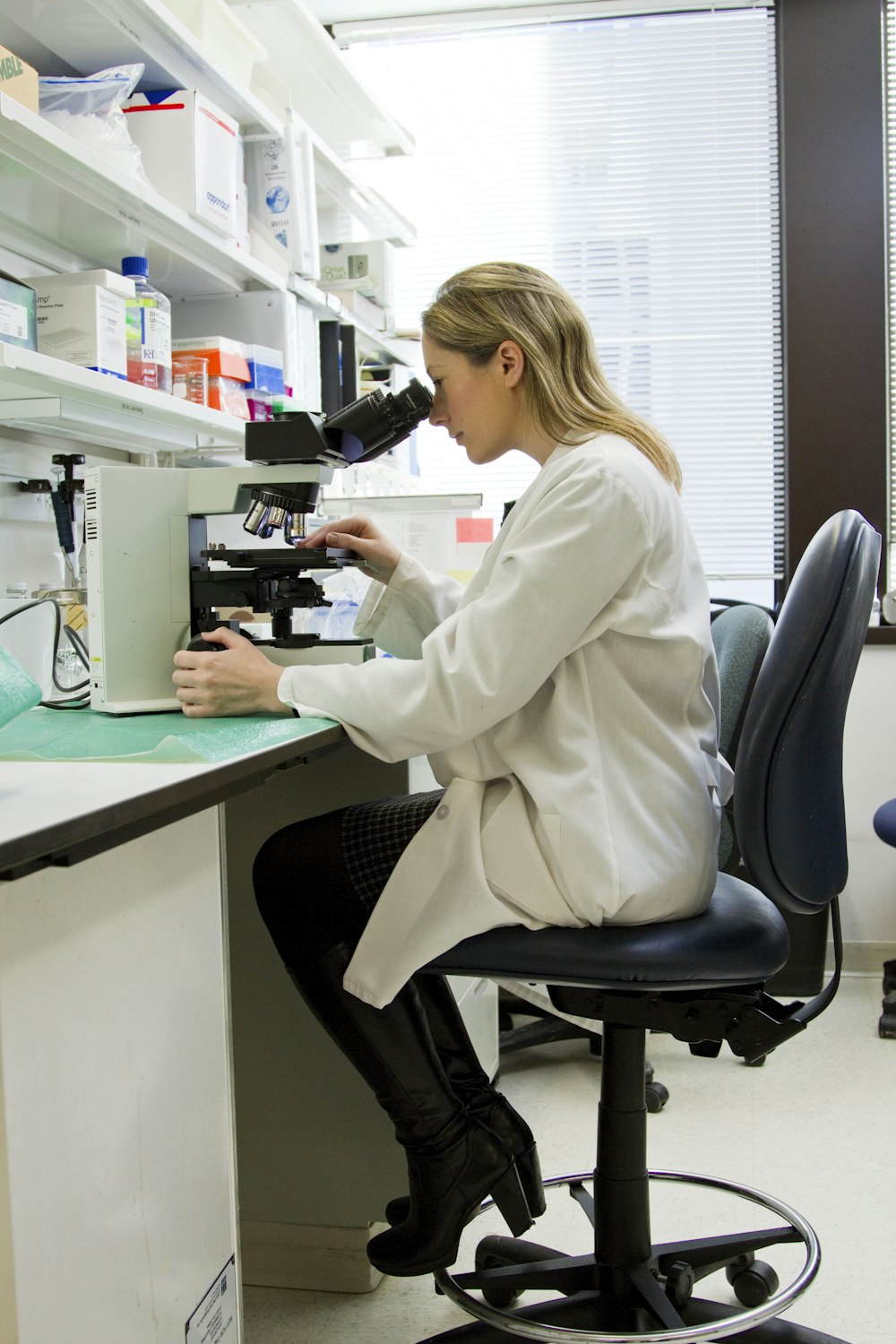
These tools have revolutionized the field, allowing researchers to standardize plant materials for consistent study results, understand exactly how plant compounds interact with human physiology, and develop sustainable cultivation methods that maximize medicinal potency 1 .
The Future of Plant-Based Medicine
Beyond the Laboratory: Real-World Impact
The implications of research published in journals like JMAP extend far beyond academic interest. In an era of antibiotic resistance and complex chronic diseases, scientists are increasingly looking to medicinal plants as sources of novel therapeutic agents.
Validating and standardizing traditional remedies can make effective treatments more accessible and affordable worldwide. This approach respects and preserves indigenous knowledge while enhancing it with scientific validation.
Challenges and Conservation
Despite the exciting potential, the field faces significant challenges. Habitat destruction threatens many medicinal plant species with extinction before we've even identified their chemical constituents.
The transition from traditional use to standardized medicine requires navigating complex issues of intellectual property and benefit-sharing with indigenous communities who have stewarded this knowledge for generations.
A Living Laboratory Awaits
The scientific investigation of medicinally active plants represents one of the most exciting frontiers in modern science, blending ancient wisdom with cutting-edge technology.
From the ginger in your kitchen cupboard to rare plants deep in rainforests, nature's pharmacy offers an extraordinary resource for healing—but only if we approach it with both curiosity and critical thinking.
The next time you hear about a miraculous medicinal plant, remember the sophisticated scientific journey required to transform that plant into validated medicine. This research doesn't diminish nature's mystery; it reveals just how sophisticated nature's chemical engineering truly is.