Optimizing Cofactor Push and Pull Strategies: A Guide for Enhanced Biocatalysis and Drug Development
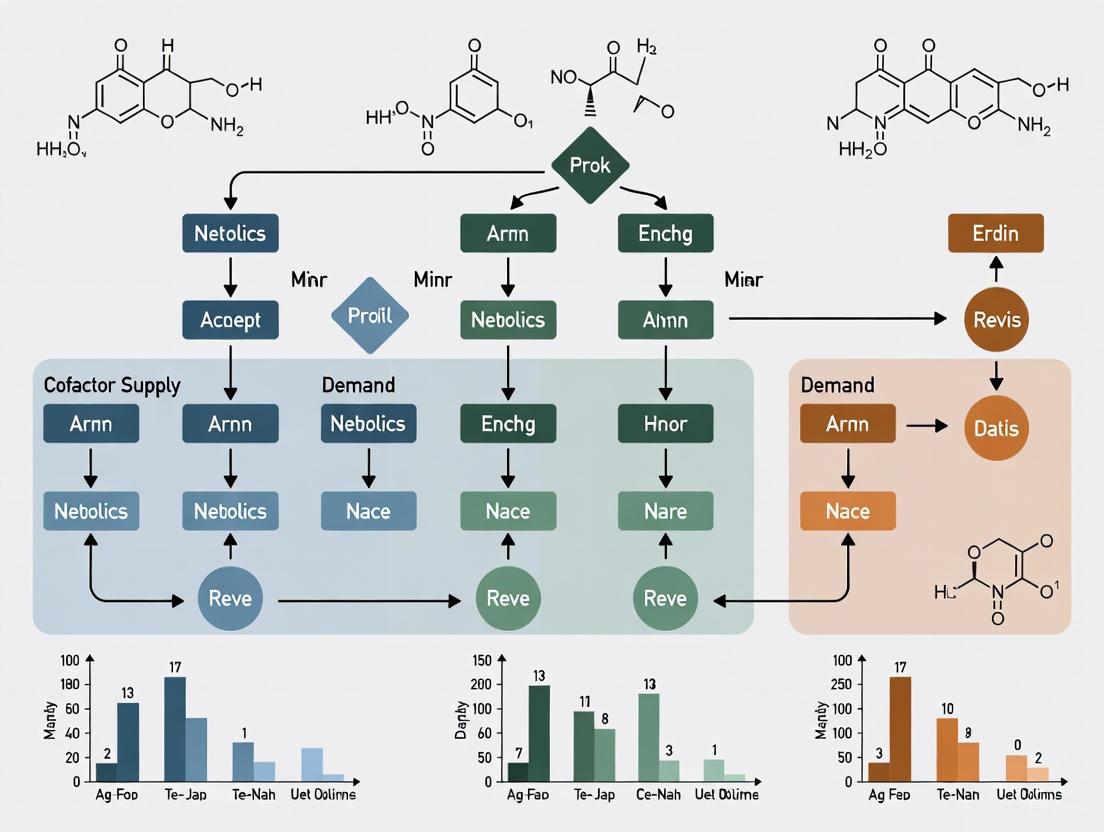
This article provides a comprehensive guide for researchers and drug development professionals on optimizing cofactor push and pull strategies in biological systems.
Optimizing Cofactor Push and Pull Strategies: A Guide for Enhanced Biocatalysis and Drug Development
Abstract
This article provides a comprehensive guide for researchers and drug development professionals on optimizing cofactor push and pull strategies in biological systems. It covers the foundational principles of cofactor dynamics, explores advanced methodological approaches for managing cofactor supply and demand, details practical troubleshooting for stability issues, and validates strategies through comparative analysis. By integrating insights from recent research on noncanonical redox cofactors, stabilization techniques in cell-free systems, and analytical best practices, this resource aims to equip scientists with the knowledge to overcome thermodynamic bottlenecks, enhance pathway efficiency, and improve the yield of valuable biochemical products.
Understanding Cofactor Dynamics: The Core Principles of Push and Pull
Conceptual Foundation: What is Cofactor Push-Pull?
What is the basic definition of a cofactor in biochemistry? A cofactor is a non-protein chemical compound or metallic ion that is required for an enzyme's role as a catalyst. Cofactors act as "helper molecules" that assist in biochemical transformations and are essential for the catalytic activity of many enzymes. An inactive enzyme without its cofactor is called an apoenzyme, while the complete, active enzyme with its cofactor is called a holoenzyme [1] [2].
What does "Push-Pull" mean in a metabolic context? In metabolic engineering, "Push-Pull" describes strategies for optimizing the flux of cofactors toward a desired biosynthetic pathway. The "Push" component enhances the supply (source) of crucial cofactors, ensuring they are regenerated and available. The "Pull" component strengthens the demand (sink) by engineering downstream pathways to efficiently consume these cofactors, thereby driving the overall reaction equilibrium toward the target product and preventing metabolic bottlenecks [3] [4] [5].
Why is balancing cofactor supply and demand critical in microbial cell factories? Cofactors like NAD(P)H, ATP, and Acetyl-CoA are involved in up to 1,610 different enzymatic reactions. An imbalance in their levels disrupts intracellular redox balance, leading to reductive stress, inhibition of critical metabolic enzymes, impaired cofactor regeneration, and ultimately, reduced growth and production of the target compound. Proper balance directs metabolic flux efficiently toward the desired product [4].
Troubleshooting Common Experimental Issues
| Problem Area | Specific Problem | Potential Causes | Solutions to Investigate |
|---|---|---|---|
| Low Product Yield | Insufficient driving force for cofactor-dependent reactions | ➤ Imbalanced NADPH/NADP+ or NADH/NAD+ ratio➤ Inadequate ATP supply➤ Poor regeneration of cofactor active form | ➤ Introduce heterologous cofactor regeneration systems (e.g., Nox) [5]� Engineer central carbon metabolism (EMP, PPP, ED pathways) [3]➤ Fine-tune ATP synthase components [3] |
| Accumulation of metabolic intermediates | ➤ Downstream enzymatic step is rate-limiting➤ Cofactor mismatch for a key enzyme | ➤ Overexpress or engineer the bottleneck enzyme [5]➤ Swap NAD+-dependent enzymes for NADP+-utilizing versions [5] | |
| Strain Instability | Degradation of production titer over repeated fermentations | ➤ Metabolic burden from cofactor pathway expression➤ Reductive stress from NADH imbalance [5] | ➤ Implement dynamic regulation (e.g., temperature-sensitive switches) [3]➤ Introduce NADH oxidase (Nox) to maintain redox balance [5] |
| Analytical Challenges | Difficulty measuring low metabolic turnover | ➤ Intrinsic clearance of compound is too slow for standard assays [6] | ➤ Employ extended incubation methods like the Hepatocyte Relay Assay [6] |
Detailed Experimental Protocols
Protocol 1: Enhancing NADPH Regeneration via Carbon Flux Redistribution
This protocol uses flux balance analysis (FBA) to rationally redesign central metabolism to boost the supply of NADPH, a key redox cofactor [3].
Key Research Reagent Solutions:
- Flux Analysis Software: Tools for Flux Balance Analysis (FBA) and Flux Variability Analysis (FVA) to predict optimal carbon flux through EMP, PPP, and ED pathways.
- Genetic Modification Tools: CRISPR-Cas9 system for traceless genome editing and plasmid systems for gene overexpression [5].
- Cofactor Analytes: Kits for quantitative measurement of intracellular NADPH/NADP+ and NADH/NAD+ ratios.
Methodology:
- In Silico Modeling: Perform FBA and FVA on the host's metabolic network (e.g., E. coli) to identify key nodes controlling flux distribution between the Embden-Meyerhof-Parnas (EMP), Pentose Phosphate (PPP), and Entner-Doudoroff (ED) pathways.
- Genetic Modulation: Implement predictions through genetic modifications. This may include:
- Overexpressing key enzymes in the NADPH-generating PPP pathway (e.g., glucose-6-phosphate dehydrogenase).
- Attenuating competing pathways that consume NADPH or do not generate it.
- Validation: Measure the intracellular NADPH/NADP+ ratio and the NADPH concentration in the engineered strain versus the control. Correlate this with the production titer of the target compound [3].
Protocol 2: Implementing a Transhydrogenase-Based NADH/ATP Coupling System
This protocol addresses simultaneous imbalances in redox (NAD(P)H) and energy (ATP) cofactors by introducing a heterologous transhydrogenase system to convert excess reducing power into ATP [3].
Key Research Reagent Solutions:
- Heterologous Genes: The transhydrogenase gene (e.g., sthA from E. coli or a homologous system from S. cerevisiae).
- Fermentation Equipment: Controlled bioreactors for fed-batch fermentation.
- Analytical Instruments: HPLC or GC-MS for quantifying target product and byproducts.
Methodology:
- Strain Engineering: Clone and express a soluble transhydrogenase gene in your production host. This enzyme catalyzes the reversible conversion: NADPH + NAD⁺ ⇌ NADP⁺ + NADH.
- Coupling with Oxidative Phosphorylation: Engineer the strain to channel the generated NADH into the electron transport chain. This couples the oxidation of NADH to the regeneration of ATP.
- Performance Assessment: Measure intracellular ATP levels and the NADH/NAD+ ratio. In fed-batch fermentation, monitor the final titer and yield of the target product (e.g., D-PA) to confirm enhanced performance [3].
Table 1: Cofactor Engineering Strategies and Reported Outcomes in Microbial Production
| Target Cofactor | Chassis Organism | Engineering Strategy | Production Outcome | Key Metric Change |
|---|---|---|---|---|
| NADPH / NADH | E. coli (for Pyridoxine) | ➤ Enzyme design for NAD+-dependent enzymes➤ Introduced NADH oxidase (Nox)➤ Reduced NADH production in glycolysis [5] | Pyridoxine titer of 676 mg/L in a shake flask [5] | Achieved by balancing NADH/NAD+ ratio |
| NADPH / ATP | E. coli (for D-Pantothenic Acid) | ➤ Multi-module engineering of EMP/PPP/ED➤ Heterologous transhydrogenase from S. cerevisiae➤ Optimized serine-glycine system for 5,10-MTHF [3] | D-PA titer of 124.3 g/L in fed-batch fermentation [3] | Yield of 0.78 g/g glucose; Record production |
| Acetyl-CoA | E. coli | Regulation of acetate pathway and overexpression of acetyl-CoA synthetase [4] | Increased yield of Malonyl-CoA (precursor for fuels, chemicals) [4] | >4-fold increase in synthesis yield [4] |
| Acetyl-CoA | Yarrowia lipolytica | Overexpression of ACC (acetyl-CoA carboxylase) and FAS (fatty acid synthase) genes [4] | Significant increase in lipid production [4] | Lipid content raised to 25.7% [4] |
Cofactor FAQs: Core Functions and Metabolic Roles
Q1: What are the primary metabolic functions of NADH and NADPH?
While both are electron carriers, NADH and NADPH have distinct roles. NADH is primarily involved in catabolic reactions, such as glycolysis, fatty acid oxidation, and the TCA cycle, where it acts as a central electron donor for ATP generation via oxidative phosphorylation [4] [7]. Conversely, NADPH primarily serves as an electron donor in anabolic reactions, including the biosynthesis of fatty acids, amino acids, and nucleic acids, and plays a crucial role in maintaining redox balance by supporting antioxidant systems [8] [9]. Essentially, NADH is energy-focused (ATP generation), while NADPH is biosynthesis-focused (building biomass and defense).
Q2: Why is Acetyl-CoA considered a critical metabolic hub?
Acetyl-CoA is a fundamental convergence point in metabolism with four key functions [4] [10]:
- Energy Production: It feeds the TCA cycle to generate ATP.
- Anabolism: It serves as the essential precursor for synthesizing lipids (fatty acids, cholesterol), isoprenoids, and terpenoids.
- Catabolism: It is the common product from the breakdown of sugars, fats, and some amino acids.
- Signaling: It acts as a substrate for post-translational protein acetylation, regulating protein function and stability.
Q3: How does ATP dynamically regulate metabolic pathways?
ATP is more than just a cellular energy currency; it is a potent allosteric regulator. A high ATP:ADP ratio signals energy surplus and inhibits key enzymes in ATP-generating pathways like glycolysis and the TCA cycle. Conversely, a low ratio signals energy deficit and stimulates these pathways. For example, ATP directly allosterically inhibits rate-limiting enzymes in the TCA cycle and acts as a metabolic activator for lactate dehydrogenase [4].
Q4: My microbial cell factory has slow growth and low product yield. Could cofactor imbalance be the cause?
Yes, this is a common bottleneck. Cofactor imbalance is a major factor in stalled cell growth and inefficient biosynthesis [4] [9]. A high NADH/NAD+ ratio can create "reductive stress," slowing glycolysis and the TCA cycle [11]. Insufficient NADPH can limit the synthesis of amino acids and other building blocks needed for both growth and target products like natural products and proteins [8] [9]. Optimizing cofactor supply is therefore a key strategy in metabolic engineering.
Troubleshooting Common Cofactor-Related Experimental Issues
Problem 1: Insufficient NADPH Supply Limiting Product Yield
- Symptoms: Low titer of NADPH-dependent products (e.g., amino acids, flavonoids, fatty acids); accumulation of pathway precursors.
- Diagnosis: Measure the intracellular NADPH/NADP+ ratio using biosensors or enzymatic assays [8].
- Solutions:
- "Open Source": Overexpress genes encoding NADPH-generating enzymes, such as glucose-6-phosphate dehydrogenase (gsdA or zwf), 6-phosphogluconate dehydrogenase (gndA), or NADP-dependent malic enzyme (maeA) [9].
- "Reduce Expenditure": Knock down non-essential genes that consume NADPH [8].
- Alter Cofactor Preference: Re-engine key enzymes in the target pathway to use NADH instead of NADPH, if possible [8].
Problem 2: Low ATP Availability Compromising Biosynthetic Capacity
- Symptoms: Slow cell growth, low protein expression, and inefficient transport processes.
- Diagnosis: Monitor growth rates and measure ATP/ADP/AMP levels.
- Solutions:
- Enhance Substrate-Level Phosphorylation: Ensure high glycolytic flux.
- Optimize Cultivation Conditions: Improve aeration for oxidative phosphorylation in aerobic organisms [4].
- Engineer ATP Wastage: In some cases, carefully designed futile cycles can deplete excess ATP, stimulating glycolysis and pulling flux through precursor pathways [8].
Problem 3: Acetyl-CoA Diverted to Byproducts (e.g., Acetate)
- Symptoms: Accumulation of acetate or other organic acids; reduced carbon efficiency toward the target product.
- Diagnosis: Analyze extracellular metabolites and measure metabolic flux.
- Solutions:
- Block Competing Pathways: Knock out genes in acetate formation pathways (e.g., pta-ackA in E. coli) [4] [12].
- Push-Pull Engineering: Overexpress key enzymes pulling acetyl-CoA into the desired pathway (e.g., for malonyl-CoA, 3-hydroxypropionate, or mevalonate) while simultaneously blocking competing routes [4].
Problem 4: Rewiring Carbon Flux in Cell-Free Systems
- Symptoms: Low yield in cell-free biotransformations due to unwanted side reactions consuming substrates and cofactors.
- Diagnosis: Profile the metabolites in the cell-free lysate reaction.
- Solutions: Implement a "Block-Push-Pull" strategy [12]:
- Block: Selectively remove byproduct-forming enzymes from the lysate (e.g., via affinity-tag depletion of lactate dehydrogenase/pyruvate formate-lyase).
- Push: Supplement with rate-limiting enzymes to drive flux forward.
- Pull: Overexpress terminal pathway enzymes to pull carbon toward the target product.
Quantitative Data on Cofactor Engineering Outcomes
Table 1: Impact of Cofactor Engineering on Microbial Production
| Cofactor | Chassis | Target Metabolite | Engineering Strategy | Outcome | Citation |
|---|---|---|---|---|---|
| NADPH | Aspergillus niger | Glucoamylase (GlaA) | Overexpression of gndA (6-phosphogluconate dehydrogenase) | 65% increase in GlaA yield; 45% larger NADPH pool | [9] |
| NADPH | Aspergillus niger | Glucoamylase (GlaA) | Overexpression of maeA (malic enzyme) | 30% increase in GlaA yield; 66% larger NADPH pool | [9] |
| Acetyl-CoA | Escherichia coli | α-Ketoglutaric acid | Regulation of acetate pathway & Acetyl-CoA flux | Yield up to 28.54 g/L | [4] |
| Acetyl-CoA | Escherichia coli | Malonyl-CoA | Pathway optimization | >4-fold increase in synthesis yield | [4] |
| Acetyl-CoA | Corynebacterium glutamicum | 5-Aminolevulinic acid | Metabolic engineering | Maximum yield of 5.6 g/L | [4] |
| NADPH | Engineered E. coli | L-Threonine | Redox Imbalance Force Drive (RIFD) strategy | 117.65 g/L titer; yield of 0.65 g/g | [8] |
Table 2: Key Research Reagent Solutions for Cofactor Research
| Reagent / Tool | Function / Application | Experimental Example |
|---|---|---|
| Dual-Sensing Biosensor | Simultaneous live-cell monitoring of NADPH and a specific metabolite (e.g., L-threonine). | Used with FACS to screen high-producing strains [8]. |
| Tet-On Gene Switch | Doxycycline-inducible, tunable gene expression system. | Allows precise control of gene overexpression (e.g., gndA, maeA) during fermentation [9]. |
| CRISPR/Cas9 & MAGE | Advanced genome editing for gene knockout and multiplexed genome evolution. | Knocking out non-essential NADPH consumers; evolving strains to adapt to redox imbalance [8] [9]. |
| 6xHis-Tagged Enzymes | Affinity-based selective depletion of specific enzymes from cell lysates. | "Blocking" byproduct pathways in cell-free systems to rewire carbon flux [12]. |
| NAMPT Inhibitors | Pharmacological inhibition of the NAD+ salvage pathway. | Studying the effects of NAD+ depletion on cellular physiology [7] [13]. |
| Cofactor Regeneration Systems | Enzymatic recycling of expensive cofactors (e.g., NAD+, ATP) in vitro. | Making cofactor-dependent biocatalysis economically viable for industrial synthesis [14]. |
Experimental Protocols for Cofactor Engineering
Protocol 1: Implementing a "Push-Pull-Block" Strategy in a Cell-Free System This protocol, adapted from [12], outlines how to rewire endogenous metabolism in an E. coli lysate toward a target product like ethanol.
- Lysate Preparation:
- Cultivate source E. coli strain (e.g., BL21) in 2xYPTG media.
- Harvest cells at mid-log phase (OD600 ~5.0-7.0) by centrifugation.
- Lyse cells using a French press or sonication in S30 buffer (14 mM Mg acetate, 60 mM K acetate, 10 mM Tris-acetate, pH 8.2).
- Clarify the lysate by centrifugation and perform a run-off reaction to deplete endogenous amino acids and nucleotides.
- Block - Enzyme Depletion:
- Use lysate derived from a strain with 6xHis-tags genomically integrated onto key byproduct-forming enzymes (e.g., ldhA, pflB).
- Incubate the lysate with Ni-NTA beads to bind and remove the His-tagged enzymes, thereby "blocking" lactate and formate production.
- Push - Reaction Optimization:
- Supplement the lysate with exogenous cofactors (e.g., NAD+) and energy sources (e.g., ATP, PEP).
- Adjust the reaction pH and temperature to optimize the activity of the target pathway enzymes.
- Pull - Driving Flux:
- Supplement the reaction with an excess of the terminal enzyme in the target pathway (e.g., alcohol dehydrogenase for ethanol) to "pull" carbon flux toward the desired product.
- Analysis:
- Quantify substrate consumption (e.g., glucose) and product formation (e.g., ethanol) using HPLC or enzymatic assays to calculate conversion yield.
Protocol 2: Enhancing NADPH Supply in Aspergillus niger for Protein Production This protocol, based on [9], describes a DBTL (Design-Build-Test-Learn) cycle for cofactor engineering.
- Design:
- Identify candidate NADPH-generating genes from genome-scale models (e.g., gsdA, gndA, maeA).
- Build:
- Use CRISPR/Cas9 to integrate an additional copy of the candidate gene (e.g., gndA) under the control of a strong, inducible promoter (e.g., Tet-on) into the pyrG locus of the A. niger production strain.
- Test:
- Cultivate the engineered strain in shake flasks or, for more precise data, in carbon-limited chemostat cultures.
- Induce gene expression with doxycycline during the production phase.
- Measure: a) Intracellular NADPH/NADP+ ratio (via enzymatic assays), b) Glucoamylase (GlaA) titer, c) Total extracellular protein, d) Metabolic fluxes via 13C-labeling.
- Learn:
- Correlate the genetic perturbation with changes in the NADPH pool and product yield.
- Use this data to inform the next engineering cycle, for example, by combining the most effective genetic modifications.
Metabolic Pathway and Strategy Visualizations
Diagram 1: The Block-Push-Pull Metabolic Engineering Strategy. This general framework is used to rewire cellular metabolism. "Block" eliminates competing reactions, "Push" overcomes kinetic bottlenecks, and "Pull" directs flux toward the target product [8] [12].
Diagram 2: Key NADPH Regeneration Pathways in Central Metabolism. Major routes for NADPH generation include the Pentose Phosphate Pathway (enzymes G6PDH/gsdA and 6PGDH/gndA) and the reaction catalyzed by NADP-dependent malic enzyme (maeA) [4] [9].
Frequently Asked Questions (FAQs)
Q1: What are Noncanonical Redox Cofactors (NRCs) and what key advantages do they offer? A: Noncanonical redox cofactors (NRCs) are biomimetic analogs of the natural redox cofactors NAD(P)+. They are engineered to form orthogonal electron transfer circuits within metabolic networks. Their primary advantages include [15] [16] [17]:
- Orthogonality: They channel electrons exclusively from substrate to product, minimizing diversion of electrons to other metabolic processes and avoiding undesirable side reactions.
- Overcoming Thermodynamic Constraints: Some NRCs can facilitate challenging redox transactions that are thermodynamically difficult with natural cofactors.
- Cost-Effectiveness: Simple synthetic NRCs can be more cost-effective than NAD(P)+ for large-scale in vitro biomanufacturing.
- Yield Improvement: By controlling electron fate, NRCs can help bioprocesses approach their maximum theoretical yield.
Q2: My experiment with an NRC-dependent enzyme shows very low catalytic efficiency. What could be the issue? A: Low catalytic efficiency is a common challenge, often due to a poor match between the enzyme and the NRC. Solutions include [17]:
- Source NRC-Active Natural Enzymes: Mine natural enzyme families for variants that already possess high activity for your target NRC. For example, screening the aldehyde dehydrogenase (ALDH) family identified natural enzymes with high turnover numbers for Nicotinamide Mononucleotide (NMN+).
- Utilize Conserved Motifs: Incorporate specific sequence motifs into your enzyme. The RH/QxxR motif has been shown to enable widespread NRC activity in ALDHs by reinforcing cofactor positioning and pre-organizing the active site.
- Engineer for Flexibility: Focus engineering efforts on enzymes that rely more on interactions with the nicotinamide "head" of the cofactor and less on the "tail" that is being diversified.
Q3: The reduced form of my synthetic NRC is unstable in buffer. How can I address this? A: The stability of synthetic NRCs can be highly dependent on the chemical environment [15].
- Investigate Solution Conditions: Test the stability of the cofactor at different pH levels and temperatures. Avoid phosphate buffers if they are found to catalyze decomposition.
- Explore Cofactor Structure: The half-life of NRC analogs can be modulated by modifying substituents on the dihydropyridine ring. You may need to select a different, more stable NRC variant for your application.
Q4: How can I implement an effective "pull" strategy for NRC recycling in a cell-free system? A: A "pull" strategy effectively consumes the reduced NRC (e.g., NMNH) to drive the reaction forward. A highly effective method is a colorimetric cycling assay [17]:
- Principle: The NRC-dependent enzyme of interest generates NMNH from NMN+. A second enzyme, such as a diaphorase (e.g., from Geobacillus sp., GsDI), is added to rapidly oxidize the NMNH, concurrently reducing a tetrazolium dye (e.g., WST-1) to a colored formazan product.
- Function: This method pulls the reaction by continuously regenerating NMN+, providing a sensitive, real-time readout of enzyme activity based on the increase in formazan absorbance.
Troubleshooting Guide
| Problem | Possible Cause | Suggested Solution |
|---|---|---|
| Low Product Yield | Electrons diverted by native cofactors; Diffuse electron distribution | Implement orthogonal NRC circuits to isolate electron transfer [15] |
| Poor Enzyme Activity with NRC | Enzyme has low affinity or catalytic rate for the NRC | Screen for natural NRC-active enzymes; Engineer enzyme with RH/QxxR motif [17] |
| NRC Instability | Cofactor degradation in solution | Modify buffer composition (pH, components); Select a more stable NRC variant [15] |
| High Cost for In Vitro Scale-Up | Prohibitive cost of NAD(P)+ and recycling | Use simple, synthetic NRCs (e.g., BANA+, AmNA+) [17] |
| Thermodynamically Unfavorable Reaction | Insufficient driving force with NAD(P)/H | Utilize NRCs with tailored redox potentials to lower the energy barrier [16] |
Key Experimental Data and Protocols
Quantitative Comparison of Redox Cofactors
Table 1: Performance Metrics of Selected NRC-Active Enzymes This table compares the catalytic efficiency of various enzymes using the non-canonical cofactor NMN+.
| Enzyme | Source | kcat with NMN+ (s⁻¹) | kcat with NAD+ (s⁻¹) | Relative Performance (NMN+/NAD+) |
|---|---|---|---|---|
| BtALDH3 | Bos taurus | 2.1 ± 0.1 | 1.4 ± 0.1 | 1.5x higher [17] |
| PbALDH | Pseudanabaena biceps | 3.02 ± 0.01 | Not specified | High activity [17] |
| Engineered PTDH LY131 | Engineired | Not specified | Not specified | ~10⁵-fold better than most engineered NRC-enzymes [17] |
Table 2: Properties of Common Redox Cofactor Families This table summarizes the key characteristics of different redox cofactor families in metabolism.
| Cofactor Family | Example | Redox Potential (E₀') | Primary Metabolic Role |
|---|---|---|---|
| Nicotinamide | NAD+/NADH, NADP+/NADPH | -320 mV | Central to ~1000+ redox reactions in dissimilation and assimilation [15] |
| Deazaflavin | F420 | -340 mV | Primary and secondary metabolism in archaea and bacteria (e.g., antibiotic biosynthesis) [15] |
| Flavin | FAD/FADH₂, FMN | -220 mV | Prosthetic group in enzymes; electron transfer from NAD(P)H and iron-sulfur clusters [15] |
Detailed Experimental Protocol: High-Throughput Screening of ALDHs for NRC Activity
This protocol is adapted from a study that successfully identified natural ALDHs with high activity for NMN+ [17].
Objective: To rapidly screen a diverse set of aldehyde dehydrogenase (ALDH) enzymes for catalytic activity using the non-canonical redox cofactor Nicotinamide Mononucleotide (NMN+).
Workflow: The screening process involves selecting enzyme variants, testing their activity with NRCs, and identifying high-performing candidates for further experimentation.
Materials:
- Enzymes: 42 cloned and purified ALDHs, selected as representatives from major subnetworks of a sequence similarity network to maximize diversity [17].
- Cofactors: NAD+ and NMN+.
- Substrates: A panel of aliphatic aldehydes (e.g., propionaldehyde, butyraldehyde).
- Coupling Enzymes: Diaphorase from Geobacillus sp. (GsDI).
- Detection Reagent: WST-1 tetrazolium dye.
- Equipment: Plate reader capable of measuring absorbance in the visible range (e.g., ~450 nm for formazan).
Procedure:
- Primary Substrate Screening: For each purified ALDH, test activity with NAD+ against a panel of aldehyde substrates to determine the enzyme's preferred substrate and confirm baseline activity.
- Colorimetric Cycling Assay Setup: In a 96-well plate, for each ALDH, mix:
- Aldehyde substrate (at determined optimal concentration)
- NMN+ cofactor
- GsDI diaphorase
- WST-1 dye
- Purified ALDH enzyme
- Activity Measurement: Immediately initiate the reaction and monitor the increase in absorbance (formation of WST-formazan) over time at a suitable wavelength (e.g., ~450 nm).
- Data Analysis: Calculate initial reaction rates. Enzymes showing a significant increase in absorbance with NMN+ are considered "hits" for further kinetic characterization (e.g., kcat and KM determination).
The Scientist's Toolkit: Essential Research Reagents
Table 3: Key Reagents for NRC Research This table lists essential materials used in NRC experiments and explains their function.
| Item | Function / Explanation |
|---|---|
| Nicotinamide Mononucleotide (NMN+) | A key biomimetic NRC lacking the adenosine monophosphate (AMP) moiety of NAD+; widely used as a model NRC in both in vivo and in vitro studies [17]. |
| Simple Synthetic NRCs (BANA+, AmNA+, P3NA-OMe+) | Non-nucleotide, cost-effective analogs of NAD+; their simple structure makes them attractive for large-scale applications [17]. |
| Diaphorase (e.g., GsDI) | A coupling enzyme used in colorimetric assays to rapidly oxidize reduced NRCs (like NMNH), producing a measurable signal and enabling a "pull" strategy [17]. |
| WST-1 Tetrazolium Dye | A detection reagent reduced by diaphorase to a water-soluble formazan product; the rate of color development quantifies NRC reduction activity [17]. |
| Aldehyde Dehydrogenase (ALDH) Family | A large, structurally homologous enzyme family used as a model system to discover NRC-active enzymes and identify enabling sequence motifs like RH/QxxR [17]. |
Visualizing NRC Electron Channeling
The following diagram illustrates the core concept of using NRCs to create orthogonal electron transfer pathways, compared to the diffuse electron distribution in native metabolism.
The Pool-Source-Sink (PSS) infrastructure represents an advanced framework in metabolic engineering designed to achieve orthogonal control over metabolic pathways. This approach utilizes noncanonical redox cofactors (NRCs) to create insulated metabolic modules that operate independently from the host's native NAD(P)H-based cofactor systems [18]. By establishing separate pools of these synthetic cofactors and precisely controlling their reduction (sources) and oxidation (sinks), researchers can overcome thermodynamic limitations, minimize pathway crosstalk, and push biotransformation systems toward unprecedented product yields [18].
Frequently Asked Questions (FAQs)
Q1: What is the primary advantage of implementing a Pool-Source-Sink infrastructure over traditional metabolic engineering approaches?
The PSS infrastructure enables orthogonal control of metabolic pathways, eliminating competition for the host's central NAD(P)H pools. This allows for:
- Independent Optimization: Thermodynamic and kinetic parameters can be tuned specifically for your pathway without affecting core metabolism [18].
- Enhanced Product Yields: Achieve production levels for valuable compounds that were previously limited by endogenous cofactor crosstalk [18].
- Modular Design: The standardized pool-source-sink components can be adapted across different microbial hosts and pathway configurations.
Q2: My NRC-dependent pathway is showing lower than expected flux. Where should I begin troubleshooting?
Begin with a systematic analysis of each PSS component using this diagnostic table:
| System Component | Common Issues | Diagnostic Tests |
|---|---|---|
| Cofactor Pool | - Insufficient cofactor concentration- Cofactor degradation- Poor cofactor retention | - HPLC analysis of intracellular cofactor levels- Cofactor stability assays under process conditions |
| Reduction Source | - Suboptimal enzyme kinetics- Cofactor reduction rate mismatch- Electron donor limitation | - In vitro source enzyme activity assays- Cofactor reduction rate measurements |
| Oxidation Sink | - Product inhibition- Thermodynamic barriers- Enzyme saturation | - Product accumulation assays- In vitro sink enzyme activity measurements |
Q3: How can I quantify the orthogonality of my NRC system relative to native metabolism?
Evaluate system orthogonality through these key metrics:
| Metric | Target Value | Measurement Method |
|---|---|---|
| Cofactor Crosstalk | < 5% interference | Isotopic labeling of native vs. noncanonical cofactors coupled to MS analysis |
| Pathway Insulation | > 90% maintenance | Comparative flux analysis with and without pathway induction |
| Energy Charge | 0.8-0.9 | ATP/ADP/AMP quantification in pathway-active vs. inactive cells |
Q4: What are the most common bottlenecks in establishing efficient source modules?
Source limitations typically occur at three levels:
- Enzyme-Level: Suboptimal catalytic efficiency for NRC reduction
- Cofactor-Level: Regeneration kinetics lagging behind consumption
- System-Level: Competition for reducing equivalents from central metabolism
Implementation of the experimental protocols below will help identify and resolve these specific bottlenecks.
Troubleshooting Guides
Problem: Insufficient Cofactor Reduction Rate
Symptoms: Accumulation of oxidized NRC, slow pathway initiation, intermediate metabolite accumulation.
Resolution Protocol:
- Source Enzyme Characterization:
- Express and purify the reductive source enzyme(s) separately
- Determine kinetic parameters (Km, kcat) for both the NRC and electron donor
- Compare experimentally determined values with computational predictions
Electron Donor Optimization:
- Test alternative electron donors (e.g., glucose, formate, H2)
- Implement a fed-batch system to maintain optimal donor concentration
- Consider engineering a dedicated electron transfer module
Enzyme Engineering:
- If native kinetics are poor, employ directed evolution for improved NRC specificity
- Use structure-guided mutagenesis to optimize active site architecture
- Implement fusion constructs to create substrate channeling where beneficial
Problem: Sink Module Inefficiency
Symptoms: Accumulation of reduced NRC, low product formation despite high cofactor reduction, potential redox imbalance.
Resolution Protocol:
- Thermodynamic Analysis:
- Calculate the Gibbs free energy change (ΔG) for the sink reaction
- Identify potentially rate-limiting steps based on energy landscapes
- Consider enzyme engineering to improve reaction thermodynamics
Product Removal Optimization:
- Implement in situ product removal for inhibitory compounds
- Test different extraction methods (e.g., two-phase systems, adsorption)
- Optimize continuous fermentation systems for constant product removal
Sink Enzyme Expression Tuning:
- Screen promoters of varying strengths to optimize expression levels
- Evaluate enzyme stability under process conditions
- Consider co-localization of sink enzymes with source modules
Problem: Poor Cofactor Stability or Retention
Symptoms: Decreasing total cofactor levels over time, requirement for continuous cofactor supplementation, increasing production costs.
Resolution Protocol:
- Cofactor Stability Assay:
- Incubate NRC under process conditions (pH, temperature, ionic strength)
- Sample at regular intervals and quantify intact cofactor via HPLC
- Identify degradation products through mass spectrometry
Retention Engineering:
- Engineer cofactor binding domains onto pathway enzymes
- Implement synthetic scaffolds to maintain cofactor proximity
- Consider membrane engineering strategies for better cofactor compartmentalization
Cofactor Regeneration:
- Design a dedicated recycling system for degraded cofactor
- Implement biosensors to monitor intracellular cofactor levels
- Establish fed-batch cofactor addition protocols based on consumption rates
Experimental Protocols
Protocol 1: Orthogonality Assessment
Objective: Quantify the degree of insulation between your NRC-dependent pathway and native metabolism.
Materials:
- Strains with and without the PSS infrastructure
- (^{13})C-labeled carbon source (e.g., (^{13})C-glucose)
- LC-MS system for metabolite analysis
- HPLC for cofactor quantification
Procedure:
- Cultivate strains in biological triplicate with (^{13})C-glucose as sole carbon source
- Harvest cells at mid-exponential phase (OD600 ≈ 0.6-0.8)
- Perform rapid metabolite extraction using cold methanol/water mixture
- Analyze cofactor pools (NAD(^+), NADH, NRCox, NRCred) via HPLC
- Determine isotopic labeling patterns in central metabolites via LC-MS
- Calculate labeling enrichment in TCA cycle intermediates, amino acids, and your target product
Interpretation: High orthogonality is indicated by minimal (^{13})C incorporation into your product from labeled glucose, demonstrating independence from central carbon metabolism.
Protocol 2: Source Module Kinetics Characterization
Objective: Determine the catalytic efficiency of your reductive source module.
Materials:
- Purified source enzyme
- Noncanonical redox cofactor
- Electron donor substrate
- Spectrophotometer or HPLC system
Procedure:
- Prepare reaction mixtures varying NRC concentration (5-200 µM) while keeping electron donor saturation
- Initiate reactions by enzyme addition
- Monitor NRC reduction continuously at appropriate wavelength or via discrete timepoint HPLC samples
- Repeat with varying electron donor concentration while maintaining saturated NRC levels
- Fit data to Michaelis-Menten equation to extract Km and kcat for both substrates
Interpretation: Compare catalytic efficiency (kcat/Km) against native enzyme substrates. Values within 10-fold indicate good engineering potential.
Essential Research Reagents and Materials
| Reagent Category | Specific Examples | Function in PSS Infrastructure |
|---|---|---|
| Noncanonical Cofactors | - Nicotinamide mononucleotide (NMN)- Methoxy-NAD+ | Orthogonal electron carriers that avoid native metabolic crosstalk [18] |
| Source Enzymes | - Engineered glucose dehydrogenases- Formate dehydrogenases | Reduce NRC pools using inexpensive electron donors [18] |
| Sink Enzymes | - Synthetic reductases- Pathway-specific oxidoreductases | Oxidize reduced NRC to drive product formation while regenerating oxidized NRC [18] |
| Analytical Tools | - HPLC with diode array detection- Cofactor biosensors | Quantify cofactor ratios and pathway flux in real-time [18] |
| Engineering Tools | - CRISPR-Cas systems- Directed evolution platforms | Optimize enzyme specificity and pathway regulation [18] |
Workflow and System Architecture Diagrams
Pool-Source-Sink Infrastructure Overview
PSS Infrastructure Troubleshooting Guide
Troubleshooting Common Cofactor Issues: FAQs
FAQ 1: What are the major pathways of cofactor degradation and instability in vitro?
Cofactors can degrade through several pathways, significantly impacting experimental reproducibility. Key instability factors include:
- Chemical Degradation: Cofactors like NADH are susceptible to oxidation. For instance, the presence of trace metals or exposure to air can accelerate this process. Enzymes such as NADH oxidase (Nox) are specifically used to catalyze the oxidation of NADH, which can be a desired reaction in cofactor regeneration systems but represents a degradation pathway in other contexts [19].
- Physical Instability and Aggregation: Peptides and proteins, which can include enzymes dependent on cofactors, are prone to aggregation. This aggregation can be triggered by factors such as high concentration, shifts in pH, mechanical agitation, and exposure to interfaces [20]. This aggregation leads to a loss of biological activity.
- Enzyme Instability in Assays: A primary challenge in using in vitro systems like plated primary hepatocytes for metabolism studies is the rapid decline in enzyme activity, which can decrease by approximately 50% within the first 5–6 hours and by up to 95% within 30 hours for most preparations [21].
FAQ 2: How can I overcome thermodynamic barriers in enzymatic synthesis?
Thermodynamic equilibria often favor substrate over product, limiting reaction yields. Effective strategies to shift the equilibrium include:
- Cofactor Regeneration Systems: Coupling your main reaction with a second, highly favorable reaction that regenerates the consumed cofactor is a cornerstone of biochemical synthesis. A classic example is using formate dehydrogenase (FDH) to oxidize formate to CO₂, regenerating NADH from NAD⁺ with a favorable equilibrium, thereby driving the primary reaction forward [22].
- In Situ Cofactor Recycling: For reactions involving expensive cofactors like NADH, designing a one-pot enzymatic reaction sequence that recycles the cofactor in situ can make the process thermodynamically and economically feasible. This approach has been used to achieve 100% conversion of substrates like d-fructose 1,6-bisphosphate by pulling the reaction equilibrium toward completion [22].
- Product Removal: Coupling the reaction with a subsequent, irreversible step that consumes the product can effectively pull the reaction forward. This can be achieved by integrating a second enzyme that utilizes the product, or through physical removal methods [22].
FAQ 3: What strategies can be used to manage intracellular cofactor imbalance in engineered microbes?
Inefficient biosynthesis in microbial cell factories is often linked to imbalances in cofactor ratios (e.g., NADH/NAD⁺). Key engineering strategies are:
- Enzyme Engineering: Replace or engineer key pathway enzymes to alter their cofactor preference. For example, engineering the enzyme PdxA or introducing heterologous NADP⁺-dependent glyceraldehyde 3-phosphate dehydrogenase (GapC) can reduce reliance on NADH and alleviate redox imbalance [19].
- Introducing Cofactor Regeneration Enzymes: Express heterologous enzymes like NADH oxidase (Nox) to convert excess NADH to NAD⁺. This strategy has been successfully applied in E. coli and Bacillus subtilis for high-level production of compounds like pyridoxine and acetoin [19].
- Carbon Flux Redistribution: Use metabolic models (e.g., Flux Balance Analysis) to reprogram central carbon metabolism (EMP, PPP, ED pathways) to optimize the intrinsic generation of required cofactors like NADPH, thereby maintaining redox homeostasis [3].
FAQ 4: How does peptide and protein aggregation affect cofactor-dependent reactions, and how can it be prevented?
Aggregation of enzymatic proteins leads to a direct loss of activity, crippling any cofactor-dependent reaction it catalyzes.
- Impact: Protein aggregation not only reduces the active enzyme concentration but can also cause a complete loss of function, increased immunogenic response, and toxicity [20].
- Prevention and Control:
- Excipients: Add stabilizers like sugars, polyols, and certain amino acids to the formulation [20].
- pH Control: Maintain a pH away from the protein's isoelectric point to maximize electrostatic repulsion [20].
- Avoid Agitation and Interfaces: Minimize mechanical stress and adsorption to container surfaces [20].
- Lyophilization: Consider lyophilizing the protein for long-term storage to prevent solution-based degradation pathways [20].
Table 1: Cofactor Degradation Kinetics and Stability
| Cofactor / Metabolite | Condition | Degradation Rate Constant | Half-Life | Key Factor | Citation |
|---|---|---|---|---|---|
| d-Glyceraldehyde 3-phosphate (d-GAP) | 50 mM TEA buffer, pH 8, 25°C | 2.3 × 10⁻⁵ s⁻¹ | 8.35 hours | Hydrolytic instability | [22] |
| Enzyme Activity (Primary Hepatocytes) | In vitro culture | N/A | 5-30 hours (50-95% loss) | Phenotype dedifferentiation | [21] |
| NADH | In vitro / Cellular environment | N/A | Short (susceptible to oxidation) | Chemical oxidation, presence of oxidases | [19] |
Table 2: Strategies for Overcoming Thermodynamic and Cofactor Barriers
| Strategy | Method Example | Application Example / Outcome | Citation |
|---|---|---|---|
| Cofactor Regeneration | Couple with Formate Dehydrogenase (FDH) | 100% conversion of d-F16BP to d-GAP and sn-G3P | [22] |
| Enzyme Engineering | Protein engineering to switch cofactor preference (e.g., PdxA) | Increased pyridoxine titer to 676 mg/L in E. coli | [19] |
| Carbon Flux Redistribution | In silico modeling (FBA/FVA) to reprogram EMP/PPP/ED pathways | Achieved 124.3 g/L D-pantothenic acid with yield of 0.78 g/g glucose | [3] |
| In Situ Product Removal | Couple a second enzyme to consume a co-product | Shifting equilibrium of aldol cleavage by reducing DHAP to sn-G3P | [22] |
Experimental Protocols
Protocol 1: One-Pot Enzymatic Synthesis with Cofactor Regeneration
This protocol is adapted from the synthesis of d-glyceraldehyde 3-phosphate (d-GAP) and l-glycerol 3-phosphate (sn-G3P) [22].
- Reaction Setup: In a stirred tank reactor (STR), combine the following in a suitable buffer (e.g., 50 mM TEA, pH 8.0):
- Substrate: d-fructose 1,6-bisphosphate (d-F16BP)
- Enzyme 1: Fructose-bisphosphate aldolase from rabbit muscle (RAMA)
- Enzyme 2: sn-glycerol 3-phosphate dehydrogenase (sn-G3PDH)
- Enzyme 3: Formate dehydrogenase from Candida boidinii (FDH)
- Cofactor: NAD⁺
- Cofactor regeneration substrate: Sodium formate
- Incubation: Incubate the reaction mixture at 25°C with continuous mixing. Batch-wise operation is recommended as the most convenient procedure.
- Monitoring: Monitor the conversion of d-F16BP to completion. The coupled reaction allows for 100% conversion by overcoming the thermodynamic limitation of the RAMA-catalyzed cleavage.
- Product Separation: Separate the products d-GAP and sn-G3P using polyethylenimine (PEI)-cellulose thin-layer chromatography (TLC).
Protocol 2: Assessing Peptide/Protein Physical Stability and Aggregation
This protocol outlines key experiments to identify aggregation-prone conditions [20].
- Stress Studies: Subject the peptide/protein solution to various stress conditions:
- Agitation: Use shaking or stirring platforms.
- Temperature: Incubate across a range of temperatures (e.g., 4-60°C).
- pH: Prepare samples across a broad pH range using different buffers.
- Interfaces: Test stability upon contact with air-liquid or solid-liquid interfaces.
- Analytical Techniques: At predetermined time points, analyze samples using:
- Size-Exclusion Chromatography (SEC-HPLC): To quantify soluble aggregates and monomer loss.
- Dynamic Light Scattering (DLS): To monitor changes in hydrodynamic size.
- Microscopy: Use atomic force microscopy (AFM) or other techniques to characterize the morphology of aggregates (amorphous vs. fibrillar).
- Kinetic Analysis: For amyloid fibril formation, fit kinetic data (e.g., from thioflavin T fluorescence) to a nucleation-polymerization model to obtain parameters like lag time (t₁/₂) and growth rate.
Pathway and Workflow Visualizations
One-Pot Reaction with Regeneration
Cofactor Engineering Strategy
The Scientist's Toolkit: Research Reagent Solutions
| Reagent / Material | Function in Cofactor Research | Key Application Example |
|---|---|---|
| Formate Dehydrogenase (FDH) | Regenerates NADH from NAD⁺ by oxidizing formate to CO₂. | Driving thermodynamically unfavorable synthesis reactions to completion in one-pot systems [22]. |
| NADH Oxidase (Nox) | Oxidizes NADH to NAD⁺, often with O₂ as an electron acceptor. | Rebalancing the intracellular NADH/NAD⁺ ratio in engineered microbes to relieve reductive stress and improve product yield [19]. |
| Phosphoketolase (PKT) | Provides an alternative carbon flux route that can influence cofactor generation (ATP/NADPH). | Enhancing the supply of precursor metabolites like erythrose 4-phosphate (E4P) in biosynthesis pathways [19]. |
| sn-Glycerol-3-Phosphate Dehydrogenase | Catalyzes the reduction of dihydroxyacetone phosphate (DHAP) to sn-glycerol-3-phosphate, consuming NADH. | Used in coupled enzyme systems to pull reaction equilibria by removing a co-product [22]. |
| Polyethylenimine (PEI)-cellulose | Stationary phase for thin-layer chromatography (TLC) of phosphorylated metabolites. | Separation and analysis of charged molecules like d-GAP and sn-G3P after enzymatic synthesis [22]. |
Implementing Push and Pull: Analytical and Engineering Methods
Optimized LC/MS Methods for Simultaneous Cofactor Quantification
Cofactors are essential non-protein chemical compounds that are required for enzymes' biological activity. Research into optimizing cofactor supply—through "pull" strategies like modulating enzyme expression and "push" strategies like precursor supplementation—is critical for advancing metabolic engineering and drug development. A key challenge in this field is the accurate and simultaneous quantification of multiple cofactors and their related metabolites to understand these regulatory networks. Liquid Chromatography-Mass Spectrometry (LC-MS) has emerged as a powerful tool for this purpose, allowing researchers to profile complex biochemical pathways with high sensitivity and specificity. This technical support guide outlines optimized LC-MS methodologies and troubleshooting for simultaneous cofactor quantification, providing a framework for research on cofactor supply strategies [23] [24].
Optimized Methodologies for Simultaneous Quantification
Core LC-MS Workflow for Cofactor Analysis
The simultaneous quantification of cofactors and their metabolic precursors requires a meticulously optimized workflow to ensure accuracy and reproducibility. The following diagram illustrates the core experimental process, from sample preparation to data analysis.
Key Methodological Optimizations and Their Quantitative Impact
Recent methodological advances have significantly improved the capacity for simultaneous cofactor profiling. The optimization of heavy isotope substrate concentrations, extraction protocols, and LC-MS parameters has led to substantial gains in sensitivity and throughput. The following table summarizes the key improvements achieved through method optimization.
Table 1: Key Optimizations in LC-MS Cofactor Quantification Methods
| Optimization Parameter | Previous Approach | Optimized Method | Impact/Improvement |
|---|---|---|---|
| Number of Quantifiable Metabolites | 5 PA-network metabolites [23] | 11 PA-network metabolites [23] | 120% increase in metabolic coverage |
| Assay Sensitivity | Baseline sensitivity [23] | >10-fold improvement [23] | Enabled detection of low-abundance metabolites |
| Isotope Substrate Strategy | Single isotope (¹³C₆ Arginine) [23] | Multiple isotopes (e.g., ¹³C₆ Arginine, ¹³C₅ Ornithine) [23] | Simultaneous ADC/ODC activity quantification |
| Enzyme Activity Measurement | Radioactive CO₂ release assays [23] | Stable isotope conversion (product formation) [23] | Direct, enzyme-specific activity measurement |
| Workflow Efficiency | Separate metabolite & activity assays [23] | Combined metabolite & activity from single sample [23] | Simplified, less laborious workflow |
Experimental Protocol: Simultaneous Enzyme Activity and Metabolite Profiling
Materials and Reagents [23]
- Stable isotope-labeled substrates (e.g., ¹³C₆ arginine, ¹³C₅ ornithine)
- LC-MS grade solvents (methanol, acetonitrile, water)
- Appropriate buffer systems for extraction and enzyme activity
- Plant or tissue material of interest
Sample Preparation Protocol [23]
- Tissue Harvesting: Flash-freeze tissue samples in liquid nitrogen to preserve metabolic state.
- Homogenization: Grind tissue to a fine powder under liquid nitrogen using a pre-cooled mortar and pestle.
- Metabolite Extraction: Extract metabolites using a suitable solvent system (e.g., methanol:water:chloroform).
- Isotope Incubation: Add optimized concentrations of stable isotope-labeled substrates to aliquots of extract.
- Reaction Termination: After incubation, stop reactions with acid or solvent addition.
- Clarification: Centrifuge extracts and filter supernatants prior to LC-MS analysis.
LC-MS Analysis Conditions [23] [25]
- Column: Select appropriate U/HPLC column (e.g., C18 for reversed-phase)
- Mobile Phase: Optimize gradient using solvents like methanol, acetonitrile, and water with modifiers
- Flow Rate: Typically 0.2-0.6 mL/min for analytical columns
- Injection Volume: 5-20 µL, ensuring linear detector response
- Mass Spectrometer: Operate in multiple reaction monitoring (MRM) mode for targeted quantification
- Data Acquisition: Use high acquisition rate (≥10 points across peak) [25]
Data Analysis [23]
- Quantify metabolites by comparing peak areas to standard curves
- Calculate enzyme activity by measuring conversion of heavy isotope-labeled substrate to product
- Normalize data to tissue weight or protein content
- Visualize results as pathway heatmaps for comprehensive metabolic overview
Troubleshooting Guides and FAQs
Common LC-MS Issues and Solutions
Table 2: Troubleshooting Guide for LC-MS Cofactor Analysis
| Problem | Potential Causes | Solutions | Prevention Tips |
|---|---|---|---|
| Decreasing Peak Height (Constant Area & RT) | Column degradation or contamination [25] | - Rinse column per manufacturer's instructions- Replace column if degradation continues- Install guard column | - Incorporate sample clean-up steps- Use guard column- Re-evaluate sample preparation |
| Retention Time Shifts | Pump issues (faulty check valves, consumables) [25] | - Purge and clean check valves- Replace pump consumables- Check for leaks and perform preventive maintenance | - Regular pump maintenance- Prime all mobile phase lines- Monitor system pressure |
| Peak Tailing | Void volume at column head [25] | - Check and re-make column connections- Ensure proper tubing installation depth- Use manufacturer-specific fittings | - Avoid mixing fittings from different manufacturers- Ensure proper tubing cut (planar surface) |
| Jagged Baseline | - Temperature fluctuations- Dissolved air in mobile phase- Dirty flow cell- Insufficient mobile phase mixing [25] | - Thermostat column compartment- Degas mobile phases thoroughly- Clean flow cell- Ensure proper mixer operation | - Consistent lab temperature- Freshly prepared, degassed mobile phases- Regular system maintenance |
| Peak Splitting | - Void in tubing connections- Scratched autosampler rotor [25] | - Check and re-make all connections- Inspect and replace autosampler rotor if damaged | - Proper fitting installation- Regular autosampler inspection |
| Extra Peaks in Chromatogram | - Late-eluting peaks from previous runs- Contamination in needle/sample loop [25] | - Adjust method to ensure all peaks elute- Perform blank injections- Adjust needle rinse parameters- Rinse flow path | - Sufficient column cleaning between runs- Robust needle washing protocol- Regular system blanks |
Frequently Asked Questions
Q: How can I simultaneously quantify multiple enzyme activities in a single assay? A: Use different stable isotope-labeled substrates for each enzyme. For example, in polyamine research, ¹³C₆ arginine and ¹³C₅ ornithine can be used simultaneously to measure arginine decarboxylase (ADC) and ornithine decarboxylase (ODC) activities from the same sample by tracking the formation of ¹³C₅ agmatine and ¹³C₄ putrescine, respectively [23].
Q: What is the minimum number of data points required across a chromatographic peak for reliable quantification? A: Strive for at least 10 data points across a peak. Fewer points result in jagged, unsmooth peaks and non-repeatable results, affecting integration accuracy and quantification reliability [25].
Q: How does injection solvent strength affect my results? A: Dissolving samples in a solvent stronger than your mobile phase can cause peak broadening. Ideally, dissolve samples in initial mobile phase conditions. If a strong solvent must be used, keep injection volumes small to minimize distortion [25].
Q: Why is my signal response not linear with increasing injection volume? A: This indicates detector saturation or non-linear response in the concentration range being tested. Check detector linearity for your target analytes and ensure injection volumes are within the linear response range. You may need to dilute samples or reduce injection volume [25].
Q: How can I improve resolution for complex metabolite mixtures? A: Use a flatter, more shallow gradient which increases average resolution, particularly for later-eluting peaks. Also consider temperature optimization, as increased temperature can sharpen peaks and improve efficiency by facilitating diffusion [25].
The Scientist's Toolkit: Essential Research Reagents
Table 3: Research Reagent Solutions for Cofactor Quantification Studies
| Reagent/Category | Specific Examples | Function/Application |
|---|---|---|
| Stable Isotope-Labeled Substrates | ¹³C₆ Arginine, ¹³C₅ Ornithine [23] | Tracing metabolic flux through specific pathways; quantifying enzyme activities without radioactivity |
| Enzyme Cofactors | Pyridoxal 5'-phosphate (P5P) [23], S-adenosylmethionine [26] | Essential cofactors for decarboxylase and transferase enzymes; required for in vitro activity assays |
| Chromatography Solvents | LC-MS grade methanol, acetonitrile, water [25] | Mobile phase components; high purity minimizes background noise and ion suppression |
| Enzyme Protectants & Stabilizers | β-Cyclodextrin, specialized protectants [26] | Maintain enzyme stability during extraction and storage; prevent activity loss |
| Inhibitors | Protease inhibitor mixes [26] | Prevent protein degradation during sample preparation; preserve native enzyme activities |
| Essential Additives | Reducing agents, metal chelators | Protect labile cofactors from oxidation; maintain metalloenzyme activity |
Methodological Framework for Cofactor Supply Strategies
The diagram below illustrates how the optimized LC-MS methodology provides a comprehensive analytical framework for investigating cofactor supply strategies, connecting experimental measurements with biological interpretation.
Extraction Protocols for Accurate Intracellular Cofactor Measurement
Frequently Asked Questions (FAQs)
What is the most critical step to avoid underestimating intracellular cofactor concentrations? The most critical step is the choice of quenching method. Traditional cold methanol quenching can damage cell membranes, leading to significant leakage of intracellular metabolites before extraction. For Saccharomyces cerevisiae, fast filtration has been demonstrated as a superior quenching method that prevents metabolite leakage, thereby preserving the actual intracellular concentrations [27].
Which extraction solvent is recommended for a broad range of cofactors? A polar solvent, such as acetonitrile:methanol:water (4:4:2; v/v/v) with 15 mM ammonium acetate buffer, is recommended. This solvent composition was systematically optimized to minimize the degradation of various cofactors, including adenosine nucleotides, nicotinamide adenine dinucleotides, and acyl-CoAs, during the extraction process [27].
My LC/MS analysis for cofactors shows poor sensitivity and signal instability. What could be the cause? This is often caused by the use of ion-pairing agents in the LC/MS mobile phase. While commonly used, these agents can suppress ionization and contaminate the mass spectrometer. An effective solution is to use a Hypercarb column with reverse-phase elution in negative mode without ion-pairing agents, which was identified as the optimal chromatographic condition for cofactor analysis, providing better sensitivity and stability [27].
Troubleshooting Guide
Table 1: Common Problems and Solutions in Cofactor Extraction
| Problem | Potential Cause | Recommended Solution |
|---|---|---|
| Low cofactor yield | Cell membrane leakage during quenching | Replace cold methanol quenching with fast filtration method [27]. |
| Degradation of labile cofactors | Suboptimal pH or temperature during extraction | Use a pre-cooled polar extraction solvent with ammonium acetate buffer at neutral pH [27]. |
| Poor chromatographic separation | Use of ion-pairing reagents on a C18 column | Switch to a Hypercarb, ZIC-pHILIC, or ACQUITY BEH Amide column and operate in negative mode without ion-pairing agents [27]. |
| Inconsistent intracellular measurements | Inefficient cell disruption | Systematically compare and optimize the lysis protocol for your specific cell type. |
Table 2: Comparison of Quenching and Extraction Methods forS. cerevisiae
| Method Type | Specific Protocol | Key Advantage | Key Disadvantage |
|---|---|---|---|
| Quenching | Cold Methanol | Conventional, widely used | Causes membrane leakage, leading to loss of metabolites [27]. |
| Quenching | Fast Filtration | Prevents metabolite leakage; more accurate reflection of in vivo state [27] | May be more time-consuming. |
| Extraction | Pure Methanol | Conventional | May not be optimal for stability of all cofactors [27]. |
| Extraction | Boiling Ethanol | Conventional | May not be optimal for stability of all cofactors [27]. |
| Extraction | Acetonitrile:MeOH:Water with AmAc Buffer | Minimizes degradation; optimal for a wide range of cofactors [27] | Requires preparation of a mixture. |
Optimized Experimental Protocol: A Step-by-Step Guide
The following workflow, based on optimized methods for Saccharomyces cerevisiae, provides a standard protocol for accurate intracellular cofactor measurement. This is crucial for generating reliable data for pull and push strategy optimization in metabolic engineering [27].
Workflow Diagram: Optimized Cofactor Extraction
Step 1: Quenching Metabolic Activity
- Procedure: Use fast filtration to rapidly separate cells from the culture medium. This method halts metabolic activity without the membrane damage associated with cold methanol quenching, thereby preventing the leakage of intracellular cofactors [27].
- Key Consideration: Ensure the filtration apparatus is pre-cooled to further minimize any metabolic changes during processing.
Step 2: Metabolite Extraction
- Procedure: Immediately after quenching, transfer the cell biomass to a pre-cooled extraction solvent. The optimal solvent found for yeast cofactors is acetonitrile:methanol:water (4:4:2; v/v/v) with 15 mM ammonium acetate buffer. This solvent ensures high extraction efficiency while maintaining the stability of labile cofactor groups [27].
- Key Consideration: Vortex or sonicate the mixture thoroughly to ensure complete cell disruption and cofactor extraction.
Step 3: Sample Preparation for Analysis
- Procedure: Centrifuge the extraction mixture at high speed (e.g., 14,000-16,000 x g) for 10-15 minutes at 4°C to pellet cell debris. Carefully collect the supernatant, which contains the extracted intracellular cofactors [27].
- Key Consideration: The supernatant can be directly analyzed or stored at -80°C if analysis is not immediate.
The Scientist's Toolkit: Research Reagent Solutions
Table 3: Essential Materials for Cofactor Analysis
| Item | Function/Description |
|---|---|
| Fast Filtration System | For quenching metabolic activity without causing metabolite leakage [27]. |
| Hypercarb Column | Porous graphitic carbon LC column; optimal for separating various cofactors without ion-pairing agents [27]. |
| ACQUITY BEH Amide Column | Polar stationary phase; suitable for cofactor separation as an alternative to Hypercarb [27]. |
| ZIC-pHILIC Column | Zwitterionic stationary phase; suitable for hydrophilic cofactor separation [27]. |
| Ammonium Acetate Buffer | Provides a volatile buffer for MS compatibility and helps stabilize cofactors at neutral pH during extraction [27]. |
| Acetonitrile:MeOH:Water (4:4:2) | Optimized polar solvent mixture for efficient extraction and stabilization of cofactors [27]. |
| LC/MS System (Orbitrap) | High-resolution mass spectrometry for accurate identification and quantification of cofactors [27]. |
Advanced LC/MS Methodology
For precise quantification, the LC/MS method must be carefully optimized. The key is to avoid ion-pairing agents, which can cause ion suppression and instrument contamination.
Analytical Pathway Diagram: Cofactor Analysis by LC/MS
Optimal Conditions:
- Column: Hypercarb column with reverse-phase elution [27].
- MS Mode: Negative ionization mode without ion-pairing agents [27].
- Benefits: This configuration prevents ion suppression, improves accuracy and stability, and reduces maintenance requirements for the mass spectrometer [27].
FAQs: Cofactor Engineering Challenges
What are the primary cofactors I need to manage in microbial biosynthesis, and why are they important? The most critical cofactors to manage are NADPH for redox balance and anabolic reactions, ATP for energy provision, and 5,10-methylenetetrahydrofolate (5,10-MTHF) as a one-carbon unit donor [3]. The efficient regeneration of these cofactors is essential because pathway reconstitution for high-efficiency chemical production often disrupts intracellular redox and energy states, leading to imbalances that limit yield and productivity [3].
My product yield has plateaued despite strong pathway expression. Could cofactor availability be the issue? Yes, this is a common symptom of cofactor limitation. Insufficient cofactor regeneration often leads to redox imbalance, energy deficits, and the accumulation of toxic intermediates, which restricts metabolic flux toward your target product [3]. You should investigate the NADPH and ATP demands of your pathway and assess the host's native capacity to supply them.
How can I address an imbalance between NADPH and ATP generation in my strain? An integrated strategy is most effective. This can involve engineering a heterologous transhydrogenase system to convert excess reducing equivalents into ATP, thereby coupling NAD(P)H and ATP co-generation [3]. Fine-tuning the subunits of the ATP synthase in the oxidative phosphorylation pathway can also help optimize intracellular ATP levels [3].
What tools can I use to predict and optimize carbon flux for better cofactor regeneration? Flux Balance Analysis (FBA) and Flux Variability Analysis (FVA) are computational models that can predict carbon flux distributions in central metabolic pathways like EMP (glycolysis), PPP, ED, and TCA cycles [3]. Using these models, you can design genetic modifications that redistribute flux to boost the regeneration of specific cofactors, like directing more carbon through the PPP for NADPH production [3].
How can I systematically troubleshoot inconsistent cofactor-driven production results? A methodical, step-by-step process is key. Begin by verifying your "power supply"—ensure your strain is receiving the correct nutrients and environmental conditions. Then, test individual "components," such as the activity of key enzymes in your cofactor regeneration pathways. Finally, "trace the signal" by using analytical methods to measure cofactor ratios and metabolic fluxes, which helps pinpoint where the pathway is failing [28] [29].
Troubleshooting Guides
Problem: Low Product Yield Due to Inadequate NADPH Supply
Symptoms: Reduced titers, accumulation of pathway intermediates, slow cell growth.
Diagnosis and Solution Protocol:
- Enhance Endogenous NADPH Regeneration: Genetically modify central carbon metabolism to redirect flux into the Pentose Phosphate Pathway (PPP), a major NADPH source. Overexpress key enzymes like glucose-6-phosphate dehydrogenase (Zwf) [3].
- Introduce Heterologous Systems: Engineer a soluble transhydrogenase system (e.g., from S. cerevisiae) to convert NADH to NADPH, helping balance the NADPH/NADP+ ratio [3].
- Reduce NADPH Consumption: Identify and knockout or downregulate non-essential enzymes that consume NADPH, making more of the cofactor available for your product pathway [3].
- Validate with Flux Analysis: Use FBA and FVA models in silico to predict the new flux distribution and confirm that the modifications will increase NADPH availability without crippling growth [3].
Problem: Redox and Energy Imbalance (Excess NADPH, Insufficient ATP)
Symptoms: High NADPH/NADP+ ratio but stalled production, potentially indicating energy limitation for biosynthesis or transport.
Diagnosis and Solution Protocol:
- Implement a Coupling System: Introduce a heterologous membrane-bound transhydrogenase system that can couple the oxidation of NADPH to the reduction of NAD+, while simultaneously contributing to the proton motive force for ATP generation [3].
- Optimize Oxidative Phosphorylation: Fine-tune (rather than simply overexpress) the ATP synthase complex in E. coli to improve the efficiency of ATP generation from the proton motive force [3].
- Verify the Balance: Measure intracellular ATP/ADP and NADPH/NADP+ ratios to confirm that the intervention has successfully synchronized the redox state and energy supply [3].
Problem: Insufficient One-Carbon Unit Supply from 5,10-MTHF
Symptoms: Low yield in pathways requiring one-carbon transfers, such as the synthesis of nucleotides or certain vitamins like D-pantothenic acid.
Diagnosis and Solution Protocol:
- Engineer the Serine-Glycine Cycle: Modify the serine-glycine one-carbon cycle to enhance the pool of 5,10-MTHF [3]. This can involve overexpressing key enzymes in this pathway.
- Ensure Precursor Supply: Confirm that the supply of the precursor amino acids serine and glycine is not limiting, as they are crucial for 5,10-MTHF generation [3].
Quantitative Data on Cofactor-Dependent Production
The table below summarizes key performance metrics from a study that implemented integrated cofactor engineering for D-pantothenic acid (D-PA) production, demonstrating the power of these strategies [3].
Table 1: Production Metrics from Cofactor-Optimized D-PA Fermentation
| Metric | Value Achieved | Engineering Strategy Implicated |
|---|---|---|
| Final Titer | 124.3 g/L | Multi-module cofactor engineering and decoupling of growth and production [3] |
| Yield on Glucose | 0.78 g/g | Metabolic modeling for flux redistribution in EMP/PPP/ED pathways [3] |
| D-PA per Cell Density (OD600) | Increased from 0.84 to 0.88 | Balanced intracellular redox state via coordinated pathway engineering [3] |
| Flask Titer (after transhydrogenase engineering) | 6.71 g/L | Engineered electron transport chain and heterologous transhydrogenase [3] |
Experimental Protocols
Protocol 1: Metabolic Model-Guided Flux Redistribution for NADPH Enhancement
This protocol uses computational modeling to design a strain with enhanced NADPH regeneration capacity [3].
- Model Construction: Build or use a genome-scale metabolic model of your production host (e.g., E. coli).
- Flux Analysis: Perform Flux Balance Analysis (FBA) with the objective of maximizing your product yield. Use Flux Variability Analysis (FVA) to identify the feasible ranges of flux through the EMP, PPP, and ED pathways.
- Intervention Prediction: Identify genetic modifications (e.g., gene knockouts, knockdowns, or overexpression) predicted to force more carbon flux through the NADPH-generating PPP and/or ED pathways.
- Strain Implementation: Genetically engineer the proposed modifications into your production host.
- Validation: Ferment the engineered strain and use HPLC or other analytics to measure the titer and yield. Compare the results with the model predictions and the parent strain.
Protocol 2: Engineering an NADPH/ATP Coupling System
This protocol outlines the implementation of a transhydrogenase system to balance cofactors [3].
- Gene Selection: Select genes for a soluble and a membrane-bound transhydrogenase from a suitable donor organism (e.g., S. cerevisiae).
- Vector Construction: Clone the selected genes into an appropriate expression plasmid under a strong, inducible promoter.
- Strain Transformation: Transform the constructed plasmid into your production host strain.
- Characterization in Shake Flasks: Grow the transformed strain in shake flasks and induce the expression of the transhydrogenase genes. Measure the production titer and cell density (OD600) to assess the initial impact.
- Fermentation Scale-Up: Perform fed-batch fermentation with a temperature-sensitive switch to decouple the cell growth phase from the production phase, allowing for optimal expression and function of the engineered system.
Pathway and Workflow Visualizations
Cofactor Optimization Strategy
Troubleshooting Logic Flow
The Scientist's Toolkit: Research Reagent Solutions
Table 2: Key Reagents for Cofactor Engineering and Analysis
| Reagent / Tool | Function / Application |
|---|---|
| Flux Balance Analysis (FBA) Software | Computational modeling to predict internal metabolic fluxes and identify targets for engineering carbon flux toward cofactor regeneration [3]. |
| Heterologous Transhydrogenase Genes | Enzymes from other species (e.g., S. cerevisiae) used to engineer strains capable of converting between NADH and NADPH, balancing redox cofactors [3]. |
| CRISPR-Cas9 Toolkit | For precise genome editing to knock out competing pathways, knock in heterologous genes, or fine-tune expression of native genes involved in cofactor metabolism. |
| Enzymatic Assay Kits | Commercial kits for measuring intracellular concentrations or ratios of cofactors (NADPH/NADP+, ATP/ADP) to validate the physiological impact of engineering interventions. |
| LC-MS (Liquid Chromatography-Mass Spectrometry) | An analytical platform for measuring extracellular metabolite concentrations (titers, yields) and intracellular metabolites (fluxomics) to quantify system performance. |
In metabolic engineering, controlling the flow of reducing power is as crucial as directing carbon flux. Cofactor oxidation sinks represent terminal electron destinations that pull electrons from metabolic pathways, driving reactions forward and maintaining redox balance. Within the broader thesis on optimizing cofactor "pull and push" strategies, constructing effective sinks is the essential "pull" component that completes the metabolic circuit. Traditional metabolic engineering often faces limitations due to the shared, central pools of native redox cofactors like NAD(P)H, leading to unavoidable trade-offs between pathway efficiency and host viability [18]. The emergence of noncanonical redox cofactors (NRCs) has transformed this landscape, enabling engineers to create orthogonal electron transfer systems that operate outside native biological constraints [30]. These synthetic infrastructures comprise three key elements: NRC pools to maintain cofactor availability, reduction sources to generate reduced cofactors, and oxidation sinks to consume them in target reactions [18] [30]. This technical resource focuses specifically on the design, troubleshooting, and implementation of oxidation sinks to create dedicated terminal electron destinations.
Theoretical Framework: The Role of Oxidation Sinks in Metabolic Pathways
Fundamental Principles of Electron Transfer
Cofactors function as essential electron carriers in biological systems, facilitating redox reactions by alternating between oxidized and reduced states. In the context of noncanonical redox cofactor systems, oxidation sinks serve as specialized metabolic modules that consume reduced cofactors by transferring their electrons to specific terminal acceptors. This process creates the thermodynamic driving force that pulls electrons through synthetic pathways [30]. Unlike native systems where electrons often flow to oxygen through the electron transport chain, engineered sinks can be designed with customized electron acceptors and pathways to achieve orthogonal operation.
The conceptual relationship between the components of a noncanonical redox cofactor infrastructure can be visualized as follows:
Advantages Over Native Cofactor Systems
Noncanonical redox cofactor infrastructures offer several distinct advantages that address fundamental limitations of native systems:
- Orthogonal Operation: NRC systems function independently of endogenous NAD(P)H pools, eliminating competition with host metabolic processes and enabling dedicated reducing power allocation to synthetic pathways [30].
- Thermodynamic Optimization: Alternative NRCs can be selected or engineered with customized reduction potentials that overcome thermodynamic barriers in target reactions, making unfavorable transformations feasible [18] [30].
- Pathway Insulation: Dedicated oxidation sinks prevent metabolic crosstalk by creating isolated electron transfer circuits that don't interfere with essential cellular functions [18].
- Expanded Product Scope: The orthogonality of NRC systems enables the production of compounds that are difficult to synthesize through native pathways due to toxicity, regulation, or thermodynamic constraints [30].
Troubleshooting Guide: Common Experimental Challenges and Solutions
Oxidation Sink Performance Issues
Researchers often encounter the following challenges when implementing cofactor oxidation sinks in experimental systems:
Table 1: Troubleshooting Oxidation Sink Performance Issues
| Problem | Possible Causes | Recommended Solutions |
|---|---|---|
| Incomplete substrate conversion | Insufficient oxidation sink capacity | Increase expression of sink enzymes; optimize sink enzyme kinetics; ensure adequate terminal electron acceptor availability [18] |
| Metabolic burden on host | Resource competition between native and synthetic systems | Implement dynamic pathway regulation; optimize codon usage; consider orthogonal chassis [3] |
| Accumulation of reduced NRC | Imbalance between reduction sources and oxidation sinks | Fine-tune expression ratios of source and sink components; implement feedback regulation [30] |
| Low electron transfer efficiency | Suboptimal electron transfer protein interactions | Engineer fusion proteins for substrate channeling; optimize redox partner compatibility [31] |
| Byproduct formation | Lack of substrate specificity in sink enzymes | Implement enzyme engineering for enhanced specificity; utilize structural modeling to guide mutagenesis [31] |
Cofactor Stability and Regeneration Challenges
Table 2: Troubleshooting Cofactor-Related Issues
| Problem | Possible Causes | Recommended Solutions |
|---|---|---|
| NRC instability/degradation | Chemical instability in cellular environment; enzymatic degradation | Engineer more robust NRC analogs; implement NRC regeneration systems; modify host to eliminate degrading enzymes [18] |
| Insufficient oxidized NRC pool | Inefficient regeneration of oxidized form | Enhance oxidation sink capacity; co-express complementary redox systems; optimize electron acceptor supply [30] |
| Inadequate reducing power | Poor coupling between energy source and NRC reduction | Improve electron source compatibility; optimize feedstock utilization; engineer more efficient reduction pathways [3] |
| Cofactor sequestration | Non-specific binding to cellular components | Engineer cofactor-binding domains to enhance specificity; modify host to reduce sequestration [18] |
Frequently Asked Questions (FAQs)
Q1: What specific advantages do oxidation sinks provide compared to simply overexpressing native oxidoreductases? Oxidation sinks created with noncanonical redox cofactors provide orthogonal electron transfer pathways that don't compete with essential cellular processes. This dedicated "pull" strategy prevents redox imbalance in the host while ensuring reducing power is specifically directed toward your target pathway, overcoming the thermodynamic and regulatory limitations of native systems [30].
Q2: How do I select an appropriate terminal electron acceptor for my oxidation sink? Selection depends on multiple factors: compatibility with your NRC system, thermodynamic driving force, cellular permeability, cost, and byproduct toxicity. Common choices include molecular oxygen (via oxidase enzymes), fumarate, nitrate, or synthetic acceptors. Consider conducting in vitro screens with various acceptors before implementing in whole-cell systems [18].
Q3: What molecular tools are available for implementing oxidation sinks in microbial hosts? Standard synthetic biology tools apply: plasmid systems with tunable promoters for balanced expression, genome integration techniques for stability, enzyme engineering platforms for optimizing sink kinetics, and biosensors for monitoring intracellular redox states. Several specialized toolkits now include parts specifically designed for NRC systems [18] [30].
Q4: How can I quantify the efficiency of my engineered oxidation sink? Key metrics include: NRC oxidation rate, electron transfer efficiency, pathway flux measurements, and yield improvement on your target product. Analytical methods like HPLC for NRC quantification, metabolomics for pathway intermediates, and fermentation mass balances can provide comprehensive assessment [3].
Q5: What are common pitfalls when scaling up NRC systems with oxidation sinks from lab to bioreactor? Scale-up challenges often include: dissolved oxygen limitations for aerobic sinks, mass transfer constraints, cofactor stability over extended cultivation, and metabolic burden in high-density cultures. Implement dissolved oxygen control, fed-batch strategies with controlled feeding, and monitor NRC integrity throughout the process [3].
Essential Research Reagent Solutions
Successful implementation of cofactor oxidation sinks requires carefully selected reagents and components:
Table 3: Key Research Reagents for Oxidation Sink Implementation
| Reagent/Category | Function/Purpose | Examples/Specific Notes |
|---|---|---|
| Noncanonical Redox Cofactors | Orthogonal electron carriers | Mimetics of natural cofactors; synthetic analogs with customized redox potentials [18] [30] |
| Sink Enzymes | Terminal oxidation catalysts | Oxidases, dehydrogenases, or reductases with high specificity for target NRC [18] |
| Electron Acceptors | Terminal electron destinations | Oxygen, fumarate, nitrate, or synthetic compounds; selection impacts thermodynamic driving force [30] |
| Pathway Biosensors | Monitor redox state and flux | GFP-based redox sensors; transcription factor-based NRC detection systems [3] |
| Cofactor Regeneration Systems | Maintain oxidized NRC pools | Complementary enzyme systems for continuous NRC recycling [18] |
Experimental Workflow for Oxidation Sink Implementation
A systematic approach to designing, constructing, and validating oxidation sinks ensures successful implementation:
Detailed Methodologies for Key Experimental Stages
Stage 1: In Silico Design and Thermodynamic Modeling Begin with computational analysis to identify suitable NRCs and sink enzymes. Utilize flux balance analysis (FBA) and flux variability analysis (FVA) to predict the optimal carbon flux distribution through your pathway [3]. Calculate the thermodynamic feasibility of your proposed oxidation sink using Gibbs free energy calculations based on the reduction potentials of your NRC and terminal electron acceptor. This preliminary modeling can prevent costly experimental dead ends.
Stage 2: Component Selection and Enzyme Engineering Select sink enzymes based on their specificity for your target NRC, kinetic parameters, and compatibility with your host system. When natural enzymes with desired properties don't exist, employ enzyme engineering strategies such as:
- Directed evolution for enhanced activity or specificity
- Rational design based on structural modeling
- Semi-rational approaches focusing on substrate-binding pockets [31] For cytochrome P450 systems, which require efficient electron transfer, engineering often focuses on improving interactions with redox partners and enhancing heme cofactor supply [31].
Stage 3: In Vitro Validation of Oxidation Sinks Before implementing in whole-cell systems, validate sink function in cell-free extracts or purified enzyme systems:
- Assemble reaction mixtures containing your NRC, sink enzyme, and electron acceptor
- Monitor NRC oxidation spectrophotometrically or via HPLC
- Determine kinetic parameters (Km, kcat) for the sink enzyme
- Assess coupling efficiency between substrate oxidation and electron transfer This reductionist approach isolates sink performance from cellular complexity [18].
Stage 4: Host Integration and Pathway Balancing Integrate your validated oxidation sink into the production host using appropriate genetic tools:
- For prokaryotic systems: Consider plasmid-based expression with tunable promoters or chromosomal integration at specific loci
- For eukaryotic systems: Utilize optimized expression cassettes with strong, regulated promoters Critically, balance the expression of your oxidation sink with reduction sources and pathway enzymes to prevent metabolic bottlenecks [3]. Implement dynamic regulation systems that decouple growth and production phases when necessary.
Stage 5: System Optimization and Scale-Up Fine-tune your implemented system through iterative cycles of measurement and modification:
- Use biosensors to monitor intracellular NRC redox states in real-time
- Apply omics analyses (transcriptomics, metabolomics) to identify unintended metabolic perturbations
- Optimize bioreactor conditions (aeration, feeding strategies) to support oxidation sink function As demonstrated in high-performance D-pantothenic acid production strains, coordinated optimization of redox and energy metabolism can achieve remarkable titers (124.3 g/L) and yields (0.78 g/g glucose) [3].
The strategic implementation of cofactor oxidation sinks represents a paradigm shift in metabolic engineering, moving beyond traditional constraints of native cofactor systems. By creating dedicated terminal electron destinations, researchers can establish orthogonal metabolic circuits that precisely control reducing power allocation, overcome thermodynamic barriers, and enable novel biotransformations. The continued expansion of the noncanonical redox cofactor toolbox, coupled with advanced enzyme engineering and systems optimization approaches, promises to unlock new possibilities in sustainable chemical production and therapeutic development. As these technologies mature, oxidation sinks will play an increasingly central role in the design of next-generation microbial cell factories.
Applying NRC Infrastructures for New-to-Nature Biocatalysis
Frequently Asked Questions
FAQ 1: What are the primary advantages of using Non-canonical Redox Cofactors (NRCs) over natural cofactors like NAD(P)H?
NRCs offer several key advantages for engineered biocatalysis [30] [15]:
- Orthogonal Electron Transfer: They create self-contained circuits for electron transfer, minimizing cross-talk with native metabolism and preventing the diversion of reducing power towards biomass production or other side reactions.
- Thermodynamic Optimization: Some NRCs have alternative reduction potentials that can help overcome thermodynamic barriers in synthetic pathways, enabling reactions that are inefficient with natural cofactors.
- Enhanced Yield Control: By channeling electrons exclusively from the substrate to the target product, NRCs help in approaching the maximum theoretical yield of a conversion.
- Cost-Effectiveness: Particularly in cell-free systems, certain synthetic NRCs can be more cost-effective than natural cofactors, even with recycling systems [17].
FAQ 2: A key enzyme in my NRC-dependent pathway shows very low activity. What are the main strategies to improve this?
Low enzyme activity is a common hurdle. You can approach it from two angles:
- Enzyme Engineering: Discover or engineer enzymes with better performance. Directed evolution is a powerful tool to elaborate trace abiological activity into robust catalysis by accumulating beneficial mutations [32]. Furthermore, mining natural sequence diversity can reveal enzymes with latent plasticity for NRCs. For example, a conserved RH/QxxR motif in aldehyde dehydrogenases (ALDHs) has been identified that enables high catalytic efficiency with NRCs like NMN+ and even synthetic analogs [17].
- Cofactor Optimization: Consider the properties of the NRC itself. Modifications to the cofactor's structure can alter its redox properties, stability, and compatibility with enzymes [15]. Screening a small panel of NRCs (e.g., NMN+, NCD+, or synthetic biomimetics) against your enzyme can identify a superior fit.
FAQ 3: How can I establish a full "NRC Infrastructure" within a microbial cell factory?
Implementing a full NRC infrastructure requires the simultaneous engineering of three core components [30]:
- The Pool: The NRC must be present in sufficient quantities inside the cell. This can be achieved by engineering or introducing its biosynthetic pathway.
- The Source: You need a dedicated system to reduce the NRC. This is often an enzyme that can oxidatively regenerate the NRC, such as an engineered dehydrogenase that uses an inexpensive electron donor like phosphite [15].
- The Sink: You need a strong "pull" force—a product-forming enzyme, like an engineered reductase, that specifically accepts electrons from the reduced NRC and drives the reaction forward. This completes the orthogonal electron circuit.
FAQ 4: My whole-cell biocatalyst with an NRC pathway is growing poorly. What could be the issue?
Poor growth often indicates metabolic burden or toxicity. Key areas to investigate:
- Energy Burden: Ensure your NRC pathway does not excessively compete with the host's native energy (ATP) and cofactor (NADH) pools for essential processes.
- Cofactor Crosstalk: Verify the orthogonality of your system. If your NRC or its reduced form is inadvertently recognized by native enzymes, it can disrupt central metabolism. Use enzymes with high specificity for your chosen NRC.
- Product/Intermediate Toxicity: The target product or an intermediate in your pathway might be toxic to the cell. Consider strategies like in-situ product removal or engineering host tolerance.
Troubleshooting Common Experimental Issues
Problem: Low Product Yield in an In Vitro Multi-Enzyme Cascade Using NRCs
| Potential Cause | Investigation & Diagnostic Steps | Solution |
|---|---|---|
| Inefficient Cofactor Regeneration | Measure the concentration of the reduced NRC (e.g., NMNH) over time. If it accumulates, the regeneration enzyme is inefficient. | Engineer the recycling enzyme (e.g., phosphite dehydrogenase) for higher activity with your NRC or optimize its expression and concentration in the reaction [15]. |
| Inefficient Product-Forming Enzyme | Measure the consumption of the reduced NRC. If it is slow to decrease, the product-forming enzyme is the bottleneck. | Use directed evolution to improve the enzyme's kcat and KM for the reduced NRC. Screening natural enzyme variants, such as those containing the RH/QxxR motif, can provide a superior starting point [17]. |
| Cofactor Instability | Incubate the NRC in your reaction buffer (without enzymes) and measure its concentration over time. | Identify stable NRC analogs. For instance, some synthetic nicotinamide biomimetics have modified substituents that increase their half-life [15]. Adjust reaction conditions like pH and temperature. |
Problem: Failed Implementation of an Orthogonal NRC Circuit in a Microbial Host
| Potential Cause | Investigation & Diagnostic Steps | Solution |
|---|---|---|
| Incomplete Orthogonality | Analyze metabolomics data to see if native metabolites are unexpectedly consumed or produced. Check if cell growth is inhibited upon adding the NRC precursor. | Re-engineer the NRC-dependent enzymes for greater specificity to avoid cross-talk with the native NAD(P)/H pools. |
| Insufficient Cofactor Pool | Quantify the intracellular concentration of your NRC. Compare it to native NAD+ levels. | Overexpress the biosynthetic genes for the NRC. For NRCs like F420, which is not native to E. coli, the entire heterologous biosynthesis pathway must be introduced [15]. |
| Thermodynamic Limitation | Calculate the redox potentials of your NRC and the pathway intermediates. The electron flow should be thermodynamically favorable. | Choose an NRC with a redox potential that better matches the pathway requirements. The electron source (e.g., phosphite) should have a strong enough reducing power to regenerate the NRC [30]. |
Experimental Protocols & Data
Protocol 1: High-Throughput Screening of Enzyme Libraries for NRC Activity
This protocol is adapted from methods used to identify natural aldehyde dehydrogenases (ALDHs) active with nicotinamide mononucleotide (NMN+) [17].
- Cloning and Expression: Clone your target enzyme library (e.g., an ALDH SSN representative set) into an expression vector. Express them in a host like E. coli and purify the proteins using affinity chromatography.
- Reaction Setup: In a 96-well plate, combine:
- Buffer (e.g., Tris-HCl or Potassium Phosphate, pH 8.0-9.0)
- Aldehyde substrate (e.g., propionaldehyde, 1-10 mM)
- Oxidized NRC (e.g., NMN+, 1-2 mM)
- Coupling system: Diaphorase (from Geobacillus sp.) and a tetrazolium dye (e.g., WST-1).
- Initiation and Measurement: Start the reaction by adding the purified enzyme. Immediately monitor the increase in absorbance at ~450 nm (for WST-formazan production) using a plate reader.
- Data Analysis: Calculate initial rates of formazan production, which correlate directly with the enzyme's NMNH generation rate. Compare activities to a positive control with NAD+.
Protocol 2: Establishing an Orthogonal NRC Pathway in E. coli for Malate Production
This summarizes the methodology from a foundational study using Nicotinamide Cytosine Dinucleotide (NCD+) [15].
- Strain Engineering:
- NCD Pool: Introduce genes for the synthesis of NCD+ into the E. coli chromosome or a plasmid.
- NCD Source: Engineer and express a phosphite dehydrogenase (PTDH) variant that specifically uses phosphite to reduce NCD+ to NCDH.
- NCD Sink: Engineer and express a malic enzyme variant that specifically oxidizes NCDH for the reductive carboxylation of pyruvate into malate.
- Fermentation: Grow the engineered strain in a minimal medium with glucose as the carbon source and phosphite as the electron donor for NCD+ regeneration.
- Analysis: Quantify malate production and yield via HPLC. Measure the intracellular ratio of NCD+/NCDH to confirm efficient cofactor cycling.
Quantitative Data on NRC Performance in Enzymes
The table below compares the catalytic efficiency of various natural and engineered enzymes with the NRC NMN+ versus their native cofactor NAD(P)+ [17].
| Enzyme | Origin | kcat with NMN+ (s⁻¹) | kcat with NAD(P)+ (s⁻¹) | Relative Performance (NMN+/NAD+) |
|---|---|---|---|---|
| BtALDH3a1 | Bos taurus | 2.1 ± 0.1 | 1.4 ± 0.1 | ~1.5x more efficient with NMN+ |
| PbALDH | Pseudanabaena biceps | 3.02 ± 0.01 | Not specified | High activity; matches median kcat of secondary metabolism enzymes |
| PTDH LY1318 | Engineered | Not specified | Not specified | ~10⁵-fold better than most other engineered enzymes (based on kcat/KM ratio) |
The Scientist's Toolkit: Essential Research Reagents
| Reagent / Material | Function in NRC Research |
|---|---|
| Nicotinamide Mononucleotide (NMN+) | A common biomimetic NRC lacking the adenosine monophosphate moiety of NAD+, used for establishing orthogonal redox circuits in vivo and in vitro [17]. |
| Nicotinamide Cytosine Dinucleotide (NCD+) | An NRC used to create orthogonal pathways, for example, in the E. coli-based production of malate, where it is regenerated using phosphite [15]. |
| Synthetic Cofactor Biomimetics (e.g., BANA+, AmNA+) | Truncated, simple synthetic analogs of NADH. They enable highly orthogonal in vitro systems because they are not recognized by most native oxidoreductases [15]. Their use in vivo is an emerging area [17]. |
| Engineered Phosphite Dehydrogenase (PTDH) | A key "source" enzyme that can be engineered to use phosphite as a cheap electron donor for regenerating specific NRCs (like NCD+ or NMN+) from their oxidized to reduced forms [15]. |
| Diaphorase & Tetrazolium Dyes (WST-1) | A coupled enzyme-dye system for high-throughput colorimetric assays. It rapidly oxidizes reduced NRCs (e.g., NMNH) and produces a measurable signal, allowing quick screening of enzyme activity [17]. |
| Flavin-Dependent Enzymes | A class of natural enzymes that can be repurposed for new-to-nature photoredox radical transformations when their flavin cofactor is excited by visible light, expanding the reaction scope of biocatalysis [32]. |
NRC Infrastructure Workflow and Orthogonal Electron Transfer
Diagram 1: The NRC Infrastructure Concept. This diagram illustrates the "push and pull" strategy for optimizing cofactor supply. An orthogonal NRC pool is continuously regenerated by a "source" enzyme and consumed by a "sink" enzyme, creating a dedicated electron transfer circuit from substrate to product.
Diagram 2: Orthogonal vs. Native Electron Transfer. Contrasts the diffuse electron distribution in native metabolism, which leads to biomass and byproducts, with the focused electron channeling in an orthogonal NRC circuit, which maximizes yield toward a target product.
Solving Stability and Efficiency Challenges in Cofactor Systems
Troubleshooting Guides
Rapid NADH Degradation in Cell-Free Biocatalytic Systems
Problem: The concentration of NADH in your cell-free bioreactor is decreasing rapidly, leading to diminished enzymatic activity and process efficiency.
Solutions:
- Verify Buffer Composition: Immediately check that your system is using Tris buffer (50 mM, pH 8.5). Avoid phosphate and HEPES buffers, as they catalyze NADH degradation. In Tris buffer, degradation rates can be as low as 4 μM/day at 19°C, compared to 23 μM/day in phosphate buffer [33].
- Lower Incubation Temperature: Assess if the process temperature can be reduced. A decrease from 25°C to 19°C can reduce the NADH degradation rate in Tris buffer from 11 μM/day to 4 μM/day, preserving over 90% of the cofactor after 43 days [33].
- Monitor Degradation Spectroscopically: Use UV-Vis spectroscopy to track the absorbance at 340 nm, which is specific to the dihydropyridine ring in NADH. A decline in this peak indicates degradation, which proceeds via oxidation and de-aromatization of this ring [33].
Instability of the Oxidized Cofactor (NAD⁺)
Problem: The oxidized cofactor NAD⁺ is degrading, compromising systems that rely on cofactor regeneration.
Solutions:
- Optimize Buffer for Both Cofactors: For systems containing both NAD⁺ and NADH, maintain a pH of approximately 8.5. This pH represents a compromise that minimizes the base-catalyzed degradation of NAD⁺ and the acid-catalyzed degradation of NADH [33].
- Prioritize Tris Buffer: While NAD⁺ is generally less stable than NADH, it also shows superior stability in Tris buffer compared to phosphate or HEPES buffers over long-term (43-day) studies [33].
- Qualitative Monitoring: Qualitatively monitor NAD⁺ stability via the UV absorbance peak at 260 nm. Be aware that NADH degradation products can also absorb at this wavelength, so this method is best for tracking major changes [33].
High Oxidative Stress in Cofactor-Dependent Biosensing
Problem: Oxidative stress in the cellular or enzymatic environment is leading to cofactor degradation and loss of signal.
Solutions:
- Introduce Antioxidant Compounds: Supplement your system with antioxidants such as vitamin E, selenium, or flavonoids (e.g., quercetin, curcumin). These compounds neutralize reactive oxygen species (ROS) and can enhance the activity of endogenous antioxidant enzymes like superoxide dismutase (SOD), catalase, and glutathione peroxidase [34] [35].
- Consider Osmolytes: Add osmolytes like betaine to the system. Betaine helps maintain cellular hydration and osmotic balance, which can be disrupted under stress conditions, thereby protecting biomolecular integrity [36].
- Evaluate Mitochondrial-Targeted Antioxidants: For in vivo or cellular applications, investigate emerging strategies like mitochondrial-targeted antioxidants, as mitochondria are a primary source of endogenous ROS [35].
Frequently Asked Questions (FAQs)
Q1: Why is buffer choice so critical for NAD(H) stability? The degradation pathways of NAD⁺ and NADH are oppositely catalyzed. NAD⁺ degradation is base-catalyzed, while NADH degradation is acid-catalyzed and is specifically accelerated by the conjugate acid (HA) of the buffer. Buffers with high pKa values, like Tris, result in a lower concentration of HA and thus slower NADH degradation [33].
Q2: What is the optimal pH for maintaining a mixed NAD⁺/NADH system? A pH of approximately 8.5 is considered optimal as it balances the opposing stability needs of both NAD⁺ and NADH, minimizing the total degradation rate of the cofactor system [33].
Q3: How does oxidative stress lead to cofactor degradation? Oxidative stress generates an overabundance of reactive oxygen species (ROS), such as superoxide and hydroxyl radicals. These highly reactive molecules can damage critical biomolecules, including the chemical structure of nicotinamide cofactors, through oxidation and de-aromatization of the dihydropyridine ring in NADH [33] [34].
Q4: Are there genetic factors that influence cofactor stability in vivo? Yes, genetic polymorphisms in antioxidant enzyme genes (e.g., SOD2, GST, HO-1) can modify an organism's susceptibility to oxidative stress. Variants associated with reduced enzymatic activity can lead to impaired detoxification of ROS, potentially worsening cofactor degradation and clinical outcomes in metabolic diseases [37].
Q5: What are some promising emerging strategies to combat oxidative degradation? Beyond classic antioxidants, emerging strategies include Nrf2 activators (which boost the body's own antioxidant defense systems), redox enzyme mimetics, and advanced delivery platforms like nanoparticles to improve the bioavailability and stability of antioxidant compounds [35].
Quantitative Data on Cofactor Stability
Table 1: NADH Degradation Rates in Different Buffers (Initial concentration: 2 mM, pH 8.5)
| Buffer System | Degradation Rate at 19°C (μM/day) | Degradation Rate at 25°C (μM/day) | Remaining after 43 days at 19°C | Remaining after 43 days at 25°C |
|---|---|---|---|---|
| Tris | 4 | 11 | >90% | ~75% |
| HEPES | 18 | 51 | Information Missing | Information Missing |
| Sodium Phosphate | 23 | 34 | Information Missing | Information Missing |
| Factor | Optimal Condition for Stability | Key Risk Factor |
|---|---|---|
| pH | ~8.5 (balance for NAD⁺ & NADH) | Low pH (NADH degradation); High pH (NAD⁺ degradation) [33] |
| Temperature | Low (e.g., 19°C vs 25°C) | Mild temperature increases significantly accelerate degradation [33] |
| Buffer | Tris | Phosphate and HEPES buffers [33] |
| Oxidative Stress | Low ROS environment; Use of antioxidants | High ROS leading to oxidative damage of cofactor structure [34] |
Experimental Protocols
Protocol for Assessing NADH Stability via UV-Vis Spectroscopy
Purpose: To quantitatively determine the degradation rate of NADH in different buffer systems over time.
Materials:
- NADH stock solution
- Test buffers (e.g., 50 mM Tris, HEPES, Sodium Phosphate, all adjusted to pH 8.5)
- UV-Vis spectrophotometer
- Quartz cuvettes
- Temperature-controlled water bath or incubator
Method:
- Solution Preparation: Prepare 2 mM NADH solutions in each of the test buffers.
- Initial Measurement: For each solution, measure the UV-Vis absorbance spectrum from 230 nm to 400 nm. Record the initial absorbance value at 340 nm (A₃₄₀), which is characteristic of the dihydropyridine ring in NADH [33].
- Incubation: Aliquot the solutions into sealed vials and store them at the desired temperatures (e.g., 19°C and 25°C).
- Kinetic Measurement: At regular intervals (e.g., daily for the first week, then weekly), remove aliquots from each vial and measure the A₃₄₀.
- Data Analysis:
- Calculate the concentration of NADH at each time point using the Beer-Lambert law and the molar absorptivity of NADH at 340 nm.
- Plot the remaining NADH concentration versus time.
- The degradation rate (μM/day) can be determined from the slope of the linear portion of the degradation curve.
Notes: Ensure that all solutions are handled aseptically to prevent microbial growth during long-term studies. The degradation proceeds via the oxidation/de-aromatization of the dihydropyridine ring, which causes the loss of the 340 nm peak [33].
Protocol for Evaluating Antioxidant Protection of Cofactors
Purpose: To test the efficacy of various antioxidant compounds in mitigating oxidative degradation of cofactors.
Materials:
- NADH or NAD⁺ stock solution
- Oxidizing agent (e.g., a Fenton reaction reagent: Fe²⁺/H₂O₂)
- Candidate antioxidants (e.g., Vitamin E, quercetin, selenium compounds, plant extracts)
- Buffer (50 mM Tris, pH 8.5)
- UV-Vis spectrophotometer or HPLC system
Method:
- Setup Test Groups: Prepare a series of reactions containing:
- Group 1: Cofactor + Buffer (Negative Control)
- Group 2: Cofactor + Buffer + Oxidizing Agent (Positive Control)
- Group 3: Cofactor + Buffer + Oxidizing Agent + Antioxidant (Test Groups)
- Initiate Reaction: Add the oxidizing agent to start the reaction in Groups 2 and 3.
- Incubate: Allow the reactions to proceed at a constant temperature for a set period.
- Quantify Cofactor Integrity:
- UV-Vis Method: Measure A₃₄₀ for NADH over time as in Protocol 4.1.
- HPLC Method: For a more precise analysis, especially in complex mixtures, use HPLC to quantify the intact cofactor and potential degradation products.
- Analysis: Compare the rate of cofactor degradation and the final yield of intact cofactor between the test groups and the positive control. Effective antioxidants will show a slower degradation rate and a higher final cofactor concentration.
Notes: The Fenton reaction (Fe²⁺ + H₂O₂ → Fe³⁺ + •OH + OH⁻) generates highly reactive hydroxyl radicals, mimicking severe oxidative stress [34]. Antioxidants mitigate this by neutralizing ROS, enhancing enzymatic defenses like SOD and catalase, or activating protective pathways like Nrf2 [35].
Signaling Pathways and Experimental Workflows
The Scientist's Toolkit: Research Reagent Solutions
Table 3: Essential Reagents for Cofactor Stability Research
| Reagent | Function / Role in Research | Example Application |
|---|---|---|
| Tris Buffer | Optimal buffer for long-term stability of both NAD⁺ and NADH at pH 8.5 [33]. | The standard buffer for cell-free biocatalytic reactors requiring extended cofactor regeneration [33]. |
| Vitamin E | Lipid-soluble antioxidant; protects cell membranes from lipid peroxidation by neutralizing free radicals [34]. | Mitigating oxidative stress in cellular systems or in vivo studies to protect biomolecules. |
| Selenium | Essential micronutrient and cofactor for antioxidant enzymes like glutathione peroxidase [37] [36]. | Dietary supplementation in animal models or cell culture to boost endogenous antioxidant capacity. |
| Superoxide Dismutase (SOD) | Enzymatic antioxidant that catalyzes the dismutation of superoxide radicals into oxygen and hydrogen peroxide [34]. | Used in vitro to specifically scavenge superoxide radicals and study their role in cofactor degradation. |
| Betaine | Osmolyte that maintains cellular hydration and osmotic balance, reducing heat-induced dehydration stress [36]. | Dietary additive in livestock studies to improve growth performance and meat quality under heat stress. |
| Quercetin / Curcumin | Natural polyphenols with potent antioxidant and anti-inflammatory properties; can modulate Nrf2 and NF-κB pathways [35]. | Test compounds for evaluating the mitigation of oxidative stress and inflammation in experimental models. |
| Polyethylene Oxide (Polyox) | Polymer used as a pore former and swelling agent in controlled-release drug formulations [38]. | Formulating osmotic pump tablets for controlled drug delivery, a different application context. |
Frequently Asked Questions (FAQs)
Q1: What are the primary mechanisms of chemical degradation in pharmaceutical formulations, and how can they be mitigated? Chemical degradation, particularly oxidation, is a major pathway that compromises the stability of protein pharmaceuticals. Oxidation targets susceptible amino acids like methionine, cysteine, histidine, tryptophan, and tyrosine. This can be induced by contaminating oxidants, transition metal ions, or light. Mitigation strategies are mechanism-dependent. For non-site-specific oxidation caused by general oxidants, the addition of antioxidants or free radical scavengers is effective. For metal-catalyzed oxidation, which is site-specific, careful screening and use of chelating agents is the preferred method, as the addition of antioxidants can sometimes accelerate the reaction [39].
Q2: How do I choose between a chelating agent and an antioxidant for my formulation? The choice hinges on the primary oxidation mechanism in your system. Use this decision guide:
- Use Chelating Agents (e.g., EDTA, DFO): When trace metal ions (like iron or copper) are the main catalysts for oxidation. This is a preventive strategy that stops oxidation before it starts by sequestering the catalytic metals [39] [40] [41].
- Use Antioxidants (e.g., Sodium metabisulfite): When the formulation is susceptible to free radical chain reactions or attack by reactive oxygen species, independent of metal catalysts. This is an interventive strategy that quenches reactive species already present [39]. Recent research suggests that newer chelators like desferrioxamine mesylate (DFO) can be more effective than traditional EDTA in preventing iron-catalyzed oxidation and may also enhance antimicrobial preservation when used in combination [40].
Q3: What is a "mitochondrial cocktail" and what is its role in metabolic research? A "mitochondrial cocktail" refers to a combination of vitamins and metabolic cofactors used to support mitochondrial function and oxidative metabolism in research models. While the exact composition can vary, it often includes precursors for crucial metabolites like glutathione (GSH) and nicotinamide adenine dinucleotide (NAD+). Common components are L-carnitine (enhances fatty acid transport into mitochondria), N-acetyl cysteine (NAC) and betaine (precursors for glutathione synthesis), and nicotinamide riboside (NR) (a precursor for NAD+). Supplementation with these cofactors has been shown in preclinical studies to ameliorate conditions like non-alcoholic fatty liver disease (NAFLD) by reducing liver steatosis, inflammation, and improving insulin sensitivity [42] [43].
Q4: How can I engineer a microbial cell factory to optimize cofactor supply for pathway efficiency? Optimizing cofactor supply is critical for metabolic engineering. The "Push-Drive-Block-Pull" (PDBP) strategy is a systematic approach to fine-tune metabolic flux [44]:
- Push: Enhance substrate utilization and precursor accumulation (e.g., by strengthening L-glutamate synthesis).
- Drive: Channel intermediates toward the desired product (e.g., introducing heterologous enzymes like glutamate decarboxylase for GABA production).
- Block: Weaken or delete competing metabolic pathways to prevent loss of carbon flux.
- Pull: Facilitate product export from the cell to avoid feedback inhibition (e.g., introducing specific transporters). A key tactic within this strategy is engineering the cofactor specificity of enzymes. For instance, reversing an enzyme's preference from NADPH to NADH (or vice-versa) can balance cofactor availability and increase pathway yield. Tools like CSR-SALAD provide a structure-guided, semi-rational strategy to design mutant libraries for this purpose [45].
Q5: Why is my PCR inefficient, and how can buffer components help? PCR efficiency depends heavily on the buffer composition and cofactors. A common issue is suboptimal concentration of magnesium ions (Mg²⁺), which is an essential cofactor for DNA polymerase activity. It stabilizes DNA template and primers, and its concentration must be balanced with dNTPs. Other factors include [46]:
- Buffer pH and Salt Concentration: Use the polymerase's recommended buffer.
- dNTP Quality and Concentration: Each dNTP is typically used at 20–200 μM.
- Primer Design and Concentration: Optimize annealing temperature and use primers at 0.1–1 μM.
- Template Purity and Quantity: Ensure the template is clean and not in excess.
Troubleshooting Guides
Table 1: Troubleshooting Protein Oxidation
| Observation | Potential Cause | Recommended Solution |
|---|---|---|
| Loss of biological activity | Metal-catalyzed oxidation | Screen chelating agents (e.g., EDTA, DFO); avoid antioxidants if mechanism is site-specific [39] [40]. |
| Aggregation or precipitation | Non-site-specific oxidation by free radicals | Introduce antioxidants (e.g., sodium metabisulfite) or free radical scavengers [39]. |
| Degradation during storage | Photo-oxidation or contaminating oxidants | Use light-protective packaging; consider lyophilized (solid) formulation over liquid; add chelators/antioxidants during processing [39]. |
Table 2: Troubleshooting Microbial Bioproduction
| Observation | Potential Cause | Recommended Solution |
|---|---|---|
| Low product yield | Imbalanced cofactor availability (NAD+/NADPH) | Engineer cofactor specificity of pathway enzymes using tools like CSR-SALAD [45]. |
| Accumulation of intermediates | Metabolic flux bottleneck or inefficient product transport | Apply "Pull" strategy: introduce or enhance product export transporters [44]. |
| By-product formation | Competition for precursors from native pathways | Apply "Block" strategy: delete or weaken genes in competing metabolic pathways [44]. |
Experimental Protocols
Protocol 1: Evaluating Antioxidant and Chelator Efficacy in a Formulation
Objective: To test the ability of different excipients to stabilize ascorbic acid (AA) against oxidation [40].
Materials:
- L-Ascorbic Acid
- Test excipients: EDTA, Sodium Metabisulfite (SM), Desferrioxamine Mesylate (DFO), Methylparaben (MP)
- Ultrapure Water
- Potassium Iodate titrant
- Automatic titration system
Method:
- Preparation: Prepare a 5% (w/v) Ascorbic Acid solution at pH 3.5.
- DoE Setup: Use a factorial design (e.g., 3³ fractional factorial) to create samples with different combinations of EDTA, SM, and DFO at concentrations ranging from 0% to 0.1% (w/v).
- Storage: Aliquot the solutions and store one set at room temperature and another at 40°C to accelerate degradation.
- Monitoring: At predetermined time points (e.g., days 0, 1, 2, 7, 14, 28), quantify the remaining AA content in each sample using iodometric titration.
- Analysis: Plot AA concentration over time for each excipient combination. The most stable formulation will show the slowest decline in AA content.
Protocol 2: Implementing a "Push-Drive-Block-Pull" Strategy
Objective: To engineer a Bacillus licheniformis platform for high-yield production of γ-aminobutyric acid (GABA) from glucose [44].
Materials:
- B. licheniformis DW2 strain
- Expression vectors (e.g., pHY300PLK)
- Genes for heterologous enzymes (e.g., glutamate decarboxylase mutant gadBE89Q/H465A)
- Standard reagents for molecular biology and fermentation
Method:
- Pull (Establish Base Pathway): Introduce a heterologous glutamate decarboxylase (GAD) gene into B. licheniformis to create the initial GABA-producing strain.
- Push (Enhance Precursor Supply): Systemically optimize the central carbon metabolic pathway. This includes strengthening the L-glutamate (L-Glu) synthesis module and reinforcing the C4 anaplerotic pathway to increase the flux of carbon toward L-Glu.
- Drive & Block (Direct Metabolic Flux):
- Drive: Overexpress key enzymes in the GABA synthesis pathway.
- Block: Weaken or delete genes in competing pathways like the TCA cycle (e.g., identify and inhibit KipR, a repressor of the glyoxylate cycle) and GABA catabolism.
- Cofactor Engineering: Improve the supply of the cofactor NADPH by engineering modules like the "PPG" pathway (involving pentose phosphate and glycolytic pathways).
- Validation: Ferment the engineered strain in a bioreactor and measure GABA titer and yield against the theoretical maximum.
Pathway and Workflow Visualizations
Stabilization Strategy Development
Cofactor Engineering Workflow
The Scientist's Toolkit: Research Reagent Solutions
Table 3: Key Reagents for Stabilization and Cofactor Research
| Reagent | Function / Role | Example Application |
|---|---|---|
| Desferrioxamine (DFO) | A potent and specific iron chelator. More effective than EDTA in blocking iron's pro-oxidant activity [40]. | Preventing metal-catalyzed oxidation in aqueous formulations; component of preservative systems [40]. |
| L-Carnitine (LC) | Enhances fatty acid transport into mitochondria for β-oxidation [43]. | Component of a "mitochondrial cocktail" to increase fat oxidation and reduce liver steatosis in NAFLD research models [43]. |
| N-Acetyl Cysteine (NAC) | Precursor for glutathione (GSH) synthesis, boosting cellular antioxidant capacity [43]. | Used in combination with other cofactors to combat oxidative stress in metabolic disease models [43]. |
| Nicotinamide Riboside (NR) | Precursor for Nicotinamide Adenine Dinucleotide (NAD+), a central metabolic cofactor [43]. | Elevating NAD+ levels to improve oxidative metabolism and mitochondrial function in research models [43]. |
| Betaine | Methyl donor and precursor for glycine, supporting glutathione synthesis and methionine metabolism [43]. | Part of a multi-ingredient supplement to support glutathione levels and liver health in studies [43]. |
| CSR-SALAD Web Tool | A structure-guided, semi-rational tool for designing mutant libraries to reverse enzyme cofactor specificity (NAD/NADP) [45]. | Engineering microbial cell factories to balance cofactor usage and improve yield of target biochemicals [45]. |
Implementing Efficient Regeneration Systems for NAD(P)H and ATP
Troubleshooting Common Experimental Issues
FAQ 1: Why is my NAD(P)H regeneration system exhibiting low yield and slow reaction kinetics? Low yield in NAD(P)H regeneration is frequently due to inefficient electron transfer. This can be addressed by incorporating optimal electron mediators.
- Problem: Slow electron transfer between your electrode and the biological cofactors.
- Solution: Utilize electron mediators like methyl viologen or other synthetic catalysts that facilitate efficient electron shuttling [47] [48]. Ensure the mediator is compatible with your enzyme's active site and the reaction conditions (pH, temperature).
- Prevention: Characterize the redox potential of your mediator to ensure it matches the requirements for NAD(P)+ reduction. Perform control experiments to confirm the mediator enhances the reaction rate compared to direct electron transfer.
FAQ 2: How can I simultaneously regenerate multiple cofactors (NADH, NADPH, and ATP) in a single system for complex biosynthesis? Certain advanced hybrid energy modules are designed specifically for this challenge.
- Problem: A biosynthesis pathway requires NADH, NADPH, and ATP, but your system only regenerates one efficiently.
- Solution: Implement a biotic-abiotic hybrid energy module. For instance, integrate thylakoid membranes with CdTe quantum dots (Tk–CdTe). The quantum dots enhance light harvesting and electron supply, enabling the system to regenerate NADH, NADPH, and ATP concurrently without external supplements [49].
- Prevention: When designing the system, confirm the functional integrity of the isolated thylakoid and ensure homogeneous deposition of the quantum dots via electrostatic interactions to maximize light absorption and electron transfer efficiency.
FAQ 3: What could be causing the deactivation of enzymes or cofactors in my electrocatalytic regeneration setup? Deactivation often stems from incompatible interfaces or reaction conditions.
- Problem: Enzyme activity drops rapidly during electrocatalytic operation.
- Solution: This can be caused by the generation of reactive oxygen species at the electrode or direct contact with deactivating surfaces. Use biocompatible materials or protective membranes. In hybrid systems, ensure that synthetic components like quantum dots are properly functionalized to minimize toxicity [49].
- Prevention: Monitor the formation of by-products and control the applied potential to avoid side reactions. Using a compartmentalized reactor can physically separate sensitive biocatalysts from harsh electrochemical environments.
FAQ 4: How do I increase the supply of photogenerated electrons to boost cofactor regeneration rates? Enhancing light absorption is key to increasing electron supply.
- Problem: Your light-driven regeneration system is limited by the flux of photogenerated electrons.
- Solution: Couple your biological photosystem (e.g., thylakoid) with inorganic light-harvesting nanomaterials like CdTe quantum dots. The QDs can be tuned to absorb a broader light spectrum and transfer electrons to the biological component, significantly boosting the electron supply for NADH, NADPH, and ATP regeneration [49].
- Prevention: Characterize the optical properties (absorption spectra) and band structure of the quantum dots to ensure efficient coupling and electron transfer to the biological electron transport chain.
Quantitative Performance Data for Cofactor Regeneration Systems
The following table summarizes key performance metrics for different cofactor regeneration strategies, providing a benchmark for experimental optimization.
Table 1: Performance Comparison of Cofactor Regeneration Systems
| Regeneration Strategy | Cofactors Regenerated | Key Performance Metrics | Reported Yield / Increase | Notable Advantages |
|---|---|---|---|---|
| Engineered Biogenic Photosystem (in E. coli) [50] | ATP, NADH | Intracellular ATP and NADH content | ATP: 337.9% increaseNADH: 383.7% increase | Self-regenerating, integrated into cellular metabolism |
| Biotic-Abiotic Hybrid (Tk-CdTe) [49] | NADH, NADPH, ATP | Regeneration of multiple bioactive cofactors | Enhanced regeneration for all three cofactors | Customizable platform; does not require external supplements |
| Electrocatalysis with Mediators [47] [48] | NAD(P)H | Reaction rate, Faradaic efficiency | Highly dependent on mediator and enzyme choice | Simple operation, green energy source, easy process monitoring |
Essential Reagents and Materials
Table 2: Research Reagent Solutions for Cofactor Regeneration Experiments
| Reagent / Material | Function / Description | Application Context |
|---|---|---|
| Electron Mediators (e.g., Methyl viologen) | Shuttles electrons from an electrode to biological cofactors | Electrocatalytic NAD(P)H regeneration [47] [48] |
| Thylakoid Membranes | Natural biotic energy module; regenerates NADPH and ATP using light. | Hybrid energy systems; foundational component for cofactor regeneration [49] |
| CdTe Quantum Dods (QDs) | Abiotic light-harvesting nanomaterial; boosts electron supply when coupled with thylakoid. | Enhancing photogenerated electron flux in Tk-CdTe hybrid modules [49] |
| Magnesium Protoporphyrin IX (MgP) | An analog of bacteriochlorophyll that acts as a photosensitizer. | Engineered light reactions in non-photosynthetic microbes (e.g., E. coli) [50] |
| Anchor Protein NuoK* + Core Protein PufL | Forms a backbone complex for assembling a biogenic photosystem in a cell membrane. | Localizing and constructing functional photosystems in synthetic biology [50] |
Detailed Experimental Protocols
This protocol details the creation of a hybrid energy module capable of regenerating NADH, NADPH, and ATP.
Isolation of Thylakoid (Tk):
- Source: Obtain fresh spinach leaves.
- Method: Use a combination of Percoll gradient centrifugation and osmotic shock to isolate intact thylakoid membranes from chloroplasts.
- Quality Control: Verify structural integrity and light-harvesting capability via Blue Native-PAGE (BN-PAGE) and UV-Vis absorption spectroscopy. Confirm complete isolation from the chloroplast membrane using plasma membrane staining and zeta potential measurement.
Preparation of Functionalized CdTe Quantum Dots (CdTe+):
- Synthesis: Prepare CdTe QDs in an aqueous solution using mercaptopropionic acid as a capping ligand.
- Functionalization: Incubate the negatively charged CdTe QDs with the cationic polymer poly(diallyldimethylammonium chloride) (PDADMAC). This yields CdTe+ QDs with a positive surface charge, confirmed by a zeta potential of approximately +30.1 mV.
- Characterization: Use Transmission Electron Microscopy (TEM) and Dynamic Light Scattering (DLS) to confirm the size, morphology, and dispersibility of the CdTe+ QDs.
Assembly of Tk–CdTe Hybrid:
- Principle: Combine the negatively charged thylakoid and positively charged CdTe+ via electrostatic interaction.
- Procedure: Mix thylakoid and CdTe+ at various mass ratios (e.g., 2:1, 1:1, 1:2) in an appropriate buffer. Incubate to allow complex formation.
- Validation: Use Scanning Electron Microscopy (SEM) and TEM with Energy-Dispersive X-ray Spectroscopy (EDS) mapping to confirm the homogeneous deposition of CdTe QDs on the thylakoid membrane. Monitor the hybrid's broadened light absorption spectrum.
This protocol outlines the creation of a new-to-nature photosynthesis system in a heterotrophic model organism.
Construct the Backbone Protein Complex:
- Selection: Choose the anchor protein NuoK (from E. coli's NADH dehydrogenase complex) and the core reaction center protein PufL (from photosynthetic bacteria).
- Assembly: Genetically fuse
NuoKwithPufLto create theNuoK+PufLbackbone construct. - Localization: Transfer the fusion gene into E. coli. Use fluorescence microscopy (e.g., with EGFP tags and membrane dyes like FM4-64) to confirm successful localization and assembly on the inner membrane.
Enable Photoelectric Conversion with MgP:
- Biosynthesis: Introduce a heterologous pathway for the synthesis of Magnesium Protoporphyrin IX (MgP) into the engineered E. coli strain, connecting it to the native porphyrin metabolism.
- Assembly: The expressed
NuoK+PufLbackbone will incorporate the in vivo-synthesized MgP molecules, forming the functional biogenic photosystem (NPM). - Characterization: Analyze the membrane fraction via fluorescence emission spectroscopy (peak at ~596 nm). Confirm photoelectron generation using Surface Photovoltage (SPV) spectroscopy and transient absorption spectroscopy.
Couple with Dark Reaction and Energy Adapter:
- Dark Reaction: Introduce a synthetic CO2 fixation pathway (e.g., for pyruvate synthesis) into the strain.
- System Integration: Install an "energy adapter," consisting of an energy responder and a protein capacitor, to dynamically match the energy generation from the light reaction with the consumption by the dark reaction and biosynthesis pathways.
- Validation: Measure intracellular ATP and NADH levels to quantify the enhancement. Test the production of target chemicals (e.g., acetone, malate) from one-carbon substrates like CO2 or methanol.
System Workflow and Pathway Diagrams
The following diagram illustrates the logical workflow and component relationships for implementing these advanced cofactor regeneration systems, integrating both synthetic biological and hybrid material approaches.
The diagram below details the mechanism of the Tk-CdTe hybrid energy module, showing how the integration of abiotic quantum dots with a natural biological system enhances its capability to regenerate multiple cofactors.
Troubleshooting Guide: Common Experimental Issues and Solutions
FAQ: Addressing Cofactor Leaching and Stability
Q1: What are the primary causes of cofactor leaching in encapsulation systems, and how can it be minimized?
Cofactor leaching occurs when the cofactor, which is physically trapped within a porous matrix, diffuses out into the surrounding solution. This is a common challenge in encapsulation techniques like gel entrapment.
- Causes: Large pore sizes in the gel matrix, low polymer concentration leading to a loose network, and significant size differences between the cofactor and the pore structure.
- Solutions:
- Optimize Polymer Concentration: Increase the concentration of your gel-forming polymer (e.g., sodium alginate) to create a denser network with smaller pores [51].
- Use Composite Materials: Blend your primary polymer with a strengthening agent. For example, mixing sodium alginate (SA) with polyvinyl alcohol (PVA) has been shown to create carriers with excellent mechanical strength and retention capabilities, with one study showing a 98% retention rate of immobilized cells after 24 hours of high-speed stirring [51].
- Cross-Linking: Apply a mild cross-linking agent to the surface of the gel beads to form a secondary, denser layer that hinders diffusion.
Q2: Why does my immobilized enzyme show a significant loss in activity after covalent attachment?
A drop in activity following covalent immobilization often stems from improper orientation or harsh reaction conditions that damage the enzyme's active site.
- Causes: Random attachment of the enzyme to the support, leading to blocked active sites; distortion of the enzyme's tertiary structure due to multi-point binding; or exposure to incompatible pH or solvents during the coupling reaction.
- Solutions:
- Employ Spacer Arms: Use linkers like glutaraldehyde or other "arms" to prevent the enzyme from interacting too closely with the support surface, which can cause deactivation [52].
- Site-Specific Attachment: Immobilize the enzyme through a specific amino acid residue that is not critical for catalysis. For instance, maleimide-thiol coupling targets cysteine residues, allowing for a more controlled orientation [53] [52].
- Optimize Coupling Conditions: Carefully control the pH, temperature, and ionic strength during the immobilization reaction to preserve enzyme function. The use of functionalized silica supports can provide a more biocompatible surface [53].
Q3: How can I improve the mass transfer limitations in my encapsulation system?
Mass transfer limitations occur when substrates and products cannot easily diffuse into and out of the encapsulation matrix, reducing the apparent reaction rate.
- Causes: Excessively dense or thick gel matrices, or very small pore sizes.
- Solutions:
- Control Matrix Density: Find the optimal balance between mechanical strength (higher polymer concentration) and diffusion (lower polymer concentration).
- Incorporate Porogens: Add substances to the gel mixture that can be later washed out to create additional pores.
- Reduce Bead Size: Smaller beads have a higher surface-to-volume ratio, which significantly enhances diffusion rates. A study using SA-C (sodium alginate-activated carbon) composite showed that a shorter fermentation cycle was achieved after several uses, indicating improved mass transfer over time [51].
Troubleshooting Table: Cofactor Retention and Activity Problems
| Problem | Possible Cause | Suggested Solution |
|---|---|---|
| Rapid Cofactor Leaching | Pore size too large; weak matrix | Use composite carriers (e.g., SA-PVA); increase polymer concentration; apply surface cross-linking [51] |
| Low Immobilization Yield | Low coupling efficiency; poor support activation | Ensure proper activation of support (e.g., with EDC, glutaraldehyde); use higher purity enzyme [52] |
| Loss of Enzyme Activity Post-Covalent Attachment | Denaturation during coupling; incorrect orientation; active site blockage | Use milder coupling conditions; employ spacer arms (e.g., glutaraldehyde); utilize site-specific attachment (e.g., thiol-maleimide) [53] [52] |
| Poor Mass Transfer / Slow Reaction Kinetics | Dense encapsulation matrix; large bead size | Optimize polymer concentration to balance stability & diffusion; reduce bead size; use porogens to increase porosity [51] |
| Low Operational Stability | Enzyme leaching from support; cofactor degradation | Shift from adsorption to covalent binding for stronger attachment; ensure cofactor is protected within protein structure or stable matrix [52] |
Experimental Protocols for Key Immobilization Techniques
Protocol 1: Encapsulation in Sodium Alginate-Polyvinyl Alcohol (SA-PVA) Composite Gel
This protocol is adapted from methods used for immobilizing whole cells and is highly effective for creating robust, mechanically stable beads with low leakage [51].
- Objective: To encapsulate enzymes or cofactor-dependent cells within a stable SA-PVA composite matrix.
Materials:
- Sodium Alginate (SA)
- Polyvinyl Alcohol (PVA)
- Calcium Chloride (CaCl₂) solution (0.1-0.5 M)
- Enzyme solution or cell suspension
- Syringe or peristaltic pump with a needle
Method:
- Prepare a mixed polymer solution by dissolving sodium alginate (e.g., 2-4% w/v) and PVA (e.g., 2-4% w/v) in buffer with gentle heating.
- Allow the solution to cool to room temperature. Then, mix it thoroughly with your enzyme or cell suspension.
- Using a syringe pump, slowly drip the mixture into a gently stirred CaCl₂ solution. The droplets will form instant gel beads upon contact.
- Allow the beads to cure in the CaCl₂ solution for 30-60 minutes to ensure complete gelation.
- Harvest the beads by filtration or decanting, and wash with buffer to remove unencapsulated material.
Key Considerations: The SA-PVA ratio and concentration can be tuned to control mechanical strength and pore size. Freezing and thawing the beads can further enhance their stability [51].
Protocol 2: Covalent Attachment via Maleimide-Thiol Coupling to Functionalized Silica
This protocol provides a reliable method for site-specific, oriented covalent immobilization of proteins, ideal for preserving activity [53].
- Objective: To covalently attach a thiol-containing enzyme to a maleimide-activated silica surface.
Materials:
- Silica nanoparticles or beads
- (3-Aminopropyl)triethoxysilane (APTES)
- Sulfo-SMCC (Sulfosuccinimidyl 4-(N-maleimidomethyl)cyclohexane-1-carboxylate)
- Thiol-containing enzyme (native or engineered)
- Phosphate Buffered Saline (PBS), pH 7.0-7.4
Method:
- Silane Functionalization: Silanize the silica support with APTES to introduce surface amine groups according to standard protocols.
- Maleimide Activation: React the amine-functionalized silica with Sulfo-SMCC (a heterobifunctional cross-linker). This forms an amide bond, presenting maleimide groups on the surface.
- Quenching and Washing: Quench any unreacted Sulfo-SMCC and thoroughly wash the activated support to remove by-products.
- Enzyme Coupling: Incubate the maleimide-activated support with your thiol-containing enzyme in PBS (pH 7.0-7.4) for several hours at 4°C.
- Blocking and Washing: Block any remaining maleimide groups with a small thiol-containing molecule (e.g., β-mercaptoethanol). Wash the final preparation extensively to remove non-covalently bound enzyme.
Key Considerations: This method requires a surface-accessible cysteine on the enzyme. The pH must be maintained around 7.0 for efficient maleimide-thiol coupling, as the reaction is less efficient at lower pH.
Visualization of Immobilization Strategies and Cofactor Retention
Diagram: Cofactor Retention Strategies in Immobilization Systems
This diagram illustrates the two primary immobilization techniques and the key mechanisms for retaining protein-derived cofactors within the enzyme structure.
Diagram: Experimental Workflow for Optimizing Cofactor Supply
This workflow outlines a systematic, experimental approach to optimize cofactor availability, integrating both "push" and "pull" strategies.
The Scientist's Toolkit: Essential Research Reagents
Table: Key Reagents for Immobilization and Cofactor Studies
| Reagent | Function & Application | Key Characteristic |
|---|---|---|
| Sodium Alginate (SA) | Natural polysaccharide for gel-bead encapsulation via ionic cross-linking with Ca²⁺ [51]. | Biocompatible, non-toxic, forms gentle hydrogels ideal for sensitive biocatalysts. |
| Polyvinyl Alcohol (PVA) | Synthetic polymer used to create composite carriers with SA to enhance mechanical strength [51]. | Improves durability and reduces cofactor/enzyme leaching from gel matrices. |
| Glutaraldehyde | Homobifunctional cross-linker for covalent immobilization; reacts with amine groups [52]. | Creates strong, multi-point attachments, stabilizing the enzyme but may reduce activity. |
| Sulfo-SMCC | Heterobifunctional cross-linker for oriented covalent attachment; couples amine to thiol groups [53]. | Enables site-specific immobilization via cysteine residues, helping preserve active sites. |
| Maleimide-Activated Silica | Functionalized solid support for thiol-based covalent coupling of enzymes [53]. | Provides a stable, inorganic matrix with controlled surface chemistry for high-density binding. |
| Cofactor-Swapped Enzymes | Engineered enzymes (e.g., GAPD) with altered cofactor specificity (NADPH instead of NADH) [54]. | A "pull strategy" to better align cofactor demand with supply, boosting theoretical product yield. |
Using Engineered Cofactor Analogs and Synthetic Mimics for Enhanced Stability
Frequently Asked Questions (FAQs)
FAQ 1: What are the main advantages of using Nicotinamide Cofactor Biomimetics (NCBs) over natural cofactors like NAD(P)H? NCBs offer two primary advantages: cost-effectiveness and enhanced performance. They are less expensive to produce than natural cofactors and can be chemically simpler. Furthermore, certain NCBs demonstrate a greater reducing potential (lower oxidation potential) than natural NAD(P)H, which can lead to accelerated enzymatic rates, particularly in flavin-dependent enzymes. Their simplified structures also allow for tailoring of properties like stability and redox potential [55].
FAQ 2: Why is my NCB or NADH degrading rapidly in solution, and how can I improve its stability? Rapid degradation is often caused by an incompatible buffer system and pH. The reduced form (NADH/NCB) undergoes acid-catalyzed degradation.
- Critical Factor: Avoid phosphate buffers, which have been shown to significantly accelerate degradation via specific acid-catalysis [33] [56].
- Recommended Solution: For long-term stability, use Tris buffer at pH 8.5. One study showed NADH retained over 90% of its concentration after 43 days in Tris at 19°C, compared to significant degradation in HEPES and phosphate buffers [33]. Lower storage temperatures (e.g., 19°C vs. 25°C) also markedly improve stability [33].
FAQ 3: My enzyme does not accept a synthetic cofactor mimic. What can I do? Enzyme incompatibility is a common challenge. There are two main approaches:
- Enzyme Engineering: Many wild-type enzymes have evolved to specifically recognize the complex structure of natural cofactors. Extensive enzyme engineering (e.g., directed evolution or rational design) of the cofactor-binding pocket is often required to accommodate dramatically simplified NCBs [55].
- Exploit Tolerant Systems: A more straightforward strategy is to use enzymes that are naturally more tolerant. Flavin-dependent enzymes (e.g., ene-reductases, diaphorases) are excellent candidates because they often act as a hydride transfer intermediary, making them more fault-tolerant toward different NCB structures [55].
FAQ 4: How can I predict the stability of a novel NCB before I synthesize it? Computational tools are emerging for this purpose. Research has used Density Functional Theory (DFT) calculations to identify that protonation at the nicotinamide C5 position is a key indicator of cofactor stability in phosphate buffer. Based on such DFT-calculated descriptors, linear regression models can be trained to predict the relative stability of NCB candidates, streamlining the design process [56] [57].
Troubleshooting Guides
Problem 1: Low Cofactor Stability in Biocatalytic Reactions
| Possible Cause | Evidence | Recommended Solution |
|---|---|---|
| Incorrect Buffer | Degradation over time; low reaction yield; formation of byproducts absorbing at 260/340 nm [33]. | Switch from phosphate or HEPES to 50 mM Tris buffer, pH 8.5 [33]. |
| High Temperature | Increased degradation rate; reaction performance drops with minor temperature increases. | Store cofactor stocks at ≤ -20 °C and run reactions at the lowest practical temperature (e.g., 19°C vs. 25°C) [33]. |
| Suboptimal pH | Instability of both NAD+ and NADH; pH below or above the optimum of ~8.5 [33]. | Adjust and carefully control the reaction pH to 8.5 to balance the stability of both oxidized and reduced cofactor forms. |
Problem 2: Poor Enzymatic Activity with NCBs
| Possible Cause | Evidence | Recommended Solution |
|---|---|---|
| Low Cofactor Reducing Power | High measured oxidation potential; slow reaction kinetics even with high enzyme activity [55]. | Select an NCB with a lower oxidation potential. NCBs with electron-donating groups (e.g., -OMe) on "Ring 2" and longer linkers (P3NAH) typically have higher reducing potentials [55]. |
| Poor Cofactor Binding | High measured Km value; enzyme performs well with NADH but not with the NCB. | Perform enzyme engineering to mutate the cofactor-binding pocket or select a different, more tolerant enzyme (e.g., flavin-dependent oxidoreductase) [55]. |
| Incorrect Kinetic Assay | Inability to detect hydride transfer or reaction progress. | For flavin-dependent enzymes, use a direct FMN reduction assay, monitoring the disappearance of FMN absorbance at 445 nm [55]. |
Experimental Data & Protocols
Key Quantitative Data on NCB Performance
Table 1: Electrochemical Oxidation Potentials of Selected NCBs [55] A lower potential indicates a stronger reducing agent.
| Cofactor | Oxidation Potential (V) |
|---|---|
| NADH | 0.580 |
| BNAH | 0.467 |
| OMe-BNAH | 0.457 |
| P2NAH | 0.449 |
| OMe-P2NAH | 0.408 |
| P3NAH | 0.358 |
| OMe-P3NAH | 0.340 |
Table 2: Kinetic Parameters of GsDI Enzyme with NCBs [55] Sorted by catalytic efficiency (kcat/Km).
| Cofactor | kcat (s-1) | Km (mM) | kcat/Km (mM-1 s-1) |
|---|---|---|---|
| OMe-P3NAH | 18 ± 0.46 | 0.17 ± 0.03 | 110 ± 15 |
| P2NAH | 13 ± 0.59 | 0.12 ± 0.03 | 110 ± 20 |
| NADH | 2.3 ± 0.07 | 0.13 ± 0.02 | 18 ± 3.5 |
| BNAH | 1.8 ± 0.18 | 0.24 ± 0.02 | 7.4 ± 9.0 |
Table 3: NADH Degradation Rates in Different Buffers [33]
| Buffer | Degradation Rate at 19°C (μM/day) | % NADH Remaining after 43 days (19°C) |
|---|---|---|
| Tris | 4 | > 90% |
| HEPES | 18 | ~60% |
| Sodium Phosphate | 23 | ~50% |
Detailed Experimental Protocols
Protocol 1: Evaluating NCB Stability via UV-Vis Spectroscopy
This protocol is adapted from long-term stability studies on nicotinamide cofactors [33].
- Preparation: Prepare a 2 mM solution of the NCB (or NADH) in 50 mM of the test buffer (e.g., Tris, HEPES, Sodium Phosphate) adjusted to pH 8.5.
- Storage: Aliquot the solution into several vials. Store them at controlled temperatures (e.g., 19°C, 25°C) in the dark.
- Measurement: At regular time intervals (e.g., daily for the first week, then weekly), take a sample and measure its UV-Vis spectrum.
- Analysis:
- For reduced cofactors (NADH/NCB), monitor the absorbance at 340 nm (characteristic of the dihydropyridine ring).
- For oxidized cofactors (NAD+/NCB+), monitor the absorbance at 260 nm (though this is less specific, as degradation products may also absorb here).
- Calculation: Plot absorbance versus time. The degradation rate can be calculated from the slope of the linear portion of the concentration decay curve.
Protocol 2: Assessing Hydride Transfer Capability via Direct FMN Reduction
This protocol tests the intrinsic chemical reactivity of an NCB as a hydride donor, independent of enzyme specificity [55].
- Reaction Setup: In a quartz cuvette, add a solution of FMN (e.g., 50 μM) in a suitable buffer (e.g., 50 mM Tris, pH 7.0).
- Initiation: Add a molar excess of the NCB (e.g., 100 μM) to the cuvette and mix rapidly.
- Monitoring: Immediately start recording the UV-Vis spectrum or monitor the absorbance at 445 nm (the characteristic peak of oxidized FMN) over time.
- Controls: Include a control with NADH instead of the NCB. NADH typically shows little to no reduction of FMN in the absence of an enzyme.
- Interpretation: A rapid decrease in absorbance at 445 nm indicates direct, non-enzymatic hydride transfer from the NCB to FMN, confirming its high reducing potential.
The Scientist's Toolkit: Research Reagent Solutions
Table 4: Essential Reagents for Cofactor Optimization Research
| Reagent / Material | Function / Application |
|---|---|
| Tris Buffer | The preferred buffer for long-term stability of NAD(H) and NCBs in solution at pH 8.5 [33]. |
| HEPES Buffer | A good biological buffer, but shows intermediate degradation rates for NADH; use with caution for long-term experiments [33]. |
| Sodium Phosphate Buffer | Avoid for cofactor stability studies. Exhibits the highest rate of specific acid-catalyzed degradation of NADH and many NCBs [33] [56]. |
| Flavin Mononucleotide (FMN) | Used in direct hydride transfer assays to evaluate the intrinsic reducing power of NCBs without enzyme interference [55]. |
| BNAH & P2NAH | Common, well-characterized NCB scaffolds used as benchmarks for comparing the performance of novel synthetic cofactor mimics [55]. |
Workflow and Strategy Visualization
Cofactor Troubleshooting Strategy
Computer-Aided NCB Design Workflow
Benchmarking Performance: Validation and Comparative Analysis of Strategies
Understanding Cofactors and Their Role in Biocatalysis
What are the fundamental types of cofactors in biochemical systems? Cofactors are non-protein chemical compounds essential for an enzyme's catalytic activity, acting as "helper molecules" in biochemical transformations. They are broadly classified into two groups: inorganic ions (e.g., Mg²⁺, Zn²⁺) and complex organic molecules called coenzymes. Organic cofactors can be further divided into coenzymes (loosely bound) and prosthetic groups (tightly or covalently bound). An inactive enzyme without its cofactor is termed an apoenzyme, while the functional complex with its cofactor is the holoenzyme [2] [58].
How do 'Push' and 'Pull' strategies apply to cofactor supply? In metabolic engineering, managing cofactor supply is crucial for pathway efficiency. The concepts of 'Push' and 'Pull' strategies, adapted from supply chain management, provide a framework for this [59] [60]:
- A 'Push' Strategy involves proactively supplying or regenerating cofactors in anticipation of demand within a biosynthetic pathway. This often means engineering pathways to generate cofactors upstream.
- A 'Pull' Strategy involves creating a demand for a cofactor that drives its own regeneration. This is typically achieved by engineering or utilizing highly efficient enzymes downstream that consume the cofactor, thereby pulling flux through the entire pathway.
The optimal approach often involves a balanced combination of both strategies to maintain redox and energy homeostasis within the cell [3].
Comparative Analysis: Natural vs. Noncanonical Cofactors
FAQ: How do NRCs fundamentally differ from natural cofactors?
What are the key structural and functional differences? While both facilitate redox reactions, Natural Cofactors and NRCs differ significantly in their structure, metabolism, and application.
Table 1: Characteristic Comparison between Natural and Noncanonical Redox Cofactors
| Characteristic | Natural Cofactors (NAD(P)+/NAD(P)H) | Noncanonical Redox Cofactors (NRCs) |
|---|---|---|
| Chemical Structure | Full nicotinamide adenine dinucleotide backbone [61] | Mimetics (mNADs) with truncated structures or altered functional groups (e.g., NCD+, NMN+) [61] [15] |
| Metabolic Integration | Deeply integrated into central metabolism [15] | Designed for orthogonality; minimal cross-talk with native metabolism [61] [15] |
| Redox Potential | Fixed (approx. -320 mV) [15] | Can be tuned by modifying the nicotinamide ring or other substituents [61] |
| Industrial Cost | High synthesis cost [2] | Often simpler and more cost-effective to synthesize [61] |
| Stability | Standard stability | Can exhibit superior stability (e.g., against hydrolysis) [61] |
| Primary Application | In vivo and in vitro biocatalysis | Emerging for orthogonal pathways in vivo and specialized in vitro applications [61] [15] |
FAQ: What are the quantitative performance metrics of engineered enzymes using NRCs?
How efficient are engineered enzymes with NRCs compared to their native counterparts? The Cofactor Specificity Reversal (CSR) ratio is a key metric, defined as (kcat/Km)^(NRC) / (kcat/Km)^(Native). A CSR of 1 indicates equal efficiency. The table below summarizes performance data for several engineered enzymes.
Table 2: Catalytic Efficiency of Engineered Enzymes with Noncanonical Cofactors
| Enzyme | Native Cofactor | Noncanonical Cofactor | CSR Value | Source |
|---|---|---|---|---|
| D-lactate dehydrogenase (L. helveticus) | NAD+ | NCD+ | 4.8 × 10⁻² | [61] |
| Formate dehydrogenase (Pseudomonas sp. 101) | NAD+ | NCD+ | 4.7 × 10⁻² | [61] |
| Glucose Dehydrogenase (B. subtilis) | NAD+ | NMN+ | 2.6 × 10⁻⁶ | [61] |
| Phosphite dehydrogenase (Ralstonia sp. 4506) | NAD+ | NCD+ | 5.8 × 10⁻² | [61] |
| Xenobiotic reductase (P. putida) | NADH | BNAH | 3.1 × 10² | [61] |
| Malic enzyme (E. coli) | NAD+ | NCD+ | 1.3 × 10⁻² | [61] |
Troubleshooting Experimental Issues
Low Yield in NRC-Dependent Pathways
Problem: My engineered pathway using an NRC is producing significantly lower product titers than expected.
Solution:
- Verify Cofactor Supply ('Push'): Ensure your system for NRC regeneration is efficient. For in vivo systems, confirm the expression and activity of the enzymes responsible for recycling the oxidized/reduced form of the NRC. For in vitro systems, consider adding a robust, enzyme-coupled regeneration system [3].
- Check Enzyme 'Pull' Efficiency: The enzymes in your pathway must effectively utilize the NRC. Re-screen your engineered enzymes for activity with the specific NRC. The CSR values in Table 2 provide a benchmark. Low CSR may require further protein engineering to improve affinity (Km) and turnover (kcat) [61].
- Assess Cofactor Stability: Some NRCs may have different half-lives under your reaction conditions (e.g., pH, temperature). Check the literature for stability data and optimize buffering conditions accordingly [15].
- Diagnose Orthogonality Leakage: In vivo, confirm that your NRC is not being inadvertently reduced or oxidized by native host enzymes. This can be tested by measuring NRC levels in a control strain lacking your engineered pathway [15].
Challenges in Engineering Cofactor Specificity
Problem: I am trying to re-engineer a natural enzyme to accept an NRC, but the catalytic efficiency remains poor.
Solution:
- Employ Semi-Rational Design Tools: Use computational tools like CSR-SALAD (Cofactor Specificity Reversal-Structural Analysis and Library Design), which incorporates structural and genetic information to design focused mutagenesis libraries targeting the cofactor-binding pocket [61].
- Explore Loop Grafting: For TIM barrel oxidoreductases, consider swapping flexible cofactor-binding loops from homologous enzymes that natively possess different cofactor preferences. This has been successful in altering preference between NADPH and NADH, a strategy that can be translated to NRCs [61].
- Modulate the Microenvironment: Fuse your enzyme with proteins that create extreme surface charges (e.g., superfolding GFP variants). This can alter the apparent ionic strength around the enzyme and enhance its activity with noncanonical cofactors [61].
- Use High-Throughput Screening: Move beyond 96-well plates. Implement ultra-high-throughput screening methods, such as microfluidic droplet-based assays, to screen much larger mutant libraries (10⁶-10⁸ variants) for improved activity with your target NRC [61].
Essential Experimental Workflows
Workflow for Establishing an Orthogonal NRC Circuit In Vivo
This workflow outlines the key steps for creating a functional, orthogonal electron transfer pathway inside a microbial cell factory.
Workflow for Testing Cofactor Orthogonality
This protocol tests whether an NRC is exclusively used by your engineered pathway and not by the host's native metabolism.
Title: In Vivo Orthogonality Validation
Procedure:
- Construct Strains: Build two strains: (A) The production strain with the full NRC-dependent pathway. (B) A control strain lacking the key NRC-recycling enzyme (e.g., the engineered phosphite dehydrogenase for NCDH regeneration).
- Cultivation: Grow both strains in parallel in minimal medium with the necessary substrates (e.g., phosphite as an electron donor for NCDH regeneration).
- Metabolite Analysis: Measure the concentration of your target product (e.g., malate) and key by-products of native metabolism (e.g., acetate, succinate) at multiple time points.
- Cofactor Pool Analysis (Optional): Quench metabolism and measure the relative ratios of oxidized/reduced NRC in both strains using HPLC or enzymatic assays.
- Interpretation: In the production strain (A), you expect high product titers and a balanced NRC pool. In the control strain (B), true orthogonality is indicated by a failure to produce the target product and a stagnant, oxidized NRC pool, demonstrating that native metabolism cannot reduce the NRC [15].
The Scientist's Toolkit: Key Research Reagents
This table lists essential materials and their functions for research in cofactor engineering.
Table 3: Essential Reagents for Cofactor Engineering Research
| Research Reagent / Material | Function / Application |
|---|---|
| Noncanonical Cofactors (NCD+, NMN+) | Core molecules for establishing orthogonal redox circuits in vitro and in vivo [61] [15]. |
| Engineered Redox Enzymes (e.g., Ptdh, FDH) | Mutant enzymes (e.g., phosphite dehydrogenase, formate dehydrogenase) engineered to utilize NRCs for cofactor recycling ("Push" supply) [61] [15]. |
| CSR-SALAD Web Tool | A computational resource for the semi-rational design of mutant libraries to reverse enzyme cofactor specificity [61]. |
| Plasmid Systems for Cofactor Precursor Synthesis | Vectors for heterologous expression of biosynthetic genes to enhance precursor supply for NRCs like coenzyme F420 [15]. |
| Metabolic Model (e.g., iML1515 for E. coli) | Genome-scale constraint-based model used with Flux Balance Analysis (FBA) to predict carbon flux redistribution and optimize cofactor regeneration pathways [15] [3]. |
Evaluating Thermodynamic Advantages and Orthogonal Functionality of NRCs
Troubleshooting Guide: Common NCRC Experimentation Issues
Problem 1: Low Product Yields in C1 Assimilation Pathways
- Question: Why is my product yield low when using Noncanonical Redox Cofactors (NCRCs) for one-carbon (C1) feedstock assimilation?
- Investigation:
- Check Thermodynamic Feasibility: Verify that the NCRC provides sufficient driving force for the most thermodynamically challenging reaction in your pathway. NCRCs are often selected specifically to lower the barrier for such reactions [16].
- Assess Cofactor Orthogonality: Confirm that the NCRC is not being inadvertently reduced or oxidized by native host enzymes, which would break orthogonality. Perform assays to measure NCRC concentration over time in vivo without your pathway.
- Evaluate Cofactor Supply: Ensure your "push" strategy (regeneration) is efficient. A slow regeneration cycle will stall the entire pathway. Measure the oxidation state of the NCRC periodically.
- Solution: Re-engineer the oxidoreductase enzyme for a better kinetic match with your NCRC. Implement a more efficient regeneration module or a balanced "pull" strategy to enhance cofactor availability.
Problem 2: Poor Microbial Growth on C1 Feedstocks with Synthetic NCRC Circuits
- Question: My engineered strain shows poor growth coupling when I integrate NCRC circuits for C1 utilization. What could be wrong?
- Investigation:
- Confirm Metabolic Burden: High expression of heterologous enzymes for NCRC circuits can create a significant metabolic burden, diverting resources from essential functions.
- Verify Energy Coupling: Ensure that the NCRC-driven reactions are effectively coupled to energy generation (e.g., ATP) or biomass building blocks. Growth is not trivial to couple in these systems [16].
- Check for Toxic Byproducts: Screen for the accumulation of metabolic byproducts that might be inhibiting growth, which can occur if the synthetic pathway is imbalanced.
- Solution: Optimize enzyme expression levels using tunable promoters. Re-design the pathway to ensure strong coupling to energy metabolism or essential anabolic reactions.
Problem 3: Inconsistent Performance in Mixotrophic Cultivations
- Question: Why is the performance of my NCRC system inconsistent under mixotrophic conditions (using C1 and multi-carbon feedstocks)?
- Investigation:
- Analyze Substrate Uptake Rates: The host may preferentially consume one carbon source over another, leading to dynamic and unstable process conditions.
- Profile Cofactor Pools: Monitor the concentrations and redox states of both canonical and noncanonical cofactor pools. Competition for reducing equivalents can create instability.
- Solution: Use dynamic metabolic modeling to understand carbon flux. Engineer substrate uptake systems to create a more consistent feedstock consumption profile.
Frequently Asked Questions (FAQs)
FAQ 1: What are the primary thermodynamic advantages of using NCRCs over canonical cofactors like NAD(P)H?
NCRCs can be engineered to have redox potentials that are better suited for specific challenging reactions. This allows them to lower the thermodynamic barrier of reactions that are inefficient with natural cofactors, thereby maximizing electron transfer within a synthetic pathway of interest and potentially boosting product yields [16].
FAQ 2: How does the concept of "push and pull" apply to managing NCRC supply in a cell factory?
- Pull Strategy: This involves engineering the pathway enzymes to have high affinity and activity for the NCRC, effectively "pulling" the cofactor through the desired reaction cycle. This makes the pathway efficient at utilizing the available cofactor.
- Push Strategy: This focuses on ensuring a sufficient supply of the reduced form of the NCRC. It involves creating efficient regeneration systems, often by coupling them to central metabolism or external reducing agents, to "push" reducing equivalents into the NCRC pool. A balanced push-pull approach is crucial for optimal pathway flux [16].
FAQ 3: In which scenarios is an NCRC-based system particularly advantageous?
NCRC systems are particularly beneficial in the following contexts [16]:
- C1 Feedstock Assimilation: Boosting product yields from C1 substrates like CO, formate, methanol, and methane.
- Thermodynamically Challenging Reactions: Driving reactions that are inherently inefficient with natural cofactors.
- Orthogonal Electron Circuits: Creating synthetic metabolic pathways that do not interfere with the host's native redox metabolism.
FAQ 4: What are common sources of failure when establishing orthogonal cofactor systems?
Common failure points include:
- Lack of True Orthogonality: Native host enzymes interacting with and depleting the NCRC.
- Inefficient Regeneration ("Push"): An inability to maintain the NCRC in its active, reduced state at a sufficient rate.
- Thermodynamic Mismatch: The redox potential of the NCRC does not adequately support the target reaction.
- Kinetic Limitations: Engineered enzymes have poor catalytic efficiency (
kcat/Km) with the NCRC.
Quantitative Data on NCRC and C1 Metabolism
Table 1: Key Research Reagent Solutions for NCRC and C1 Pathway Engineering
| Reagent / Material | Function / Application |
|---|---|
| Engineered Oxidoreductases | Custom enzymes designed to accept specific NCRCs, enabling orthogonal electron transfer within synthetic pathways [16]. |
| C1 Feedstocks (e.g., Formate, Methanol) | One-carbon substrates used as primary feedstocks in bioprocesses; their assimilation is often enhanced by NCRC systems [16]. |
| Synthetic Cofactor Analogs | Noncanonical redox cofactors (e.g., methyl viologen, nicotinamide analogs) that form orthogonal electron circuits [16]. |
| Pathway Modeling Software | Computational tools to simulate flux and predict thermodynamic bottlenecks in synthetic metabolic pathways incorporating NCRCs. |
Table 2: Comparison of C1 Feedstocks in Bioprocessing
| C1 Feedstock | Typical Production Method | Key Advantage | Thermodynamic Challenge |
|---|---|---|---|
| Carbon Monoxide (CO) | Electrochemical CO2 reduction | High energy content | Activation and selective conversion |
| Formate (HCO2H) | Electrochemical CO2 reduction | Water-soluble, easy to handle | Requires significant reducing power for assimilation |
| Methanol (CH3OH) | Catalytic hydrogenation of CO2 | Liquid at room temperature, high energy density | Initial oxidation step can be kinetically limited |
| Methane (CH4) | Processing of organic side streams | Potentially low-cost feedstock | Strong C-H bonds require high activation energy |
Experimental Protocols
Protocol 1: Assessing NCRC Orthogonality In Vivo
Objective: To verify that an introduced NCRC is not being reduced or oxidized by the host's native metabolism, ensuring orthogonality.
- Strain Preparation: Transform your production host with a plasmid expressing the NCRC reductase. Also, prepare a control strain with an empty vector.
- Cultivation: Grow both strains in a defined medium to mid-exponential phase.
- Cell Quenching and Extraction: Rapidly quench metabolism (e.g., cold methanol) and perform intracellular metabolite extraction.
- Analytical Measurement: Use High-Performance Liquid Chromatography (HPLC) or LC-MS to quantify the concentration and redox state (oxidized vs. reduced) of the extracted NCRC.
- Data Analysis: Compare the NCRC redox state between the engineered and control strains. A similar redox state indicates strong orthogonality, while significant differences suggest native host enzymes are interacting with the NCRC.
Protocol 2: Measuring the Impact of NCRCs on Pathway Thermodynamics
Objective: To quantitatively evaluate how an NCRC alters the Gibbs free energy (ΔG) of a target pathway.
- Pathway Identification: Define the complete metabolic pathway from C1 feedstock to the desired product.
- Thermodynamic Calculation:
- Gather standard Gibbs free energies of formation (
ΔG_f°') for all reactants and products. - Calculate the standard Gibbs free energy change (
ΔG°') for each reaction in the pathway. - Adjust
ΔG°'toΔG'using measured in vivo concentrations of reactants and products.
- Gather standard Gibbs free energies of formation (
- Comparative Analysis:
- Perform the calculation in step 2 twice: first for the pathway using native cofactors (e.g., NADH), and second for the pathway using the NCRC. The difference in the
ΔG'of the pathway's thermodynamic "bottleneck" reaction reveals the advantage conferred by the NCRC [16].
- Perform the calculation in step 2 twice: first for the pathway using native cofactors (e.g., NADH), and second for the pathway using the NCRC. The difference in the
Conceptual and Workflow Diagrams
Diagram 1: The Push-Pull framework for managing NCRC supply and demand in a synthetic pathway.
Diagram 2: A logical workflow for implementing an NCRC system to overcome thermodynamic limitations.
FAQs: Cofactor Stabilization and Supply
Q1: What are the most common symptoms of NADPH imbalance in a microbial production system, and how can I diagnose it?
A1: Common symptoms include stalled product yield despite abundant carbon source, accumulation of intermediate metabolites, and reduced cell growth. To diagnose, you can:
- Measure Metabolites: Quantify the ratio of key intermediates before and after the NADPH-dependent enzymatic step (e.g., ketopantoate for D-PA). An accumulation upstream indicates a bottleneck [3].
- Use Flux Analysis: Employ in silico Flux Balance Analysis (FBA) to predict if NADPH demand exceeds the regeneration capacity of your engineered pathway [3] [62].
- Check Growth Profile: Monitor the correlation between optical density (OD600) and product titer. A significant decoupling often points to cofactor stress [3].
Q2: My pathway requires both NADPH and ATP. How can I synchronize their supply without causing energy deficits?
A2: This is a classic "push-pull" coordination problem. A successful strategy involves creating a coupled regeneration system.
- Engineer a Transhydrogenase Cycle: Introduce a heterologous transhydrogenase system (e.g., from S. cerevisiae) to convert excess NADPH and NADH into ATP, directly linking redox balance and energy supply [3] [62].
- Fine-tune ATP Synthase: Instead of simple overexpression, fine-tune the expression of ATP synthase subunits to optimize ATP generation without destabilizing the membrane potential [3].
- Dynamic Regulation: Implement a temperature-sensitive switch to decouple cell growth (high energy demand) from product synthesis (high redox demand), allowing you to optimize each phase independently [3].
Q3: What is a practical "pull" strategy to enhance 5,10-MTHF supply for one-carbon unit dependent pathways?
A3: To "pull" carbon flux towards one-carbon metabolism, engineer the serine-glycine cycle.
- Overexpress Key Enzymes: Enhance the expression of serine hydroxymethyltransferase (GlyA) and other enzymes in the serine-glycine cycle to boost the intracellular 5,10-MTHF pool [3].
- Precursor Supply: Ensure an adequate supply of the one-carbon unit precursors, serine and glycine, to drive the cycle forward and pull flux through the pathway [3].
Troubleshooting Guides
Issue 1: Low Product Yield Despite High Pathway Gene Expression
Symptom: Transcriptional data confirms high expression of your biosynthetic pathway genes, but the final product titer remains low. Accumulation of pathway intermediates is detected.
Diagnosis: This typically indicates a cofactor supply bottleneck (a "pull" failure). The pathway enzymes are present but lack the necessary cofactors (e.g., NADPH, ATP) to function efficiently.
Investigation and Resolution Workflow:
Issue 2: Poor Cell Growth or Viability After Metabolic Engineering
Symptom: After introducing pathway modifications, you observe poor cell growth, elongated fermentation cycles, or cell death.
Diagnosis: This is often a result of excessive "push" or metabolic burden, leading to redox imbalance, energy depletion (ATP deficit), or toxic intermediate accumulation.
Investigation and Resolution Workflow:
Experimental Protocols & Data
Protocol 1: In silico Flux Analysis for Cofactor Balancing
Purpose: To predict and redistribute carbon flux in central metabolism (EMP, PPP, ED pathways) to optimize NADPH and ATP supply [3].
Methodology:
- Model Reconstruction: Use a genome-scale metabolic model of your production host (e.g., E. coli or P. pastoris).
- Constraint Setting: Set the glucose uptake rate and the target product secretion rate as constraints.
- Flux Balance Analysis (FBA): Run FBA with the objective of maximizing biomass or product yield. Analyze the flux distribution through NADPH- and ATP-generating pathways.
- Flux Variability Analysis (FVA): Perform FVA to identify the range of possible fluxes for each reaction, pinpointing flexible nodes that can be engineered.
- Genetic Design: Based on the analysis, propose genetic modifications (e.g., upregulating PPP genes, downregulating competing pathways) to re-route flux and balance cofactors.
Protocol 2: Fed-Batch Fermentation with Dynamic Control
Purpose: To achieve high-density cell growth and then trigger high-level product synthesis, minimizing the metabolic burden during the growth phase [3].
Methodology:
- Growth Phase: Begin fermentation at the optimal growth temperature (e.g., 37°C for E. coli). Use a controlled feed of carbon source (e.g., glucose) to maintain growth while avoiding overflow metabolism.
- Production Induction: Once the desired cell density is reached, induce the production pathway. This can be done by adding a chemical inducer (e.g., IPTG) or, more effectively, by shifting the temperature (e.g., to 30°C) if a temperature-sensitive system is used.
- Maintenance: Continue the fed-batch process, maintaining the induction conditions and providing nutrients to sustain production over an extended period.
- Monitoring: Regularly sample the broth to measure cell density (OD600), substrate concentration, and product titer.
Key Quantitative Results from Cofactor Engineering:
Table 1: Performance Metrics from D-Pantothenic Acid Production in E. coli Following Cofactor Optimization [3]
| Strain / Metric | Baseline Strain | Optimized Strain (DPAW10C23) |
|---|---|---|
| D-PA Titer in Flask (g/L) | 5.65 | 6.71 |
| D-PA/OD600 in Flask | 0.84 | 0.88 |
| Final D-PA Titer in Fed-Batch (g/L) | Not Reported | 124.3 |
| Yield on Glucose (g/g) | Not Reported | 0.78 |
Table 2: Key Reagents and Solutions for Cofactor Engineering Experiments
| Research Reagent / Tool | Function / Explanation |
|---|---|
| Flux Balance Analysis (FBA) Software | In silico modeling tool to predict metabolic flux distributions and identify cofactor bottlenecks [3]. |
| Heterologous Transhydrogenase | Enzyme system (e.g., from S. cerevisiae) that couples NADPH/NADH balance with ATP generation, synchronizing redox and energy [3] [62]. |
| Serine-Glycine Cycle Enzymes | Engineered system to enhance the supply of 5,10-MTHF, a key one-carbon unit donor for biosynthetic pathways [3]. |
| Temperature-Sensitive Promoter | A genetic switch that allows temporal decoupling of cell growth and product synthesis phases, optimizing each for cofactor usage [3]. |
| Deep Learning Models (e.g., DLKcat) | AI-driven tool for virtual screening of enzyme variant libraries, predicting kinetic parameters (kcat) to identify high-activity mutants for pathway "pull" [63]. |
Troubleshooting Guides and FAQs
FAQ: Cofactor Supply and Balance
Q1: What are the most common cofactor-related bottlenecks in microbial production of pharmaceuticals? The most common bottlenecks involve imbalances in the supply of key cofactors, particularly NADPH, ATP, and S-Adenosyl-L-Methionine (SAM). Many biosynthetic pathways for plant natural products and pharmaceuticals depend on these cofactors for enzymes like cytochromes P450, methyltransferases, and dehydrogenases [64]. An insufficient supply can lead to:
- Reductive Stress: An excess of NADH disrupts the NADH/NAD+ ratio, inhibiting critical metabolic enzymes and impairing cofactor regeneration [5].
- Precursor Shortage: Inadequate SAM supply can limit reactions catalyzed by O- and N-methyltransferases, which are crucial in the synthesis of compounds like podophyllotoxin precursors [64].
- Energy Deficit: Limited ATP availability can restrict energy-intensive biosynthesis and cell growth [3].
Q2: What strategies can I use to enhance NADPH regeneration in an E. coli cell factory? Multiple proven strategies can enhance NADPH availability:
- Reprogram Central Carbon Metabolism: Redirect carbon flux through the Pentose Phosphate Pathway (PPP), a major NADPH generator, by modulating enzyme levels or using metabolic models like Flux Balance Analysis (FBA) for prediction [3].
- Express Heterologous Enzymes: Introduce a transhydrogenase system (e.g., from S. cerevisiae) to convert excess NADH to NADPH, or use NADP+-dependent glyceraldehyde 3-phosphate dehydrogenase (GapN) to bypass the NADH-producing step in glycolysis [3] [5].
- Enzyme Engineering: Replace native NAD+-dependent enzymes in your pathway with engineered or natural variants that utilize NADP+ instead, reducing NAD+ consumption and aligning with NADPH supply [5].
Q3: How can I efficiently regenerate ATP in a cell-free protein synthesis (CFPS) platform? In CFPS, which is used for characterizing biosynthetic gene clusters, ATP is continuously consumed. Efficient regeneration is achieved by supplementing the system with secondary energy sources and corresponding enzymes [65]:
- Acetate Kinase/Acetyl Phosphate: A cost-effective system where acetate kinase regenerates ATP from ADP using acetyl phosphate as a substrate.
- Pyruvate Kinase/Phosphoenolpyruvate (PEP): A widely used system, though it can lead to inhibitory phosphate accumulation.
- Glycolytic Intermediates: Using glucose-6-phosphate (G6P) or pyruvate as energy sources can prolong reaction duration and provide more sustained ATP availability compared to PEP [65].
Q4: My engineered pathway requires significant one-carbon units (e.g., for D-pantothenic acid). How can I optimize this supply? The supply of one-carbon units, primarily via 5,10-methylenetetrahydrofolate (5,10-MTHF), can be enhanced by engineering the serine-glycine system [3]. Optimizing the expression of enzymes in the serine-glycine conversion cycle ensures an adequate pool of 5,10-MTHF, which acts as a C1-donor for key biosynthetic steps.
Troubleshooting Guide: Low Product Titer
| Symptom | Possible Cause | Solution |
|---|---|---|
| Low yield in a NADPH-dependent pathway | Insufficient reducing power; imbalanced NADPH/NADP+ ratio. | 1. Overexpress PPP genes (e.g., zwf). 2. Introduce a soluble transhydrogenase. 3. Replace NAD+-dependent pathway enzymes with NADP+-dependent alternatives [3] [64] [5]. |
| Accumulation of toxic intermediates or stalled cell growth | Cofactor imbalance causing reductive stress (excess NADH) or energy deficit. | 1. Introduce an NADH oxidase (Nox) to oxidize NADH to NAD+ [5]. 2. Fine-tune ATP synthase subunits to enhance ATP levels [3]. |
| Poor performance scaling up from shake flask to bioreactor | Inefficient cofactor regeneration under controlled conditions; mass transfer limitations. | 1. Use metabolic modeling (FBA) to predict optimal flux distributions. 2. Implement a dynamic temperature-switch to decouple growth and production phases, optimizing cofactor usage for each [3]. |
| Low methylation efficiency in SAM-dependent pathways | Inadequate SAM supply or accumulation of the inhibitor SAH (S-adenosylhomocysteine). | 1. Overexpress SAM synthetase. 2. Overexpress SAH1 (SAH hydrolase) to drive the reaction forward and remove SAH [64]. |
Case Studies & Data Presentation
The following case studies demonstrate the successful application of "push" (enhancing precursor supply), "pull" (enhancing pathway flux), and cofactor balancing strategies.
Case Study 1: High-Efficiency Production of D-Pantothenic Acid (Vitamin B5) inE. coli
This study achieved a record titer of 124.3 g/L in fed-batch fermentation by implementing an integrated, cofactor-centric engineering strategy [3].
Experimental Protocol Overview:
- Strain Background: Start with an engineered E. coli W3110 strain with a baseline D-PA pathway.
- NADPH Regeneration Module:
- Use Flux Balance Analysis (FBA) to predict optimal flux through EMP, PPP, and ED pathways.
- Implement genetic modifications to redirect carbon flux toward NADPH generation.
- Redox-Energy Coupling Module:
- Introduce a heterologous transhydrogenase from S. cerevisiae to interconvert NADPH and NADH.
- Engineer the electron transport chain and fine-tune ATP synthase subunits to couple redox balance with ATP generation.
- One-Carbon Unit Module:
- Engineer the serine-glycine cycle to enhance the supply of 5,10-MTHF.
- Fermentation:
- Use a two-stage fed-batch process.
- Employ a temperature-sensitive switch to decouple the cell growth phase (lower temperature) from the production phase (higher temperature).
Table 1: Key Genetic Modifications for D-PA Production in E. coli [3]
| Engineering Module | Target Gene/Enzyme | Modification | Function & Effect |
|---|---|---|---|
| NADPH Regeneration | Transhydrogenase (sthA from S. cerevisiae) | Overexpression | Converts NADH to NADPH, balancing redox power. |
| PPP enzymes (e.g., zwf) | Overexpression | Increases carbon flux through NADPH-generating PPP. | |
| ATP Supply | ATP synthase subunits (atp operon) | Fine-tuning expression | Optimizes oxidative phosphorylation for ATP generation. |
| One-Carbon Supply | Serine hydroxymethyltransferase (glyA) | Overexpression | Enhances conversion of serine to glycine, generating 5,10-MTHF. |
| Dynamic Regulation | Repressor protein (e.g., cI857) | Temperature-sensitive promoter | Decouples cell growth from product synthesis to reduce metabolic burden. |
Case Study 2: Enhancing Pyridoxine (Vitamin B6) Production via Cofactor Engineering inE. coli
This study increased PN titer to 676 mg/L in a shake flask by addressing NADH imbalance [5].
Experimental Protocol Overview:
- Precursor Push Strategy: Introduce the phosphoketolase (PKT) pathway to enhance the supply of erythrose-4-phosphate (E4P), a precursor.
- Enzyme Engineering: Rationally engineer the NAD+-dependent enzyme PdxA to improve its catalytic efficiency.
- Cofactor Pull Strategy:
- NAD+ Regeneration: Introduce a heterologous NADH oxidase (Nox) from Streptococcus pyogenes to convert NADH to NAD+, alleviating reductive stress.
- Reduce NADH Production: Replace the native NADH-generating glyceraldehyde-3-phosphate dehydrogenase (GapA) with an NADP+-dependent version (GapN) to reduce NADH load from glycolysis.
Table 2: Summary of Cofactor Engineering Strategies for Microbial Production
| Product | Host Organism | Key Cofactor Strategy | Maximum Titer | Key Lesson |
|---|---|---|---|---|
| D-Pantothenic Acid | E. coli | Integrated optimization of NADPH, ATP, and one-carbon supply [3]. | 124.3 g/L | A synergistic, multi-module approach is superior to optimizing single cofactors. |
| Pyridoxine (B6) | E. coli | Nox-mediated NAD+ regeneration + reducing NADH production in glycolysis [5]. | 676 mg/L (shake flask) | Addressing cofactor imbalance from both supply (regeneration) and demand (pathway engineering) sides is effective. |
| Lignan Precursors | Yeast | Optimization of NADPH, FADH2, and SAM supply and recycling [64]. | ~130 mg/L (precursors) | Cofactor supply is a limiting factor in complex plant natural product pathways in eukaryotic cell factories. |
Pathway and Workflow Visualizations
Metabolic Pathway for D-Pantothenic Acid Synthesis
Cofactor Engineering Decision Workflow
The Scientist's Toolkit: Research Reagent Solutions
Table 3: Key Reagents for Cofactor Engineering Experiments
| Reagent / Material | Function / Application in Cofactor Engineering |
|---|---|
| Heterologous Genes (e.g., sthA, Nox, gapN) | Key genetic tools for introducing new cofactor regeneration routes or altering native cofactor specificity in the host [3] [5]. |
| Acetyl Phosphate | A low-cost substrate used in CFPS and cellular systems with acetate kinase for continuous ATP regeneration from ADP [65]. |
| Phosphoenolpyruvate (PEP) / Glucose-6-Phosphate (G6P) | Secondary energy sources for ATP regeneration in CFPS; G6P can offer longer reaction duration than PEP [65]. |
| CRISPR-Cas9 System | Enables precise genome editing for knocking out competing pathways, inserting heterologous genes, and performing fine-tuning of gene expression (e.g., promoter swaps) [5]. |
| Specialized Media Components (e.g., defined carbon sources like glycerol/glucose mix) | Allows for controlled feeding of precursors and enables accurate metabolic flux analysis during strain development and fermentation [5]. |
Conclusion
Optimizing cofactor push and pull strategies is pivotal for advancing metabolic engineering and drug development. By mastering the foundational pool-source-sink infrastructure, implementing robust methodological and stabilization protocols, and rigorously validating strategies through comparative analysis, researchers can achieve unprecedented control over metabolic flux. The integration of noncanonical redox cofactors presents a particularly promising frontier, enabling orthogonal functions and overcoming thermodynamic constraints of native systems. Future directions should focus on the development of even more stable cofactor analogs, the seamless integration of these strategies into scaled-up bioprocesses, and their application in creating next-generation therapeutics and sustainable biomanufacturing platforms, ultimately leading to more efficient and economically viable biological production systems.
References
- 1. Cofactor: Videos & Practice Problems - Pearson [https://www.pearson.com/channels/biochemistry/learn/jason/enzymes-and-enzyme-kinetics/cofactor]
- 2. Cofactor (biochemistry) [https://en.wikipedia.org/wiki/Cofactor_(biochemistry)]
- 3. Integrated cofactor-centric engineering and energy flux ... [https://www.sciencedirect.com/science/article/abs/pii/S1385894725100223]
- 4. Application of cofactors in the regulation of microbial metabolism [https://pmc.ncbi.nlm.nih.gov/articles/PMC10126289/]
- 5. Multiple Cofactor Engineering Strategies to Enhance ... [https://www.mdpi.com/2076-2607/12/5/933]
- 6. Addressing the Challenges of Low Clearance in Drug ... [https://pmc.ncbi.nlm.nih.gov/articles/PMC4365098/]
- 7. NAD+ metabolism: pathophysiologic mechanisms and ... [https://www.nature.com/articles/s41392-020-00311-7]
- 8. Developing a Redox Imbalance Forces Drive (RIFD) ... [https://www.sciencedirect.com/science/article/abs/pii/S1096717625001181]
- 9. Engineering cofactor metabolism for improved protein and ... [https://microbialcellfactories.biomedcentral.com/articles/10.1186/s12934-020-01450-w]
- 10. Basics of Metabolic Reactions - PMC [https://pmc.ncbi.nlm.nih.gov/articles/PMC8327831/]
- 11. NADH reductive stress drives metabolic reprogramming [https://www.sciencedirect.com/science/article/pii/S0962892425001576]
- 12. Rewiring cell-free metabolic flux in E. coli lysates using a ... [https://pmc.ncbi.nlm.nih.gov/articles/PMC10615139/]
- 13. The human NAD metabolome: Functions, metabolism and ... [https://pmc.ncbi.nlm.nih.gov/articles/PMC4673589/]
- 14. Review Enzymatic cofactor regeneration systems: A new ... [https://www.sciencedirect.com/science/article/abs/pii/S0048969723002450]
- 15. Applying Non-canonical Redox Cofactors in Fermentation ... [https://pmc.ncbi.nlm.nih.gov/articles/PMC7479625/]
- 16. Harnessing noncanonical redox cofactors to advance ... [https://www.sciencedirect.com/science/article/pii/S0958166924001319]
- 17. A Sequence Motif Enables Widespread Use of Non-Canonical ... [https://pmc.ncbi.nlm.nih.gov/articles/PMC12324450/]
- 18. Design, construction, and application of noncanonical redox ... [https://pubmed.ncbi.nlm.nih.gov/37939631/]
- 19. Multiple Cofactor Engineering Strategies to Enhance ... [https://pmc.ncbi.nlm.nih.gov/articles/PMC11123869/]
- 20. Factors affecting the physical stability (aggregation) of peptide ... [https://pmc.ncbi.nlm.nih.gov/articles/PMC5665799/]
- 21. Considerations for Improving Metabolism Predictions for In ... [https://www.frontiersin.org/journals/toxicology/articles/10.3389/ftox.2022.894569/full]
- 22. One-pot enzymatic reaction sequence for the syntheses of ... [https://www.sciencedirect.com/science/article/abs/pii/S1381117715301247]
- 23. Optimized LC-MS method for simultaneous polyamine ... [https://www.frontiersin.org/journals/plant-science/articles/10.3389/fpls.2025.1636076/full]
- 24. Optimized LC-MS method for simultaneous polyamine ... [https://pmc.ncbi.nlm.nih.gov/articles/PMC12460301/]
- 25. Diagnosing Chromatography Problems & Troubleshooting [https://www.ssi.shimadzu.com/service-support/faq/liquid-chromatography/knowledge-base/diagnosing-chromatography-problems-troubleshooting/index.html]
- 26. Evaluation of Cofactors and Additives [https://www.creative-enzymes.com/service/evaluation-of-cofactors-and-additives_403.html]
- 27. Evaluation and optimization of quantitative analysis ... [https://www.sciencedirect.com/science/article/abs/pii/S0003267022004615]
- 28. Electrical Troubleshooting: A Complete Guide [https://www.skillcatapp.com/post/electrical-troubleshooting-a-complete-guide]
- 29. 5 Ways to Troubleshoot Your Electronics Circuit - KnowHow Hub [https://knowhow.distrelec.com/stem/5-ways-to-troubleshoot-your-electronics-circuit/]
- 30. Design, construction, and application of noncanonical ... [https://www.sciencedirect.com/science/article/pii/S0958166923001295]
- 31. Recent Advances in P450 Enzyme Engineering for the ... [https://pubmed.ncbi.nlm.nih.gov/40931706/]
- 32. Combining chemistry and protein engineering for new-to-nature biocatalysis - PMC [https://pmc.ncbi.nlm.nih.gov/articles/PMC8995090/]
- 33. Long-Term Stability of Nicotinamide Cofactors in Common ... [https://pmc.ncbi.nlm.nih.gov/articles/PMC11597533/]
- 34. Free radicals and their impact on health and antioxidant ... [https://www.nature.com/articles/s41420-024-02278-8]
- 35. Therapeutic Strategies Targeting Oxidative Stress and ... [https://www.mdpi.com/2673-6411/5/4/35]
- 36. Impact of Heat Stress on Carcass Traits, Meat Quality, and ... [https://pmc.ncbi.nlm.nih.gov/articles/PMC12071813/]
- 37. Antioxidant and oxidative enzymes, genetic variants, and ... [https://pmc.ncbi.nlm.nih.gov/articles/PMC12590006/]
- 38. Fabrication, optimization and characterization of an ... [https://pmc.ncbi.nlm.nih.gov/articles/PMC10483505/]
- 39. Mechanisms of oxidation and strategies for stabilization [https://pubmed.ncbi.nlm.nih.gov/18623513/]
- 40. The application of pharmaceutical quality by design concepts ... [https://pmc.ncbi.nlm.nih.gov/articles/PMC7704847/]
- 41. Metal chelators as antioxidants for food preservation [https://www.sciencedirect.com/science/article/abs/pii/B978178242089700004X]
- 42. Current global vitamin and cofactor prescribing practices for ... [https://pmc.ncbi.nlm.nih.gov/articles/PMC11670042/]
- 43. Supplementation with a Specific Combination of Metabolic ... [https://www.mdpi.com/2072-6643/13/10/3532]
- 44. Developing a Bacillus licheniformis platform for de novo ... [https://www.sciencedirect.com/science/article/abs/pii/S1096717624001812]
- 45. A general tool for engineering the NAD/NADP cofactor ... [https://pmc.ncbi.nlm.nih.gov/articles/PMC8611728/]
- 46. 5 Steps to a Better PCR: A Troubleshooting and ... [https://blog.abclonal.com/blog/5-steps-to-a-better-pcr]
- 47. Electrocatalytic NAD(P)H regeneration for biosynthesis [https://www.sciencedirect.com/science/article/pii/S2666952823000055]
- 48. Electrocatalytic NAD(P)H regeneration for biosynthesis [https://www.sciopen.com/article/10.1016/j.gce.2023.02.001]
- 49. Artificial photosynthetic cells with biotic–abiotic hybrid ... [https://www.nature.com/articles/s41467-023-42591-x]
- 50. A new-to-nature photosynthesis system enhances ... [https://www.nature.com/articles/s41467-024-55498-y]
- 51. Immobilized Cell - an overview [https://www.sciencedirect.com/topics/biochemistry-genetics-and-molecular-biology/immobilized-cell]
- 52. Enzyme immobilization: an overview on techniques and ... [https://pmc.ncbi.nlm.nih.gov/articles/PMC3563746/]
- 53. Assessing the Covalent Attachment and Energy Transfer ... [https://pmc.ncbi.nlm.nih.gov/articles/PMC7779683/]
- 54. Optimal cofactor swapping can increase the theoretical ... [https://www.sciencedirect.com/science/article/abs/pii/S1096717614000688]
- 55. Experimental and Computational Evaluation of ... [https://pmc.ncbi.nlm.nih.gov/articles/PMC12186268/]
- 56. Computer-Aided Design of Stability Enhanced ... [https://www.osti.gov/biblio/2565370]
- 57. Computer-aided design of stability enhanced nicotinamide ... [https://www.sciencedirect.com/org/science/article/pii/S1463926225004091]
- 58. 5.5A: Cofactors and Energy Transitions [https://bio.libretexts.org/Bookshelves/Microbiology/Microbiology_(Boundless)/05%3A_Microbial_Metabolism/5.05%3A_Respiratory_ETS_and_ATP_Synthase/5.5A%3A_Cofactors_and_Energy_Transitions]
- 59. Push vs. Pull: Finding the Right Balance in Supply Chain ... [https://www.netsuite.com/portal/resource/articles/erp/push-pull-strategy-supply-chain.shtml]
- 60. Push and pull distribution strategy [https://www.smartinsights.com/marketing-planning/marketing-models/push-pull-product-distribution-model/]
- 61. Engineering natural and noncanonical nicotinamide cofactor ... [https://pmc.ncbi.nlm.nih.gov/articles/PMC7744333/]
- 62. Integrated cofactor-centric engineering and energy flux ... [https://ui.adsabs.harvard.edu/abs/2025ChEnJ.52469179W/abstract]
- 63. Deep Learning-Driven Enzyme Engineering in Pichia ... [https://pubmed.ncbi.nlm.nih.gov/41084958/?utm_source=FeedFetcher&utm_medium=rss&utm_campaign=None&utm_content=18y2KI_P1NiR7OoLaAmfNFisk3EmOVjA0uhoixnZF_cUGPgI6Z&fc=None&ff=20251025044604&v=2.18.0.post22+67771e2]
- 64. Boosting lignan-precursor synthesis in yeast cell factories ... [https://www.frontiersin.org/journals/bioengineering-and-biotechnology/articles/10.3389/fbioe.2022.1079801/full]
- 65. Cofactor recycling strategies for secondary metabolite ... [https://pmc.ncbi.nlm.nih.gov/articles/PMC11604874/]