Validating Metabolic Models: How 13C Metabolic Flux Analysis Transforms Systems Biology and Drug Development
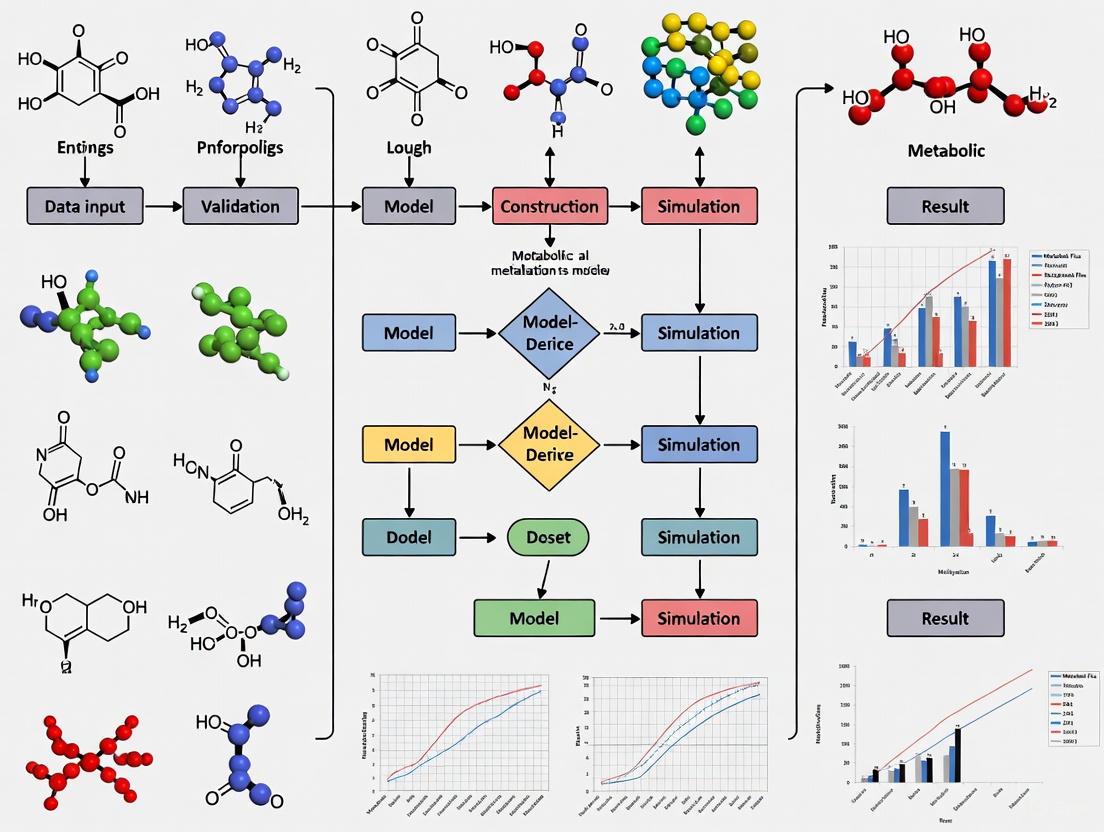
This article explores the critical role of 13C Metabolic Flux Analysis (13C-MFA) in validating and refining metabolic models for biomedical research.
Validating Metabolic Models: How 13C Metabolic Flux Analysis Transforms Systems Biology and Drug Development
Abstract
This article explores the critical role of 13C Metabolic Flux Analysis (13C-MFA) in validating and refining metabolic models for biomedical research. Targeting researchers and drug development professionals, we detail how 13C-MFA moves beyond theoretical predictions to provide quantitative, empirical maps of intracellular fluxes. The content covers foundational principles, methodological workflows for different biological systems, advanced strategies for model selection and troubleshooting, and comparative analyses for physiological discovery. By synthesizing recent methodological advances and concrete applications in areas from cancer biology to biopharmaceutical production, this review serves as a comprehensive guide for employing 13C-MFA to achieve rigorously validated, predictive metabolic models that can accelerate therapeutic development.
The Foundational Role of 13C-MFA in Metabolic Model Validation
Metabolic fluxes represent the in vivo conversion rates of metabolites, encompassing enzymatic reaction rates and transport rates between different cellular compartments [1]. Quantifying these fluxes is crucial for understanding how cells adapt to environmental changes, allocate resources for growth and maintenance, and how metabolism is rewired in diseases such as cancer and diabetes [1] [2]. 13C-Metabolic Flux Analysis (13C-MFA) has emerged as the gold standard technique for quantifying intracellular metabolic pathway activities in living cells [2] [3].
13C-MFA utilizes stable isotope tracers, typically with 13C, to track the fate of atoms through metabolic networks. When a labeled substrate (e.g., [1,2-13C]glucose) is metabolized by cells, enzymatic reactions create specific labeling patterns in downstream metabolites. These patterns are measured with analytical techniques like mass spectrometry (MS) or nuclear magnetic resonance (NMR) spectroscopy. Because different metabolic pathways produce distinct isotopic labeling signatures, the measured labeling data can be used to infer the in vivo fluxes [1] [2]. However, due to the complexity of metabolic networks, intuitive interpretation of labeling data is rarely possible; instead, computational model-based analysis is required to convert the isotopic labeling data into a quantitative flux map [2].
Table 1: Categories of 13C-Based Metabolic Fluxomics Methods
| Method Type | Applicable Scene | Computational Complexity | Key Limitation |
|---|---|---|---|
| Qualitative Fluxomics | Any system | Easy | Provides only local and qualitative information |
| Metabolic Flux Ratios | Systems with constant flux, metabolites, and labeling | Medium | Provides only local and relative quantitative values |
| Kinetic Flux Profiling | Systems with constant flux and metabolites, but variable labeling | Medium | Provides only local and relative quantitative values |
| Stationary State MFA | Systems where flux, metabolites, and their labeling are constant | Medium | Not applicable to dynamic systems |
| Isotopically Instationary MFA | Systems where flux and metabolites are constant but labeling is variable | High | Not applicable to metabolically dynamic systems |
Core Principles and Workflow of 13C-MFA
The primary objective of 13C-MFA is to generate a quantitative map of cellular metabolism by assigning flux values to all reactions in a defined network model, along with confidence intervals for each estimated flux [2]. At its core, 13C-MFA is formulated as a least-squares parameter estimation problem. The fluxes are unknown model parameters estimated by minimizing the difference between the measured labeling data and the labeling patterns simulated by the model, subject to stoichiometric constraints derived from mass balances for intracellular metabolites [2].
The general workflow can be formalized as an optimization problem [1]:
argmin:(x-xM)Σε(x-xM)T
subject to:
S·v = 0 (Mass balance constraints)
M·v ≥ b (Additional physiological constraints)
Here, v is the vector of metabolic fluxes, S is the stoichiometric matrix, x is the vector of simulated isotope-labeled molecules, and xM is the corresponding experimental measurement vector [1].
The following diagram illustrates the key stages of the 13C-MFA workflow, from experimental design to flux estimation and validation.
Experimental Inputs for 13C-MFA
Performing a 13C-MFA study requires three critical experimental inputs [2]:
External Flux Rates: These quantify the exchange of metabolites between the cells and their environment, including nutrient uptake (e.g., glucose, glutamine), product secretion (e.g., lactate, ammonium), and biomass growth rates. For exponentially growing cells, the growth rate (µ) is determined from cell counts, and external rates (rᵢ) are calculated using the formula:
r_i = 1000 · (µ · V · ΔC_i) / ΔN_xwhere V is culture volume, ΔCᵢ is metabolite concentration change, and ΔNₓ is the change in cell number [2].Isotopic Labeling Data: Cells are fed a specifically chosen 13C-labeled substrate. After a period of metabolism, metabolites are extracted, and their mass isotopomer distributions (MIDs) are measured using techniques like GC-MS or LC-MS [1] [2]. The MID describes the fractional abundance of a metabolite with a specific number of 13C atoms.
Metabolic Network Model: A stoichiometric model of the central carbon metabolism is constructed, including atom mappings that describe how carbon atoms are rearranged in each reaction [4].
Model Validation and Selection in 13C-MFA
A critical, yet often underappreciated, step in 13C-MFA is model validation and selection [4]. The reliability of estimated fluxes depends entirely on using a statistically justified model. The process involves deciding which reactions, pathways, and compartments to include in the metabolic network model [3].
Validation Techniques
Validation ensures the model is an accurate representation of the real metabolic system. Common strategies include [4]:
- Goodness-of-fit Test (χ²-test): This is the most widely used quantitative validation method. It evaluates whether the differences between the model-simulated MIDs and the experimentally measured MIDs are statistically significant, given the estimated measurement errors [4] [3].
- Independent Validation Data: A more robust approach involves using a model, parameterized on one set of data ("training data"), to predict a completely independent set of labeling data from a different tracer experiment ("validation data"). The model that demonstrates the best predictive performance for the unseen data is selected [3].
- Flux Uncertainty Analysis: Estimating confidence intervals for the fitted fluxes is essential. This is typically done using Monte Carlo sampling or parameter bootstrap methods to quantify the reliability of the flux estimates [4].
Advanced Model Selection Frameworks
Traditional model selection that relies solely on the χ²-test can be problematic, especially when measurement errors are uncertain, as this can lead to selecting overly complex (overfitting) or overly simple (underfitting) models [3].
- Validation-Based Model Selection: This method is robust to uncertainties in measurement error estimates. By using independent validation data for selection, it consistently identifies the correct model structure even when error magnitudes are not precisely known [3].
- Bayesian Model Averaging (BMA): This emerging framework unifies data and model selection uncertainty. Instead of relying on a single "best" model, BMA performs flux inference by averaging over multiple competing models, weighted by their statistical support. This "multi-model inference" is more robust and resembles a "tempered Ockham's razor," balancing model fit and complexity [5].
Table 2: Comparison of Model Validation and Selection Methods
| Method | Principle | Advantages | Limitations |
|---|---|---|---|
| χ²-test of Goodness-of-fit | Tests if the difference between model simulations and data is statistically significant. | Widely used and implemented in most MFA software. | Sensitive to inaccurate measurement error estimates; can promote overfitting. |
| Validation-Based Selection | Selects the model that best predicts an independent dataset. | Robust to uncertainties in measurement errors; reduces overfitting. | Requires conducting additional, independent labeling experiments. |
| Bayesian Model Averaging | Averages flux estimates from multiple models, weighted by their evidence. | Naturally handles model uncertainty; more robust flux estimates. | Computationally intensive; less familiar to many researchers. |
The Scientist's Toolkit: Essential Reagents and Software
Successfully conducting a 13C-MFA study requires a combination of specialized reagents, analytical instrumentation, and software tools.
Table 3: Research Reagent Solutions and Essential Materials for 13C-MFA
| Item Category | Specific Examples | Function / Application |
|---|---|---|
| 13C-Labeled Tracers | [1,2-13C₂] Glucose, [U-13C] Glucose, [U-13C] Glutamine | Serve as the metabolic probes; different tracers are optimal for resolving specific pathways [6]. |
| Analytical Instrumentation | GC-MS, LC-MS (Q-TOF), NMR | Measures the Mass Isotopomer Distribution (MID) of intracellular metabolites [1] [7]. |
| Software for 13C-MFA | INCA, Metran, 13C-FLUX2 | Provides the computational framework for model construction, flux simulation, fitting, and statistical validation [2] [8] [6]. |
| Cell Culture Consumables | Bioreactors, Multi-well Plates | Provides a controlled environment for performing the labeling experiments with cells. |
Optimal Experimental Design
The choice of tracer significantly impacts the precision of estimated fluxes. Optimal Experimental Design (OED) uses computational methods to identify the most informative and cost-effective tracer mixtures before the experiment is conducted [6]. For example, multi-objective OED can find a compromise between high information content (e.g., using expensive tracers like 1,2-13C₂ glucose) and experimental cost. Studies have shown that for cancer cell lines, a mixture of 1,2-13C₂ glucose and uniformly labeled glutamine is often highly effective [6].
13C-MFA is a powerful technique that provides an unmatched, quantitative view of intracellular metabolic activity. Its rigorous application, however, depends on more than just accurate measurements; it requires careful model validation and selection to ensure that the inferred fluxes are reliable. While the traditional χ²-test remains a cornerstone, newer approaches like validation-based selection and Bayesian Model Averaging offer enhanced robustness against overfitting and model uncertainty. As the field continues to evolve, the adoption of these rigorous validation practices, coupled with optimal experimental design, will be paramount for advancing our understanding of metabolism in health, disease, and biotechnology.
Constraint-based metabolic models, including those used in Flux Balance Analysis (FBA), provide powerful computational frameworks for predicting cellular physiology from genomic information and biochemical principles. These models simulate metabolic network behavior by applying constraints based on stoichiometry, thermodynamics, and enzyme capacities. However, a significant challenge persists: validation of internal flux predictions remains underappreciated and underexplored in the field [9]. While FBA can generate testable hypotheses about metabolic function, its predictions rely heavily on assumptions about cellular objectives, such as the maximization of biomass or production of specific metabolites. Without experimental validation, these predictions remain theoretical, creating a critical gap between computational models and biological reality.
This validation gap is particularly problematic in biomedical and biotechnological applications. In metabolic engineering, for instance, strain development efforts guided solely by FBA predictions may fail to achieve desired production yields due to unaccounted-for regulatory mechanisms or incorrect objective function assumptions [9]. Similarly, in biomedical research, understanding metabolic rewiring in cancer cells requires accurate quantification of pathway activities rather than mere prediction [2]. The transition from stoichiometric models to empirically validated flux maps represents a fundamental step toward increasing the predictive power and utility of metabolic modeling in both basic and applied research.
13C-Metabolic Flux Analysis (13C-MFA) has emerged as the gold standard technique for bridging this validation gap [10]. By leveraging stable isotope tracing and computational analysis, 13C-MFA provides a rigorous experimental approach for quantifying in vivo metabolic reaction rates (fluxes) in living cells. This technical guide examines the role of 13C-MFA in metabolic model validation, detailing methodologies, applications, and implementation frameworks for researchers seeking to validate their constraint-based models.
13C-MFA as a Validation Tool: Core Principles and Methodologies
Fundamental Principles of 13C-MFA
13C-Metabolic Flux Analysis is a powerful methodology that enables quantitative mapping of carbon flow through metabolic networks. The technique is founded on a simple but powerful principle: when cells are fed with 13C-labeled substrates, the label becomes distributed through metabolic pathways in patterns that are uniquely determined by the active fluxes within the network [10] [2]. By measuring these labeling patterns with analytical techniques such as mass spectrometry and applying computational modeling, one can infer the in vivo metabolic fluxes that best explain the experimental data.
The core strength of 13C-MFA in model validation lies in its ability to provide empirical constraints for testing and refining computational predictions. Unlike FBA, which predicts fluxes based on assumed cellular objectives, 13C-MFA measures the actual metabolic phenotype that emerges from the complex interplay of gene expression, regulation, and environmental conditions [9]. This makes it particularly valuable for validating predictions in non-model organisms or engineered strains where cellular objectives may not follow standard assumptions.
A key advantage of 13C-MFA over simple metabolite measurements is its capacity to resolve parallel pathway activities and reversible reactions that would otherwise be indistinguishable. For example, 13C-MFA can simultaneously quantify fluxes through glycolysis, pentose phosphate pathway, and TCA cycle, while also estimating the reversibility of specific reactions [5] [2]. This comprehensive flux mapping provides a rich dataset for comparing against FBA predictions and identifying discrepancies that may point to missing regulatory constraints or incorrect network topology in the stoichiometric model.
Technical Workflow for Model Validation
The standard 13C-MFA workflow for model validation involves multiple interconnected steps that must be carefully executed to ensure reliable results. The diagram below illustrates the key stages in this process and their relationships:
Figure 1: 13C-MFA Workflow for Model Validation
Experimental Design and Tracer Selection
The validation process begins with careful experimental design, with tracer selection being particularly critical. The choice of 13C-labeled substrate significantly influences the information content of the resulting data and its utility for validating specific pathway predictions [11] [12]. For central carbon metabolism validation, commonly used tracers include:
- [1,2-13C]glucose: Provides excellent resolution for glycolytic and pentose phosphate pathway fluxes
- [U-13C]glucose: Uniformly labeled glucose useful for comprehensive flux mapping
- Tracer mixtures: Specific combinations (e.g., 80% [1-13C] and 20% [U-13C] glucose) can enhance flux resolution [13]
Optimal tracer design should consider both information content and experimental costs. Multi-objective optimization approaches have been developed that balance these factors, identifying cost-effective tracer strategies that maintain high statistical power for flux resolution [6]. For mammalian systems, parallel labeling experiments using both 13C-glucose and 13C-glutamine tracers may be necessary to fully resolve compartmentalized metabolism [2] [12].
Cultivation and Sampling
For validation studies, cells are cultivated in strictly controlled conditions using minimal media with the selected 13C-labeled substrate as the sole carbon source. Metabolic and isotopic steady-state must be achieved before sampling, typically requiring cultivation for at least five residence times at constant temperature [10]. Both batch and chemostat cultures can be used, with chemostats providing better steady-state control but requiring more complex operation.
During cultivation, external rate measurements are critical for providing additional constraints for flux estimation. These include:
- Substrate uptake rates (e.g., glucose, glutamine)
- Product secretion rates (e.g., lactate, CO2)
- Biomass growth rate and composition [2]
These external fluxes serve as boundary conditions that constrain the solution space for intracellular flux estimation and provide direct points of comparison with FBA predictions.
Analytical Measurements and Flux Estimation
The measurement of isotopic labeling represents a crucial technical step in the validation workflow. Mass spectrometry techniques, particularly GC-MS and LC-MS/MS, are most commonly used due to their high sensitivity and precision [10] [2]. The measured mass isotopomer distributions (MIDs) of intracellular metabolites or proteinogenic amino acids provide the dataset against which flux predictions will be validated.
Computational flux estimation involves solving an inverse problem where fluxes are adjusted to find the best fit between simulated and measured labeling patterns. This is typically formulated as a nonlinear regression problem [14]:
[ \min \sum (x{measured} - x{simulated})^T \Sigma{\varepsilon}^{-1} (x{measured} - x_{simulated}) ]
where (x) represents the measured labeling data and (\Sigma_{\varepsilon}) is the covariance matrix of measurement errors. The Elementary Metabolite Unit (EMU) framework has become the standard computational approach for efficient simulation of isotopic labeling in large metabolic networks [13] [14].
Statistical Validation and Model Selection
The final step involves statistical assessment of how well the estimated fluxes align with model predictions. The χ2-test of goodness-of-fit is widely used to evaluate whether differences between measured and simulated labeling data are statistically significant [9]. Additionally, flux confidence intervals are calculated using statistical techniques such as Monte Carlo sampling or sensitivity analysis to quantify the precision of flux estimates [10].
When multiple model architectures are being evaluated, model selection criteria can be applied to identify which stoichiometric model best explains the empirical flux data. Bayesian approaches, including Bayesian Model Averaging, are increasingly being used for this purpose as they naturally account for model uncertainty [5].
Implementation Framework: Tools and Reagents
The Scientist's Toolkit: Essential Research Reagents and Software
Successful implementation of 13C-MFA for model validation requires specific reagents, analytical tools, and computational resources. The table below summarizes key components of the experimental toolkit:
Table 1: Research Reagent Solutions for 13C-MFA Validation Studies
| Category | Specific Items | Function/Role in Validation | Examples/Notes |
|---|---|---|---|
| Labeled Substrates | [1,2-13C]glucose, [U-13C]glucose, 13C-glutamine | Introduce measurable isotopic patterns for flux quantification | Cost ranges from $100-600/g; selection depends on pathways of interest [10] [6] |
| Analytical Instruments | GC-MS, LC-MS/MS, NMR | Measure isotopic labeling patterns in metabolites | GC-MS most common for amino acids; LC-MS for unstable metabolites [10] [2] |
| Software Platforms | 13CFLUX2, Metran, INCA, OpenFLUX2 | Perform flux estimation and statistical analysis | Implement EMU framework for efficient computation [13] [5] |
| Culture Systems | Bioreactors, chemostats, controlled environment incubators | Maintain metabolic and isotopic steady-state | Essential for obtaining reliable labeling data [10] |
| Chemical Derivatization Reagents | TBDMS, BSTFA | Render metabolites volatile for GC-MS analysis | Standard for amino acid analysis [13] |
Computational Tools for Flux Estimation and Validation
Several software platforms have been developed specifically for 13C-MFA, each with particular strengths for validation studies:
13CFLUX2 utilizes the EMU framework and is particularly suited for large-scale metabolic networks. It provides capabilities for comprehensive statistical evaluation of flux estimates, including confidence interval calculation and goodness-of-fit testing [13] [11].
Metran implements the EMU framework in MATLAB and offers user-friendly interfaces for flux estimation. It includes tools for statistical validation and is widely used in both microbial and mammalian systems [13] [2].
INCA (Isotopomer Network Compartmental Analysis) provides capabilities for both steady-state and instationary 13C-MFA, making it particularly valuable for validating models of compartmentalized metabolism in eukaryotic cells [13] [14].
These platforms enable researchers to compare empirical flux maps with FBA predictions, identify statistically significant discrepancies, and iteratively refine their stoichiometric models.
Applications and Case Studies in Model Validation
Validating Engineered Metabolic Pathways
13C-MFA has proven particularly valuable for validating metabolic models of engineered production strains. A compelling case study involves the validation of a malic acid overproduction strain of Myceliophthora thermophila [15]. In this application, 13C-MFA revealed that the high-production strain JG207 exhibited elevated flux through the EMP pathway and reductive TCA cycle, along with reduced oxidative phosphorylation flux compared to wild-type predictions. These empirical findings validated the intended metabolic engineering strategy while also identifying unexpected pathway activations that would have been missed by FBA alone.
The flux validation study further led to practical interventions: based on the 13C-MFA results, researchers implemented oxygen-limited cultivation and targeted gene knockouts of nicotinamide nucleotide transhydrogenase (NNT) to increase cytoplasmic NADH availability. Both strategies successfully enhanced malic acid production, demonstrating how empirical flux validation can directly inform strain optimization efforts [15].
Resolving Cancer Metabolism
In biomedical research, 13C-MFA has become indispensable for validating metabolic models of cancer cells. While stoichiometric models might predict certain pathway utilization based on transcriptomic or proteomic data, 13C-MFA provides empirical confirmation of actual flux distributions [2]. For example, 13C-MFA studies have validated the occurrence of reductive glutamine metabolism in specific cancer types, a counterintuitive pathway that would be difficult to predict from network structure alone.
The ability to resolve compartment-specific metabolism is particularly valuable in eukaryotic systems where parallel pathways may operate in different cellular compartments. For instance, 13C-MFA has been used to validate models of mitochondrial versus cytosolic metabolism, revealing compartment-specific TCA cycle activities that deviate from standard model predictions [2] [12].
Characterising Non-Model Organisms
For non-model organisms with incomplete genome annotation, 13C-MFA provides a critical tool for validating and refining draft metabolic models. By comparing empirical flux maps with FBA predictions, researchers can identify missing reactions, incorrect gene annotations, or inactive pathways in computational models [9] [15]. This iterative process of model validation and refinement is essential for developing high-quality metabolic models of emerging industrial or biomedical interest.
Advanced Methodologies and Future Directions
Bayesian Approaches for Enhanced Validation
Recent methodological advances are expanding the capabilities of 13C-MFA for model validation. Bayesian 13C-MFA approaches are gaining prominence as they provide a natural framework for quantifying uncertainty in both flux estimates and model selection [5]. Unlike conventional best-fit approaches that identify a single flux solution, Bayesian methods characterize the complete probability distribution of possible flux maps given the experimental data.
This probabilistic framework is particularly valuable for validation studies because it enables multi-model inference through Bayesian Model Averaging (BMA). Rather than selecting a single "best" model, BMA computes flux estimates weighted by the evidence for each candidate model, providing more robust validation when multiple stoichiometric models are consistent with the data [5].
Robust Experimental Design Strategies
A significant challenge in validation studies arises when prior knowledge of flux distributions is limited, creating a "chicken-and-egg" problem for experimental design. Robustified Experimental Design (R-ED) approaches address this challenge by identifying tracer strategies that remain informative across a wide range of possible flux distributions [11].
Instead of optimizing tracer design for a single assumed flux map, R-ED uses flux space sampling to compute design criteria across all possible fluxes. This approach generates tracer designs that are immunized against uncertainty in initial flux estimates, ensuring that validation experiments remain informative even when stoichiometric model predictions are inaccurate [11].
Integration with Multi-Omics Data
The future of model validation lies in integrating 13C-MFA with other omics technologies. Multi-omics integration enables validation of multi-scale models that incorporate not only metabolic reactions but also regulatory constraints from transcriptomic, proteomic, and metabolomic data [9] [2].
13C-MFA provides the critical functional layer in these integrated models, validating whether predicted enzyme usage patterns (from proteomics) and regulatory states (from transcriptomics) actually translate into the observed metabolic flux phenotypes. This comprehensive validation approach moves beyond network stoichiometry to include the regulatory mechanisms that govern flux control in living cells.
Experimental validation of stoichiometric models through 13C-MFA represents a critical step in advancing metabolic modeling from theoretical prediction to biological insight. The methodologies and frameworks outlined in this guide provide researchers with a comprehensive toolkit for rigorous flux validation across diverse biological systems.
As 13C-MFA technologies continue to evolve—with advances in Bayesian statistics, robust experimental design, and multi-omics integration—the capacity to validate and refine metabolic models will further improve. By embracing these empirical validation approaches, researchers can enhance the predictive power of metabolic models, accelerating progress in metabolic engineering, biomedical research, and systems biology.
The integration of computational prediction with experimental validation represents the foundation of robust metabolic research. As the field moves toward increasingly complex models and applications, 13C-MFA will continue to provide the essential empirical foundation that bridges the gap between stoichiometric models and biological reality.
13C Metabolic Flux Analysis (13C-MFA) has emerged as the gold-standard technique for quantifying intracellular metabolic reaction rates (fluxes) in living organisms. This in-depth technical guide elucidates the core principles of using 13C-labeled tracers to decipher in vivo pathway activities, framing the discussion within the critical context of metabolic model validation. By detailing the workflow from tracer experiment design to computational flux estimation and subsequent model validation, this review provides researchers and drug development professionals with a foundational understanding of how 13C-MFA generates validated, quantitative metabolic maps. These maps are indispensable for uncovering metabolic rewiring in diseases like cancer and for identifying potential therapeutic targets.
Cellular metabolism is a complex network of biochemical reactions that provides energy, redox equivalents, and biosynthetic precursors for cell growth and function. Metabolic fluxes represent the integrated functional phenotype of this network, reflecting the activities of enzymes and pathways under specific physiological conditions [4] [2]. 13C Metabolic Flux Analysis (13C-MFA) is a powerful constraint-based modeling framework that has become the preferred method for quantifying these in vivo reaction rates in both microbial and mammalian systems [2] [5].
The fundamental principle of 13C-MFA is to use stable isotope labeling, most commonly with 13C, to trace the fate of individual carbon atoms from substrates into metabolic products. When cells are fed a 13C-labeled nutrient (e.g., [U-13C]-glucose), enzymatic reactions rearrange the carbon atoms, generating unique labeling patterns in downstream metabolites. These patterns serve as a fingerprint for the activity of the metabolic pathways that produced them [16] [2]. 13C-MFA operates on the assumption of metabolic steady state, meaning intracellular metabolite levels and metabolic fluxes are constant during the experiment. This allows for the interpretation of isotopic labeling without the complication of changing metabolite pool sizes [16] [4].
Within metabolic model validation research, 13C-MFA plays a pivotal role. It uses experimental data—primarily mass isotopomer distributions (MIDs)—to estimate fluxes and statistically evaluate the metabolic network model's validity. This process tests whether the proposed model structure and the estimated fluxes can accurately explain the experimental observations, thereby providing a validated and quantitative picture of cellular metabolism [4] [3].
The Biochemical and Analytical Foundation
Key Concepts and Definitions
A clear understanding of the following terms is essential for interpreting 13C-MFA studies:
- Isotopologues: Molecules that differ only in their isotopic enrichment. For a metabolite with n carbon atoms, isotopologues range from M+0 (all carbons are 12C) to M+n (all carbons are 13C) [16].
- Mass Isotopomer Distribution (MID): Also called the Mass Distribution Vector (MDV), this is a vector representing the fractional abundance of each mass isotopologue (M+0, M+1, ..., M+n) for a given metabolite. The sum of all fractions is 1 or 100% [16] [3].
- Isotopomers (Positional Isomers): Molecules that share the same number of 13C atoms but differ in the positional arrangement of those atoms within the molecule. Resolving isotopomers typically requires techniques like nuclear magnetic resonance (NMR) or tandem mass spectrometry (MS/MS) [16] [17].
- Metabolic Steady State: A condition where intracellular metabolite concentrations and metabolic fluxes are constant over time [16] [4].
- Isotopic Steady State: The point at which the 13C enrichment in a metabolite's pool no longer changes over time, relative to experimental error. The time to reach isotopic steady state varies significantly between metabolites and depends on pool sizes and flux rates [16] [2].
The Critical Role of Tracer Selection
The choice of the 13C-labeled substrate is arguably the most critical experimental design decision, as it directly determines which pathways can be observed and with what precision [17] [18]. An optimal tracer generates distinct labeling patterns for different flux maps, thereby maximizing the information content of the experiment.
- Design Principles: The observability of fluxes depends on the number of independent elementary metabolite unit (EMU) basis vectors generated by the tracer. Maximizing these independent vectors improves the system's observability [17].
- Common Tracers and Applications: Table 1 summarizes frequently used tracers and the pathway activities they are designed to probe.
- Parallel Labeling Experiments: A state-of-the-art approach involves conducting multiple tracer experiments in parallel and simultaneously analyzing the combined labeling data. This strategy leverages the complementary strengths of different tracers, significantly improving flux precision and coverage. For example, the combination of [1,6-13C]glucose and [1,2-13C]glucose has been identified as particularly powerful [4] [18].
Table 1: Common 13C-Labeled Tracers and Their Applications in MFA
| Tracer | Primary Pathway Insights | Key Labeling Patterns |
|---|---|---|
| [1,2-13C]Glucose | Glycolysis, Pentose Phosphate Pathway (PPP), TCA Cycle | Resolves glycolysis vs. PPP flux based on labeling in pyruvate/lactate and TCA intermediates [18]. |
| [U-13C]Glucose | Overall network activity, Glycolysis, TCA Cycle | Produces M+2 lactate, M+2 pyruvate, and a range of labeled TCA cycle intermediates (e.g., citrate M+2, M+4) [2] [19]. |
| [1-13C]Glucose | PPP Flux, Glycolytic Flux | Loss of label as CO2 in the oxidative PPP provides a measure of PPP activity [18]. |
| [U-13C]Glutamine | Glutaminolysis, TCA Cycle, Reductive Carboxylation | Canonical oxidative metabolism produces citrate M+4; reductive carboxylation produces citrate M+5 [2] [19]. |
Essential Analytical Workflow: From Sample to Data
The process of transforming a biological sample into usable MID data involves several key steps, with mass spectrometry (MS) as the core analytical technology.
- Quenching and Metabolite Extraction: Cellular metabolism is rapidly halted (quenched) using cold solvents, and intracellular metabolites are extracted.
- Metabolite Separation: Metabolites are typically separated using liquid chromatography (LC) or gas chromatography (GC) prior to MS analysis to reduce complexity and ion suppression.
- Mass Spectrometry Analysis: The separated metabolites are ionized, and their mass-to-charge ratios (m/z) are measured. This allows for the quantification of the different mass isotopologues (the MID) for each metabolite.
- Data Correction - Natural Abundance: The raw MID data must be corrected for the presence of naturally occurring stable isotopes (e.g., 13C at ~1.07%, 18O, etc.). This is a critical step to isolate the labeling signal originating purely from the tracer. Failure to correct properly leads to significant inaccuracies [16] [19]. Algorithms and software packages like IsoCorrectoR are used for this purpose [19].
Diagram 1: Analytical workflow from tracer experiment to corrected mass isotopomer distribution (MID) data.
Computational Flux Estimation and Model Validation
The Parameter Estimation Problem
13C-MFA is formulated as a least-squares parameter estimation problem. The core objective is to find the set of metabolic fluxes (model parameters) that minimizes the difference between the experimentally measured MID data and the MID data simulated by the model [2] [5].
This process relies on a stoichiometric metabolic network model that defines all relevant reactions, their atom transitions (i.e., how carbon atoms are rearranged in each reaction), and mass balances. The elementary metabolite unit (EMU) framework is a key computational innovation that decomposes the network into minimal substructures, allowing for efficient simulation of isotopic labeling without the need for complex and slow isotopomer models [2] [17].
The optimization problem can be stated as: [ \min \sum (MID{measured} - MID{simulated})^2 / \sigma^2 ] where (\sigma^2) represents the measurement variance. The solution to this problem is a flux map that best fits the experimental data [2] [3].
Model Validation and Selection: The Path to Reliability
Once a flux map is estimated, the next critical step is to validate the model itself. This process assesses whether the model is statistically acceptable and helps choose the most plausible model from several candidates.
- The χ2-Test of Goodness-of-Fit: This is the most widely used quantitative validation method. It tests the null hypothesis that the differences between the measured and simulated data are due to random measurement error. A model that passes the χ2-test (i.e., the sum of squared residuals is sufficiently low) is considered statistically acceptable [4] [3].
- Limitations of the χ2-Test: This test has notable limitations. Its correctness depends on accurately knowing the number of identifiable parameters and the true measurement errors. In practice, measurement errors are often underestimated (e.g., due to instrument bias or small deviations from steady state), which can lead to the rejection of otherwise valid models [3].
- Validation-Based Model Selection: A more robust approach involves using independent validation data. In this paradigm, a model is trained on one dataset and then used to predict the MID data from a separate tracer experiment. The model that demonstrates the best predictive performance for the unseen validation data is selected. This method has been shown to be more robust to errors in measurement uncertainty estimates [3].
- Bayesian 13C-MFA: An emerging paradigm is Bayesian flux analysis, which treats fluxes as probability distributions rather than fixed values. A key advantage is Bayesian Model Averaging (BMA), which allows for multi-model inference. Instead of selecting a single "best" model, BMA averages flux estimates across all candidate models, weighted by their probability. This makes flux inference more robust to model selection uncertainty [5].
Table 2: Key Techniques for Model Validation and Selection in 13C-MFA
| Technique | Core Principle | Advantages | Challenges |
|---|---|---|---|
| χ2-Test of Goodness-of-Fit | Evaluates if the difference between model simulation and data is statistically significant. | Widely used, computationally straightforward, integrated into most MFA software. | Sensitive to inaccurate measurement error estimates; can lead to overfitting if used iteratively without independent data [4] [3]. |
| Validation with Independent Data | Assesses the model's ability to predict labeling data from a different tracer experiment. | Reduces overfitting; more robust to uncertainties in error estimates. | Requires additional experimental effort to generate a second, distinct dataset [3]. |
| Bayesian Model Averaging (BMA) | Averages flux estimates across multiple candidate models, weighted by their evidence. | Quantifies and incorporates model uncertainty; robust to model selection bias; acts as a "tempered Ockham's razor." | Computationally intensive; requires familiarity with Bayesian statistics [5]. |
Diagram 2: Model validation and selection workflow, showing the standard χ2-test path and more advanced methods using independent validation data and Bayesian Model Averaging.
Advanced Considerations and In Vivo Complexity
The Scientist's Toolkit: Essential Reagents and Software
Table 3: Key Research Reagent Solutions and Computational Tools for 13C-MFA
| Item / Reagent | Function / Application |
|---|---|
| [1,2-13C]Glucose | Optimal tracer for resolving parallel pathway activities (e.g., glycolysis vs. pentose phosphate pathway) in central carbon metabolism [18]. |
| [U-13C]Glutamine | Essential tracer for probing glutaminolysis, TCA cycle anaplerosis, and reductive carboxylation flux [2] [19]. |
| Dialyzed Fetal Bovine Serum (FBS) | Used in cell culture media during tracer experiments to remove unlabeled nutrients (e.g., glucose, glutamine) that would dilute the 13C label and compromise data quality [19]. |
| IsoCorrectoR | Software package (R/Bioconductor) for accurate post-processing of MS data, including critical natural abundance correction of mass isotopomer distributions [19]. |
| INCA / Metran | User-friendly software platforms that implement the EMU framework for efficient simulation of isotopic labeling and estimation of metabolic fluxes via 13C-MFA [2] [17]. |
Unique Challenges of In Vivo 13C-MFA
Interpreting 13C labeling data from whole organisms (in vivo) presents additional layers of complexity not typically encountered in cell culture (in vitro).
- Recycling of Endogenous CO2: A key finding from in vivo studies is the extensive recycling of 13C-labeled CO2. When [U-13C]-glucose or [U-13C]-glutamine is oxidized in the TCA cycle, 13CO2 is released. This 13CO2 can then be re-fixed by enzymes like pyruvate carboxylase or incorporated into other CO2-consuming reactions (e.g., purine synthesis), leading to the generation of M+1 isotopologues. In vitro, this effect is minimal due to the large, unlabeled CO2/HCO3- pool in buffered media. In vivo, however, the incorporation of endogenous 13CO2 is substantial and must be considered to avoid misinterpretation of labeling patterns [19].
- Compartmentation and Nutrient Scavenging: Tissues and organs exist in a complex microenvironment where cells have access to multiple, simultaneously available nutrient sources (e.g., glucose, lactate, ketone bodies, fatty acids). Different cell types within a tissue may also utilize nutrients in specialized ways. This compartmentation and nutrient scavenging can create complex labeling patterns that are an average of multiple metabolic states, making the deconvolution of cell-specific fluxes challenging.
13C-labeled tracers provide an unparalleled window into the operational state of metabolic networks in living systems. The core principle rests on tracing the fate of carbon atoms to generate measurable labeling patterns that encode information on pathway activities. Through a rigorous workflow involving careful tracer selection, precise analytical measurement, and computational flux estimation grounded in model validation, 13C-MFA transforms these patterns into quantitative flux maps.
The field continues to evolve, with advances in parallel labeling experiments, validation-based model selection, and Bayesian methods pushing the boundaries of flux precision and reliability. Furthermore, a deeper appreciation of in vivo complexities, such as CO2 recycling, is leading to more accurate interpretations of metabolic activity in physiological and disease contexts. As these tools and understandings mature, 13C-MFA will remain a cornerstone technique for validating metabolic models and deciphering the functional state of metabolism in health, disease, and therapeutic intervention.
The pursuit of accurate, quantitative measurements of metabolic activity within living systems represents a central challenge in modern biology, with profound implications for understanding cellular differentiation, disease mechanisms, and therapeutic development. Model-based 13C Metabolic Flux Analysis (MFA) has emerged as the gold standard method for estimating in vivo metabolic reaction rates, or fluxes, in complex biological networks [20] [3]. This technique infers fluxes indirectly by combining precise mass spectrometry measurements of mass isotopomer distributions (MIDs) with sophisticated computational modeling. However, the reliability of these flux estimates critically depends on the selection of an appropriate mathematical model of the underlying metabolic network. An erroneous model structure will produce misleading flux estimates, regardless of data quality or analytical sophistication.
This technical guide details a comprehensive validation workflow that integrates advanced isotope labeling, mass spectrometry, and computational modeling to address this fundamental challenge. Framed within the broader context of metabolic model validation research, we present a systematic approach where each component—experimental design, data acquisition, and computational analysis—is co-optimized to create a rigorous, closed-loop framework. The protocols and tools described herein are designed to enable researchers to move beyond informal model selection and toward a principled, validation-driven workflow that ensures the biological insights derived from 13C MFA are both robust and reproducible.
Foundational Principles of 13C Metabolic Flux Analysis
Core Concepts and Workflow
13C-MFA functions on the principle of tracing stable isotope atoms (e.g., 13C) from labeled substrates through the metabolic network. Cells are fed a labeled substrate, and the resulting incorporation of heavy isotopes into intracellular metabolites is measured using mass spectrometry [3]. The core workflow involves several integrated stages:
- Experimental Design: Selecting an appropriate 13C-labeled tracer (e.g., [U-13C]-glucose), defining the biological system, and ensuring metabolic steady-state.
- Isotope Labeling and Sampling: Culturing cells with the tracer and quenching metabolism at specific time points to extract metabolites.
- Mass Spectrometry Analysis: Measuring the Mass Isotopomer Distribution (MID) for key metabolic intermediates. The MID describes the proportion of a metabolite pool that contains zero, one, two, etc., 13C atoms [3].
- Computational Modeling and Flux Estimation: Constructing a stoichiometric model of the metabolic network and iteratively adjusting flux values until the simulated MIDs best match the experimental data.
- Model Validation: Using independent data and statistical tests to confirm the selected model's predictive capability, a critical step often overlooked in traditional workflows [20].
The Critical Need for Rigorous Model Selection
A pivotal challenge in 13C-MFA is that multiple model structures can sometimes fit the same experimental dataset. Model selection is the process of choosing which compartments, metabolites, and reactions to include in the metabolic network model. Traditional methods often rely on a χ2-test for goodness-of-fit, performed on the same data used to fit the model (estimation data). This approach is vulnerable to overfitting (selecting an overly complex model) or underfitting (selecting an overly simple model), especially when measurement uncertainties are inaccurately estimated [3].
As Sundqvist et al. demonstrate, a validation-based model selection method, which uses an independent dataset not used for model fitting, consistently selects the correct model structure even when measurement uncertainties are poorly characterized [20] [3]. This independence from measurement error makes the validation-based approach more robust, ensuring that the resulting flux maps accurately reflect the underlying biology.
Experimental Methodologies: From Labeling to Data Generation
Isotope Labeling Strategies
The choice of isotope labeling strategy is the first critical experimental decision. These methods can be categorized based on the quantitative ions used and the method of isotopic incorporation.
Table 1: Classification of Isotope Labeling Methods for Mass Spectrometry
| Category | Principle | Multiplexing Capacity | Key Applications |
|---|---|---|---|
| Precursor Ion-Based | Quantification by comparing peak areas of light and heavy peptide precursors in MS1 spectra [21]. | Low to Medium (2-plex to 5-plex) [21] | SILAC for proteomic studies in cell culture [21]. |
| Reporter Ion-Based | Quantification using cleaved reporter ions in MS2 spectra [21]. | High (6-plex to 11-plex) [21] | TMT and iTRAQ for high-throughput proteomic profiling [21]. |
| Mass Defect-Based | Utilizes tiny mass differences (mDa) distinguishable by high-resolution MS [21]. | High (4-plex to 6-plex) [21] | NeuCode labels for complex experimental designs without MS1 complexity [21]. |
| Stable Isotope Probing (SIP) | Uses heavy substrates (13C, 15N) to trace metabolism into peptides/metabolites [22]. | N/A | Tracing metabolic fluxes in microbial communities and complex biological systems [22]. |
Detailed Protocol: 13C-MFA in a Cell Differentiation Model
The following protocol, adapted from a study on erythroid differentiation, provides a concrete example of an integrated 13C-MFA experiment [23].
1. Cell Culture and Differentiation:
- Cell Line: K562 cells (human chronic myeloid leukemia line).
- Culture Conditions: Maintain in RPMI 1640 medium supplemented with 10% fetal bovine serum at 37°C in 5% CO2.
- Differentiation Induction: Treat cells with 1 mM sodium butyrate for four days. Validate differentiation by observing color change (red due to hemoglobin synthesis) and increased population of CD71 and CD235a-positive cells via flow cytometry [23].
2. 13C Tracer Experiment:
- Tracer Substrate: Use [U-13C]-glucose, where all carbon atoms are 13C.
- Labeling Procedure: Replace the standard glucose in the culture medium with the 13C-labeled glucose.
- Sampling: Quench metabolism at a defined time point post-labeling (e.g., during mid-exponential growth) to ensure isotopic steady-state. Rapidly cool the culture and harvest cells by centrifugation.
3. Metabolite Extraction and Analysis:
- Extraction: Use a cold methanol:water solvent system (e.g., 80:20 v/v) to extract intracellular metabolites.
- LC-MS Analysis: Analyze extracts using a high-resolution LC-MS system (e.g., Orbitrap). For central carbon metabolites, employ hydrophilic interaction liquid chromatography (HILIC) coupled to a high-resolution mass spectrometer.
- Data Output: For each metabolite of interest, extract the Mass Isotopomer Distribution (MID), which is the fractional abundance of its different isotopic forms (M+0, M+1, M+2, ... M+n) [23].
The Scientist's Toolkit: Essential Research Reagents
Table 2: Key Reagent Solutions for Isotope Tracing and Proteomics Workflows
| Reagent / Tool | Function | Application Example |
|---|---|---|
| [U-13C]-Glucose | A uniformly labeled carbon source for tracing glycolytic and TCA cycle fluxes. | 13C-MFA in K562 cells to study metabolic shifts during differentiation [23]. |
| SILAC Amino Acids | Stable isotope-labeled amino acids (Lys, Arg) for metabolic labeling of proteins in cell culture. | Quantification of newly synthesized proteins (NSPs) in proteomics [24]. |
| L-Azidohomoalanine (AHA) | A clickable, non-canonical amino acid for bio-orthogonal enrichment of newly synthesized proteins. | Integrated with SILAC in the QuaNPA workflow for NSP enrichment and quantification [24]. |
| Magnetic Alkyne Agarose (MAA) Beads | High-capacity beads for automated, click-chemistry-based enrichment of AHA-labeled proteins. | Semi-automated sample preparation in the QuaNPA workflow [24]. |
| mzTab-M Format | A standardized data format for reporting metabolomics results, facilitating data sharing and deposition. | Evolving standard (v2.1) for reporting small molecule MS results in repositories [25]. |
Computational Modeling and Data Integration
Metabolic Network Reconstruction
The first computational step is reconstructing a stoichiometric model of the metabolic network. This involves defining all relevant reactions, their stoichiometry, and compartmentalization. Tools like MetaDAG can automate this process by querying databases like KEGG to build networks for specific organisms or groups of organisms [26]. MetaDAG generates two useful representations: a detailed reaction graph and a simplified metabolic Directed Acyclic Graph (m-DAG) that collapses strongly connected components into metabolic building blocks, making large networks more interpretable [26].
Flux Estimation and Validation-Based Model Selection
With a network model and experimental MIDs, flux estimation can proceed. This involves solving a complex optimization problem to find the flux values that minimize the difference between simulated and measured MIDs. The critical advancement is the integration of validation-based model selection into this workflow [20] [3].
The following diagram illustrates this integrated computational workflow, highlighting the central role of validation data in model selection.
Specialized Tools for Spectral Analysis and Annotation
For reliable identification of labeled peptides and metabolites, specialized software tools are essential. The Aerith R package is designed specifically for visualizing and annotating isotopic enrichment in mass spectrometry data [22]. Aerith simulates theoretical isotopic envelopes for user-defined peptides or metabolites, accounting for user-specified enrichment levels (e.g., 50% 13C). It then compares these theoretical spectra with observed data, providing robust scoring functions like the Weighted Dot Product (WDP) to confidently identify labeled species, which is crucial for accurate MID determination [22].
Platforms like MetaboAnalyst offer comprehensive analysis suites for metabolomics data, including functional analysis and statistical meta-analysis of untargeted MS peaks, which can complement focused 13C-MFA studies [27].
A Case Study: Metabolic Shift During Erythroid Differentiation
The integrated workflow's power is demonstrated in a study investigating metabolic changes during erythroid differentiation of K562 cells [23]. The application of 13C-MFA before and after differentiation revealed a definitive metabolic reprogramming: differentiated cells exhibited decreased glycolytic flux and a concurrent increase in TCA cycle flux, indicating a shift toward oxidative metabolism [23].
To validate this finding functionally, the researchers inhibited ATP synthase with oligomycin. This treatment significantly suppressed differentiation, providing strong experimental evidence that the activation of oxidative metabolism—identified by the flux analysis—was required for proper differentiation [23]. This case study exemplifies how 13C-MFA, as part of a broader validation workflow, can move beyond correlation to establish a causal link between metabolic rewiring and a cellular phenotype.
The integration of isotope labeling, mass spectrometry, and computational modeling into a cohesive validation workflow represents the current state-of-the-art in metabolic flux research. By adopting validation-based model selection, researchers can overcome a key weakness of traditional 13C-MFA, ensuring that the flux maps they generate are derived from a model proven to have predictive power. The availability of specialized tools for network reconstruction (MetaDAG), spectral annotation (Aerith), and data analysis (MetaboAnalyst) makes this robust workflow accessible to a broad scientific audience.
Future developments will likely focus on increasing the scale and resolution of these analyses. This includes dynamic (non-stationary) flux analysis, integration with other omics layers, and the application to more complex systems such as host-microbe interactions through community modeling [28]. As these methodologies continue to mature, the validated, quantitative insights they provide into in vivo metabolism will remain indispensable for advancing our understanding of biology and developing novel therapeutic strategies.
13C-Metabolic Flux Analysis (13C-MFA) has emerged as a pivotal technology for quantifying intracellular metabolic fluxes in living systems. As a constraint-based modeling framework, 13C-MFA operates at metabolic steady-state, where reaction rates and metabolic intermediate levels remain invariant [9]. This technique uses 13C-labeled substrates to trace metabolic activity, enabling researchers to quantify carbon flux distribution through central metabolic pathways with exceptional accuracy [29]. The validation of metabolic models represents a critical application of 13C-MFA, allowing researchers to test model reliability, compare alternative network architectures, and ultimately enhance confidence in constraint-based modeling predictions [9]. By providing estimated values of in vivo fluxes that cannot be measured directly, 13C-MFA serves as a powerful validation tool in both biological and biotechnological research, bridging the gap between metabolic network structure and actual cellular function.
The fundamental principle of 13C-MFA involves feeding 13C-labeled substrates to biological systems and measuring the resulting isotopic labeling patterns in intracellular metabolites [14]. These labeling patterns serve as fingerprints of metabolic pathway activities, enabling computational algorithms to determine the most probable flux map that fits the experimental data [29]. As metabolic engineering and systems biology increasingly rely on predictive models, 13C-MFA provides an essential empirical foundation for validating these models, identifying limitations in network architecture, and guiding iterative model refinement [9]. This review examines how 13C-MFA applications span from industrial strain improvement to elucidating pathological mechanisms, all while serving as a cornerstone for metabolic model validation.
Fundamental Principles and Methodologies
Core Technical Framework
13C-MFA methodology relies on a structured workflow comprising three principal stages: (1) cell cultivation with 13C-labeled substrates, (2) isotopic analysis of metabolites, and (3) computational flux analysis [29]. During cell cultivation, researchers employ strictly minimal media with specifically chosen 13C-labeled compounds as sole carbon sources. The selection of labeling pattern (e.g., [1-13C] glucose, [U-13C] glucose, or mixtures thereof) significantly impacts the resolution of flux estimates [29]. Both batch and chemostat culture modes can be employed, with the critical requirement that systems reach metabolic and isotopic steady states where metabolite concentrations and isotopic labeling remain constant [29].
Isotopic labeling measurements are typically performed using mass spectrometry techniques, including gas chromatography-mass spectrometry (GC-MS) and liquid chromatography-mass spectrometry (LC-MS), or nuclear magnetic resonance (NMR) spectroscopy [14]. These instruments detect mass isotopomer distributions (MIDs)—the patterns of isotopically variant molecules that reveal how 13C atoms have been rearranged through metabolic pathways [9]. The resulting data undergoes computational analysis using specialized software platforms that simulate labeling patterns and identify flux values that best fit experimental measurements [14].
Computational Flux Analysis
The mathematical foundation of 13C-MFA formalizes flux estimation as an optimization problem where the algorithm varies flux values to minimize differences between measured and simulated isotopic distributions [14]. This process can be represented as:
Where v represents the metabolic flux vector, S is the stoichiometric matrix, M·v ≥ b provides physiological constraints, and the differential equations describe the isotopic labeling model (ILM) for elementary metabolite units (EMUs) [14]. The optimization identifies the flux distribution that best explains the observed isotopic patterns while satisfying stoichiometric and thermodynamic constraints.
Advanced computational tools have been developed to implement these calculations efficiently. Software packages including OpenFLUX2, 13CFLUX2, Metran, INCA, FiatFLUX, and Biomet Toolbox 2.0 incorporate highly efficient mathematical algorithms such as Elementary Metabolite Unit (EMU) to decrease computational load and make 13C-MFA more accessible [29]. Recent Bayesian approaches to 13C-MFA further enhance flux estimation capabilities by unifying data and model selection uncertainty within a coherent statistical framework, enabling multi-model flux inference that is more robust than conventional single-model approaches [5].
Experimental Workflow
The following diagram illustrates the standard 13C-MFA workflow from experimental design to flux validation:
Figure 1: 13C-MFA Workflow from Experiment to Flux Map
Metabolic Engineering Applications
Industrial Microorganism Optimization
13C-MFA has become an indispensable tool in metabolic engineering, enabling rational design of microbial cell factories for biochemical production. By quantifying carbon flux distribution in central metabolic pathways, researchers can identify flux bottlenecks, quantify carbon loss, and determine cofactor imbalance that limits production yield [29]. The technology has been successfully applied to optimize various industrial microorganisms, including Escherichia coli, Saccharomyces cerevisiae, Bacillus subtilis, and Corynebacterium glutamicum [29].
Notable successes include the development of lysine hyper-producing strains of Corynebacterium glutamicum, where 13C-MFA identified critical nodes in central metabolism that required optimization [9]. Similarly, 13C-MFA guided the rewiring of E. coli's metabolism to enable chemoautotrophic growth [9]. These applications demonstrate how 13C-MFA moves metabolic engineering beyond trial-and-error approaches by providing quantitative insights into metabolic pathway activities that are not apparent from gene expression or metabolite concentration data alone.
Pathway Identification and Validation
Beyond flux quantification, 13C-MFA serves as a powerful tool for pathway discovery and validation in non-model microorganisms. By tracking 13C-labeling patterns in key metabolites, researchers can determine whether putative metabolic pathways are actually active in vivo [29]. This 13C-assisted pathway analysis has been particularly valuable in characterizing metabolism in non-model organisms with incomplete genome annotation or unconventional metabolic routes.
For example, 13C-MFA has been applied to elucidate central metabolism in Clostridium species and cyanobacteria, organisms with significant potential for biochemical production but less well-characterized metabolic networks [29]. The ability to experimentally validate metabolic model predictions makes 13C-MFA particularly valuable for building confidence in model architectures and for identifying gaps in metabolic network reconstructions that require refinement.
Quantitative Analysis of Engineered Strains
The table below summarizes flux changes in central carbon metabolism identified by 13C-MFA in various metabolic engineering applications:
Table 1: Metabolic Flux Changes in Engineered Strains Identified by 13C-MFA
| Organism | Engineering Target | Key Flux Alterations | Production Outcome |
|---|---|---|---|
| E. coli | Lysine production | 20-40% increase in TCA cycle flux, 15% reduction in pentose phosphate pathway | 30% yield improvement [29] |
| S. cerevisiae | Bioethanol production | 50% higher glycolytic flux, reduced acetate secretion | 25% higher productivity [29] |
| C. glutamicum | Amino acid production | Redirected oxaloacetate flux from TCA to aspartate family | 2-fold production increase [9] |
| B. subtilis | Vitamin B2 | Enhanced pentose phosphate pathway, reduced futile cycles | 40% yield improvement [14] |
Disease Mechanism Discovery
Neurological Disorders
13C-MFA has emerged as a powerful technique for investigating metabolic alterations in neurological disorders, providing unique insights into pathological mechanisms. In neural cells, 13C-MFA has been applied to study metabolic changes in various conditions, including retinal degenerative diseases [14]. These analyses have revealed how alterations in glucose metabolism, energy production, and neurotransmitter synthesis contribute to disease progression.
The application of 13C-MFA in neurological research leverages the technique's ability to quantify pathway activities in complex, compartmentalized metabolic networks characteristic of neural tissue [14]. For example, 13C-MFA can distinguish metabolic fluxes in neurons versus astrocytes, revealing cell-type specific metabolic reprogramming in disease states. This capability makes 13C-MFA particularly valuable for understanding brain metabolism, where metabolic interactions between different cell types play crucial roles in health and disease.
Cancer Metabolism
Cancer research has extensively utilized 13C-MFA to uncover the metabolic rewiring that supports uncontrolled proliferation. Studies of colorectal adenocarcinomas using 13C-MFA have revealed profound alterations in central carbon metabolism, including enhanced glycolytic flux and TCA cycle adaptations [14]. These flux measurements provide direct functional evidence for metabolic phenotypes that were previously only inferred from expression data of metabolic enzymes.
The ability to quantify bidirectional fluxes and pathway contributions at metabolic branch points has been particularly valuable for understanding cancer metabolism. For instance, 13C-MFA can precisely determine the relative contributions of glucose and glutamine to TCA cycle flux, revealing how cancer cells maintain energy and biosynthetic precursor production [14]. This detailed functional information has identified potential therapeutic targets in cancer metabolism that might not be apparent from other omics approaches.
Metabolic Diseases
In diabetes research, 13C-MFA has been applied to investigate hepatic gluconeogenesis and insulin resistance [14]. These studies quantify the contributions of various precursors to glucose production, providing mechanistic insights into disordered glucose metabolism. Similarly, 13C-MFA analyses of immune cell metabolism have revealed how metabolic reprogramming supports immune activation in inflammatory diseases [14].
The following diagram illustrates how 13C-MFA elucidates metabolic alterations in disease states:
Figure 2: Metabolic Flux Alterations in Disease States Revealed by 13C-MFA
Quantitative Flux Alterations in Disease
The table below summarizes key metabolic flux alterations identified by 13C-MFA in various disease contexts:
Table 2: Metabolic Flux Alterations in Disease States Identified by 13C-MFA
| Disease Context | Cell Type/Tissue | Key Flux Alterations | Pathophysiological Significance |
|---|---|---|---|
| Colorectal adenocarcinoma | Cancer cells | 3-fold increase in glycolytic flux, impaired mitochondrial oxidation | Supports rapid proliferation [14] |
| Diabetic liver | Hepatocytes | 60% increase in gluconeogenic flux from lactate | Contributes to fasting hyperglycemia [14] |
| Retinal degeneration | Photoreceptor cells | Reduced TCA cycle flux, altered redox balance | Correlates with cellular dysfunction [14] |
| Activated immune cells | T-cells | Shift from oxidative to glycolytic metabolism | Supports effector functions [14] |
Advanced Methodological Developments
Model Validation and Selection Approaches
Model validation represents a critical application of 13C-MFA in metabolic research. The χ²-test of goodness-of-fit serves as the most widely used quantitative validation approach in 13C-MFA, assessing how well the model-derived flux estimates explain the experimental isotopic labeling data [9]. However, this approach has limitations, particularly when comparing models with different complexities or when dealing with sparse data sets [9].
Recent advances in model selection leverage Bayesian statistical methods that provide a more robust framework for addressing model uncertainty [5]. Bayesian Model Averaging (BMA) represents a particularly promising approach, functioning as a "tempered Ockham's razor" that automatically balances model complexity against explanatory power [5]. This method assigns probabilities to competing metabolic network architectures based on their ability to explain experimental data, thereby facilitating more objective model selection in cases where multiple network configurations are plausible.
Complementary Methodological Extensions
The 13C-MFA methodology family has diversified substantially to address various experimental and analytical challenges:
Isotopically Nonstationary MFA (INST-MFA): This approach analyzes isotopic labeling dynamics before reaching isotopic steady state, enabling flux analysis in systems where maintaining long-term metabolic steady state is challenging [9]. INST-MFA can also incorporate metabolite pool size measurements into the flux estimation process [9].
Parallel Labeling Experiments: Using multiple tracers simultaneously significantly improves flux resolution compared to single-tracer experiments [9]. The COMPLETE-MFA approach (Complementary Parallel Labeling Experiments Technique for Metabolic Flux Analysis) has been particularly effective in resolving fluxes in complex network regions [14].
Metabolic Flux Ratio Analysis (METAFoR): This method determines the relative contributions of different pathways to metabolite synthesis without requiring absolute flux quantification, making it valuable when comprehensive flux determination is not feasible [14].
Kinetic Flux Profiling (KFP): KFP tracks isotopic labeling kinetics to estimate flux rates in systems where pool sizes can be accurately measured, extending 13C-MFA to dynamic systems [14].
The Scientist's Toolkit: Essential Research Reagents and Materials
Table 3: Essential Research Reagents and Materials for 13C-MFA
| Reagent/Material | Specification | Function in 13C-MFA |
|---|---|---|
| 13C-labeled substrates | [1-13C] glucose, [U-13C] glucose, or mixtures | Carbon tracing source for metabolic labeling [29] |
| Derivatization reagents | TBDMS, BSTFA | Render metabolites volatile for GC-MS analysis [29] |
| Internal standards | 13C-labeled amino acids, organic acids | Quantification calibration for mass spectrometry [30] |
| Cell culture media | Strictly minimal composition | Ensure controlled carbon source utilization [29] |
| Metabolic quenching solution | Cold methanol or dedicated commercial solutions | Rapidly halt metabolism for accurate metabolite sampling [14] |
| Flux analysis software | 13CFLUX2, OpenFLUX, INCA, Metran | Computational flux estimation from labeling data [29] |
13C-MFA has established itself as an indispensable technology for metabolic model validation, with applications spanning from industrial biotechnology to biomedical research. By providing quantitative, experimentally-derived flux maps, 13C-MFA grounds metabolic models in empirical data, enabling researchers to test hypotheses about network architecture, identify missing reactions, and validate model predictions [9]. The continued development of 13C-MFA methodologies—including Bayesian approaches, parallel labeling strategies, and isotopically non-stationary protocols—promises to further enhance the precision and applicability of this powerful technique [5].
As metabolic engineering and systems biology increasingly focus on designing and manipulating metabolic networks, the role of 13C-MFA in model validation becomes ever more critical. The ability to rigorously test and refine metabolic models against experimental flux data represents a cornerstone of robust metabolic research. Similarly, in biomedical applications, 13C-MFA provides unique functional insights into metabolic alterations underlying disease, complementing other omics technologies and advancing our understanding of pathological mechanisms. Through these diverse applications, 13C-MFA continues to bridge the gap between metabolic network structure and physiological function, enabling advances across biotechnology and medicine.
Methodological Frameworks and Applications Across Biological Systems
Within the broader context of metabolic model validation research, 13C Metabolic Flux Analysis (13C-MFA) has emerged as the gold-standard technique for quantifying intracellular metabolic fluxes in living organisms [2] [31]. The reliability of flux estimates obtained through 13C-MFA fundamentally depends on the initial experimental design, particularly the selection of isotopic tracers and the cultivation environment [9] [32]. A well-designed 13C-labeling experiment generates rich, high-quality data that enables rigorous statistical validation of metabolic network models, distinguishing accurate physiological insights from computational artifacts [9] [33]. This guide provides a comprehensive framework for designing effective 13C-labeling experiments, focusing on rational tracer selection and appropriate culture modes to ensure the generation of physiologically relevant, statistically robust fluxomic data for metabolic model validation.
Core Principles of 13C-Labeling Experiment Design
Metabolic and Isotopic Steady State
The foundational requirement for conventional 13C-MFA is that the biological system attains a metabolic quasi-steady state, where intracellular metabolite levels and metabolic fluxes remain constant over the measurement period [2] [16]. In this state, the system is characterized by exponential cell growth according to ( Nx = N{x,0} \cdot \exp(\mu \cdot t) ), where ( N_x ) represents cell number and ( \mu ) represents the growth rate [2]. Simultaneously, the experiment must allow sufficient time for the system to reach isotopic steady state, where the 13C enrichment in intracellular metabolites becomes stable over time [16]. The time required to reach isotopic steady state varies significantly between metabolites; glycolytic intermediates may reach steady state within minutes, while TCA cycle intermediates and amino acids may require several hours or may never reach steady state due to exchange with large extracellular pools [16].
Measurement Requirements for Flux Constraints
Quantifying intracellular metabolic fluxes requires multiple experimental inputs that collectively constrain the possible flux solutions [2]. These essential measurements include:
- Growth rates and cell number quantification [2]
- Nutrient uptake rates (e.g., glucose, glutamine) [2]
- Secretion rates of metabolic by-products (e.g., lactate, ammonium) [2]
- 13C-labeling patterns in intracellular metabolites or proteinogenic amino acids [2] [16]
For exponentially growing cells, external uptake and secretion rates (( ri )) are calculated using the formula: [ ri = 1000 \cdot \frac{\mu \cdot V \cdot \Delta Ci}{\Delta Nx} ] where ( \Delta Ci ) represents the metabolite concentration change, ( V ) is culture volume, and ( \Delta Nx ) is the change in cell number [2].
Tracer Selection Strategy
Optimal Tracers for Central Carbon Metabolism
The choice of isotopic tracer significantly influences which metabolic pathways can be resolved and determines the theoretical limit of flux precision [32] [33]. Systematic evaluations of tracer performance have identified optimal labeling patterns for elucidating fluxes in central carbon metabolism.
Table 1: Optimal Glucose Tracers for 13C-MFA
| Tracer | Precision Score | Key Applications | Advantages |
|---|---|---|---|
| [1,6-13C]glucose | High | Glycolysis, PPP, TCA cycle | 20-fold improvement over traditional mixtures [32] |
| [1,2-13C]glucose | High | Parallel labeling experiments | Complementary to [1,6-13C]glucose [32] |
| [5,6-13C]glucose | High | TCA cycle anaplerosis | Resolves gluconeogenic fluxes [32] |
| [2,3,4,5,6-13C]glucose | - | Oxidative PPP quantification | Specifically sensitive to oxPPP flux [12] |
| [3,4-13C]glucose | - | Pyruvate carboxylase activity | Ideal for PC flux determination [12] |
For mammalian systems, doubly labeled glucose tracers consistently outperform traditional uniformly labeled glucose or tracer mixtures [32]. The combination of [1,6-13C]glucose and [1,2-13C]glucose in parallel labeling experiments improves flux precision nearly 20-fold compared to the widely used 80% [1-13C]glucose + 20% [U-13C]glucose mixture [32].
Tracer Selection for Specific Pathways
Different metabolic pathways exhibit varying sensitivity to specific tracer patterns. Rational tracer design should align with the particular fluxes of interest:
- Oxidative Pentose Phosphate Pathway (oxPPP): [2,3,4,5,6-13C]glucose provides optimal sensitivity for quantifying NADPH production through oxPPP [12]
- Pyruvate Carboxylase (PC) vs. Pyruvate Dehydrogenase (PDH): [3,4-13C]glucose effectively distinguishes anaplerotic PC flux from PDH entry into the TCA cycle [12]
- Glutaminolysis: While 13C-glutamine tracers are commonly used, they often underperform compared to optimal glucose tracers for resolving TCA cycle fluxes [12]
- Compartmented Metabolism: In eukaryotic systems, specific tracer combinations can help resolve metabolic fluxes in different organelles [33]
Parallel Labeling Strategies
Parallel labeling experiments represent the state-of-the-art approach in 13C-MFA, where multiple isotopic tracers are applied to the same biological system and the resulting labeling data are analyzed simultaneously [32] [33]. This strategy offers significant advantages:
- Increased Flux Precision: Combined analysis of complementary tracers reduces flux confidence intervals [32]
- Extended Pathway Coverage: Different tracers can target specific pathway modules within the metabolic network [33]
- Model Validation: Consistent flux estimates from multiple tracers increase confidence in the results [9]
The synergy score quantifies the information gain from parallel labeling experiments: [ S = \frac{1}{n} \sum{i=1}^{n} \frac{p{i,1+2}}{p{i,1} + p{i,2}} ] where ( p{i,1+2} ) represents the precision score for flux ( i ) from the parallel experiment, and ( p{i,1} ), ( p_{i,2} ) represent scores from individual tracers [32]. A synergy score greater than 1.0 indicates complementary information content [32].
Figure 1: Experimental Design Workflow for 13C-Labeling Experiments
Culture Modes and Labeling Approaches
Steady-State vs. Instationary Cultures
The choice of cultivation system directly impacts the quality of flux inference and must align with the biological questions and experimental constraints.
Table 2: Culture Modes for 13C-Labeling Experiments
| Culture Mode | Metabolic State | Isotopic State | Applications | Considerations |
|---|---|---|---|---|
| Chemostat | Steady state | Steady state | Reference conditions, model validation | Requires specialized equipment [16] |
| Batch (Exponential) | Pseudo-steady state | Steady state | Most mammalian cell studies | Simple implementation [2] [16] |
| Perfusion/Nutrostat | Pseudo-steady state | Steady state | High-density cultures | Constant nutrient levels [16] |
| Isotopically Non-Stationary | Steady state | Dynamic | Systems with slow labeling, tissue samples | Requires pool size measurement [34] |
Isotopically Nonstationary MFA (INST-MFA)
When systems cannot reach isotopic steady state within a practical timeframe, INST-MFA provides an alternative approach [34]. This method involves:
- Rapid sampling during the transient isotopic labeling phase
- Measurement of intracellular metabolite pool sizes
- Computationally intensive dynamic modeling of isotope propagation
INST-MFA is particularly valuable for:
- Tissue samples and primary cells with limited lifespan
- Slowly labeling metabolites in compartmented systems
- In vivo studies where steady state is difficult to maintain [35]
Experimental design for INST-MFA requires careful consideration of sampling frequency and duration to capture sufficient labeling dynamics for precise flux estimation [34].
Practical Implementation and Workflow
The Scientist's Toolkit: Essential Research Reagents
Table 3: Key Research Reagents for 13C-Labeling Experiments
| Reagent Category | Specific Examples | Function/Application |
|---|---|---|
| 13C-Labeled Substrates | [1,2-13C]glucose, [1,6-13C]glucose, [U-13C]glutamine | Tracing carbon fate through metabolic networks [32] [12] |
| Analytical Standards | 13C-labeled amino acids, organic acids | Quantification of isotopic enrichment [16] |
| Derivatization Reagents | MSTFA (for GC-MS), Chloroformates | Volatile derivative formation for mass spectrometric analysis [16] |
| Culture Media Components | Dialyzed serum, defined media components | Eliminate unlabeled nutrient sources that dilute tracer [2] |
| Enzyme Inhibitors | Cycloheximide (protein synthesis) | Rapid quenching of metabolic activity [16] |
Integrated Experimental Workflow
A robust 13C-MFA experiment follows a systematic workflow that integrates both experimental and computational components:
Figure 2: Integrated 13C-MFA Workflow Combining Experimental and Computational Phases
Model Validation and Statistical Assessment
Flux Confidence Intervals and Goodness-of-Fit
Validating flux estimates requires rigorous statistical assessment to ensure reliability [9]. The χ²-test of goodness-of-fit serves as the primary method for validating 13C-MFA models, testing whether the differences between measured and simulated labeling data are statistically significant [9]. Additionally, flux confidence intervals should be determined using nonlinear statistical methods that account for the complex relationship between fluxes and labeling patterns [9] [32].
The precision score provides a quantitative metric for evaluating tracer performance: [ P = \frac{1}{n} \sum{i=1}^{n} \left( \frac{(UB{95,i} - LB{95,i}){ref}}{(UB{95,i} - LB{95,i}){exp}} \right)^2 ] where ( UB{95,i} ) and ( LB_{95,i} ) represent the upper and lower 95% confidence bounds for flux ( i ), with "ref" denoting a reference tracer and "exp" the experimental tracer [32]. A precision score greater than 1 indicates improved flux resolution compared to the reference.
Model Selection and Network Validation
Beyond parameter estimation, 13C-MFA plays a crucial role in metabolic network validation [9] [33]. When multiple network topologies are plausible, statistical criteria such as the Akaike Information Criterion (AIC) or F-test can guide model selection [9]. For non-model organisms or poorly characterized pathways, parallel labeling experiments can test alternative pathway hypotheses and identify the network structure that best fits the experimental data [33].
Standardized model specification languages such as FluxML facilitate model sharing, reproduction, and validation across research groups [31]. This enhances the reproducibility and reliability of 13C-MFA studies in metabolic model validation research.
Effective design of 13C-labeling experiments requires integrated consideration of tracer selection, culture mode, and validation strategies. Optimal tracer selection—increasingly employing parallel labeling with doubly labeled glucose tracers—significantly enhances flux resolution. The culture system must be appropriately matched to the biological question, with steady-state cultures providing the most robust flux estimates for model validation. Through careful experimental design and rigorous statistical assessment, 13C-MFA generates high-quality fluxomic data that powerfully constrains and validates metabolic models, ultimately enhancing our understanding of cellular physiology in health and disease.
13C-Metabolic Flux Analysis (13C-MFA) has emerged as the state-of-the-art technique for quantifying intracellular metabolic reaction rates (fluxes) in living cells [36] [1]. These fluxes represent the functional output of cellular processes, determining the physiological phenotype and providing crucial insights for metabolic engineering, biotechnology, and biomedical research [37] [15]. The fundamental principle of 13C-MFA involves introducing 13C-labeled substrates (tracers) to a cell culture, allowing the cells to metabolize these substrates, and then measuring the resulting 13C-labeling patterns in intracellular metabolites [38] [1]. Since these labeling patterns are highly dependent on the metabolic flux distribution, computational algorithms can infer the in vivo reaction rates that best explain the experimental data [39].
The role of 13C-MFA in metabolic model validation research is pivotal. It provides experimental validation for stoichiometric models by testing their predictions against measured isotopic labeling data [39]. As metabolic models have expanded from small-scale networks to genome-scale reconstructions, 13C-MFA has evolved to address the increasing computational and methodological challenges [36] [39]. This guide examines the core software tools that have shaped the field, from established platforms like INCA and Metran to the high-performance suite 13CFLUX2, focusing on their applications in validating and refining metabolic models.
Core Methodologies and Experimental Frameworks in 13C-MFA
Classification of 13C-MFA Approaches
13C-MFA methodologies have diversified into several specialized branches, each suited to different biological systems and experimental conditions [1]:
- Stationary State 13C-MFA (SS-MFA): This approach is applied to systems where metabolic fluxes, metabolite concentrations, and their isotopic labeling remain constant. It offers a medium computational complexity and is widely used for steady-state cultures [1].
- Isotopically Instationary 13C-MFA (INST-MFA): INST-MFA is designed for systems where fluxes and metabolite pools are constant, but the isotopic labeling is still changing. This method has higher computational demands but enables flux estimation in shorter experiments, making it ideal for systems where achieving isotopic steady state is difficult [1].
- Metabolically Instationary 13C-MFA: This category addresses systems where fluxes, metabolite concentrations, and labeling are all variable. It presents very high computational complexity and is used for analyzing dynamic metabolic transitions [1].
Essential Workflow of 13C-MFA
The experimental and computational workflow of 13C-MFA follows a structured process [40] [37]:
- Experimental Design: Selecting appropriate 13C-tracers and designing the labeling experiment.
- Cultivation & Sampling: Feeding the investigated organism with the chosen tracer and collecting samples at metabolic steady state.
- Measurement: Quantifying extracellular fluxes and detecting 13C-labeling patterns of intracellular metabolites.
- Flux Estimation: Using computational software to find flux values that best fit the experimental data.
- Statistical Analysis: Evaluating the quality of the flux fit and determining confidence intervals.
The following diagram illustrates the core workflow and the iterative nature of model validation in 13C-MFA:
Diagram 1: The iterative workflow of 13C-MFA for model validation, showing how models are refined based on statistical analysis until they satisfactorily explain the experimental data.
Comprehensive Analysis of 13C-MFA Software Suites
High-Performance Software: 13CFLUX2
13CFLUX2 represents a next-generation software suite designed to overcome computational limitations in large-scale 13C-MFA applications [36]. It contains comprehensive tools for creating flexible computational workflows to design and evaluate carbon labeling experiments. Key features include:
- Implementation: Built with over 130,000 lines of portable, validated ISO/ANSI C++ code, running on Linux/Unix platforms [36].
- FluxML Format: Utilizes a specialized XML language (FluxML) for specifying universal metabolic models, stoichiometric constraints, and measurement configurations [36].
- Performance: Employs highly efficient algorithms for simulating isotopic labeling states, demonstrating speed improvements of 100–10,000 times compared to its predecessor [36].
- High-Performance Computing: Supports multicore CPUs and compute clusters, enabling scalable investigations of complex eukaryotic and mammalian systems [36].
The framework of 13CFLUX2 is particularly suited for model validation research due to its modular architecture, which allows seamless composition of tailor-made processing workflows through standardized stdin/stdout operations and scripting language integration [36] [40].
Open-Source Platforms: OpenFLUX2
OpenFLUX2 is an open-source software package adjusted for comprehensive analysis of both single and parallel labeling experiments [37]. Originally developed for elementary metabolic unit (EMU) decomposition-based modeling, it was extended to handle the increased complexity of parallel labeling experiments (PLEs), where multiple tracer experiments are conducted under identical conditions [37].
- PLE Advantages: The software leverages the synergy of complementary information from different tracers, significantly improving flux precision and resolution compared to single labeling experiments [37].
- Functionality: Provides modules for experimental design optimization, flux parameter computation, goodness-of-fit testing, and precise determination of flux confidence intervals using Monte Carlo methods [37].
- Accessibility: Offers a user-friendly environment that facilitates implementation of labeling experiments for both beginners and experienced users [37].
Specialized and Emerging Tools
Beyond these comprehensive suites, several specialized software tools address specific aspects of flux analysis:
- INCA (Isotopomer Network Compartmental Analysis): A software environment for 13C metabolic flux analysis that supports both steady-state and instationary metabolic flux analysis, particularly valuable for complex eukaryotic systems with compartmentalized metabolism.
- Metran: A software tool that uses the Elementary Metabolite Unit (EMU) framework for flux estimation, integrating with isotopic labeling data from mass spectrometry.
- Bayesian 13C-MFA: Emerging approaches are adopting Bayesian statistical methods for flux inference, offering advantages in handling model selection uncertainty and enabling multi-model inference [5]. Bayesian model averaging (BMA) helps assign probabilities to different models, resembling a "tempered Ockham's razor" that penalizes both models unsupported by data and overly complex models [5].
Table 1: Comparative Analysis of Major 13C-MFA Software Platforms
| Software | Primary Features | Application Scope | Computational Approach | Key Advantages |
|---|---|---|---|---|
| 13CFLUX2 [36] [40] | High-performance toolbox; FluxML format; HPC support | Large-scale networks; Eukaryotic cells; Mammalian systems | EMU/Cumomer models; Symbolic equation systems | Maximum performance & flexibility; Scalable for complex systems |
| OpenFLUX2 [37] | Open-source; EMU-based; PLE support | Microbial systems; Metabolic engineering | EMU decomposition; Nonlinear least-squares fitting | Cost-effective; Accessible for beginners; Enhanced flux precision via PLE |
| INCA | Compartmentalization support; INST-MFA | Mammalian cells; Plant metabolism | Isotopomer balancing; Metabolic network compartmentalization | Handles complex compartmentalized models |
| Metran [36] | EMU framework; Integration with MS data | Central carbon metabolism; Microbial systems | EMU modeling; Statistical evaluation | User-friendly interface; Efficient flux estimation |
| Bayesian 13C-MFA [5] | Bayesian statistics; Multi-model inference | Systems with high model uncertainty | Markov Chain Monte Carlo (MCMC); Bayesian Model Averaging | Robust to model uncertainty; Quantifies flux probability |
Advanced Applications in Metabolic Model Validation
Constraining Genome-Scale Models
A significant challenge in metabolic engineering is bridging the gap between detailed 13C-MFA studies of central carbon metabolism and genome-scale models (GSMs). Traditional 13C-MFA typically uses reduced metabolic networks, while GSMs encompass all reactions inferred from genomic data [39]. Novel methods have been developed to constrain GSMs with 13C labeling data, effectively eliminating the need to assume evolutionary optimization principles like growth rate maximization used in Flux Balance Analysis (FBA) [39].
This approach applies the strong flux constraints from 13C labeling experiments to genome-scale models by assuming net flux flows from core to peripheral metabolism without backflow. The method provides a comprehensive picture of metabolite balancing and predictions for unmeasured extracellular fluxes, extending flux validation beyond central metabolism to peripheral pathways [39].
Identifying Metabolic Bottlenecks
13C-MFA plays a crucial role in identifying metabolic bottlenecks in engineered strains. A recent study on Myceliophthora thermophila for malic acid production demonstrated how 13C-MFA can elucidate flux redistribution in high-producing strains [15]. The analysis revealed that the high-producing strain JG207 exhibited elevated EMP pathway flux and enhanced pyruvate carboxylation flux compared to the wild type, directing more carbon toward malic acid synthesis [15].
The flux analysis, complemented by enzyme activity measurements, provided clear validation of the engineered metabolic model and guided further strain optimization strategies, including oxygen limitation and transhydrogenase gene knockouts to increase NADH availability [15].
The Scientist's Toolkit: Essential Research Reagents and Materials
Successful 13C-MFA requires careful selection of reagents and materials throughout the experimental workflow. The following table details key components essential for conducting labeling experiments and computational analysis.
Table 2: Essential Research Reagents and Materials for 13C-MFA
| Reagent/Material | Function/Purpose | Application Example |
|---|---|---|
| 13C-Labeled Tracers | Serve as isotopic labels to trace carbon fate through metabolic networks | [1-13C]glucose, [U-13C]glucose, 13C-glutamine for probing specific pathway activities [38] [37] |
| Mass Spectrometry | Measure mass isotopomer distributions of intracellular metabolites | GC-MS, LC-MS for detecting labeling patterns in proteinogenic amino acids [1] [37] |
| NMR Spectroscopy | Determine positional labeling enrichment in metabolites | 1H/13C-NMR for resolving specific carbon atom labeling [36] [1] |
| Stoichiometric Model | Mathematical representation of metabolic network | Central carbon metabolism model including EMP, PPP, TCA cycle reactions [39] [15] |
| Atom Mapping | Define carbon atom transitions for each biochemical reaction | Specify carbon fate from substrate to product in each reaction step [36] |
The field of 13C-MFA continues to evolve with several emerging trends. The integration of Bayesian statistical approaches addresses important limitations in conventional best-fit methods by explicitly handling model selection uncertainty [5]. Multi-model inference techniques, such as Bayesian model averaging, provide a more robust framework for flux estimation when multiple network models could explain the experimental data [5].
Furthermore, the development of scientific workflow frameworks (SWFs) creates structured environments for composing, executing, and controlling 13C-MFA workflows [40]. These frameworks wrap specialized tools like 13CFLUX2 as web services within service-oriented architectures, enabling transparent provenance collection and supporting cloud computing for compute-intensive tasks [40].
In conclusion, 13C-MFA software has progressed from specialized single-purpose tools to flexible, high-performance platforms capable of addressing the complexity of modern metabolic engineering and systems biology challenges. From INCA and Metran to 13CFLUX2 and OpenFLUX2, these software suites provide increasingly sophisticated methods for validating metabolic models, identifying flux bottlenecks, and guiding strain optimization strategies. As the field advances, the integration of Bayesian statistics, workflow frameworks, and genome-scale modeling will further enhance our ability to quantify and engineer metabolic systems for biomedical and biotechnological applications.
Accurate quantification of metabolic fluxes is fundamental to advancing our understanding of cellular physiology in areas ranging from metabolic engineering to disease mechanism investigation [41] [2]. As an integrated functional phenotype, the flux map of a metabolic network represents the ultimate expression of cellular regulation, emerging from complex interactions between the genome, transcriptome, and proteome [9] [4]. Among the techniques available for flux quantification, 13C Metabolic Flux Analysis (13C-MFA) has emerged as the gold standard method, providing unparalleled insights into intracellular metabolic activities [3] [42] [2].
The core principle of 13C-MFA involves using 13C-labeled substrates to trace metabolic pathways, measuring the resulting isotope patterns in intracellular metabolites, and applying computational modeling to infer metabolic flux maps [43] [2]. However, a critical challenge in 13C-MFA lies in selecting appropriate model structures and validating the resulting flux estimates [9]. The reliability of any flux analysis fundamentally depends on using the proper experimental approach and robust model selection criteria [3] [42]. This guide examines the technical considerations for choosing between Steady-State (SS-MFA) and Isotopically Non-Stationary (INST-MFA) approaches, with particular emphasis on their implications for metabolic model validation research.
Core Principles of 13C Metabolic Flux Analysis
13C-MFA operates on the fundamental principle that when cells metabolize 13C-labeled substrates, the resulting labeling patterns in downstream metabolites provide information about the metabolic pathways and fluxes [2]. The technique requires three key inputs: (1) external rates of nutrient consumption and product secretion; (2) isotopic labeling data from mass spectrometry or NMR measurements; and (3) a metabolic network model with atom mappings [2]. The analysis is formulated as a least-squares parameter estimation problem where fluxes are estimated by minimizing differences between measured and simulated labeling patterns [2].
A critical advancement in 13C-MFA came with the development of the Elementary Metabolite Unit (EMU) framework, which dramatically reduced computational complexity and enabled efficient simulation of isotopic labeling in large biochemical networks [41] [2]. This framework has been incorporated into user-friendly software tools such as Metran and INCA, making 13C-MFA accessible to a broader scientific audience [2].
Model validation represents a particularly challenging aspect of 13C-MFA [9]. Traditional approaches often rely on χ2-testing for goodness-of-fit, but these methods can be problematic when measurement uncertainties are inaccurately estimated or when the number of identifiable parameters is difficult to determine [3] [42]. Recent research has proposed validation-based model selection using independent validation data, which demonstrates improved robustness to uncertainties in measurement error estimates [3] [42].
Steady-State 13C-MFA (SS-MFA): Framework and Applications
Theoretical Foundation and Requirements
Steady-State Metabolic Flux Analysis (SS-MFA) operates under the assumption that the biological system is in both metabolic and isotopic steady state [41]. This means that metabolic fluxes remain constant over time, and isotopic labeling has reached equilibrium throughout the network [41]. The metabolic steady state requires that concentrations of all metabolic intermediates and reaction rates remain constant, while the isotopic steady state implies that the incorporation of isotopes from the labeled substrate has stabilized and is no longer changing [9] [4].
SS-MFA utilizes algebraic balance equations rather than differential equations, significantly simplifying the computational analysis [41]. The system is described using reaction stoichiometry, mass balances for intracellular metabolites, and isotopomer balances [2]. The fluxes are then estimated by minimizing the difference between measured mass isotopomer distributions (MIDs) and those simulated by the model [3] [42].
Experimental Protocol for SS-MFA
A comprehensive SS-MFA experiment follows these key steps:
Cell Culture Preparation: Cells are pre-cultured until metabolic steady state is achieved, typically in chemostat cultures for microbial systems or controlled batch cultures for mammalian cells [41] [44]. The culture medium is then replaced with one containing the 13C-labeled substrate.
Isotopic Steady-State Achievement: Cells are cultivated until isotopic steady state is reached, which can range from hours for microbial systems to days for slower-metabolizing mammalian cells [41]. For mammalian cells, this process may take 4 hours or even a full day [41].
Metabolite Extraction: Both intracellular and extracellular metabolites are extracted using appropriate quenching and extraction protocols. Common methods include rapid filtration followed by extraction with cold organic solvents such as dichloromethane:ethanol (2:1) mixtures [45].
Analytical Measurement: Isotopic labeling is quantified using either Mass Spectrometry (MS) or Nuclear Magnetic Resonance (NMR) spectroscopy [41]. MS has become the predominant technique due to its higher sensitivity and throughput [41].
Data Processing and Flux Calculation: Measured MIDs are processed and natural abundance corrections are applied using tools like AccuCor [45]. Fluxes are then estimated using specialized software such as INCA or Metran [2].
Strengths, Limitations, and Ideal Applications
SS-MFA is particularly well-suited for systems where both metabolic and isotopic steady states can be maintained for sufficient duration to achieve isotopic equilibrium [41]. Its key advantages include relatively straightforward computational requirements and well-established protocols [41]. However, the requirement for full isotopic steady state limits its application to systems with rapidly changing metabolic states or to photosynthetic organisms, where steady-state labeling with 13C-labeled carbon dioxide results in uniform, uninformative labeling patterns [45].
The following table summarizes the key characteristics and applications of SS-MFA:
Table 1: Overview of Steady-State 13C-MFA (SS-MFA)
| Aspect | Description | Considerations |
|---|---|---|
| Key Assumptions | Metabolic steady state (constant fluxes), isotopic steady state (equilibrium labeling) [41] | Violations compromise flux accuracy |
| Time Requirement | Hours to days (until isotopic steady state) [41] | Mammalian cells may require ~4 hours to 1 day [41] |
| Computational Approach | Algebraic balance equations [41] | Less computationally intensive |
| Ideal Applications | Microbial bioprocessing, continuous cultures, systems with stable metabolism [41] [44] | Unsuitable for rapidly changing metabolic states |
Figure 1: SS-MFA Experimental Workflow. The process requires achieving both metabolic and isotopic steady state before measurement and flux calculation.
Instationary 13C-MFA (INST-MFA): Framework and Applications
Theoretical Foundation and Requirements
Isotopically Non-Stationary Metabolic Flux Analysis (INST-MFA) was developed to overcome the key limitation of SS-MFA: the requirement for isotopic steady state [45]. INST-MFA instead monitors the transient incorporation of labeled atoms into metabolic intermediates before the system reaches isotopic equilibrium [41]. This approach maintains the assumption of metabolic steady state (constant fluxes and metabolite concentrations) but does not require isotopic steady state [45].
INST-MFA requires solving differential equations that describe the time-dependent labeling patterns of metabolite pools, making it computationally more demanding than SS-MFA [41]. The Elementary Metabolite Unit (EMU) framework is particularly valuable for INST-MFA as it helps manage this computational complexity [41] [2]. INST-MFA also enables the simultaneous estimation of both metabolic fluxes and metabolite pool sizes [9] [4].
Experimental Protocol for INST-MFA
A typical INST-MFA experiment involves these critical steps:
System Preparation: Cells are first brought to metabolic steady state, similar to SS-MFA [45]. For chemostat cultures, this is achieved through continuous cultivation at fixed dilution rates [44].
Tracer Introduction and Rapid Sampling: 13C-labeled substrate is rapidly introduced to the system, and samples are collected at multiple time points (from seconds to hours) during the transient labeling period [45]. In a study on Arabidopsis cell cultures, samples were collected at 13 time points ranging from 0.5 to 270 minutes after labeled glucose addition [45].
Metabolite Extraction and Quenching: Metabolism is rapidly quenched at each time point to preserve the instantaneous labeling state. Methods include rapid filtration followed by immediate freezing in cold organic solvents [45].
Analytical Measurement: Labeling time courses of intermediate metabolites are measured using LC-MS [45]. The analytical method must be capable of capturing the dynamics of labeling patterns.
Flux Estimation: The time-dependent labeling data are fitted to the metabolic model using differential equations, estimating both fluxes and pool sizes [45].
Strengths, Limitations, and Ideal Applications
INST-MFA is particularly valuable for studying systems where achieving isotopic steady state is impractical or impossible [45]. This includes photosynthetic organisms [45], systems responding to perturbations [45], and industrial processes where rapid flux analysis is beneficial [44]. The main advantages of INST-MFA are its shorter experiment duration and ability to capture fluxes during transient metabolic states [41] [45].
The primary challenges of INST-MFA include greater computational complexity, more intensive sampling requirements, and the need for precise measurement of labeling kinetics [41] [45]. A recent application to heterotrophic plant cells highlighted remaining challenges in routine implementation of INST-MFA [45].
Table 2: Overview of Instationary 13C-MFA (INST-MFA)
| Aspect | Description | Considerations |
|---|---|---|
| Key Assumptions | Metabolic steady state (constant fluxes), but not isotopic steady state [45] | Reduced assumptions increase application range |
| Time Requirement | Minutes to hours (transient labeling) [45] | Much faster than SS-MFA |
| Computational Approach | Differential equations [41] | More computationally intensive |
| Ideal Applications | Photosynthetic organisms [45], transient states [45], rapid process monitoring [44] | Enables studies of metabolic shifts |
Figure 2: INST-MFA Experimental Workflow. This approach captures transient labeling states before isotopic equilibrium is reached, requiring more frequent sampling and differential equation modeling.
Decision Framework: Selecting the Appropriate Approach
Systematic Comparison for Method Selection
Choosing between SS-MFA and INST-MFA requires careful consideration of multiple biological and practical factors. The following table provides a direct comparison to guide this decision:
Table 3: Decision Framework for Selecting Between SS-MFA and INST-MFA
| Criterion | Steady-State MFA (SS-MFA) | Instationary MFA (INST-MFA) |
|---|---|---|
| Metabolic State | Stable, constant metabolism | Stable OR changing metabolism |
| Time Scale | Long (hours to days) [41] | Short (minutes to hours) [45] |
| Computational Complexity | Lower (algebraic equations) [41] | Higher (differential equations) [41] |
| Isotopic Steady State | Required [41] | Not required [45] |
| Ideal for Photosynthesis | No (uniform labeling) [45] | Yes [45] |
| Data Requirements | Single endpoint measurements | Multiple timepoint measurements [45] |
| Pool Size Estimation | Not typically available | Possible simultaneous estimation [9] |
| Implementation Maturity | Well-established [41] | Developing [45] |
Biological and Practical Considerations
Beyond the technical specifications outlined above, several practical considerations should influence method selection:
Biological System Characteristics: SS-MFA is ideal for systems that naturally maintain stable metabolic states or where experimental conditions can be controlled to achieve metabolic steady state [41] [44]. INST-MFA is essential for studying systems with inherent metabolic dynamics or when investigating metabolic responses to perturbations [45].
Experimental Resources and Expertise: SS-MFA benefits from established protocols and computational tools, making it more accessible to newcomers [2]. INST-MFA requires more specialized expertise in dynamic modeling and often more intensive analytical capabilities [41] [45].
Validation Requirements: For both approaches, robust model validation is essential [9]. Recent research emphasizes the importance of validation-based model selection using independent data sets, which demonstrates improved robustness to uncertainties in measurement error estimates [3] [42]. This is particularly crucial when working with complex metabolic networks where model structure uncertainty is high.
Essential Research Reagents and Tools
Successful implementation of either SS-MFA or INST-MFA requires specific research reagents and computational tools. The following table summarizes key resources:
Table 4: Essential Research Reagents and Computational Tools for 13C-MFA
| Category | Specific Examples | Function/Purpose |
|---|---|---|
| Labeled Substrates | [1,2-13C]glucose; [U-13C]glucose; 13C-CO2; 13C-NaHCO3 [41] | Tracing carbon atoms through metabolic pathways |
| Analytical Instruments | LC-MS; GC-MS; NMR [41] | Quantifying isotopic labeling patterns |
| Quenching Reagents | Cold organic solvents (dichloromethane:ethanol) [45] | Rapidly halting metabolic activity |
| Metabolite Extraction | Acidified solvents, cold methanol [45] | Extracting intracellular metabolites |
| Data Processing | AccuCor [45], El-Maven [45] | Natural abundance correction, MID analysis |
| Flux Analysis Software | INCA [2], Metran [2], OpenFLUX [41] | Metabolic network modeling and flux estimation |
| Model Validation Tools | χ2-test [9], validation-based selection [3] | Assessing model quality and selecting optimal model structure |
The choice between steady-state and instationary MFA represents a critical decision point in designing metabolic flux studies. SS-MFA remains the more accessible and well-established approach for systems where isotopic steady state can be achieved, while INST-MFA dramatically expands the range of addressable biological questions by eliminating the isotopic steady-state requirement. Both approaches benefit from rigorous model validation practices, with emerging methodologies emphasizing the importance of validation-based model selection using independent data.
As 13C-MFA continues to evolve, ongoing developments in both experimental and computational methodologies will further enhance our ability to generate accurate, biologically meaningful flux maps. The integration of real-time analytical techniques [44], more sophisticated model validation frameworks [3] [42], and continued refinement of INST-MFA protocols [45] promises to expand the applications of metabolic flux analysis across basic research, drug development, and metabolic engineering.
In the pursuit of sustainable manufacturing, the production of bio-based platform chemicals like L-malic acid using microbial cell factories represents a cornerstone of industrial biotechnology. Malic acid, a C4-dicarboxylic acid, is a valuable chemical with extensive applications in the food, beverage, pharmaceutical, and chemical industries, serving as a precursor for biodegradable polymers [46]. Although traditional production methods rely on chemical synthesis from petrochemicals, microbial fermentation offers an environmentally friendly alternative for producing the physiologically compatible L-isomer [46] [47].
The thermophilic fungus Myceliophthora thermophila has emerged as a particularly promising host for malic acid production due to its robust nature and ability to utilize lignocellulosic biomass [15]. However, a significant challenge in metabolic engineering is identifying the precise metabolic bottlenecks that limit production titers, yields, and productivity in engineered strains. This case study examines how 13C Metabolic Flux Analysis (13C-MFA) was employed to uncover these critical constraints in M. thermophila and guided successful metabolic engineering strategies to enhance malic acid production, framing this specific application within the broader context of model validation in metabolic research [15] [48].
Physiological Characterization of Production Strains
The study compared a high-yielding engineered strain, M. thermophila JG207, against a wild-type (WT) predecessor. JG207 was constructed by introducing genes encoding a malate transporter (Aomae) and pyruvate carboxylase (Aopyc) from Aspergillus oryzae [15]. Physiological characterization during batch cultures revealed significant differences in metabolic phenotypes between the two strains, as summarized in Table 1.
Table 1: Physiological Parameters of M. thermophila Wild-Type and Engineered JG207 Strains
| Parameter | Wild-Type Strain | Engineered JG207 Strain | Change in JG207 |
|---|---|---|---|
| Specific Growth Rate | Baseline | No significant change | |
| Glucose Uptake Rate | Baseline | Increased by ~36% | ↑ |
| Biomass Yield | Baseline | Decreased by ~30% | ↓ |
| Oxygen Uptake Rate (qO₂) | Baseline | Lower | ↓ |
| Carbon Dioxide Evolution Rate (qCO₂) | Baseline | Greater | ↑ |
| Malic Acid Yield | Baseline | 18.6% (Cmol/Cmol) | ↑ |
| Succinic Acid Yield | Baseline | 5.2% (Cmol/Cmol) | ↑ |
The engineered JG207 strain demonstrated a 36% higher glucose uptake rate but directed less carbon toward biomass synthesis, resulting in an approximately 30% reduction in biomass yield [15]. The additional consumed glucose was primarily channeled into malic acid and the by-product succinic acid. Furthermore, JG207 exhibited a lower oxygen uptake rate coupled with a higher carbon dioxide evolution rate, suggesting a substantial redirection of central carbon metabolism [15].
13C-MFA Experimental Workflow and Model Validation
Core Principles of 13C-MFA
13C-MFA is the gold-standard method for quantifying in vivo metabolic reaction rates (fluxes) in living cells [3] [5]. The technique involves:
- Feeding cells a 13C-labeled substrate (e.g., [1-13C]glucose).
- Allowing the system to reach an isotopic steady state.
- Measuring the Mass Isotopomer Distribution (MID) of intracellular metabolites or proteinogenic amino acids using mass spectrometry.
- Computationally fitting a metabolic network model to the measured MID data to estimate the flux map that best explains the observed labeling patterns [4] [3].
Experimental Protocol for M. thermophila
The application of 13C-MFA in M. thermophila followed a rigorous experimental and computational protocol [15]:
- Culture Conditions: The WT and JG207 strains were cultivated in batch bioreactors.
- Isotope Labeling: Cultures were fed with 13C-labeled glucose.
- Sampling: For 13C-MFA, samples were taken every 10 minutes starting 18 hours after inoculation to ensure the capture of metabolic activity during the production phase.
- Steady-State Verification: The isotope information of amino acids was confirmed to be in an isotopic steady state, a critical assumption for standard 13C-MFA [15].
- Biomass Composition Analysis: To enhance the accuracy of the flux estimations, the biomass synthesis reaction in the model was meticulously reconstructed. This involved hydrolyzing the dry biomass of the WT strain and using an amino acid analyzer to determine the precise contribution of each amino acid to biomass synthesis [15].
- Model Validation: The statistical acceptability of the estimated flux distributions was confirmed using χ2 tests [15]. The consistency between the measured MIDs and the model-simulated MIDs was verified, and confidence intervals for the estimated fluxes were calculated [15] [4].
Figure 1: Experimental workflow for 13C-MFA in M. thermophila.
The Role of Model Validation in 13C-MFA
The validity of flux predictions hinges on the accuracy of the underlying metabolic model. The χ2-test of goodness-of-fit is the most widely used method for evaluating whether a model should be accepted or rejected [4] [3]. However, this approach has limitations, particularly its sensitivity to inaccuracies in the estimated measurement errors, which can lead to the selection of an incorrect model structure [3].
Emerging methods aim to improve model selection robustness:
- Validation-Based Model Selection: This approach uses an independent validation dataset (from a different labeling experiment) to select the model that demonstrates the best predictive performance, making it less dependent on precise measurement error estimates [3].
- Bayesian Methods: Bayesian frameworks for 13C-MFA unify data and model selection uncertainty. Techniques like Bayesian Model Averaging (BMA) provide a robust, multi-model inference approach that avoids over-reliance on a single potentially incorrect model structure [5].
Within the context of this case study, the application of the χ2-test and consistency checks provided sufficient statistical confidence to proceed with hypothesis-driven experimental validation [15]. However, the broader thesis of advancing 13C-MFA research underscores the need for adopting these more advanced validation and model selection frameworks to enhance the reliability of flux-based findings.
13C-MFA Reveals Metabolic Flux Redistribution
The flux distributions estimated by 13C-MFA revealed profound reprogramming of central carbon metabolism in the high-producing JG207 strain compared to the WT, as detailed in Table 2.
Table 2: Key Flux Differences in Central Carbon Metabolism Revealed by 13C-MFA
| Metabolic Pathway/Reaction | Flux in Wild-Type | Flux in JG207 | Physiological Implication |
|---|---|---|---|
| EMP Pathway (Glycolysis) | Baseline | Significantly Increased | Increased supply of phosphoenolpyruvate (PEP) and pyruvate precursors. |
| Pentose Phosphate Pathway (PPP) | Baseline | Decreased | More carbon directed toward glycolysis and away from NADPH/biomass precursor synthesis. |
| Pyruvate Carboxylation | 1.40 mmol/(g DCW·h) | 2.62 mmol/(g DCW·h) | ~87% increase, channeling pyruvate toward oxaloacetate for malic acid synthesis. |
| Mitochondrial Pyruvate Transport | Baseline | Largely Unchanged | Carboxylation occurs predominantly in the cytoplasm. |
| Downstream TCA Cycle Flux | Baseline | Increased | Supports increased generation of NADH and biosynthetic precursors. |
| Oxidative Phosphorylation | Baseline | Reduced | Matches the lower oxygen uptake rate; reallocates energy metabolism. |
The most critical finding was the 87% increase in the pyruvate carboxylation flux in JG207, which directly resulted from the introduced genetic modification [15]. This enhanced flux pulled carbon from the elevated EMP pathway toward oxaloacetate, the precursor for malic acid. The surplus oxaloacetate was primarily reduced to malic acid in the cytoplasm via the reductive TCA branch rather than entering the mitochondria. This flux redistribution was consistent with the measured 1.5-fold higher pyruvate carboxylase enzyme activity in JG207 [15].
Figure 2: Metabolic flux redistribution in the engineered JG207 strain for enhanced malic acid production.
Targeting Bottlenecks: Model-Driven Strain Improvement
The 13C-MFA results provided a systems-level understanding that extended beyond the initial genetic modifications, revealing two key secondary bottlenecks related to redox cofactor metabolism:
- Cytosolic NADH Limitation: The reductive synthesis of malic acid from oxaloacetate consumes NADH in the cytosol. The flux analysis indicated that the high malic acid flux could create a demand for NADH that exceeds supply.
- Transhydrogenase Activity: The activity of nicotinamide nucleotide transhydrogenase (NNT), which interconverts NADH and NADPH, was implicated in potentially dissipating the required reducing power.
Guided by these insights, two targeted strategies were implemented to increase the cytoplasmic NADH pool [15]:
- Oxygen-Limited Cultivation: Restricting oxygen availability reduces the efficiency of oxidative phosphorylation, shifting metabolism toward more reduced fermentation products and increasing the NADH/NAD+ ratio, which proved beneficial for malic acid accumulation.
- NNT Gene Knockout: Deleting the gene encoding NNT prevented the conversion of NADH to NADPH, thereby conserving the cytosolic NADH pool specifically for malic acid biosynthesis. This genetic intervention also enhanced malic acid production.
These model-driven interventions successfully validated the hypothesis that cytoplasmic NADH availability is a critical node for achieving high-level malic acid production in M. thermophila [15].
The Scientist's Toolkit: Key Reagents and Methodologies
Table 3: Essential Research Reagents and Tools for 13C-MFA Guided Engineering
| Reagent / Tool | Function / Application | Specific Example from Case Study |
|---|---|---|
| ¹³C-Labeled Glucose | Tracer for elucidating in vivo metabolic fluxes via Mass Isotopomer Distribution (MID) analysis. | Fed to M. thermophila cultures to determine flux differences between WT and JG207 [15]. |
| Amino Acid Analyzer | Quantifies proteinogenic amino acid composition for accurate biomass synthesis reaction in metabolic models. | Used to hydrolyze biomass and determine amino acid content, refining the metabolic model [15]. |
| Mass Spectrometer | Measures the MID of metabolites or proteinogenic amino acids, the primary data for 13C-MFA. | Generated the MID data used for computational flux estimation [15] [3]. |
| Pyruvate Carboxylase (PC) | Key metabolic enzyme that catalyzes the carboxylation of pyruvate to form oxaloacetate. | Heterologous expression of Aopyc gene from A. oryzae in JG207; enzyme activity confirmed via assay [15]. |
| C4-Dicarboxylate Transporter | Membrane transporter responsible for the export of malic acid from the cell. | Heterologous expression of Aomae gene from A. oryzae in JG207 for efficient product secretion [15] [47]. |
| CRISPR-Cas9 System | Genome editing technology for precise gene knock-out, knock-in, or overexpression. | Analogous systems used in other fungi (e.g., A. nidulans, T. reesei) for metabolic engineering of malic acid pathways [47] [49]. |
| Cre-loxP System | Enables marker recycling and sequential genetic modifications in engineered strains. | Used in A. nidulans to facilitate multiple rounds of engineering for malic acid production [49]. |
This case study demonstrates that 13C-MFA is a powerful, indispensable tool for moving beyond a mere description of physiological changes to a quantitative, mechanistic understanding of metabolic network operation in engineered strains. The application of 13C-MFA in M. thermophila successfully identified the enhanced pyruvate carboxylation flux as a primary success factor and uncovered a secondary redox cofactor bottleneck that was not apparent from genetic design alone. The subsequent experimental validation of these model-derived hypotheses confirmed the critical role of cytosolic NADH and led to effective strategies for further enhancing production.
Within the broader thesis of metabolic model validation, this work highlights that while standard 13C-MFA practices can yield transformative insights, the field is evolving toward more robust statistical frameworks. The future integration of validation-based model selection and Bayesian multi-model inference will further solidify 13C-MFA's role as a cornerstone of rational metabolic engineering, enabling the systematic and efficient development of microbial cell factories for the sustainable production of malic acid and other valuable bio-based chemicals.
13C Metabolic Flux Analysis (13C-MFA) has emerged as a gold standard method for quantifying the in vivo conversion rates of metabolites within the complex metabolic networks of mammalian cells [1] [42]. This technique plays a pivotal role in industrial bioprocessing and cell line development by providing a systems-level understanding of cellular physiology that extends beyond what genomic, transcriptomic, or proteomic analyses can offer [50]. In the context of mammalian cell culture for therapeutic protein production, 13C-MFA enables researchers to directly measure pathway activities that influence critical process outcomes, including cell growth, productivity, and product quality [51] [52]. The fundamental principle underlying 13C-MFA is that by feeding cells with 13C-labeled substrates (e.g., glucose or glutamine) and tracing how these labeled atoms propagate through metabolic networks, one can infer metabolic flux distributions using mathematical modeling [53] [1].
The application of 13C-MFA within mammalian cell systems represents a crucial technological advancement for the biopharmaceutical industry, where understanding and optimizing cellular metabolism directly impacts the ability to produce complex protein therapeutics such as monoclonal antibodies and recombinant proteins [52]. Mammalian cells, particularly Chinese Hamster Ovary (CHO) cells, have become the predominant production host for these therapeutics due to their ability to perform complex post-translational modifications that are essential for protein function and stability [52]. However, these same cells possess intricate metabolic networks that can present limitations to productivity, including the accumulation of waste metabolites like lactate and ammonia, inefficient energy metabolism, and cellular stress responses that limit culture longevity and product yield [51] [50]. Through the precise quantification of metabolic fluxes, 13C-MFA provides unique insights into these limitations and guides targeted engineering strategies to overcome them, thereby playing an indispensable role in advancing bioprocess development and cell line engineering.
Core Principles and Methodologies of 13C-MFA
Theoretical Framework
13C Metabolic Flux Analysis operates on the fundamental principle that the distribution of 13C atoms within intracellular metabolites is determined by the activity patterns of metabolic reactions in the network [1]. When cells are cultured with 13C-labeled substrates, the carbon atoms from these substrates become incorporated into various metabolic intermediates through enzymatic reactions. The specific positioning of these labeled atoms within metabolite pools, known as isotopomer distributions, provides a rich information source that can be used to infer metabolic flux rates [53] [42]. The core mathematical problem in 13C-MFA involves finding the flux distribution that best reproduces the measured isotopomer patterns, typically formulated as an optimization problem where the difference between experimentally observed and computationally simulated labeling patterns is minimized [1].
The 13C-MFA workflow encompasses several critical steps, beginning with the design of tracer experiments using specifically labeled substrates [1]. Common choices include [1-13C]glucose, [U-13C]glucose, or 13C-labeled glutamine, selected based on the metabolic pathways under investigation. During the cultivation phase, cells are maintained in a metabolic steady-state, where extracellular metabolite concentrations and metabolic fluxes remain constant, while allowing sufficient time for the isotopic labeling of intracellular metabolites to reach an isotopic steady-state [50]. Following cultivation, samples are harvested and analyzed using mass spectrometry (GC-MS or LC-MS) or nuclear magnetic resonance (NMR) spectroscopy to determine the mass isotopomer distributions (MIDs) of targeted metabolites [1]. These MIDs serve as the primary data inputs for computational flux estimation, which is performed using mathematical models of the metabolic network that incorporate stoichiometric constraints and carbon atom transitions [53] [1].
Classification of 13C-MFA Approaches
13C-MFA methodologies have evolved into a diverse family of techniques that can be classified based on the system dynamics and modeling frameworks employed [1]. The major categories include:
Table 1: Classification of 13C Metabolic Flux Analysis Methods
| Method Type | Applicable System | Computational Complexity | Key Limitations |
|---|---|---|---|
| Stationary State 13C-MFA (SS-MFA) | Systems where fluxes, metabolites, and their labeling are constant | Medium | Not applicable to dynamic systems |
| Isotopically Instationary 13C-MFA (INST-MFA) | Systems where fluxes and metabolites are constant while labeling is variable | High | Not applicable to metabolically dynamic systems |
| Metabolically Instationary 13C-MFA | Systems where fluxes, metabolites, and labeling are all variable | Very High | Difficult to perform in practice |
| Qualitative Fluxomics (Isotope Tracing) | Any system | Easy | Provides only local and qualitative flux information |
| 13C Flux Ratios Analysis | Systems where flux, metabolites, and their labeling are constant | Medium | Provides only local and relative quantitative values |
| 13C Kinetic Flux Profiling | Systems where flux and metabolites are constant while labeling is variable | Medium | Provides only local and relative quantitative values |
Stationary State 13C-MFA (SS-MFA) represents the most established approach and is widely applied in mammalian cell culture studies [1]. This method requires that the cellular system attains a metabolic steady-state where metabolic fluxes and metabolite concentrations remain constant over time, while also achieving an isotopic steady-state where the labeling patterns of intracellular metabolites no longer change. Although these conditions impose specific constraints on experimental design, SS-MFA provides comprehensive flux maps of central carbon metabolism, including glycolysis, pentose phosphate pathway, and TCA cycle activities [50]. For mammalian cell cultures, which often exhibit dynamic metabolic shifts during batch or fed-batch processes, SS-MFA is typically applied to specific cultivation phases where metabolic quasi-steady-state can be reasonably assumed [50].
Isotopically Instationary 13C-MFA (INST-MFA) offers an important alternative that relaxes the requirement for isotopic steady-state, instead utilizing time-series measurements of labeling patterns during the transition from unlabeled to labeled states [1]. This approach significantly reduces the experimental time required and is particularly valuable for systems where maintaining prolonged metabolic steady-state is challenging. However, INST-MFA increases computational complexity and requires precise measurements of metabolite pool sizes and labeling dynamics [1]. More advanced Metabolically Instationary 13C-MFA approaches aim to capture flux changes under fully dynamic conditions but remain methodologically challenging and are not yet widely adopted in routine bioprocessing applications.
Application of 13C-MFA in Bioprocess Development
Comparative Analysis of Process Modalities
13C-MFA provides unique insights into how different bioprocess operational modes influence cellular metabolism, enabling data-driven process optimization. A compelling application involves the direct comparison of fed-batch and perfusion processes using the same mammalian cell line producing identical therapeutic proteins [50]. Such studies have revealed that despite similar net growth rates in stationary phases, these processes can exhibit fundamentally different metabolic phenotypes with significant implications for process performance and product quality.
In a landmark study comparing fed-batch and perfusion processes, 13C-MFA revealed that the stationary phase does not imply negligible gross growth rates or death rates [50]. While both processes achieved similar net growth rates near zero, the perfusion process demonstrated approximately 80% greater gross growth rate, concealed by a significantly higher death rate. This finding challenges conventional assumptions about stationary phase metabolism and highlights how 13C-MFA can uncover underlying physiological phenomena not apparent from standard process metrics. Furthermore, this study demonstrated that total protein specific productivity (including both biomass and therapeutic protein) differed little between processes, providing rationale for the observed similarities in central carbon metabolism despite significantly different IgG specific productivities (approximately 60% higher in fed-batch) [50].
Table 2: Metabolic Characteristics of Fed-Batch vs. Perfusion Processes Revealed by 13C-MFA
| Metabolic Parameter | Fed-Batch Process | Perfusion Process | Biological Significance |
|---|---|---|---|
| Gross Growth Rate | Lower (~80% less than perfusion) | Higher | Indicates ongoing protein synthesis and turnover |
| Death Rate | Lower | Higher | Suggests increased cell stress in perfusion |
| IgG Specific Productivity (Qp) | ~60% Higher | Lower | Impacts volumetric productivity |
| BCAA Catabolism | Lower | Markedly higher (up to 3x) | Associated with increased death pathways |
| Central Carbon Fluxes | Similar | Similar | Reflects comparable total protein synthesis demands |
| Energy Metabolism | Comparable | Comparable | Consistent with ATP requirements for protein synthesis |
Process-Related Metabolic Stress Responses
13C-MFA studies have been instrumental in identifying metabolic signatures associated with process-related stresses that impact culture performance and product quality. The observation of enhanced branched-chain amino acid (BCAA) catabolism in perfusion cultures (up to three times higher than in fed-batch) provides a metabolic marker often associated with increased cell death [50]. This finding has practical implications for process design and medium optimization, suggesting that BCAA metabolism may represent a target for intervention to improve culture viability. Additionally, 13C-MFA has helped elucidate the energetic costs of protein production in industrial cell culture, where approximately 4 moles of ATP are required to synthesize one peptide bond, making protein synthesis a major energy-demanding process that competes with therapeutic protein production for cellular resources [50].
The application of 13C-MFA extends beyond comparative process analysis to the optimization of feeding strategies and process parameters. By quantifying how nutrient supplementation influences flux distributions, researchers can design targeted feeding strategies that minimize waste accumulation while supporting high productivity. For example, understanding TCA cycle activity and mitochondrial energy metabolism through 13C-MFA can guide glucose and glutamine feeding strategies to reduce lactate and ammonia accumulation, two common metabolic by-products that inhibit cell growth and productivity in mammalian cell cultures [51]. Furthermore, 13C-MFA can identify metabolic bottlenecks under specific process conditions, enabling targeted genetic engineering or process control interventions to overcome these limitations [51] [50].
13C-MFA in Cell Line Development and Engineering
Guiding Cell Engineering Strategies
13C-MFA provides a quantitative framework for evaluating the metabolic consequences of genetic modifications and guiding targeted engineering approaches to enhance bioproduction. Traditional cell line development has focused primarily on increasing specific productivity through random integration and amplification of transgenes, often without consideration of the metabolic capacity to support increased protein synthesis [51] [54]. 13C-MFA shifts this paradigm by enabling rational design of cell factories with metabolic networks optimized for both growth and production.
Key cell engineering strategies informed by 13C-MFA include:
- Altering carbon metabolism to reduce waste metabolite accumulation [51]
- Engineering protein secretion pathways by targeting endoplasmic reticulum stress chaperones [51]
- Delaying cell death through manipulation of apoptosis genes [51]
- Optimizing glycosylation patterns by enhancing recombinant protein sialylation [51] [52]
- Modulating energy metabolism to support ATP-demanding protein synthesis processes [50]
The value of 13C-MFA in cell engineering is particularly evident in studies examining the metabolic costs of recombinant protein production. Research has revealed that constitutive IgG expression represents just one component of the total anabolic load in engineered CHO cells, with biomass-related protein production constituting a substantial competing demand for cellular resources [50]. This understanding has prompted cell engineering efforts focused on reducing non-essential metabolic loads and redirecting metabolic resources toward therapeutic protein synthesis.
Ensuring Cell Line Stability and Performance
Cell line stability—the ability of cultured cells to maintain their genetic and phenotypic characteristics over extended passages—is critical for consistent manufacturing processes and product quality [55]. 13C-MFA contributes to stability assessment by providing functional metrics of metabolic consistency that complement genetic and phenotypic analyses. By tracking flux distributions across multiple generations, researchers can identify metabolic drift—shifts in pathway activities that may precede decreases in productivity or changes in product quality [55].
The integration of 13C-MFA with other analytical methods creates a comprehensive framework for cell line characterization and stability assessment. This multi-omics approach connects genetic stability (evaluated through methods like STR profiling and karyotyping) with functional metabolic outputs, enabling earlier detection of instability issues [55]. Furthermore, 13C-MFA can identify metabolic signatures associated with high-producing, stable clones during cell line screening, potentially accelerating the cell line development timeline by enabling more informed clone selection [54] [56].
Advanced Model Selection and Validation in 13C-MFA
Validation-Based Model Selection
A critical advancement in 13C-MFA methodology addresses the model selection problem—determining which compartments, metabolites, and reactions to include in the metabolic network model [53] [42]. Traditional approaches often rely on χ2-testing of goodness-of-fit using the same data employed for parameter estimation, which can lead to overfitting or underfitting, especially when measurement uncertainties are inaccurately estimated [42]. To address these limitations, validation-based model selection has been proposed as a robust alternative that utilizes independent validation data not used in model fitting [42].
The validation-based approach divides experimental data into estimation data (Dest) used for parameter fitting and validation data (Dval) reserved for model selection [42]. The model achieving the smallest summed squared residuals with respect to the validation data is selected, protecting against overfitting by choosing the model with the best predictive performance for new data. This method has demonstrated consistent selection of correct metabolic network models in simulation studies, even with uncertainties in measurement error estimates, whereas traditional χ2-testing approaches select different model structures depending on the believed measurement uncertainty [42].
Practical Implementation and Applications
The implementation of validation-based model selection requires careful experimental design to ensure that validation data provides qualitatively new information not contained in the estimation data [42]. This is typically achieved by reserving data from distinct model inputs, such as different isotopic tracers, for validation. For example, data from [U-13C]glucose tracing experiments might be used for parameter estimation, while data from [1-13C]glutamine experiments serves for validation. This approach ensures that the validation test assesses model generalization rather than simply reproducing patterns already captured during estimation.
In practical applications to mammalian cell systems, validation-based model selection has proven valuable for identifying key metabolic reactions and network components [42]. In a study of human mammary epithelial cells, this method successfully identified pyruvate carboxylase as an essential model component, demonstrating its utility for elucidating cell-type-specific metabolic features [42]. As 13C-MFA continues to be applied to increasingly complex biological questions and manufacturing challenges, robust model selection methodologies will be essential for generating reliable, biologically meaningful flux estimates.
Essential Experimental Protocols
Tracer Experiment Design and Implementation
The foundation of successful 13C-MFA lies in carefully designed tracer experiments that generate informative labeling patterns for flux estimation [1]. A generalized protocol for tracer experiments in mammalian cells includes the following steps:
Cell Culture Preparation: Inoculate mammalian cells (typically CHO or HEK-293) in appropriate culture vessels (shake flasks or bioreactors) using standard growth medium. Allow cells to achieve exponential growth phase under controlled conditions (37°C, 5% CO2, constant agitation) [50].
Tracer Medium Formulation: Prepare specialized medium where natural abundance carbon sources (typically glucose and/or glutamine) are replaced with 13C-labeled versions. Common tracer choices include [1-13C]glucose, [U-13C]glucose, [1,2-13C]glucose, or [U-13C]glutamine, selected based on the metabolic pathways of interest [1] [50].
Metabolic Steady-State Achievement: For SS-MFA, implement a transition protocol where cells are transferred from natural abundance medium to tracer medium while maintaining metabolic steady-state. This typically involves rapid medium exchange through centrifugation or filtration, followed by resuspension in tracer medium [50].
Sampling Time Points: For SS-MFA, harvest samples after sufficient time for isotopic steady-state (typically 24-72 hours for mammalian cells, depending on doubling time). For INST-MFA, collect multiple time points during the labeling transition (e.g., 0, 15, 30, 60, 120, 240 minutes) to capture labeling kinetics [1].
Sample Quenching and Extraction: Rapidly quench metabolism using cold methanol or other quenching solutions. Extract intracellular metabolites using methanol/water/chloroform systems, followed by centrifugation to remove protein debris [50].
Sample Analysis: Derivatize metabolites as needed and analyze using GC-MS or LC-MS to determine mass isotopomer distributions of key metabolites from central carbon metabolism [1].
Flux Calculation and Statistical Analysis
Following data acquisition, flux estimation involves computational steps to identify the flux distribution that best explains the experimental labeling data:
Metabolic Network Reconstruction: Compile a stoichiometric model of the metabolic network under study, including glycolysis, pentose phosphate pathway, TCA cycle, and relevant anaplerotic reactions [1].
Measurement Data Compilation: Collect all experimental measurements, including extracellular flux rates (substrate consumption and product formation) and mass isotopomer distributions of intracellular metabolites [50].
Flux Estimation: Solve the optimization problem to find the flux distribution that minimizes the difference between simulated and measured labeling patterns, typically using weighted least-squares approaches with appropriate measurement error models [1] [42].
Statistical Evaluation: Assess goodness-of-fit using χ2-tests or validation-based approaches and evaluate flux uncertainties through Monte Carlo sampling or sensitivity analysis [42].
Flux Map Interpretation: Analyze the resulting flux distribution in the context of biological questions, identifying key flux differences between conditions, thermodynamic constraints, and potential metabolic engineering targets [50].
Research Reagent Solutions
The successful implementation of 13C-MFA requires specific reagents and materials designed to support tracer experiments and analytical procedures. The following table details essential research reagent solutions for 13C-MFA studies in mammalian cell systems:
Table 3: Essential Research Reagents for 13C Metabolic Flux Analysis
| Reagent Category | Specific Examples | Function in 13C-MFA |
|---|---|---|
| 13C-Labeled Substrates | [1-13C]Glucose, [U-13C]Glucose, [U-13C]Glutamine | Serve as metabolic tracers to follow carbon fate through pathways |
| Cell Culture Media | Custom formulated media lacking specific carbon sources | Enable precise control of nutrient composition for tracer studies |
| Mass Spectrometry Standards | 13C-labeled internal standards for each analyte | Enable quantification and correction for instrumental variance |
| Metabolite Extraction Solvents | Cold methanol, chloroform, water mixtures | Quench metabolism and extract intracellular metabolites |
| Derivatization Reagents | Methoxyamine hydrochloride, MSTFA (for GC-MS) | Chemical modification of metabolites to enhance detection |
| Quality Control Materials | Natural abundance metabolite standards | Verify instrument performance and retention times |
Pathway Diagrams and Workflows
The following diagrams visualize key metabolic pathways and experimental workflows in 13C-MFA, generated using Graphviz DOT language with appropriate color contrast and styling:
Metabolic Pathways in Mammalian Cells
13C-MFA Experimental Workflow
Model Selection Framework
13C Metabolic Flux Analysis represents a transformative technology for advancing mammalian cell bioprocessing and cell line development. By providing quantitative insights into intracellular metabolic activities, 13C-MFA enables researchers to move beyond correlative observations to mechanistic understanding of how process conditions and genetic modifications impact cellular physiology. The integration of robust model selection frameworks, particularly validation-based approaches, ensures that metabolic models accurately represent biological reality, thereby increasing confidence in flux estimates and their application to process optimization and cell engineering.
As the biopharmaceutical industry continues to face pressures to improve manufacturing efficiency, reduce costs, and develop increasingly complex therapeutic modalities, the role of 13C-MFA will only expand. Future directions will likely include the integration of 13C-MFA with other omics technologies, the development of dynamic flux analysis for more realistic process modeling, and the application of machine learning approaches to enhance flux estimation and prediction. Through these advancements, 13C-MFA will continue to drive innovation in bioprocess development and cell line engineering, ultimately contributing to the production of life-changing therapeutics for patients worldwide.
Troubleshooting, Model Selection, and Optimizing 13C-MFA Outcomes
13C Metabolic Flux Analysis (13C-MFA) serves as a gold standard technique for quantifying intracellular metabolic reaction rates in living organisms, providing critical insights for metabolic engineering, biotechnology, and biomedical research [5] [9] [57]. However, the accuracy and reliability of flux estimates are fundamentally challenged by two inherent technical complexities: measurement errors in mass isotopomer distributions and systematic biases introduced by natural isotope effects. This technical guide examines these pervasive pitfalls within the broader context of metabolic model validation, presenting advanced statistical and methodological frameworks to enhance flux determination robustness. We detail protocols for comprehensive measurement uncertainty budgeting using Monte Carlo simulation, demonstrate Bayesian approaches for multi-model inference that mitigate model selection uncertainty, and provide standardized workflows for natural isotope correction. For researchers and drug development professionals, mastering these techniques is essential for generating physiologically relevant flux maps that accurately reflect in vivo metabolic states, thereby strengthening the validation foundation for metabolic models in both basic research and applied biotechnology.
13C-Metabolic Flux Analysis has emerged as a powerful methodology for quantifying metabolic pathway activities in vivo, with applications spanning from microbial metabolic engineering to understanding human diseases [3] [58]. The technique operates on the principle of feeding 13C-labeled substrates to biological systems and tracing the incorporation of these labels into downstream metabolites through mass spectrometry or NMR measurements [9] [59]. The resulting mass isotopomer distributions (MIDs) serve as input for mathematical models that infer metabolic fluxes by optimizing the fit between simulated and experimental labeling patterns [3] [57].
Despite its established position as a flux quantification gold standard, 13C-MFA faces fundamental validation challenges rooted in analytical and computational complexities. A core issue lies in the intricate relationship between measured isotopic labeling data and the inferred metabolic fluxes. Fluxes cannot be measured directly but must be estimated through iterative computational procedures [9] [57]. This indirect inference process introduces multiple potential sources of error that can compromise flux reliability if not properly addressed. The field has historically relied on best-fit approaches with χ2-testing for model validation, but these methods prove inadequate when confronted with measurement uncertainties and natural isotope interference [5] [9] [3].
Natural isotope effects present a particularly insidious challenge because they systematically distort measured isotopologue distributions. Elements such as carbon, silicon, and sulfur naturally contain heavy isotopes (13C, 29Si, 30Si) that contribute to the mass isotopomer signals detected in mass spectrometry [59]. For metabolites requiring derivatization before gas chromatographic analysis, the introduced derivatization agents further compound this interference. Without rigorous correction, these natural isotope effects produce biased isotopologue fractions that no longer accurately reflect the metabolic processing of the administered tracer, leading to erroneous flux conclusions [59].
Quantifying and Managing Analytical Uncertainty
Measurement uncertainty in 13C-MFA originates from multiple sources throughout the analytical pipeline, beginning with biological variability and extending to instrument-related factors. The precision of isotopologue fraction quantification depends on ion counting statistics, peak integration reliability, and ionization efficiency variations [59]. Low-abundance isotopologue fractions are particularly vulnerable to analytical uncertainty, as their signals approach detection limits where relative error expands dramatically. Understanding and characterizing these uncertainty components is essential for assessing flux reliability.
Monte Carlo Simulation for Uncertainty Budgeting
A comprehensive approach to measurement uncertainty assessment follows the EURACHEM guidelines, implementing Monte Carlo simulation for error modeling and propagation [59]. This technique involves randomly varying input parameters within their standard uncertainties across numerous iterations (typically 100,000) to model the complete probability distribution of measurement results.
Table 1: Uncertainty Components in Isotopologue Analysis
| Uncertainty Component | Definition | Standard Uncertainty | Distribution Type |
|---|---|---|---|
| Ion counts (Anraw) | Integrated raw area of the M+n isotopologue | √(Ion counts) | Poisson |
| Peak integration (fint) | Estimated reliability of automated peak integration | 2.0% | Triangular |
| Ionization process (fion) | Precision of ionization and ion transmission | Instrument-specific | Normal |
| Interference-corrected areas (Ancorr) | Areas corrected for natural isotope interference | Calculated | Normal |
The Monte Carlo approach reveals that correction for naturally occurring heavy isotopes significantly increases uncertainty for low-abundance isotopologue fractions [59]. This occurs because the mathematical correction procedure amplifies relative errors in minor isotopomer measurements. Consequently, low-abundance isotopomers that may carry valuable flux information become statistically unreliable, potentially necessitating their exclusion from flux fitting or appropriate weighting based on their quantified uncertainty.
Experimental Design Considerations
Uncertainty-aware experimental design can substantially improve flux resolution. Parallel labeling experiments, which employ multiple tracers simultaneously and fit the resulting data to a single flux model, have demonstrated enhanced flux precision compared to single-tracer approaches [9]. Similarly, analytical techniques that provide positional labeling information, such as tandem mass spectrometry, yield more constrained flux solutions by distinguishing between isotopomers with identical mass but different carbon atom labeling positions [9]. These strategies effectively increase the information content per experiment, compensating for inherent measurement uncertainties.
Correcting for Natural Isotope Effects
Natural isotope interference represents a systematic error source that must be corrected before flux analysis can proceed. The atoms comprising native metabolites and derivatization agents contain naturally occurring heavy isotopes that contribute to the mass signals detected in mass spectrometry. For example, silylation derivatives introduce silicon atoms (with natural 29Si and 30Si isotopes) that significantly interfere with 13C isotopologue measurements [59].
Mathematical Correction Framework
The correction process requires solving a system of linear equations that describe how the true 13C labeling pattern (vector T) relates to the measured pattern (vector M) through the natural isotope contributions (matrix C):
M = C × T
where matrix C encodes the probabilities of natural isotope combinations contributing to each mass shift. This inversion problem becomes computationally intensive for large metabolites with multiple derivatization sites, necessitating specialized algorithms [59]. Several software packages exist for this purpose, including IsoCor and MIDcor, which implement slightly different correction algorithms but share the common goal of recovering true 13C labeling patterns from experimentally measured distributions [59].
Table 2: Common Derivatization Methods and Their Isotope Correction Considerations
| Derivatization Method | Applications | Major Elements Requiring Correction | Notes |
|---|---|---|---|
| Silylation | Sugars, sugar phosphates, organic acids | 13C, 29Si, 30Si | Dominant interference from silicon isotopes; multiple silylation groups compound correction complexity |
| Alkoximation | Sugars, sugar phosphates | 13C, 15N | Less complex than silylation but still requires careful correction |
| Methylation | Organic acids, fatty acids | 13C | Relatively straightforward correction |
The uncertainty associated with natural isotope correction propagates through to flux estimates. Monte Carlo simulations demonstrate that the correction process substantially increases the uncertainty of low-abundance isotopologue fractions, sometimes rendering them statistically unreliable [59]. Fluxes particularly sensitive to these minor isotopomers may therefore exhibit widened confidence intervals after proper uncertainty propagation.
Advanced Statistical Frameworks for Robust Flux Inference
Conventional 13C-MFA relies on best-fit approaches that identify a single flux map maximizing the agreement with experimental data, supplemented with χ2-testing for model validation [5] [9]. This paradigm suffers from several limitations, including an inability to quantify model selection uncertainty and sensitivity to error model misspecification.
Bayesian Metabolic Flux Analysis
Bayesian statistical methods provide a powerful alternative framework that unifies data and model selection uncertainty within a single probabilistic structure [5]. Rather than producing a single flux solution, Bayesian 13C-MFA generates posterior probability distributions that represent the relative plausibility of different flux values given both the data and prior knowledge. This approach naturally accommodates uncertainty in model structure, measurement error, and parameter estimates.
The Bayesian formulation employs Markov Chain Monte Carlo (MCMC) sampling to explore the high-dimensional parameter space, generating thousands of plausible flux maps weighted by their probability [5]. This ensemble of solutions provides a more complete uncertainty quantification than traditional confidence intervals, capturing complex correlations between fluxes and non-normal distributions. Practical implementation reveals that Bayesian methods are particularly advantageous when analyzing moderately informative datasets where conventional approaches may produce overly confident or misleading flux estimates [5].
Bayesian Model Averaging for Multi-Model Inference
Model selection uncertainty represents a fundamental but often overlooked challenge in 13C-MFA. The traditional approach of selecting a single "best" model structure ignores the reality that multiple competing models may explain the data almost equally well [5]. Bayesian Model Averaging (BMA) addresses this limitation by combining flux estimates across multiple plausible model structures, weighted by their posterior model probabilities [5].
BMA acts as a "tempered Ockham's razor," automatically balancing model complexity against explanatory power [5]. Overly complex models that overfit the data receive lower weights, as do overly simple models that fail to capture important metabolic features. This multi-model inference approach produces more robust and reliable flux estimates than single-model methods, particularly for metabolically crucial but statistically challenging determinations such as bidirectional reaction steps [5].
Validation-Based Model Selection
An emerging alternative to both χ2-testing and purely Bayesian approaches is validation-based model selection, which leverages independent validation data rather than relying solely on goodness-of-fit metrics [3]. This method identifies the model structure that demonstrates the best predictive performance for data not used during parameter estimation, directly addressing overfitting concerns.
Validation-based selection demonstrates particular robustness when measurement uncertainties are difficult to estimate accurately, a common scenario in mass spectrometry-based MFA [3]. The approach includes methods for quantifying prediction uncertainty in new labeling experiments and identifying validation datasets with appropriate novelty—neither too similar nor too dissimilar to the estimation data [3]. In application to human mammary epithelial cells, this methodology successfully identified pyruvate carboxylase as a key model component that would have been missed by conventional selection approaches [3].
Integrated Workflow and Standardization
Addressing the compound challenges of measurement error and natural isotope effects requires integrated workflows that span experimental design, data processing, and computational modeling. Standardized protocols and data formats play crucial roles in ensuring reproducibility and facilitating method development.
Comprehensive Experimental and Computational Workflow
Integrated Workflow for Robust 13C-MFA
FluxML: A Standardized Modeling Language
The FluxML language provides a universal, open standard for encoding 13C-MFA models, experiments, and data in a computationally accessible format [57]. By capturing the complete experimental configuration—including metabolic network structure, atom mappings, tracer compositions, measurement data, and error models—FluxML addresses the critical reproducibility challenge in metabolic flux analysis.
FluxML separates model specification from tool-specific implementations, allowing the same model to be used across different software platforms [57]. This interoperability enables independent validation of flux results and facilitates method comparisons. The language accommodates diverse experimental scenarios, from classical steady-state MFA to isotopically non-stationary experiments, and supports the complex data configurations required for modern analytical techniques [57].
Table 3: Essential Research Reagents and Computational Tools
| Category | Item | Function/Application | Notes |
|---|---|---|---|
| Isotopic Tracers | [1,6-13C2]glucose | Labels glycolysis and PPP branches | Enables precise flux estimation at key branching points [59] |
| Analytical Standards | Derivatized metabolite standards | Retention time confirmation and response factor determination | Essential for accurate peak identification and quantification |
| Software Tools | Isotope correction software (IsoCor) | Corrects for natural isotope interference | Critical for recovering true 13C labeling patterns [59] |
| Software Tools | Bayesian MFA tools | Probabilistic flux inference with uncertainty quantification | Implements multi-model inference and MCMC sampling [5] |
| Software Tools | FluxML tools | Model specification, validation, and exchange | Standardizes model representation and enables reproducibility [57] |
| Statistical Packages | Monte Carlo simulation (@RISK) | Measurement uncertainty assessment | Propagates analytical errors through correction procedures [59] |
Overcoming the intertwined challenges of measurement errors and natural isotope effects requires a systematic approach spanning experimental design, analytical measurement, data correction, and statistical inference. By implementing comprehensive uncertainty assessment using Monte Carlo methods, researchers can quantify the reliability of isotopologue measurements and identify the most significant sources of error. Applying rigorous correction protocols for natural isotope effects removes systematic biases that would otherwise compromise flux accuracy. Most importantly, adopting advanced statistical frameworks such as Bayesian Model Averaging and validation-based model selection enables robust flux inference that properly accounts for both measurement uncertainty and model selection uncertainty. Together, these methodologies substantially strengthen the validation foundation for 13C-MFA, enhancing confidence in flux determinations and supporting the continued application of metabolic flux analysis in both basic research and drug development contexts. As the field progresses toward more complex biological systems and dynamic labeling experiments, these rigorous approaches to addressing common pitfalls will become increasingly essential for generating physiologically meaningful flux maps.
Metabolic flux analysis (MFA) represents the gold standard for quantifying intracellular reaction rates in living cells, providing critical insights for metabolic engineering and disease research. Traditional model selection in 13C-MFA has predominantly relied on the χ²-test, a method vulnerable to inaccuracies in measurement error estimation and prone to overfitting. This technical review explores the paradigm shift toward validation-based model selection, which leverages independent validation data to overcome these limitations. We present a comprehensive framework for implementing this robust approach, including experimental design considerations, computational methodologies, and practical applications in metabolic research. The validation-based method demonstrates consistent performance regardless of measurement uncertainty specifications, addressing a critical weakness in conventional MFA workflows and enhancing the reliability of flux estimations for therapeutic development and bioprocess optimization.
13C Metabolic Flux Analysis (13C-MFA) has emerged as the premier technique for quantifying intracellular metabolic fluxes in living cells [2] [14]. By tracing the fate of 13C-labeled atoms through metabolic pathways, researchers can infer reaction rates that cannot be measured directly. This approach provides a systems-level perspective on cellular metabolism that has proven invaluable for both basic biological research and applied metabolic engineering [60] [2]. The fundamental principle underlying 13C-MFA is that metabolic fluxes rearrange carbon atoms in specific patterns, creating unique isotopic distributions that serve as fingerprints for pathway activities [2].
The mathematical framework of 13C-MFA constitutes a parameter estimation problem where fluxes are determined by minimizing the difference between measured and simulated isotopic labeling patterns [1] [14]. This process requires three essential inputs: (1) external rates including nutrient uptake and waste secretion; (2) isotopic labeling data typically obtained via mass spectrometry or NMR; and (3) a stoichiometric model of the metabolic network [2]. The optimization problem can be formalized as:
Where v represents metabolic flux vectors, S is the stoichiometric matrix, x and xM are simulated and measured labeling patterns, and An, Bn are system matrices determined by reaction topology and atomic transfer relationships [14].
Despite methodological advances, model selection remains a critical challenge in 13C-MFA. The choice of which reactions, compartments, and metabolites to include significantly impacts flux estimations, yet traditional selection methods have relied heavily on the χ²-test with its inherent limitations [20] [3]. This review examines how validation-based approaches provide a more robust framework for model selection, ultimately enhancing confidence in flux estimations for biomedical and biotechnological applications.
The Model Selection Problem in Metabolic Flux Analysis
The Critical Role of Model Structure
In 13C-MFA, the metabolic network model serves as the fundamental blueprint connecting measurable isotopic patterns to intracellular fluxes. Model selection determines which compartments, metabolites, and reactions to include in this network representation [20] [3]. This choice is far from trivial—an overly simplified model (underfitting) may miss crucial metabolic pathways, while an excessively complex model (overfitting) may capture noise rather than biological signal [3]. Both scenarios lead to inaccurate flux estimations that misrepresent the true metabolic state of the cell.
The iterative nature of model development in practice transforms this process into a model selection problem [3]. Researchers typically propose candidate model structures, evaluate their fit to experimental data, and then modify the models based on these assessments. The outcome of this process depends heavily on the selection criteria employed, with different approaches potentially identifying different model structures as optimal from the same dataset [3].
Limitations of χ²-Test Based Selection
The χ²-test has served as the conventional statistical tool for model selection in 13C-MFA, evaluating whether the difference between observed and simulated labeling data is statistically significant given the measurement uncertainties [3] [61]. Despite its widespread use, this approach suffers from two fundamental limitations:
Dependence on accurate measurement uncertainty: The χ²-test requires precise knowledge of measurement errors, which in practice are often estimated from biological replicates. For mass spectrometry data, these estimates frequently fall below 0.01 and can be as low as 0.001 [3]. However, such values may not account for all error sources, including instrumental bias (e.g., underestimation of minor isotopomers in orbitrap instruments) or systematic deviations from metabolic steady-state in batch cultures [3].
Difficulty in determining identifiable parameters: The correctness of the χ²-test depends on knowing the number of identifiable parameters to properly account for overfitting by adjusting the degrees of freedom. This determination can be challenging for nonlinear models like those used in 13C-MFA [3].
These limitations create a vulnerability in conventional MFA workflows, where the believed measurement uncertainty can dictate the selected model structure rather than biological reality [20]. When error magnitude estimates are substantially incorrect, the χ²-test can lead to significant errors in flux estimates through selection of inappropriate model structures.
Validation-Based Model Selection: Principles and Advantages
Core Methodology
Validation-based model selection addresses the limitations of χ²-test approaches by utilizing independent validation data rather than relying solely on goodness-of-fit to estimation data [20] [3]. This method follows a structured workflow:
- Data partitioning: Experimental data is divided into estimation and validation sets
- Parameter fitting: Candidate models are fitted to the estimation data
- Model validation: Each fitted model predicts the validation data
- Model selection: The model with optimal predictive performance is selected
This approach mirrors cross-validation techniques used in other fields [62] but is specifically adapted for the structural models and data types in 13C-MFA. The fundamental principle is that a model with the correct structure will demonstrate superior predictive performance on novel data, whereas overfitted models will perform poorly when predicting data not used during parameter estimation [3].
Key Advantages Over Traditional Methods
Table 1: Comparison of Model Selection Methods in 13C-MFA
| Selection Method | Dependence on Measurement Error | Risk of Overfitting | Required Statistical Assumptions | Computational Complexity |
|---|---|---|---|---|
| χ²-test | High | Moderate to High | Known measurement errors, correct degrees of freedom | Low |
| Validation-based | Low | Low | Independent validation data | Moderate to High |
| Possibilistic Framework [63] | Moderate | Low | Possibility distribution definition | Moderate |
Simulation studies where the true model structure is known have demonstrated that validation-based selection consistently identifies the correct model in a manner independent of errors in measurement uncertainty specification [20] [3]. This independence represents a significant advantage since estimating the true magnitude of measurement errors can be challenging in practice [3].
The predictive performance metric used in validation-based selection naturally penalizes model complexity that does not improve generalizability, effectively balancing model fit with parsimony. This inherent regularization property makes the method particularly valuable for large-scale metabolic models where determining identifiable parameters is challenging.
Quantifying Prediction Uncertainty
A crucial refinement in validation-based model selection involves quantifying prediction uncertainty of mass isotopomer distributions (MIDs) in novel labeling experiments [3]. This development helps researchers identify validation experiments with appropriate novelty—neither too similar to estimation data (providing little new information) nor too dissimilar (where predictions become uninformative).
This prediction uncertainty framework employs statistical techniques to evaluate whether a candidate model can make meaningful predictions for proposed validation experiments before they are conducted, optimizing experimental design for model selection [3].
Experimental Implementation and Workflow
Designing Effective Validation Experiments
Successful implementation of validation-based model selection begins with appropriate experimental design. The validation data must provide sufficient novelty to distinguish between candidate models while remaining within reasonable prediction bounds. Key considerations include:
Tracer selection: Validation experiments should employ different tracer mixtures than those used for model estimation [3]. For example, if [1,2-13C]glucose was used for estimation, [U-13C]glutamine might serve as an effective validation tracer.
Metabolic coverage: The validation measurements should focus on metabolites most informative for distinguishing between candidate model structures, often those at key branch points in metabolic networks.
Practical feasibility: The validation experiment must be experimentally feasible and cost-effective, considering the expense of isotopic tracers and analytical measurements.
Table 2: Essential Research Reagents for 13C-MFA Validation Studies
| Reagent Category | Specific Examples | Function in Validation-Based Selection |
|---|---|---|
| 13C-labeled substrates | [1,2-13C]glucose, [U-13C]glutamine, [1-13C]acetate | Generate distinct labeling patterns for estimation vs. validation |
| Analytical standards | 13C-labeled amino acids, organic acids | Quantification and correction of instrumental bias |
| Mass spectrometry reagents | Derivatization agents (e.g., TBDMS), mobile phase additives | Enable precise measurement of mass isotopomer distributions |
| Cell culture components | Defined media formulations, isotope-free nutrients | Maintain metabolic steady-state during labeling experiments |
Computational Workflow
The computational implementation of validation-based model selection extends the traditional 13C-MFA workflow:
Validation-Based Model Selection Workflow
This workflow emphasizes the clear separation between estimation and validation data, with model selection based on predictive performance rather than goodness-of-fit to a single dataset.
Case Studies and Applications
Identifying Key Metabolic Reactions
The power of validation-based model selection is exemplified by its application in an isotope tracing study on human mammary epithelial cells, where it identified pyruvate carboxylase as a critical model component [20]. This anaplerotic reaction, which replenishes TCA cycle intermediates, might have been overlooked using traditional selection methods, particularly if measurement uncertainties were misspecified.
In biotechnological applications, 13C-MFA with robust model selection has identified metabolic bottlenecks in engineered production strains. For instance, in a high malic acid-producing strain of Myceliophthora thermophila, flux analysis revealed elevated EMP pathway flux and enhanced pyruvate carboxylation directed toward malic acid synthesis [15]. Understanding such flux rearrangements is essential for rational metabolic engineering strategies.
Applications in Pharmaceutical Development
In mammalian cell culture development for biopharmaceutical production, 13C-MFA has characterized metabolic phenotypes associated with high productivity [60]. Validation-based model selection enhances the reliability of these analyses, particularly when comparing clones under different culture conditions. For example, flux studies in CHO cells have identified desirable metabolic traits such as efficient energy metabolism and reduced wasteful enzyme activities [60].
The robust flux estimations provided by validation-based approaches offer critical insights for media optimization and feeding strategy development, ultimately enhancing cell-specific production rates of therapeutic proteins [60].
Integration with Complementary Methodologies
Possibilistic Framework for Flux Estimation
The possibilistic framework for metabolic flux analysis offers a complementary approach to handling measurement uncertainty and model imprecision [63]. Rather than providing point estimates of fluxes, this method distinguishes between "most possible" and "impossible" flux states based on available data and model constraints [63].
Key features of the possibilistic framework include:
- Flexible handling of measurement uncertainties, including non-symmetric errors
- Ability to handle model imprecision and inconsistencies between measurements and model
- Generation of possibility distributions that are more informative than point estimates when multiple flux values are possible
- Computational efficiency through linear programming formulations [63]
When combined with validation-based model selection, the possibilistic framework provides a comprehensive approach to managing uncertainty throughout the MFA workflow.
Advanced Flux Analysis Techniques
13C-MFA has evolved into a diverse family of methods, each with specific applications and advantages [1] [14]. These include:
- Stationary state 13C-MFA (SS-MFA): Applicable when fluxes, metabolites, and their labeling are constant
- Isotopically instationary 13C-MFA (INST-MFA): Suitable when fluxes and metabolites are constant but labeling is changing
- Metabolically instationary 13C-MFA (MNST-MFA): Required when fluxes, metabolites, and labeling are all changing
Validation-based model selection can be adapted to each of these methodological variants, enhancing robustness across the spectrum of flux analysis techniques.
Implementation Guidelines
Practical Recommendations
Successful implementation of validation-based model selection requires attention to several practical considerations:
Data partitioning strategy: Allocate sufficient data for both estimation and validation. When data is limited, consider cross-validation approaches [62].
Candidate model generation: Develop candidate models based on biological knowledge, prior research, and hypothesis-driven modifications to existing models.
Validation experiment design: Select validation tracers that probe specific pathway activities relevant to distinguishing between candidate models.
Computational tools: Leverage established 13C-MFA software platforms (e.g., INCA, Metran) [2] while implementing custom routines for the validation component.
Interpretation and Validation
Robust interpretation of validation-based model selection results requires:
Statistical significance assessment: Evaluate whether differences in predictive performance between models are statistically significant.
Biological plausibility: Ensure selected models are consistent with established biological knowledge.
Consistency checking: Verify that flux estimations from the selected model align with other data types (e.g., transcriptomic or proteomic measurements).
Sensitivity analysis: Assess the sensitivity of the selection outcome to specific validation data points or estimation data partitions.
Validation-based model selection represents a significant advancement in metabolic flux analysis, addressing critical limitations of traditional χ²-test approaches. By leveraging independent validation data and predictive performance as selection criteria, this method provides robust model identification that is insensitive to errors in measurement uncertainty specification.
The implementation of validation-based selection enhances confidence in flux estimations, supporting more reliable conclusions in both basic metabolic research and applied biotechnological applications. As 13C-MFA continues to evolve and find new applications in biomedical research, including drug development and disease mechanism elucidation, robust model selection methodologies will play an increasingly vital role in ensuring the reliability of research outcomes.
Future developments in this area will likely focus on optimizing validation experiment design, improving uncertainty quantification for predictions, and developing more efficient computational implementations. Through these advances, validation-based model selection will further solidify its position as an integral component of rigorous MFA model development.
13C Metabolic Flux Analysis (13C-MFA) stands as a gold standard technique in metabolic research for quantifying intracellular reaction rates (metabolic fluxes) in living cells [64] [42]. It operates by feeding cells with 13C-labeled substrates (tracers), measuring the resulting 13C-labeling patterns in intracellular metabolites, and using computational models to infer the flux distribution that best explains these patterns [14] [64]. This process provides a direct, experimental means to validate metabolic models and hypotheses about pathway utilization. However, a significant limitation arises when 13C-MFA is applied to large metabolic networks or when only small sets of measurements are available. Under these conditions, the solution space can be too wide, yielding a range of feasible flux distributions rather than a unique solution [65]. This ambiguity undermines the model-validation capacity of conventional 13C-MFA.
Parsimonious 13C-MFA (p13CMFA) addresses this fundamental challenge by introducing a secondary optimization criterion. After identifying the set of flux distributions that are consistent with the measured 13C-labeling data, p13CMFA selects the solution that minimizes the total sum of absolute reaction fluxes [65]. This parsimony principle is biologically motivated; it assumes that metabolic networks evolve towards efficiency, minimizing the proteomic and enzymatic burden required to achieve a physiological function. Furthermore, p13CMFA seamlessly integrates transcriptomic data by weighting the flux minimization, giving greater penalty to fluxes through enzymes with low gene expression evidence. This integration ensures the selected flux solution is not only mathematically parsimonious but also biologically relevant [65]. This technical guide details the core principles, methodologies, and applications of p13CMFA, framing it as a robust enhancement to 13C-MFA for metabolic model validation research.
Core Principles and Mathematical Framework of p13CMFA
The Problem of Non-Unique Solutions in Conventional 13C-MFA
In conventional 13C-MFA, the flux distribution, ( v ), is estimated by solving an optimization problem that minimizes the difference between the simulated and measured 13C enrichment in metabolites [65] [14]. This can be formalized as: [ \arg \min (x - xM) \Sigma\epsilon (x - xM)^T ] subject to stoichiometric constraints ( S \cdot v = 0 ), where ( x ) is the vector of simulated isotope-labeled molecules, ( xM ) is the vector of corresponding experimental measurements, and ( \Sigma_\epsilon ) is the covariance matrix of the measurements [14]. For large networks or limited measurement data, multiple flux distributions can satisfy the stoichiometric constraints and fit the experimental 13C-data equally well within measurement error, creating a solution space of feasible fluxes instead of a single, unique solution [65].
The Parsimony Principle and Integration of Transcriptomic Data
p13CMFA runs a secondary optimization on the feasible solution space identified by 13C-MFA. Its core objective is to find the flux vector ( v ) that minimizes a weighted sum of absolute fluxes [65]: [ \min \sum wi |vi| ] Here, the weights ( w_i ) can be uniformly set to 1, which applies the standard parsimony assumption that the network minimizes total enzyme load. More powerfully, these weights can be defined by transcriptomic data, for instance, as the inverse of the gene expression level of the enzyme catalyzing reaction ( i ) [65]. This approach penalizes fluxes through enzymes with low gene expression, ensuring that the final flux distribution is consistent with both the 13C-labeling data and the cell's transcriptomic state.
The following diagram illustrates the logical workflow and key differentiators of the p13CMFA framework compared to the conventional approach.
Experimental Design and Workflow for p13CMFA
Executing a successful p13CMFA study requires careful experimental design and execution. The following table outlines the key reagents and their critical functions in the process.
Table 1: Key Research Reagent Solutions for p13CMFA Experiments
| Reagent / Material | Function in p13CMFA | Technical Considerations |
|---|---|---|
| 13C-Labeled Tracers | Serves as the metabolic input; the propagation of the 13C label is used to infer fluxes. | Choice of tracer (e.g., [U-13C]glucose, [1-13C]glutamine) is critical and should be optimized for the pathways of interest [66] [64]. |
| Quenching Solution | Rapidly halts metabolism to preserve the in vivo metabolic state at the time of sampling. | Typically a cold (-20°C to -40°C) mixture of water-miscible organic solvents like methanol. |
| Metabolite Extraction Buffer | Extracts intracellular metabolites for subsequent Mass Isotopomer Distribution (MID) analysis. | Common methods use chilled methanol/water or chloroform/methanol/water mixtures [58]. |
| Derivatization Agents | Chemically modifies polar metabolites for analysis by Gas Chromatography-Mass Spectrometry (GC-MS). | Common agents include Methoxyamine hydrochloride and N-Methyl-N-(trimethylsilyl)trifluoroacetamide (MSTFA) [15]. |
| Enzyme Assay Kits | Measures activity of key enzymes (e.g., Pyruvate Carboxylase) to validate flux changes. | Provides independent biochemical validation of flux predictions from the model [15]. |
| RNA Extraction Kit | Isolates high-quality RNA for transcriptomic analysis to weight the parsimony objective. | Essential for obtaining the gene expression data integrated into the p13CMFA optimization. |
The experimental protocol follows a multi-stage workflow, culminating in computational integration.
Detailed Methodologies for Key Experiments
Tracer Experiment and Metabolite Extraction:
- Cell Culture: Culture cells in biological replicates using a standard medium. Replace the natural-abundance carbon source with a 13C-labeled tracer (e.g., 100% [U-13C]glucose). Ensure metabolic and isotopic steady-state is reached by harvesting during exponential growth [15] [58].
- Quenching and Extraction: Rapidly quench metabolism by transferring culture aliquots into cold (-40°C) 60% aqueous methanol. Centrifuge to pellet cells. Extract intracellular metabolites using a cold methanol/water/chloroform extraction. The polar (aqueous) phase, containing central carbon metabolites, is collected and dried for downstream analysis [58].
Mass Isotopomer Measurement via GC-MS:
- Derivatization: Derivatize dried polar metabolite extracts in a two-step process. First, treat with methoxyamine hydrochloride in pyridine to protect carbonyl groups. Second, silylate using N-Methyl-N-(trimethylsilyl)trifluoroacetamide (MSTFA) to increase volatility and thermal stability [15].
- GC-MS Analysis: Inject derivatized samples into a GC-MS system. Use a DB-5MS or similar column for separation. Acquire data in electron impact (EI) mode and scan mode to record the mass isotopomer distributions (MIDs) of key metabolite fragments. The resulting MIDs must be corrected for natural abundance of 13C and other isotopes using standard algorithms [15] [64].
Integrated Computational Analysis with Iso2Flux:
- Software Implementation: p13CMFA is implemented in the software Iso2Flux, an open-source tool for isotopic steady-state 13C MFA [65]. The source code is freely available on GitHub.
- Flux Estimation: Load the stoichiometric model, corrected MID data, and extracellular flux measurements (e.g., glucose uptake rate). Perform an initial 13C-MFA to identify the feasible flux space. Then, run the p13CMFA routine, optionally providing a gene expression vector to weight the minimization. The output is the most parsimonious flux distribution with associated confidence intervals [65].
Applications and Validation: Case Studies in Metabolic Engineering and Physiology
p13CMFA has been successfully applied to decipher metabolic adaptations in various biological contexts. The following case study illustrates its power in metabolic engineering.
Case Study: Identifying Metabolic Bottlenecks for Malic Acid Production A study on the fungus Myceliophthora thermophila compared a high malic acid-producing strain (JG207) to a wild-type strain using 13C-MFA [15]. The analysis revealed that the engineered strain exhibited a significant rerouting of carbon fluxes, including an elevated flux through the EMP pathway and a major increase in pyruvate carboxylation flux, which directly supplied the reductive TCA cycle for malic acid synthesis [15].
Table 2: Key Flux Differences in Malic Acid Production Case Study [15]
| Metabolic Reaction / Pathway | Wild-Type Strain Flux (mmol/gDCW/h) | High-Producer JG207 Flux (mmol/gDCW/h) | Physiological Implication |
|---|---|---|---|
| Glucose Uptake | Baseline (100%) | ~136% of WT | Increased carbon input |
| EMP Pathway | Baseline (100%) | Significantly Increased | More carbon directed towards pyruvate |
| Pentose Phosphate Pathway | Baseline (100%) | Decreased | Less carbon for biomass precursors |
| Pyruvate Carboxylation | 1.40 | 2.62 | Key amplified node, channels carbon towards oxaloacetate |
| Mitochondrial Pyruvate Transport | Unchanged | Unchanged | Carbons retained in cytoplasm for product synthesis |
| Downstream TCA Cycle | Baseline (100%) | Elevated | Increased energy and redox cofactor generation |
The flux estimates were independently validated by measuring the in vitro activity of pyruvate carboxylase, which was approximately 1.5 times higher in the JG207 strain, confirming the model prediction [15]. This case demonstrates how 13C-MFA, and by extension p13CMFA, can pinpoint key metabolic nodes for genetic manipulation.
The power of 13C-MFA and its advanced variants like p13CMFA extends beyond microbial engineering. A recent landmark study used global 13C tracing and MFA on intact human liver tissue cultured ex vivo [58]. This approach confirmed well-known features of liver metabolism and revealed unexpected activities, such as active de novo creatine synthesis and branched-chain amino acid transamination. Importantly, glucose production in the cultured tissue correlated with the donor's plasma glucose level, suggesting that individual metabolic phenotypes are retained ex vivo [58]. This underscores the potential of 13C-MFA in validating physiological and disease-specific metabolic models in human tissues.
Parsimonious 13C-MFA represents a significant methodological advancement for the field of metabolic model validation. By integrating a flux minimization objective weighted by transcriptomic evidence, it refines the solution space of conventional 13C-MFA, yielding a more biologically plausible and unique flux distribution. As demonstrated in metabolic engineering and human physiology research, this approach provides a robust framework for identifying critical metabolic nodes, validating model predictions, and ultimately guiding the rational design of cell factories or therapeutic interventions. The availability of p13CMFA in user-friendly software like Iso2Flux ensures this powerful technique is accessible to a broad community of researchers and drug development professionals.
Mass isotopologue distribution (MID) measurements are fundamental to 13C Metabolic Flux Analysis (13C-MFA), a powerful technique for quantifying intracellular metabolic fluxes in living cells [67]. However, a significant challenge in 13C-MFA is obtaining accurate MID data for metabolites with low abundance or whose measurements are compromised by spectral noise or interfering ions. This technical guide details an innovative methodology that leverages dimer ion adducts—typically considered undesirable artifacts in mass spectrometry—to accurately calculate the MIDs of their corresponding monomers. This approach provides a robust solution for validating metabolic models and extracting reliable fluxomic data when conventional monomer ion data is unsatisfactory [68].
13C-Metabolic Flux Analysis has become an indispensable tool in metabolic engineering, systems biology, and biomedical research for its unique ability to quantify carbon flux distribution in metabolic pathways [67] [69]. Unlike indirect methods, 13C-MFA uses stable isotope tracers and computational modeling to measure the activities of metabolic cycles, parallel pathways, and reversible reactions in vivo [67] [69].
The accuracy of 13C-MFA hinges on precise measurement of Mass Isotopologue Distributions (MIDs)—the relative abundances of different mass variants of a metabolite resulting from the incorporation of 13C atoms [68] [67]. However, several factors can compromise MID data quality:
- Low Metabolite Abundance: Critical regulatory metabolites often exist at low intracellular concentrations, pushing detection limits [68] [69].
- Spectral Complexity: A metabolite's signal is distributed across multiple ions, including in-source fragments, multiply charged ions, and multimer ion adducts (e.g., dimers, trimers), reducing the molecular ion's intensity [68].
- Data Annotation Challenges: Multimer ions are frequently misannotated or labeled as putative features in untargeted analyses, leading to their exclusion from quantitative studies [68].
Traditionally, multimer ion adducts have been viewed as a nuisance. This guide reframes them as a valuable analytical resource for enhancing the reliability of 13C-MFA studies.
Dimer Ion Adducts: From Nuisance to Novel Resource
What Are Dimer Ion Adducts?
In electrospray ionization mass spectrometry (ESI-MS), a dimer ion adduct is formed when two identical monomer molecules (M) associate and are detected as a single ion, such as [2M-H]– in negative ion mode [68]. These complexes arise from soft ionization techniques that desorb intact, and sometimes multiply charged, high molecular weight ions from the liquid phase into the gas phase [68]. Their abundance, though typically lower than monomer ions, is concentration-dependent and can be influenced by instrument parameters like collisional activation settings and curtain gas temperature [68].
The Conceptual Leap: Using Dimers to Predict Monomers
The mass isotopologue distribution of a dimer is intrinsically linked to that of its monomer. A dimer's MID reflects the combinatorial probabilities of all possible pairs of monomeric mass isotopologues. This relationship allows for the accurate estimation of monomer MIDs from dimer MIDs via regression analysis [68].
This method has been validated across diverse biological systems, chromatographic methods, and MS hardware platforms, proving accurate "regardless of the biological system, chromatographic method, the MS hardware, or the relative abundance of the dimer ion" [68]. This makes it particularly useful for non-stationary MFA (INST-MFA) in systems like photoautotrophic organisms, where metabolites are low in abundance and attain uniform labeling at steady state [68].
Experimental Protocols for Dimer-Assisted MID Measurement
Metabolite Extraction and Sample Preparation
- Materials: Use high-purity metabolite standards (e.g., IROA-MSMLS from Sigma-Aldrich) and reagents [68].
- Extraction Protocol:
- Rapid Quenching: Quickly filter microbial cultures (e.g., Synechococcus sp.) in the presence of light and immediately quench in 100% cold methanol.
- Metabolite Extraction: Use a methanol-chloroform-water mixture. Separate the aqueous layer.
- Sample Concentration: Dry the aqueous extract using a vacuum centrifuge and store at -80°C until analysis [68].
Chromatographic Separation
- Instrumentation: UHPLC (e.g., Shimadzu Nexera LC-30 AD) coupled to a high-resolution mass spectrometer (e.g., Sciex Triple-TOF 5600) [68].
- Column: Reverse-phase column (e.g., Synergi Hydro RP).
- Mobile Phase:
- Buffer A: 10 mM Tributylamine (ion-pairing reagent) in water.
- Buffer B: Methanol.
- Gradient Program:
Time (min) % Buffer B Flow Rate (mL/min) 0.0 0% 0.3 2.0 0% 0.3 8.0 35% 0.3 10.5 35% 0.3 15.5 90% 0.3 20.5 90% 0.3 22.0 0% 0.3 - Injection Volume: 10 µL [68].
Mass Spectrometry Data Acquisition
- Ionization Mode: Negative electrospray ionization (ESI-).
- Key Parameters:
- Ion Spray Voltage: -4500 V
- Source Temperature: 450°C
- Gas 1 (GS1) and Gas 2 (GS2): 40 (arbitrary units)
- Curtain Gas (CUR): 35 (arbitrary units)
- Collision Energy: -30 eV (can be optimized for specific precursor m/z values) [68].
Data Processing and MID Quantification
- Feature Identification: Process raw data with software like XCMS Online to identify peaks corresponding to monomer ([M-H]–) and dimer ([2M-H]–) ions [68].
- Chromatogram Extraction: Use software such as PeakView or MasterView to extract ion chromatograms (XICs) for identified monomers and dimers.
- MID Calculation: Quantify MIDs for both monomer and dimer ions using specialized tools like DynaMet or geoRge [68].
- Regression Analysis: Apply regression models to estimate the monomer MID from the experimentally measured dimer MID. This step is critical for validating the inferred monomer labeling pattern [68].
The Researcher's Toolkit: Essential Reagents and Software
Table 1: Key Research Reagent Solutions and Software Tools
| Item Name | Function / Purpose | Example Sources / Tools |
|---|---|---|
| IROA-MSMLS Metabolite Standards | High-purity chemical standards for instrument calibration and metabolite identification. | Sigma-Aldrich [68] |
| Tributylamine (Ion-Pairing Reagent) | Enhances chromatographic separation of polar metabolites (e.g., organic acids) in reverse-phase LC. | Sigma-Aldrich [68] |
| High-Resolution Mass Spectrometer | Enables accurate mass measurement for distinguishing monomer and dimer ions and their isotopologues. | Sciex Triple-TOF 5600; Q Exactive; LTQ-Orbitrap [68] |
| Data Processing Software | Used for peak picking, feature detection, and alignment across samples. | XCMS Online [68] |
| MID Quantification Software | Specialized tools for calculating accurate mass isotopologue distributions from raw MS data. | DynaMet, geoRge [68] |
| 13C-MFA Modeling Software | Platforms for designing tracer experiments, simulating labeling, and estimating metabolic fluxes. | Not specified in search results, but industry-standard tools are used for flux estimation [67] [69] |
Analytical Validation and Data Quality Assessment
The dimer-based approach has been rigorously tested in multiple studies. In an analysis of 100 standard compounds, multimer ion adducts were detected for 24 intermediate metabolites [68]. A subset of these dimers was consistently detected in all analyzed biological samples, confirming their prevalence.
Table 2: Quantitative Validation of the Dimer-Based MID Approach
| Validation Metric | Finding / Outcome |
|---|---|
| Systems Tested | Validated across diverse datasets: B. methanolicus MGA3, human stem cell-derived reticulocytes (CD34+), and cyanobacterial strains (PCC 7002, PCC 11801) [68]. |
| Chromatography & MS | Method proven robust across different LC methods (ion-pair RP-HPLC, HILIC) and MS instruments (LTQ-Orbitrap, Q Exactive, Triple-TOF) [68]. |
| Statistical Analysis | Regression analysis accurately estimated monomer MIDs from dimer MIDs, providing a reliable workaround for compromised monomer peaks [68]. |
| Role in 13C-MFA | Meets the critical need for high-quality MID data, as emphasized in MFA good practices, ensuring flux results are reproducible and statistically sound [67]. |
To ensure the reliability of 13C-MFA studies incorporating this technique, follow established good practices: report uncorrected MIDs in tabular form, provide standard deviations for measurements, and clearly describe all measurements (metabolite, m/z, atoms) [67].
Integrated Workflow and Conceptual Framework
Diagram 1: Dimer-assisted MID workflow for 13C-MFA.
The innovative application of dimer ion adducts represents a significant advancement in the technical arsenal of 13C-MFA. By transforming a common analytical challenge into a reliable solution, this method enhances our ability to obtain crucial MID data for metabolic model validation, particularly under challenging experimental conditions. As the field moves towards more complex biological systems and dynamic flux analyses, such resourceful methodologies will be paramount in ensuring the accuracy, reproducibility, and depth of metabolic insights, ultimately accelerating research in metabolic engineering and drug development.
Addressing Compartmentalization and Network Gaps in Complex Eukaryotic Models
The accuracy of constraint-based metabolic models in eukaryotic systems is fundamentally challenged by their intricate compartmentalization and potential network gaps. This technical guide examines the role of 13C Metabolic Flux Analysis (13C-MFA) as an essential validation framework to address these limitations. We explore how isotopic tracing and computational modeling can reconcile discrepancies between model predictions and in vivo flux distributions, with particular focus on identifying and resolving undefined metabolic pathways in compartmentalized eukaryotic cells. The integration of 13C-MFA with advanced analytical techniques provides a robust approach for refining model architecture, quantifying intracellular fluxes, and ultimately enhancing the predictive power of metabolic models in biotechnological and pharmaceutical applications.
Eukaryotic cells exhibit sophisticated spatial organization, with metabolic processes distributed across multiple membrane-enclosed organelles including the nucleus, endoplasmic reticulum, Golgi apparatus, mitochondria, and peroxisomes [70]. This compartmentalization is not merely structural but functional, creating specialized aqueous spaces that separate and regulate metabolic pathways. Intracellular membrane systems collectively occupy nearly half the volume of a typical eukaryotic cell, with the endoplasmic reticulum alone possessing a membrane surface area 25 times that of the plasma membrane in hepatic cells [70]. This architectural complexity presents significant challenges for metabolic modeling, as models must account for transport processes across multiple membranes and compartment-specific metabolic activities.
The topological relationships between these compartments have evolutionary origins that inform their metabolic roles. Membrane-enclosed organelles can be conceptually grouped into distinct families: (1) the nucleus and cytosol, which are topologically continuous; (2) organelles functioning in secretory and endocytic pathways; (3) mitochondria; and (4) plastids in plants [70]. Proteins and metabolites move between these compartments through three primary mechanisms: gated transport (nuclear pores), transmembrane transport (protein translocators), and vesicular transport (membrane-enclosed carriers) [70]. Understanding these transport mechanisms is crucial for developing accurate metabolic models that reflect the compartmentalized nature of eukaryotic metabolism.
Methodological Foundations of 13C-MFA in Model Validation
13C Metabolic Flux Analysis has emerged as a powerful methodology for quantifying in vivo metabolic pathway activity by tracing the incorporation of 13C-labeled substrates into metabolic intermediates [1]. The fundamental principle underlying 13C-MFA is that the distribution of 13C atoms in intracellular metabolites is determined by the metabolic flux distribution, enabling researchers to work backward from measured isotopic patterns to calculate intracellular reaction rates. This approach is particularly valuable for validating and refining constraint-based models, including those generated through Flux Balance Analysis (FBA), by providing experimental measurements of internal metabolic fluxes that cannot be directly observed [9].
The 13C-MFA workflow encompasses several critical steps, beginning with the design of carbon labeling experiments using specific 13C-labeled substrates, followed by precise measurement of isotopic labeling patterns in metabolic intermediates, and culminating in computational flux estimation through iterative model fitting [1]. The flux estimation process can be formalized as an optimization problem where the differences between experimentally measured and computationally simulated mass isotopomer distributions are minimized by systematically varying flux estimates within the constraints of stoichiometric balance [1].
Table 1: Classification of 13C Metabolic Flux Analysis Methods
| Method Type | Applicable Scenario | Computational Complexity | Key Limitations |
|---|---|---|---|
| Stationary State 13C-MFA (SS-MFA) | Systems where fluxes, metabolites, and their labeling are constant | Medium | Not applicable to dynamically changing systems |
| Isotopically Nonstationary 13C-MFA (INST-MFA) | Systems where fluxes and metabolites are constant but labeling is variable | High | Requires precise measurement of labeling kinetics |
| Metabolically Nonstationary 13C-MFA | Systems where fluxes, metabolites, and labeling are all variable | Very High | Experimentally and computationally challenging to implement |
The 13C-MFA method family has diversified to address different biological questions and experimental constraints. The main categories include qualitative fluxomics (isotope tracing) for pathway identification, metabolic flux ratio analysis for determining relative flux distributions, kinetic flux profiling for measuring flux dynamics, and comprehensive 13C-MFA for absolute flux quantification [1]. As shown in Table 1, each approach has distinct applications, computational requirements, and limitations, allowing researchers to select the most appropriate methodology based on their specific validation needs and experimental capabilities.
Computational Frameworks for Modeling Compartmentalized Metabolism
Accurate modeling of compartmentalized metabolic systems requires specialized computational frameworks that can capture both the biochemical reactions and spatial organization of eukaryotic cells. Compartmental ordinary differential equation (ODE) models represent a widespread framework for analyzing such systems, but their application requires careful consideration of underlying assumptions and potential limitations [71].
The most rigorous approach involves partial differential equation (PDE) descriptions that explicitly account for spatial dimensions and transport processes. For a system with two compartments and n metabolic species, the general PDE formulation consists of coupled reaction-diffusion equations [71]:
In compartment 1: $$\frac{\partial {X}{j}}{\partial t}={f}{j1}({X}{1},{X}{2}\mathrm{,...},{X}{n})+{D}{j}\frac{{\partial }^{2}{X}_{j}}{\partial {\theta }^{2}}$$
Between compartments: $$\frac{\partial {X}{j}}{\partial t}={D}{j}\frac{{\partial }^{2}{X}_{j}}{\partial {\theta }^{2}}$$
In compartment 2: $$\frac{\partial {X}{j}}{\partial t}={f}{j2}({X}{1},{X}{2}\mathrm{,...,}{X}{n})+{D}{j}\frac{{\partial }^{2}{X}_{j}}{\partial {\theta }^{2}}$$
Here, Xj represents the concentration of species j, Dj represents its diffusivity, θ represents the spatial coordinate, and the functions fj1 and fj2 represent reaction kinetic terms in compartments 1 and 2 respectively [71]. This framework captures the fundamental features of compartmentalized biochemical pathways: reactions confined to specific compartments, diffusional transport between compartments, and spatial separation of metabolic processes.
Diagram 1: Compartmentalized metabolic network in Penicillium chrysogenum showing the novel phenylacetic acid (PAA) degradation pathway identified through nonstationary 13C-MFA. Dashed lines indicate cryptic pathways revealed through isotopic tracing.
While PDE frameworks provide the most comprehensive description, they are computationally intensive and require detailed spatial parameters that are often unavailable. Consequently, simplified compartmental ODE models are frequently employed in systems biology, though these must be carefully validated to ensure they adequately capture the essential features of the compartmentalized system [71]. The choice of modeling framework involves trade-offs between computational tractability, parameter requirements, and biological accuracy, with 13C-MFA serving as a critical validation tool across all approaches.
Case Study: Revealing Cryptic Pathways in Penicillium chrysogenum with Nonstationary 13C-MFA
A compelling demonstration of 13C-MFA's power to identify network gaps and compartmentalized metabolic processes comes from recent research on Penicillium chrysogenum, the industrial workhorse for penicillin production. When studied under glucose-limited chemostat conditions, this fungus exhibited paradoxical metabolic behavior: under overflow control conditions, specific phenylacetic acid (PAA) uptake increased twofold while penicillin productivity decreased by 25%, despite genetic mutations that should have impaired the canonical PAA degradation pathway [72].
To resolve this paradox, researchers employed nonstationary 13C metabolic flux analysis combined with quantitative metabolite profiling. This approach revealed a previously uncharacterized benzoic acid degradation pathway for PAA that was particularly active under overflow control conditions [72]. This cryptic pathway converts phenylacetic acid to benzoic acid, then to p-hydroxybenzoic acid, before cleaving the aromatic ring to form pyruvate and acetyl coenzyme A, which subsequently enter central carbon metabolism [72].
The discovery of this alternative route fundamentally challenged conventional understanding of PAA catabolism in P. chrysogenum and explained how TCA cycle flux was maintained under overflow control despite reduced penicillin production. This case study illustrates how 13C-MFA can uncover previously unknown metabolic routes that operate in specific physiological conditions, demonstrating its critical role in identifying and resolving network gaps in eukaryotic metabolic models.
Table 2: Key Experimental Findings from P. chrysogenum 13C-MFA Study
| Parameter | Feedback Control | Overflow Control | Biological Significance |
|---|---|---|---|
| Extracellular Glucose | Baseline | Reduced to one-fifth of feedback levels | Indicates different substrate availability |
| Intracellular Glucose | Baseline | Doubled | Suggests altered glucose transport or metabolism |
| PAA Uptake Rate | Baseline | Twofold increase | Enhanced precursor uptake without productivity gain |
| Penicillin Productivity | Baseline | 25% decrease | Carbon diversion to alternative pathways |
| Dominant PAA Catabolism | Conventional pathway | Benzoic acid degradation pathway | Discovery of previously unknown metabolic route |
The application of nonstationary 13C-MFA in this study was particularly appropriate because it allowed researchers to capture the dynamic aspects of isotopic labeling, providing higher temporal resolution of metabolic fluxes than stationary approaches [72]. This enhanced resolution was crucial for identifying the operation of the cryptic pathway under specific cultivation conditions and understanding how different chemostat modes distinctly modulate cellular metabolism.
Experimental Protocol: Nonstationary 13C-MFA for Eukaryotic Systems
Implementing nonstationary 13C-MFA in eukaryotic systems requires careful experimental design and execution. The following protocol outlines the key steps for applying this methodology to investigate compartmentalized metabolism and identify network gaps:
Tracer Experiment Design and Implementation
- Selection of 13C-labeled substrate: Choose appropriate 13C-labeled precursors based on the metabolic pathways under investigation. For central carbon metabolism, [1-13C]glucose, [U-13C]glucose, or position-specific labeled substrates are commonly used [1].
- Rapid sampling protocol: Implement a high-frequency sampling strategy immediately after introducing the labeled substrate. Sample at intervals ranging from seconds to minutes during the initial labeling phase to capture isotopically nonstationary dynamics [72].
- Metabolite quenching: Rapidly quench metabolic activity using cold methanol or specialized quenching solutions to preserve metabolic state and isotopic patterns at each time point.
- Compartment-specific analysis: Where technically feasible, employ subcellular fractionation techniques to obtain compartment-specific metabolite pools and labeling measurements.
Analytical Measurement Techniques
- Mass spectrometry analysis: Utilize GC-MS or LC-MS platforms for precise measurement of mass isotopomer distributions. Tandem mass spectrometry techniques can provide positional labeling information that enhances flux resolution [9].
- Absolute quantitation: Implement isotope dilution mass spectrometry with uniformly 13C-labeled internal standards for absolute quantification of metabolite pool sizes [72].
- Data processing: Extract mass isotopomer distributions from raw mass spectrometry data, correcting for natural isotope abundances and instrument-specific effects.
Computational Flux Analysis
- Model construction: Develop a compartmentalized metabolic network model including transport reactions between organelles and intracellular metabolic transformations.
- Parameter estimation: Use nonlinear optimization algorithms to estimate metabolic fluxes by minimizing the difference between simulated and experimentally measured labeling patterns and metabolite concentrations [1].
- Statistical evaluation: Apply goodness-of-fit tests such as the χ2-test and compute confidence intervals for estimated fluxes to evaluate statistical reliability [9].
- Network gap analysis: Identify discrepancies between model predictions and experimental data that may indicate missing metabolic reactions or transport processes.
Diagram 2: Nonstationary 13C-MFA experimental workflow for elucidating compartmentalized metabolism in eukaryotic systems.
Successful implementation of 13C-MFA for addressing compartmentalization and network gaps requires specialized reagents, analytical tools, and computational resources. The following table summarizes key components of the methodological toolkit:
Table 3: Research Reagent Solutions for Compartmentalized 13C-MFA Studies
| Category | Specific Items | Function and Application |
|---|---|---|
| Isotopically Labeled Substrates | [1-13C]Glucose, [U-13C]Glucose, 13C-Amino Acids | Tracing carbon fate through specific metabolic pathways; elucidating compartment-specific metabolism |
| Analytical Standards | Uniformly 13C-labeled internal standards, Chemical analogues | Absolute quantification of metabolite pool sizes; correction for analytical variance |
| Chromatography Materials | GC columns (e.g., DB-5MS), LC columns (e.g., HILIC), Derivatization reagents | Separation of metabolic intermediates prior to mass spectrometric analysis |
| Mass Spectrometry Platforms | GC-MS, LC-MS/MS, High-resolution mass spectrometers | Precise measurement of mass isotopomer distributions; positional labeling analysis |
| Computational Tools | Metabolic flux analysis software (e.g., INCA, OpenFLUX), Stoichiometric modeling platforms | Flux estimation, statistical validation, and network modeling |
| Cell Culture Components | Chemostat systems, Membrane filtration devices, Specialized growth media | Controlled cultivation environments for metabolic steady-state maintenance |
The integration of these resources enables comprehensive investigation of compartmentalized metabolism. Particularly critical are the isotopically labeled substrates, which must be selected based on the specific metabolic questions being addressed and the organism's nutritional requirements [1]. Similarly, appropriate computational tools are essential for translating raw mass spectrometry data into meaningful biological insights about flux distributions in compartmentalized eukaryotic systems.
The expanding toolkit of 13C-MFA methodologies, particularly nonstationary approaches, provides increasingly powerful means to address the dual challenges of compartmentalization and network gaps in eukaryotic metabolic models. Future methodological developments will likely focus on enhancing spatial resolution through subcellular metabolomics, improving temporal resolution through more rapid sampling and analysis, and expanding integration with other omics datasets to provide multi-level validation of model predictions [9] [1].
The integration of 13C-MFA with computational modeling represents a paradigm for iterative model refinement in systems biology. As noted in recent reviews, "adopting robust validation and selection procedures can enhance confidence in constraint-based modeling as a whole and ultimately facilitate more widespread use of FBA in biotechnology" [9]. This is particularly relevant for pharmaceutical applications where accurate metabolic models of eukaryotic pathogens or human cells can identify novel drug targets and optimize bioproduction of therapeutic compounds.
In conclusion, 13C-MFA serves as an essential bridge between computational predictions and physiological reality in eukaryotic metabolic models. By addressing the fundamental challenges of compartmentalization and network gaps, this methodology enhances the predictive power of metabolic models and accelerates their application in basic research and drug development. As the field advances, the continued development and application of 13C-MFA methodologies will be crucial for unraveling the complexity of compartmentalized metabolism in eukaryotic systems.
Validation, Comparative Analysis, and Translational Insights
13C-Metabolic Flux Analysis (13C-MFA) has emerged as the gold standard for quantifying intracellular metabolic fluxes in living systems. This technical guide examines the pivotal role of 13C-MFA in validating metabolic model predictions, with particular focus on its application in benchmarking constraint-based modeling approaches like Flux Balance Analysis (FBA). We explore the statistical frameworks, experimental methodologies, and computational tools that establish 13C-MFA as the reference technique for flux quantification. The integration of parallel labeling experiments, Bayesian statistical approaches, and standardized model exchange formats represents a significant advancement in achieving high-confidence flux validation. This review serves as a comprehensive resource for researchers seeking to implement robust model validation protocols in metabolic engineering and systems biology research.
Quantitative determination of metabolic reaction rates (fluxes) represents a crucial dimension for understanding cellular phenotypes in systems biology, metabolic engineering, and biomedical research [9]. Metabolic fluxes provide an integrated functional phenotype that emerges from multiple layers of biological organization and regulation, including the genome, transcriptome, and proteome [9]. Unlike other cellular components, fluxes cannot be measured directly but must be inferred through computational models combined with experimental data [31].
Two primary computational frameworks have emerged for flux determination: 13C-Metabolic Flux Analysis (13C-MFA) and Flux Balance Analysis (FBA). While both methods utilize metabolic network models at steady state, they differ fundamentally in their approach and requirements. 13C-MFA uses isotopic tracer experiments ( [9], [73]) to estimate fluxes, whereas FBA uses linear optimization to predict fluxes based on assumed cellular objectives [9]. This distinction places 13C-MFA in the unique position of being able to provide experimental validation for FBA predictions, establishing it as the gold standard for empirical flux determination.
The validation of metabolic models through experimental flux data has become increasingly important as metabolic engineering applications grow more sophisticated. Examples such as the development of lysine hyper-producing strains of Corynebacterium glutamicum and the rewiring of E. coli's metabolism to enable chemoautotrophic growth attest to the critical importance of reliable flux validation in guiding successful metabolic engineering strategies [9].
Fundamental Principles of 13C-MFA
Core Methodology and Assumptions
13C-MFA operates on the principle that when cells are fed with 13C-labeled substrates (e.g., [1,2-13C]glucose), the label is distributed through metabolic pathways in patterns that are unique to the operation of each pathway [73]. By measuring these labeling patterns in intracellular metabolites, and applying computational models to interpret the data, metabolic fluxes can be estimated with high precision [73]. The technique relies on several key assumptions:
- Metabolic steady state: Concentrations of metabolic intermediates and reaction rates are constant
- Isotopic steady state: Isotopic labeling patterns have stabilized
- Homogeneous cell populations: The culture consists of physiologically identical cells
- Accurate network definition: The metabolic network model comprehensively represents the biochemistry [31]
The core computational approach in 13C-MFA formulates flux determination as a least-squares parameter estimation problem, where fluxes are unknown model parameters estimated by minimizing the difference between measured labeling data and model-simulated labeling patterns [73].
Experimental Requirements and Inputs
Implementing 13C-MFA requires three essential inputs [73]:
- External rates: Quantification of nutrient uptake, product secretion, and growth rates
- Isotopic labeling data: Mass isotopomer distributions measured via mass spectrometry or NMR
- Metabolic network model: Stoichiometrically balanced biochemical reactions with atom mappings
For proliferating cells, external rates are determined during exponential growth according to the equations:
| Parameter | Calculation | Units |
|---|---|---|
| Growth rate (µ) | µ = (ln Nx,t2 - ln Nx,t1)/Δt | h⁻¹ |
| Doubling time (t_d) | t_d = ln2/µ | hours |
| External rates (r_i) | r_i = 1000 · µ · V · ΔCi/ΔNx | nmol/10⁶ cells/h |
Table 1: Key calculations for determining external metabolic rates in 13C-MFA experiments [73]
Where Nx is cell number, V is culture volume, and ΔCi is the change in metabolite concentration. For non-proliferating cells, external rates are calculated using a modified approach where r_i = 1000 · V · ΔCi/(Δt · Nx) [73].
13C-MFA as a Validation Tool for Metabolic Models
Validating FBA Predictions
Flux Balance Analysis (FBA) generates flux predictions through linear optimization of assumed objective functions (e.g., growth rate maximization) [9]. However, these predictions require experimental validation to ensure biological relevance. 13C-MFA provides the critical experimental benchmark against which FBA predictions can be tested [9]. This validation process is particularly important because the objective function, network architecture, and constraints introduced by the modeler are key determinants of FBA-generated flux maps [9].
As Antoniewicz (2018) emphasizes, "One of the most robust validations that can be conducted for FBA predictions is comparison against MFA estimated fluxes, which makes simultaneously considering the validity of both FBA and MFA flux maps crucial" [9]. This comparative approach has been instrumental in refining FBA models and objective functions to better represent biological reality.
Statistical Validation Framework
The statistical assessment of 13C-MFA model fit traditionally relies on the χ²-test of goodness-of-fit [9]. This test evaluates whether the differences between measured and simulated labeling data are statistically significant, helping to identify potential problems with model structure or experimental data [9]. However, recent advances have highlighted limitations of this approach and introduced complementary validation methods:
- Flux uncertainty estimation: Methods to quantify confidence intervals for flux estimates [9]
- Bayesian techniques: Approaches for characterizing uncertainties in flux estimates derived from isotopic labeling [9]
- Parallel labeling experiments: Using multiple tracers to validate metabolic network models [74]
The movement toward Bayesian methods in 13C-MFA represents a significant advancement in validation protocols. Bayesian approaches unify data and model selection uncertainty within a single framework, enabling multi-model flux inference that is more robust than single-model inference [5]. Bayesian Model Averaging (BMA) serves as a "tempered Ockham's razor," assigning low probabilities to models unsupported by data and models that are overly complex [5].
Figure 1: Workflow for validating FBA predictions using experimental 13C-MFA data
Advanced Methodologies for Enhanced Flux Validation
COMPLETE-MFA: Parallel Labeling Experiments
The COMPLETE-MFA (complementary parallel labeling experiments technique for metabolic flux analysis) approach represents a significant advancement in flux validation [74]. This methodology involves conducting multiple parallel labeling experiments with different isotopic tracers and integrating the data for comprehensive flux analysis [74]. A landmark study demonstrating the power of this approach integrated 14 parallel labeling experiments in E. coli, utilizing both common tracers and novel tracers specifically designed to target different parts of the metabolic network [74].
The key finding from this research was that no single tracer optimally resolved all fluxes in the metabolic network. Tracers that produced well-resolved fluxes in upper metabolism (glycolysis and pentose phosphate pathways) showed poor performance for fluxes in lower metabolism (TCA cycle and anaplerotic reactions), and vice versa [74]. COMPLETE-MFA addressed this limitation by improving both flux precision and flux observability, resolving more independent fluxes with smaller confidence intervals, particularly for exchange fluxes that are difficult to estimate using single tracer experiments [74].
Figure 2: Evolution from single tracer experiments to COMPLETE-MFA for comprehensive flux resolution
Bayesian Approaches to Flux Inference
Bayesian methods are transforming flux validation by providing a unified framework for addressing model selection uncertainty [5]. Unlike conventional best-fit approaches that depend on a single model, Bayesian 13C-MFA facilitates multi-model inference, offering several advantages for flux validation:
- Model selection uncertainty: Explicitly accounts for uncertainty in model selection
- Bidirectional reaction steps: Enables statistical testing of reversible reactions
- Robust flux estimation: Reduces dependence on any single model structure
- Probabilistic interpretation: Provides posterior distributions for fluxes rather than point estimates [5]
The real-world utility of Bayesian approaches is particularly evident in cases where conventional 13C-MFA may yield precise but incorrect fluxes due to model misspecification [5]. By averaging across multiple competing models, Bayesian Model Averaging produces flux estimates that are more robust and better calibrated for validating metabolic predictions.
Practical Implementation: Protocols and Tools
Experimental Workflow for 13C-MFA Validation
A standardized protocol for implementing 13C-MFA to validate metabolic model predictions includes the following critical steps:
- Strain cultivation: Grow cells in biological replicates under defined conditions
- Tracer selection: Choose appropriate 13C-labeled substrates based on the metabolic network
- Isotope labeling experiment: Feed labeled substrates and monitor metabolic steady state
- Sampling: Collect samples for extracellular rates and isotopic labeling analysis
- Analytical measurements:
- Quantify extracellular metabolites (GC-MS, HPLC)
- Analyze mass isotopomer distributions (GC-MS, LC-MS)
- Measure enzyme activities (for validation)
- Flux estimation: Compute fluxes by fitting model to experimental data
- Statistical evaluation: Assess goodness-of-fit and flux confidence intervals
- Model validation: Compare with FBA predictions and refine models
In a representative implementation for validating malic acid production in Myceliophthora thermophila, researchers collected samples for 13C-MFA every 10 minutes from 18 hours after inoculation, confirming isotopic steady state through analysis of amino acid labeling patterns [15]. The resulting flux distributions revealed key metabolic differences between production and wild-type strains, validating engineering strategies and identifying new bottlenecks [15].
| Category | Specific Tools/Reagents | Function/Purpose |
|---|---|---|
| Isotopic Tracers | [1,2-13C]glucose, [U-13C]glucose, [4,5,6-13C]glucose | Create distinct labeling patterns for different pathway resolution |
| Analytical Instruments | GC-MS, LC-MS/MS, NMR | Measure mass isotopomer distributions and positional labeling |
| Software Tools | Metran, INCA, 13C-FLUX | Perform flux estimation and statistical analysis |
| Modeling Languages | FluxML | Standardized model specification and exchange [31] |
| Statistical Frameworks | Bayesian MFA, χ²-test | Validate model fit and quantify uncertainty [9] [5] |
Table 2: Essential research tools and resources for implementing 13C-MFA validation
The development of FluxML as a universal modeling language for 13C-MFA addresses a critical need in model validation: the unambiguous exchange and reproduction of metabolic models [31]. By providing a standardized format that captures metabolic reaction networks with atom mappings, parameter constraints, and data configurations, FluxML enables researchers to share validated models in a complete and re-usable way [31].
Case Studies: 13C-MFA in Metabolic Engineering Validation
Malic Acid Production in Myceliophthora thermophila
A recent application of 13C-MFA for validating metabolic engineering strategies demonstrated its power in identifying metabolic bottlenecks in a high malic acid-producing strain of M. thermophila [15]. The 13C-MFA results revealed that the engineered strain JG207 exhibited:
- Elevated EMP pathway flux (36% increase in glucose uptake)
- Enhanced pyruvate carboxylation flux (approximately 87% increase)
- Reduced oxidative phosphorylation flux
- Increased downstream TCA cycle flux
These flux changes directed more carbon toward malic acid synthesis while reducing biomass formation, validating the metabolic engineering strategy and identifying new targets for further optimization [15]. The experimental validation was further confirmed through enzyme activity measurements showing 1.5-fold higher pyruvate carboxylase activity in the engineered strain compared to the wild type [15].
Escherichia coli Flux Analysis with Parallel Tracers
The comprehensive 14-parallel-experiment study in E. coli not only demonstrated the technical feasibility of large-scale COMPLETE-MFA but also provided valuable insights into tracer selection for optimal flux resolution [74]. The study found that:
- The best tracer for upper metabolism was 80% [1-13C]glucose + 20% [U-13C]glucose
- The best tracers for lower metabolism were [4,5,6-13C]glucose and [5-13C]glucose
- Integrated analysis of multiple tracers improved flux resolution significantly
- No single tracer could optimally resolve all fluxes in the network [74]
These findings have profound implications for designing validation experiments, suggesting that comprehensive flux validation requires multiple tracer experiments rather than reliance on a single tracer approach.
The field of metabolic flux validation continues to evolve with several emerging trends shaping its future development. The integration of Bayesian statistical methods provides a more robust framework for addressing model uncertainty in flux validation [5]. The move toward standardized model exchange formats like FluxML promises to enhance reproducibility and model sharing across research groups [31]. Additionally, the development of multi-omics integration strategies enables correlation of flux data with other molecular layers for more comprehensive model validation.
13C-MFA maintains its position as the gold standard for validating metabolic model predictions due to its direct basis in experimental data and sophisticated computational framework. As metabolic engineering applications expand into non-model organisms and complex co-culture systems, the role of 13C-MFA in validating model predictions will become increasingly important. By providing a direct experimental benchmark for in vivo metabolic activity, 13C-MFA enables researchers to move beyond correlative relationships and build truly predictive models of metabolic function.
The continued development of robust validation and model selection procedures will enhance confidence in constraint-based modeling as a whole and ultimately facilitate more widespread use of FBA in biotechnology and biomedical research [9]. As the field advances, the integration of 13C-MFA with other omics data layers and computational approaches promises to further strengthen its role as the definitive method for metabolic flux validation.
Comparative fluxomics represents a powerful analytical framework within systems biology, dedicated to quantifying and comparing metabolic reaction rates (fluxes) across different biological states, most notably between diseased and healthy conditions. The core thesis of this field posits that metabolic reprogramming is a fundamental characteristic of many diseases, and precisely quantifying these flux alterations is crucial for understanding pathological mechanisms and identifying novel therapeutic targets. At the heart of modern comparative fluxomics lies 13C Metabolic Flux Analysis (13C-MFA), which serves as the gold-standard technique for validating metabolic models and obtaining reliable in vivo flux measurements [5] [42]. By utilizing 13C-labeled substrates as metabolic tracers, 13C-MFA moves beyond static metabolomic snapshots, enabling researchers to infer the dynamic intracellular flow of carbon through metabolic networks and rigorously test model predictions against experimental isotopic labeling data [41] [42].
The transition from qualitative observation to quantitative flux measurement has revolutionized our ability to decipher metabolic phenotypes. Where conventional omics technologies (genomics, transcriptomics, proteomics) describe cellular potential, fluxomics describes the functional metabolic phenotype—the integrated outcome of genetic regulation, enzyme activity, and metabolic control [41] [15]. This is particularly valuable in disease research, where different disease states can be characterized by distinct metabolic flux distributions even when starting from similar genetic or transcriptomic backgrounds. The role of 13C-MFA in model validation is therefore paramount; it provides the critical experimental constraint that transforms hypothetical metabolic reconstructions into quantitatively accurate models capable of predicting metabolic behaviors in health and disease [42].
Fundamentals of 13C-MFA in Model Validation
Theoretical and Practical Principles
13C-MFA functions on the principle that when cells are fed 13C-labeled substrates (e.g., [U-13C]glucose), the label becomes distributed throughout the metabolic network in patterns that are uniquely determined by the underlying metabolic fluxes [41]. The technique involves several key steps: (1) cultivating cells or tissues under metabolic steady-state conditions with a defined 13C-labeled carbon source; (2) measuring the resulting mass isotopomer distributions (MIDs) of intracellular metabolites using mass spectrometry (MS) or nuclear magnetic resonance (NMR) spectroscopy; (3) fitting these MIDs to a comprehensive metabolic network model to estimate the flux values that best explain the observed labeling pattern [41] [15].
The validation of metabolic models through 13C-MFA represents a critical step in flux determination. As highlighted in recent methodological advancements, model selection presents a significant challenge, where overly complex models may overfit the data while overly simplistic models may fail to capture essential biology [42]. Validation-based model selection has emerged as a robust solution to this problem, where models are evaluated based on their ability to predict independent validation data from distinct tracer experiments, thereby ensuring both accuracy and generalizability [42]. This approach is particularly important in comparative fluxomics, where the goal is to identify genuine flux differences between disease states rather than artifacts of model misspecification.
Table 1: Key Technical Variations in 13C-MFA Approaches
| Method | Abbreviation | Metabolic Steady State | Isotopic Steady State | Primary Applications |
|---|---|---|---|---|
| Flux Balance Analysis | FBA | X | Genome-scale constraint-based modeling [41] | |
| 13C-Metabolic Flux Analysis | 13C-MFA | X | X | Gold standard for central metabolism [41] [15] |
| Isotopic Non-Stationary MFA | INST-MFA | X | Systems with slow isotope labeling [41] | |
| Dynamic MFA | DMFA | Non-steady state bioprocesses [41] | ||
| COMPLETE-MFA | COMPLETE-MFA | X | X | Multiple singly-labeled substrates [41] |
Analytical Technologies for Flux Determination
The technological backbone of 13C-MFA relies on advanced analytical platforms capable of precisely measuring isotopic labeling patterns. Mass spectrometry (MS) and nuclear magnetic resonance (NMR) spectroscopy serve as the two primary workhorses for this purpose [41] [75]. MS-based platforms, particularly when coupled with chromatographic separation techniques such as liquid chromatography (LC-MS) or gas chromatography (GC-MS), offer superior sensitivity and have consequently been employed in approximately 62.6% of recent fluxomics studies [41] [75]. These platforms enable high-throughput measurement of mass isotopomer distributions with error rates potentially as low as 0.001, although practical considerations often result in higher actual uncertainties [42].
NMR spectroscopy, while less sensitive than MS, provides distinct advantages for certain applications, including non-destructive analysis, direct positional labeling information, and excellent quantitative reproducibility [75] [76]. Recent technological innovations have significantly enhanced the capabilities of both approaches. High-field NMR systems (900 MHz to 1.2 GHz) with cryoprobes have improved the signal-to-noise ratio, pushing detection limits for low-abundance metabolites [76]. Similarly, advancements in mass spectrometer design, including orbitrap and time-of-flight (TOF) analyzers, have provided improved mass accuracy and resolution for complex mixture analysis [75]. The integration of these analytical technologies with sophisticated computational modeling has established 13C-MFA as the definitive methodology for validating metabolic network models and quantifying metabolic fluxes in living systems.
Experimental Design for Comparative Studies
Foundational Workflow
Designing robust comparative fluxomics studies requires careful consideration of biological model systems, labeling strategies, and analytical approaches. The fundamental workflow begins with the selection of appropriate biological systems—whether microbial cultures, mammalian cell lines, or more complex multi-organ systems—that accurately represent the disease and healthy states under investigation [15] [77]. For in vivo studies in animal models, recent methodological advances now enable simultaneous multi-organ flux analysis, providing unprecedented insights into systemic metabolic adaptations [77].
The core experimental protocol for a standard 13C-MFA study involves several critical phases [41] [15]:
- Pre-culture and Adaptation: Cells are pre-cultured in appropriate media until they reach metabolic steady state, ensuring stable growth and metabolic behavior before introduction of the labeled tracer.
- Labeling Experiment: The medium is replaced with an identical formulation containing the selected 13C-labeled substrate (e.g., [1,2-13C]glucose, [U-13C]glucose). The choice of tracer is critical and should be informed by the specific metabolic pathways under investigation.
- Metabolite Extraction: Once the system reaches isotopic steady state (confirmed by time-course sampling), intracellular metabolites are rapidly quenched and extracted using appropriate methods (e.g., cold methanol extraction).
- Sample Analysis: Extracted metabolites are analyzed using LC-MS, GC-MS, or NMR to determine mass isotopomer distributions.
- Flux Estimation: MIDs are incorporated into a metabolic network model, and fluxes are estimated using computational tools to achieve the best fit between simulated and experimental labeling data.
Table 2: Common 13C-Labeled Tracers and Their Applications in Disease Research
| Tracer | Labeling Pattern | Primary Metabolic Pathways Interrogated | Example Disease Applications |
|---|---|---|---|
| [1,2-13C]Glucose | Positional labeling | Glycolysis, PPP, TCA cycle anaplerosis [41] | Cancer metabolism, mitochondrial disorders [15] [77] |
| [U-13C]Glucose | Uniform labeling | Comprehensive central carbon metabolism [41] [15] | Obesity, diabetes, microbial fermentation [15] [77] |
| 13C-Glutamine | Uniform or positional labeling | TCA cycle, glutaminolysis [41] | Cancer metabolism, immunometabolism [77] |
| 13C-Palmitate | Uniform labeling | Fatty acid oxidation, lipid metabolism [77] | Obesity, metabolic syndrome, cardiac metabolism [77] |
| 13C-Lactate | Uniform labeling | Gluconeogenesis, Cori cycle, cataplerosis [77] | Liver diseases, cancer metabolism [77] |
The following diagram illustrates the complete experimental and computational workflow for a comparative 13C-MFA study:
Model Selection and Validation Strategies
A critical yet often overlooked aspect of comparative fluxomics is model selection uncertainty. Traditional approaches to 13C-MFA have frequently relied on informal model development processes, where models are iteratively modified until they pass a χ2-test for goodness-of-fit [42]. This method can be problematic because it uses the same data for both model fitting and evaluation, potentially leading to overfitting or underfitting. The measurement uncertainties used in these tests are often underestimated, as they typically account only for technical variability in mass isotopomer measurements while ignoring more substantial sources of error such as experimental bias or deviations from ideal metabolic steady state [42].
To address these limitations, validation-based model selection has been proposed as a more robust alternative [42]. This method involves:
- Dividing the experimental data into estimation data (used for model fitting) and validation data (withheld for model evaluation)
- Fitting each candidate model to the estimation data
- Selecting the model that demonstrates the best predictive performance for the independent validation data
This approach has been shown through simulation studies to consistently select the correct model structure even when measurement uncertainty is poorly characterized [42]. In comparative studies, ensuring that the same validated model structure is applied to both disease and healthy conditions is essential for obtaining meaningful flux comparisons. Bayesian methods are also gaining traction in the field, with Bayesian Model Averaging (BMA) offering particular promise for robust flux inference by accounting for model uncertainty through its tendency to assign low probabilities to both models unsupported by data and models that are overly complex [5].
Computational Methods and Data Analysis
Flux Estimation Algorithms
The computational core of 13C-MFA involves solving an inverse problem where metabolic fluxes are estimated from measured mass isotopomer distributions. This is typically framed as an optimization problem where the objective is to minimize the difference between experimentally observed MIDs and those simulated by a mathematical model of the metabolic network. The elementary metabolite unit (EMU) modeling approach has been widely adopted as it dramatically reduces computational complexity by decomposing the network into smaller subnetworks [41]. This framework allows researchers to efficiently simulate isotopic labeling patterns in large metabolic networks and estimate fluxes using nonlinear optimization algorithms.
The statistical evaluation of flux estimates is a critical component of comparative analysis. Fluxes are typically reported with confidence intervals derived from sensitivity analysis of the parameter estimation problem [15]. In comparative studies, statistical tests are then applied to determine whether flux differences between disease and healthy states are significant. The χ2-test is commonly used to evaluate the overall goodness-of-fit between the model simulations and experimental MIDs, providing a statistical basis for accepting or rejecting a particular flux solution [15] [42].
Advanced Bayesian Approaches
While conventional best-fit approaches have dominated 13C-MFA, Bayesian statistical methods are increasingly recognized for their advantages in flux inference [5]. Bayesian approaches differ fundamentally from conventional methods by treating fluxes as probability distributions rather than point estimates. This framework naturally incorporates prior knowledge about the metabolic system and provides a complete probabilistic description of flux uncertainty [5]. The Bayesian formulation is particularly valuable for comparative studies because it enables direct probabilistic comparison of flux distributions between different biological states.
A significant advantage of the Bayesian approach is its ability to handle model selection uncertainty through Bayesian Model Averaging (BMA) [5]. Rather than relying on a single "best" model, BMA combines flux estimates from multiple competing models, weighted by their posterior probabilities. This approach resembles a "tempered Ockham's razor" that automatically balances model complexity against explanatory power, resulting in more robust flux estimates that account for structural uncertainty in the metabolic network [5]. For bidirectional reaction steps, which are particularly challenging in conventional 13C-MFA, Bayesian methods provide a natural framework for statistically testing different flux directions across disease states.
Disease Case Studies: From Models to Mechanisms
Metabolic Engineering and Microbial Factories
Comparative fluxomics has proven particularly transformative in metabolic engineering, where understanding flux bottlenecks is essential for strain optimization. A compelling example comes from engineering Myceliophthora thermophila for enhanced malic acid production [15]. In this study, researchers employed 13C-MFA to compare the metabolic flux distribution between a high-producing strain (JG207) and the wild-type strain. The analysis revealed that JG207 exhibited elevated flux through the EMP pathway and enhanced pyruvate carboxylation flux, directing carbon toward malic acid synthesis rather than biomass formation [15]. Notably, the flux through the pentose phosphate pathway was reduced in the high-producing strain, while downstream TCA cycle fluxes were increased.
The fluxomics data provided critical insights that guided subsequent metabolic engineering strategies. Based on the observed flux distributions, the researchers hypothesized that increasing cytoplasmic NADH availability would further enhance malic acid production [15]. This hypothesis was validated through both oxygen-limited culture experiments and genetic knockout of the nicotinamide nucleotide transhydrogenase (NNT) gene, both of which increased malic acid accumulation. This case demonstrates how comparative fluxomics can identify non-intuitive metabolic bottlenecks and provide rational guidance for strain improvement, moving beyond the traditional trial-and-error approach to metabolic engineering.
Multi-Organ Metabolism in Obesity
A landmark application of comparative fluxomics in mammalian systems comes from recent research on obesity, which developed a novel platform for simultaneous multi-organ flux analysis in live mice [77]. This approach enabled the quantification of metabolic fluxes in liver, heart, and skeletal muscle within the same animal, revealing organ-specific metabolic adaptations during obesity progression. The study found that severe obesity increased hepatic gluconeogenesis and citric acid cycle flux, while simultaneously elevating cardiac glucose oxidation to compensate for impaired fatty acid oxidation [77].
In striking contrast to the elevated fluxes observed in liver and heart, skeletal muscle fluxes exhibited an overall reduction in substrate oxidation, indicating metabolic inflexibility in the obese state [77]. This organ-specific flux analysis provided unprecedented insights into the dichotomy of fuel utilization between different muscle types during metabolic disease. The successful application of this multi-tissue MFA platform establishes a scalable approach for assessing tissue-specific fluxes that could be extended to various disease models, addressing fundamental questions about in vivo metabolic regulation that cannot be fully answered through studies of isolated cells or single organs.
Table 3: Key Flux Alterations in Disease States Revealed by Comparative Studies
| Disease/Condition | Biological System | Key Flux Alterations | Functional Consequences |
|---|---|---|---|
| Malic acid production [15] | Myceliophthora thermophila | ↑ EMP pathway, ↑ Pyruvate carboxylation, ↓ PPP | Redirected carbon from biomass to product synthesis |
| Obesity [77] | Mouse liver | ↑ Gluconeogenesis, ↑ TCA cycle flux | Increased hepatic glucose output |
| Obesity [77] | Mouse heart | ↑ Glucose oxidation, ↓ Fatty acid oxidation | Compensatory fuel switching |
| Obesity [77] | Mouse skeletal muscle | ↓ Overall substrate oxidation | Metabolic inflexibility |
| Cancer [76] | Various tumor cells | ↑ Glycolysis, ↑ Glutaminolysis | Support for rapid proliferation |
The following diagram illustrates the contrasting metabolic adaptations across tissues during obesity revealed by multi-organ fluxomics:
Successful implementation of comparative fluxomics studies requires careful selection of reagents, analytical tools, and computational resources. The following toolkit summarizes essential components for designing and executing robust 13C-MFA experiments:
Table 4: Essential Research Reagent Solutions for Comparative Fluxomics
| Category | Specific Items | Function & Application Notes |
|---|---|---|
| Isotopic Tracers | [1,2-13C]Glucose, [U-13C]Glucose, 13C-Glutamine, 13C-Palmitate | Create distinct labeling patterns for flux elucidation; selection depends on pathways of interest [41] [77] |
| Analytical Standards | Stable isotope-labeled internal standards (e.g., 13C-amino acids) | Enable precise quantification and correction for analytical variation [75] |
| Chromatography | LC-MS grade solvents, GC derivatization reagents (e.g., MSTFA) | Sample preparation and separation prior to mass spectrometry [75] |
| Software Platforms | INCA, OpenFLUX, Metran, Iso2Flux | Computational flux estimation from labeling data [41] [42] |
| Statistical Tools | MATLAB, R with custom scripts for Bayesian flux inference | Implementation of validation-based model selection and uncertainty analysis [5] [42] |
When selecting 13C-labeled tracers, researchers should consider the specific metabolic pathways they wish to interrogate. For comprehensive analysis of central carbon metabolism, [U-13C]glucose provides the most information-rich labeling pattern [41]. For more targeted investigations of specific pathway segments, positionally-labeled tracers (e.g., [1,2-13C]glucose) may be preferable. The emerging practice of COMPLETE-MFA, which uses multiple singly-labeled substrates, offers particularly powerful flux resolution but requires more extensive experimental and computational resources [41].
For data analysis and visualization, adherence to principles of effective color usage significantly enhances the interpretability and accessibility of flux maps. As outlined in data visualization guidelines, sequential color palettes with clear lightness gradients should represent flux magnitude, while diverging color schemes effectively highlight differences between disease and healthy states [78] [79]. Careful attention to color contrast ensures that visualizations remain interpretable for all readers, including those with color vision deficiencies [79]. These design considerations, while sometimes overlooked in technical scientific communications, substantially improve the clarity and impact of comparative fluxomics data.
Elucidating the Warburg Effect and Other Cancer Hallmarks through Flux Validation
The reprogramming of energy metabolism, long recognized as a hallmark of cancer, presents a complex dynamic phenotype that static 'omics' measurements cannot fully capture. 13C Metabolic Flux Analysis (13C-MFA) has emerged as the gold standard technique for quantifying intracellular metabolic fluxes, providing a systems-level understanding of how cancer cells rewire their metabolic networks to support proliferation, survival, and metastasis. This technical guide examines how flux validation—the process of rigorously testing and confirming metabolic models against experimental data—enables researchers to move beyond qualitative assessment to quantitatively map metabolic dysregulation in cancer. We explore how robust model selection frameworks and advanced computational approaches are transforming our ability to decipher the Warburg effect, anabolic biosynthesis, and other cancer metabolic hallmarks with unprecedented precision, offering new avenues for therapeutic intervention.
Cancer cells exhibit profound metabolic alterations that distinguish them from their normal counterparts. The most famous of these is the Warburg effect (aerobic glycolysis), wherein cancer cells preferentially convert glucose to lactate even under oxygen-sufficient conditions [2] [80]. While observed nearly a century ago, the full complexity of metabolic rewiring in cancer has only recently been appreciated through advanced analytical techniques. Beyond glycolysis, cancer cells activate diverse metabolic pathways including reductive glutamine metabolism, serine and glycine biosynthesis, one-carbon metabolism, and acetate utilization to support their biosynthetic and energetic demands [2].
Understanding these metabolic transformations requires moving beyond static measurements of metabolite or enzyme concentrations to dynamic assessments of metabolic flux—the rate of material flow through biochemical pathways. 13C Metabolic Flux Analysis (13C-MFA) provides precisely this capability by combining stable isotope tracing with computational modeling to quantify reaction rates in living cells [2] [81]. The core principle involves feeding cells with 13C-labeled substrates (e.g., glucose, glutamine), measuring the resulting mass isotopomer distributions (MIDs) of intracellular metabolites, and using computational optimization to identify the flux map that best explains the observed labeling patterns [3] [42].
Table 1: Core Components of 13C-MFA for Cancer Metabolism Research
| Component | Description | Application in Cancer Studies |
|---|---|---|
| Labeled Substrates | 13C-enriched nutrients (e.g., [1,2-13C]glucose, [U-13C]glutamine) | Tracing carbon fate through metabolic networks |
| Mass Spectrometry | Analytical instrumentation for measuring isotopic enrichment | Quantifying mass isotopomer distributions (MIDs) |
| Metabolic Network Model | Biochemical reactions with atom mappings | Representing potential metabolic pathways in cancer cells |
| Flux Estimation Algorithm | Computational methods for inferring fluxes from MIDs | Determining reaction rates in cancer metabolic networks |
| Statistical Validation | Methods for assessing model quality and flux confidence | Ensuring reliable biological conclusions |
Fundamentals of 13C-MFA and Flux Validation
The 13C-MFA Workflow
The standard 13C-MFA workflow integrates experimental measurements with computational modeling through several critical steps [2]:
Cell Culture and Labeling: Cancer cells are cultured with isotopically labeled substrates, typically for durations sufficient to reach isotopic steady state (12-24 hours for most mammalian cell lines).
Measurement of External Rates: Nutrient consumption and metabolite secretion rates are quantified alongside growth rates to provide constraints on net metabolic flux.
Mass Isotopomer Measurement: Intracellular metabolites are extracted and analyzed via GC-MS or LC-MS to determine isotopic labeling patterns.
Computational Flux Analysis: A metabolic network model is used to simulate labeling patterns, with optimization algorithms identifying the flux values that best match experimental measurements.
Flux Validation and Statistical Assessment: The reliability of flux estimates is evaluated through statistical tests and, increasingly, validation-based model selection approaches.
For proliferating cancer cells, external flux rates are determined during exponential growth according to the equation:
[ ri = 1000 \cdot \frac{{\mu \cdot V \cdot \Delta Ci}}{{\Delta N_x}} ]
where (ri) represents the external rate (nmol/10^6 cells/h), (\mu) is the growth rate (1/h), V is culture volume (mL), (\Delta Ci) is metabolite concentration change (mmol/L), and (\Delta N_x) is the change in cell number (millions of cells) [2].
Figure 1: 13C-MFA Workflow for Cancer Metabolism Studies. The process begins with introducing 13C-labeled substrates to cancer cells, followed by metabolite extraction, mass spectrometry analysis, and computational integration of isotopomer and external flux data to generate validated flux maps.
The Critical Need for Flux Validation
A fundamental challenge in 13C-MFA is model selection uncertainty—determining which metabolic network structure (set of reactions, compartments, and pathways) best represents the true metabolism of the studied cancer cells [3] [42]. Traditional approaches often rely on iterative model modification guided by χ2-testing, where models are successively adjusted until they are not statistically rejected. However, this method has significant limitations:
- Dependence on measurement error estimates: χ2-testing is highly sensitive to accurate quantification of measurement uncertainties, which is often challenging for mass isotopomer data [42].
- Risk of overfitting: Adding unnecessary reactions to improve fit without biological justification reduces the reliability of flux estimates [3].
- Subjectivity: The iterative process is often conducted informally, with limited reporting of the model selection procedure [42].
Validation-based model selection has emerged as a robust alternative that addresses these limitations. This approach divides experimental data into estimation data (used for parameter fitting) and validation data (withheld during fitting), then selects the model that best predicts the independent validation data [3] [42]. This method demonstrates reduced sensitivity to measurement uncertainty miscalibration and provides more reliable flux estimates, particularly when validation data comes from distinct tracer experiments that provide complementary metabolic information.
Advanced Flux Validation Methodologies
Validation-Based Model Selection
The validation-based framework formalizes model selection through a structured process [42]:
Data Partitioning: Isotope tracing data from multiple experiments are divided into estimation and validation sets, typically based on different tracer inputs (e.g., [1,2-13C]glucose for estimation, [U-13C]glutamine for validation).
Parameter Estimation: Each candidate model structure ((M1, M2, ..., Mk)) is fitted to the estimation data ((D{est})) to determine optimal flux parameters.
Validation Scoring: Each fitted model's predictive capability is evaluated against the validation data ((D_{val})) by calculating the sum of squared residuals (SSR).
Model Selection: The model achieving the smallest validation SSR is selected for final flux analysis.
This approach has demonstrated remarkable robustness in simulation studies, consistently identifying the correct model structure even with substantial uncertainty in measurement errors [3]. In application to human mammary epithelial cells, the method successfully identified pyruvate carboxylase as a key metabolic component, demonstrating its utility for uncovering non-intuitive metabolic functions in cancer-relevant systems [42].
Table 2: Comparison of Model Selection Methods for 13C-MFA
| Method | Selection Criteria | Advantages | Limitations |
|---|---|---|---|
| First χ2 | First model passing χ2-test | Simple implementation | Sensitive to error estimation, may select overly simple models |
| Best χ2 | Model passing χ2-test with greatest margin | More stringent than First χ2 | Still dependent on accurate error quantification |
| AIC/BIC | Minimizes information criteria | Formal statistical framework | Assumes correct error model, difficult parameter counting |
| Validation-Based | Best prediction of independent data | Robust to error misestimation, intuitive | Requires additional experimental data |
Bayesian Approaches to Flux Inference
Recent methodological advances include Bayesian 13C-MFA, which provides a probabilistic framework for flux inference that naturally accommodates model uncertainty [5]. Unlike conventional best-fit approaches that identify a single flux solution, Bayesian methods:
- Quantify flux uncertainty through probability distributions that incorporate both measurement noise and model inadequacy
- Enable multi-model inference through Bayesian Model Averaging (BMA), which combines flux estimates from multiple candidate models weighted by their evidence
- Resemble a "tempered Ockham's razor" that automatically balances model complexity and explanatory power without manual intervention
Bayesian approaches are particularly valuable for analyzing bidirectional reaction steps and resolving flux ambiguities that commonly arise in cancer metabolic networks, such as distinguishing oxidative versus reductive TCA cycle flux or quantifying contributions of parallel pathways to nucleotide biosynthesis [5].
Applications to Cancer Hallmarks
Deciphering the Warburg Effect
13C-MFA with rigorous flux validation has transformed our understanding of the Warburg effect beyond merely elevated glycolysis. Studies applying these techniques have revealed:
- Oncogene-specific flux patterns: K-Ras transformation redirects glucose carbon away from mitochondrial oxidation toward lactate production, while Akt activation promotes both glycolytic and mitochondrial fluxes [81].
- Metabolic branch points: Pyruvate kinase M2 (PKM2) and pyruvate dehydrogenase kinases (PDKs) create metabolic bottlenecks that divert glycolytic intermediates into biosynthetic pathways rather than oxidative metabolism [80].
- Environmental modulation: Hypoxia induces reductive glutamine metabolism for lipid synthesis, while matrix detachment alters pyruvate kinase flux distribution [80].
Figure 2: Metabolic Flux Rearrangements in the Warburg Effect. Cancer cells exhibit increased glycolytic flux to lactate (red) with restricted mitochondrial pyruvate oxidation (blue) while diverting intermediates into biosynthetic pathways (purple). Regulation by PKM2 and PDK creates key control points.
Metabolic Adaptations to Oncogenic Signaling
Flux-validated 13C-MFA has illuminated how specific oncogenic mutations rewire cancer cell metabolism:
- K-Ras mutations: Drive glucose into glycolysis and divert glutamine carbon to support the TCA cycle via anaplerosis, maintaining pool sizes of critical metabolites despite reduced glucose oxidation [80] [81].
- MYC activation: Enhances glutamine uptake and catabolism while promoting mitochondrial biogenesis and respiration, creating metabolic dependencies that can be therapeutically exploited [81].
- KEAP1 mutations: Alter redox metabolism and increase oxidative pentose phosphate pathway flux to support NADPH production and combat oxidative stress [81].
Metabolic Heterogeneity and Microenvironmental Adaptation
Cancer metabolic phenotypes are highly heterogeneous and context-dependent, with 13C-MFA revealing how tumor cells adapt to varying microenvironmental conditions:
- Nutrient availability: PDAC cells utilize scavenged nutrients from cancer-associated fibroblasts via exosome-mediated metabolite transfer, with Exo-MFA quantifying that exosomal cargo can supply up to 35% of TCA cycle fluxes under nutrient deprivation [82].
- In vivo versus in vitro differences: Human NSCLC tumors exhibit increased pyruvate carboxylase and PDH flux in vivo compared to culture models, with significant reliance on lactate catabolism [81].
- Therapeutic resistance: Metabolic adaptations to targeted therapies often involve flux rewiring through alternative pathways, such as reductive IDH1 flux supporting lipogenesis when PDH activity is compromised [81].
Technical Considerations and Best Practices
Experimental Design for Robust Flux Validation
Well-designed tracer experiments are fundamental to successful flux validation:
- Tracer selection: Use complementary tracers (e.g., [1,2-13C]glucose, [U-13C]glutamine, [3-13C]lactate) that produce distinct isotopomer patterns for target pathways
- Biological replication: Include sufficient replicates (typically n≥3) to estimate technical and biological variability
- Time course design: Ensure isotopic steady state is reached for stationary MFA, or collect detailed kinetic data for non-stationary MFA
- Quality controls: Include control experiments to correct for glutamine degradation, evaporation effects, and instrument drift [2]
Computational Implementation
Effective implementation of flux validation requires appropriate computational tools and practices:
- Software selection: Choose established platforms (INCA, Metran, 13CFLUX2) that implement EMU framework for efficient flux estimation [2] [81]
- Network construction: Develop metabolic networks that include all physiologically relevant reactions while avoiding unnecessary complexity
- Confidence evaluation: Compute flux confidence intervals using statistical frameworks (parameter continuation, bootstrap methods) to assess estimation uncertainty [81]
- Data integration: Combine multiple tracing datasets to reduce flux uncertainty and improve identifiability [81]
Table 3: Essential Research Reagents and Tools for 13C-MFA in Cancer Studies
| Category | Specific Examples | Function in 13C-MFA |
|---|---|---|
| Isotopic Tracers | [1,2-13C]Glucose, [U-13C]Glutamine, [3-13C]Lactate | Carbon source for metabolic labeling experiments |
| MS Instrumentation | GC-MS, LC-MS (Orbitrap, Q-TOF) | Measurement of mass isotopomer distributions |
| Cell Culture Media | DMEM, RPMI (custom formulations) | Controlled environment for tracer experiments |
| Software Platforms | INCA, Metran, 13CFLUX2 | Computational flux analysis and simulation |
| Statistical Tools | R, Python, MATLAB with custom scripts | Data analysis, visualization, and validation |
Future Perspectives and Challenges
The field of cancer metabolism research continues to evolve with several promising directions:
- Single-cell flux analysis: Emerging technologies aim to resolve metabolic heterogeneity within tumors at single-cell resolution
- Dynamic flux modeling: Non-stationary 13C-MFA and kinetic flux profiling enable investigation of transient metabolic responses to perturbations [81]
- Integration with multi-omics: Combining flux measurements with transcriptomics, proteomics, and metabolomics provides systems-level understanding of metabolic regulation [81]
- In vivo flux analysis: Adapting 13C-MFA approaches for clinical applications using positional isotopomer analysis from blood or tissue samples
- Spatial flux mapping: Correlating metabolic flux patterns with tissue morphology and microenvironmental features in intact tumors
Key challenges remain, particularly in modeling subcellular compartmentalization of metabolism and resolving organ-specific metabolic adaptations in cancer [81]. The development of compartmentalized MFA models that account for distinct mitochondrial and cytosolic metabolite pools represents an important frontier for improving flux estimation accuracy in eukaryotic systems.
Flux validation through advanced 13C-MFA methodologies has transformed our ability to quantitatively investigate cancer metabolism beyond the limitations of static omics measurements. By implementing robust model selection frameworks, including validation-based approaches and Bayesian methods, researchers can now generate highly reliable flux maps that reveal how cancer cells reprogram their metabolic networks to support proliferation, survival, and adaptation to challenging microenvironments. As these techniques continue to mature and integrate with complementary technologies, they promise to uncover new metabolic vulnerabilities that can be targeted for therapeutic benefit across diverse cancer types.
The systematic development of high-performing microbial cell factories relies on the ability to accurately compare the capabilities of engineered strains. Benchmarking engineered strains provides critical insights into the success of metabolic interventions, guiding the iterative design-build-test-learn (DBTL) cycle that underpins modern metabolic engineering. Within this framework, 13C Metabolic Flux Analysis (13C-MFA) has emerged as the gold standard for quantifying intracellular metabolic fluxes in living cells, providing indispensable experimental validation of metabolic function [67]. Unlike inference-based methods, 13C-MFA delivers dynamic information on the flow of matter through biological systems, enabling accurate determination of fluxes in metabolic cycles, parallel pathways, and reversible reactions [67].
This technical guide establishes a comprehensive comparative framework for metabolic engineering, positioning 13C-MFA as the central validation methodology. With the increasing adoption of 13C-MFA across diverse research applications—from metabolic engineering and systems biology to biotechnology and biomedical research—maintaining rigorous standards is paramount [67]. Unfortunately, current literature demonstrates significant inconsistencies, with approximately only 30% of 13C-MFA studies providing sufficient information for verification and reproduction [67]. This guide addresses these shortcomings by integrating minimum data standards with advanced computational approaches to establish a robust benchmarking paradigm that ensures reliability, reproducibility, and meaningful comparative analysis across engineered strains.
The Role of 13C-MFA in Metabolic Model Validation
Fundamental Principles and Advantages
13C-MFA is a model-based analysis technique that integrates isotopic tracer experiments with computational modeling to quantify intracellular metabolic fluxes. The method utilizes 13C-labeled substrates—typically glucose or other carbon sources—to trace metabolic activity through different pathways. As the label distributes throughout the metabolic network, mass spectrometry (MS) or nuclear magnetic resonance (NMR) measurements capture the resulting isotopic labeling patterns in metabolic intermediates or proteinogenic amino acids [67]. These measurements are then integrated with extracellular flux data—such as substrate uptake rates and product secretion rates—through computational optimization to determine the most probable intracellular flux map.
The technique offers significant advantages over purely stoichiometric approaches like Flux Balance Analysis (FBA):
- Pathway Resolution: Ability to distinguish fluxes through parallel pathways and cyclic structures [67]
- Bidirectional Flux Quantification: Measurement of net and gross fluxes in reversible reactions [67]
- Compartmentalization: Resolution of compartment-specific fluxes in eukaryotic organisms [67]
- Validation Capability: Experimental validation of genome-scale metabolic model predictions [67]
Integration with the Metabolic Engineering DBTL Cycle
Within the metabolic engineering workflow, 13C-MFA serves as a critical bridge between computational design and experimental implementation. After genetic modifications are made to a host strain based on computational predictions (Design-Build phases), 13C-MFA provides the definitive functional validation (Test phase) that informs subsequent learning and redesign (Learn phase) [83]. This integration is particularly valuable for resolving discrepancies between predicted and actual metabolic behavior, often revealing unanticipated regulatory mechanisms or metabolic bottlenecks not captured by stoichiometric models alone.
Recent advances have further strengthened this integration through the incorporation of additional physiological constraints. The ET-OptME framework, for instance, demonstrates how layering enzyme efficiency and thermodynamic feasibility constraints onto genome-scale metabolic models significantly improves prediction accuracy and precision compared to traditional stoichiometric methods [83]. Such multi-layered approaches, validated through 13C-MFA, represent the cutting edge of metabolic engineering design.
Establishing Minimum Data Standards for Reproducible Flux Analysis
The Need for Standardization in 13C-MFA Studies
The reproducibility crisis affecting many scientific fields similarly impacts metabolic engineering. For 13C-MFA studies, the situation is particularly complex because reproducibility encompasses both experimental reproducibility (ability to replicate the isotopic labeling data) and computational reproducibility (ability to reproduce the flux analysis results using the same dataset and model) [67]. Discrepancies in metabolic network models—even for well-studied organisms like E. coli—further complicate cross-study comparisons [67].
The establishment of minimum data standards addresses these challenges by ensuring that:
- Other researchers can independently verify reported flux results
- Studies can be accurately compared across different laboratories and platforms
- Flux data can be meaningfully integrated into larger systems biology databases
- Meta-analyses of multiple studies can be performed with confidence
Comprehensive Checklist for 13C-MFA Studies
Based on an extensive review of the field, the following checklist defines the minimum information required for publishing reproducible 13C-MFA studies [67]:
Table 1: Minimum Data Standards for 13C-MFA Studies
| Category | Minimum Information Required | Recommended Additional Information |
|---|---|---|
| Experiment Description | Source of cells, medium, isotopic tracers, and supplements; cell culture conditions; timing of tracer addition and sampling; description of analytical methods | Rationale for tracer experiment design |
| Metabolic Network Model | Complete network in tabular form; atom transitions for less common reactions | Atom transitions for all reactions; list of balanced/non-balanced metabolites; reaction/flux counts |
| External Flux Data | Growth rate and external rates in tabular form; yields (e.g., mol product/100 mol substrate) | Measured cell densities and metabolite concentrations; validation of carbon and electron balances |
| Isotopic Labeling Data | MS data: uncorrected mass isotopomer distributions; NMR data: fine spectra and/or fractional enrichments | Standard deviations; clear measurement descriptions; natural isotope corrections; tracer purity measurements |
| Flux Estimation | Program/software used for analysis; statistical methods for flux determination | Description of fitting procedures; parameter settings; convergence criteria |
| Goodness-of-Fit | Statistical results evaluating model fit to experimental data | Residual analysis; identification of potential outliers |
| Flux Confidence Intervals | Statistical validation of flux estimates | Sensitivity analysis; identification of well-constrained fluxes |
Implementation of these standards ensures that published flux studies contain sufficient information for independent verification and can be meaningfully compared across different experimental conditions and engineered strains.
Experimental Design for Comparative Flux Analysis
Tracer Experiment Design and Implementation
The foundation of reliable 13C-MFA begins with careful experimental design. Tracer selection should be guided by the specific metabolic pathways under investigation, with the goal of maximizing information content for the fluxes of interest. Common tracer strategies include:
- [1-13C]glucose: Effective for resolving pentose phosphate pathway fluxes
- [U-13C]glucose: Provides comprehensive labeling information for central carbon metabolism
- Positional tracers: Specific labeled forms designed to target particular pathway ambiguities
The timing of tracer introduction and sampling is critical for capturing metabolic steady-state. For microbial systems, this typically involves growing cells in unlabeled medium until mid-exponential phase before switching to labeled medium, ensuring that isotopic labeling patterns reflect the true metabolic state without transient effects [67]. Multiple time-point sampling provides validation of steady-state achievement.
Analytical Methods for Isotopic Labeling Measurements
Two primary analytical platforms are used for isotopic labeling measurements:
Mass Spectrometry (MS) offers high sensitivity and the ability to measure labeling in multiple metabolites simultaneously. Gas chromatography-MS (GC-MS) is particularly widely used for its robust quantification of amino acid labeling patterns, which serve as proxies for intracellular metabolic intermediate labeling [67]. The minimum data standard requires reporting uncorrected mass isotopomer distributions to enable independent data processing and correction for natural isotope abundances.
Nuclear Magnetic Resonance (NMR) spectroscopy provides positional labeling information without requiring derivatization, though with generally lower sensitivity than MS. NMR is particularly valuable for distinguishing symmetrical molecules and stereoisomers that may be indistinguishable by MS alone [67].
For both techniques, reporting standard deviations for all measurements is essential for proper statistical weighting during flux estimation.
Metabolic Network Model Construction
The metabolic network model serves as the computational representation of the biochemical system under investigation. A comprehensive model should include:
- Stoichiometrically balanced reactions for all relevant metabolic pathways
- Atom transition mappings that track the fate of individual carbon atoms through each reaction
- Compartmentalization (for eukaryotic systems)
- Clear designation of which metabolites are balanced and which are considered external substrates/products
Network reconstruction should be documented in tabular form with sufficient detail to enable independent implementation [67]. For comparative studies, consistency in network structure across strains is essential for meaningful flux comparisons.
Computational Flux Analysis and Statistical Evaluation
Flux Estimation Methodologies
Flux estimation involves optimizing the agreement between simulated and measured labeling patterns by adjusting flux values within the metabolic network. The standard approach uses weighted nonlinear least-squares regression to minimize the difference between experimental and simulated data [67]. The flux estimation process should include:
- Proper statistical weighting of measurement based on their precision
- Validation of solution optimality through multiple starting points
- Assessment of fit quality using appropriate statistical measures
Recent advances in Bayesian 13C-MFA offer complementary approaches that explicitly address model selection uncertainty and enable multi-model inference [5]. Bayesian methods provide a natural framework for quantifying the uncertainty in flux estimates and can be particularly valuable when comparing strains with potentially different metabolic network structures.
Statistical Assessment of Flux Results
Comprehensive statistical evaluation is essential for interpreting flux results and making valid comparisons between strains:
Goodness-of-fit assessment determines whether the metabolic model provides an adequate representation of the experimental data. The χ2-test is commonly used, with a p-value > 0.05 indicating that the differences between measured and simulated data can be attributed to measurement noise [67].
Flux confidence intervals quantify the precision of individual flux estimates, reflecting how well the experimental data constrain each flux. Monte Carlo simulation or parameter continuation approaches are typically used to determine these intervals [67].
Flux difference analysis provides statistical evaluation of whether fluxes differ significantly between strains, accounting for the uncertainty in each flux estimate. This formal approach is far more reliable than simple comparison of point estimates.
Advanced Computational Frameworks for Strain Design and Analysis
Constraint-Based Modeling and Strain Design Algorithms
Computational strain design algorithms play a crucial role in identifying potential genetic interventions for metabolic engineering. Several key methodologies have been developed:
Flux Balance Analysis (FBA) is a constraint-based approach that predicts metabolic fluxes by optimizing an objective function (typically biomass production) subject to stoichiometric and capacity constraints [84]. FBA provides a rapid first approximation of metabolic capabilities but lacks the resolution to predict fluxes through parallel pathways or cycles.
OptKnock identifies gene deletion strategies that couple desired product formation to growth by leveraging stoichiometric models [84]. This evolutionary rationale ensures stable product formation without requiring external induction.
Flux Scanning based on Enforced Objective Flux (FSEOF) scans changes in reaction fluxes as product formation is enforced, identifying potential amplification targets that increase with product flux [84].
Emerging Algorithms for Multi-Product Optimization
While traditional strain design has focused on single products, recent algorithmic advances address the challenge of co-optimizing multiple products:
co-FSEOF extends the FSEOF approach to identify intervention strategies that simultaneously optimize the production of multiple metabolites [84]. This is particularly valuable for:
- Improving economic feasibility through co-production of high-value, low-volume and low-value, high-volume chemicals
- Enhancing carbon utilization and process efficiency
- Producing required metabolite cocktails such as biofuel mixtures
Table 2: Computational Frameworks for Metabolic Engineering
| Algorithm | Primary Function | Key Features | Applications |
|---|---|---|---|
| FBA [84] | Predicts metabolic fluxes at steady-state | Linear programming; growth optimization; rapid computation | Initial flux prediction; network capability assessment |
| FSEOF [84] | Identifies amplification targets | Scans flux changes with enforced product formation; identifies concurrent flux changes | Single-product strain design; identification of overexpression targets |
| co-FSEOF [84] | Identifies co-optimization strategies | Extends FSEOF for multiple products; identifies higher-order interventions | Multi-product processes; carbon balancing; economic feasibility improvement |
| ET-OptME [83] | Incorporates enzyme and thermodynamic constraints | Layered constraints; improved prediction accuracy; physiologically realistic strategies | Overcoming thermodynamic bottlenecks; enzyme resource allocation |
| Bayesian 13C-MFA [5] | Flux inference with uncertainty quantification | Multi-model inference; model averaging; explicit uncertainty treatment | Robust flux estimation; model selection; comparative analysis |
Application of co-FSEOF to genome-scale models of E. coli and S. cerevisiae has revealed that anaerobic conditions generally support the co-production of a higher number of metabolites compared to aerobic conditions [84], highlighting the importance of environmental conditions in multi-product bioprocesses.
Incorporating Additional Layers of Biological Reality
Recent frameworks have demonstrated the value of incorporating additional physiological constraints into metabolic models:
ET-OptME integrates both enzyme efficiency and thermodynamic feasibility constraints, delivering more physiologically realistic intervention strategies [83]. Quantitative evaluation shows that this approach increases minimal precision by at least 292% and accuracy by at least 106% compared to traditional stoichiometric methods [83].
Bayesian 13C-MFA provides a structured approach to model selection uncertainty through Bayesian Model Averaging (BMA), which assigns low probabilities to both models unsupported by data and overly complex models [5]. This "tempered Ockham's razor" approach enables more robust flux inference in the face of model uncertainty.
Implementation Framework for Systematic Strain Benchmarking
Integrated Workflow for Strain Comparison
The complete strain benchmarking workflow integrates experimental and computational components into a unified framework:
Diagram 1: Integrated workflow for systematic strain benchmarking
Key Performance Indicators for Strain Evaluation
A standardized set of metrics enables quantitative comparison across engineered strains:
Table 3: Key Performance Indicators for Strain Benchmarking
| Performance Category | Specific Metrics | Calculation Method | Interpretation |
|---|---|---|---|
| Carbon Conversion | Substrate uptake rate | Measured extracellular flux | Carbon input into system |
| Product yield | mol product / mol substrate | Carbon conversion efficiency | |
| Biomass yield | gDCW / mol substrate | Growth efficiency | |
| Pathway Efficiency | Pathway flux | 13C-MFA determined flux | Absolute pathway activity |
| Flux relative to maximum | v / vmax | Pathway utilization efficiency | |
| Flux coordination | Correlation with growth/product formation | Metabolic alignment with objectives | |
| Network Properties | Flux sum | Sum of absolute fluxes | Total metabolic activity |
| Network flexibility | Flux variability analysis results | Metabolic rigidity/flexibility | |
| Redox/energy balance | Co-factor production/consumption ratios | Metabolic energy state | |
| Statistical Quality | Goodness-of-fit | χ2-test p-value | Model adequacy |
| Flux confidence intervals | Parameter continuation/Monte Carlo | Flux determination precision |
The Scientist's Toolkit: Essential Research Reagents and Materials
Implementation of the benchmarking framework requires specific experimental resources:
Table 4: Essential Research Reagent Solutions for 13C-MFA Studies
| Reagent Category | Specific Examples | Function in Benchmarking | Technical Considerations |
|---|---|---|---|
| Isotopic Tracers | [1-13C]glucose, [U-13C]glucose, 13C-glycerol | Creation of distinct labeling patterns for flux resolution | ≥99% isotopic purity; chemical stability; sterile filtration |
| Culture Media | Defined minimal media, custom supplement mixes | Controlled nutritional environment; elimination of unlabeled carbon sources | Precise composition documentation; lot-to-lot consistency |
| Analytical Standards | Deuterated internal standards, unlabeled metabolite standards | Mass spectrometry quantification and calibration | Coverage of target analytes; appropriate chemical stability |
| Quenching Solutions | Cold methanol, buffered saline solutions | Immediate arrest of metabolic activity | Maintenance of metabolite levels; compatibility with downstream analysis |
| Derivatization Reagents | MSTFA, MBTSTFA, methoxyamine hydrochloride | Volatilization for GC-MS analysis; functional group modification | Reaction completeness; stability of derivatives; byproduct formation |
| Enzyme Assays | Metabolite detection kits, coupled enzyme systems | Validation of extracellular flux measurements | Specificity; sensitivity; linear range |
| Quality Controls | Labeled extract pools, reference strains | Inter-experiment normalization; method validation | Long-term stability; representation of sample matrix |
This technical guide establishes a comprehensive framework for benchmarking engineered strains in metabolic engineering, with 13C-MFA serving as the cornerstone methodology for functional validation. The integration of minimum data standards, advanced computational algorithms, and systematic comparative metrics creates a robust foundation for objective strain evaluation. Implementation of this framework addresses the critical need for reproducibility and transparency in metabolic engineering research while providing the structured approach necessary for meaningful comparison across studies and laboratories.
The continued evolution of this framework—particularly through the incorporation of enzyme kinetics, thermodynamic constraints, and Bayesian statistical approaches—promises to further enhance the precision and predictive power of metabolic engineering. As the field advances toward increasingly complex multi-product and dynamic bioprocesses, such rigorous benchmarking methodologies will be essential for translating metabolic designs into industrially viable processes.
In the field of metabolic engineering, the accurate quantification of intracellular metabolic fluxes is critical for both understanding cellular physiology and designing high-performance microbial cell factories for bioprocessing. 13C-Metabolic Flux Analysis (13C-MFA) has emerged as the gold standard technique for rigorously estimating these in vivo reaction rates, which cannot be directly measured [2] [57]. This technical guide examines how flux insights derived from 13C-MFA serve to validate metabolic models, transforming them from theoretical constructs into reliable tools for predicting bioprocess outcomes.
The process of model validation and selection is fundamental to this transformation. As highlighted in recent reviews, despite advances in metabolic modeling, "validation and model selection methods have been underappreciated and underexplored" [9]. Without robust validation procedures, model predictions remain speculative. This guide provides a comprehensive framework for employing 13C-MFA not merely as an analytical tool, but as a validation mechanism that bridges the gap between computational models and industrial bioprocess optimization.
Fundamental Principles of 13C-MFA and Model Validation
Core Concepts of 13C-MFA
13C-MFA is a constraint-based modeling approach that quantifies metabolic fluxes within biochemical networks operating at metabolic steady state [9]. The fundamental principle involves using 13C-labeled substrates (typically glucose or glycerol) to trace carbon atoms through metabolic pathways. The resulting labeling patterns in intracellular metabolites are measured using mass spectrometry or NMR, providing a rich dataset that reflects the activity of multiple parallel pathways within the cell [13] [2].
The technique relies on three essential inputs, which collectively enable flux quantification:
- External rates: Measurements of nutrient uptake, product secretion, and biomass formation rates [2].
- Isotopic labeling: Data from mass spectrometry or NMR analysis of metabolites after feeding 13C-labeled substrates [13].
- Metabolic network model: A stoichiometrically balanced representation of the biochemical reactions in the system, complete with atom mappings that track carbon atom transitions between metabolites [57].
The Validation Framework: From Data to Confidence Intervals
The process of model validation in 13C-MFA involves statistical tests to determine whether a given metabolic model adequately explains the experimental labeling data. The most widely used quantitative validation method is the χ2-test of goodness-of-fit, which assesses whether the differences between measured and model-simulated labeling patterns are statistically significant [9].
Flux validation extends beyond this goodness-of-fit test to include flux uncertainty estimation, where confidence intervals are calculated for each estimated flux [9]. Recent advances have also introduced Bayesian techniques for characterizing uncertainties in flux estimates derived from isotopic labeling data [9]. This comprehensive approach to validation ensures that flux maps generated through 13C-MFA provide not only point estimates but also quantitative measures of reliability, which is crucial when these insights are used to inform metabolic engineering strategies.
Table 1: Key Statistical Measures for 13C-MFA Model Validation
| Validation Metric | Purpose | Interpretation |
|---|---|---|
| χ2-test of goodness-of-fit | Evaluates overall model fit to labeling data | A passing test (p > 0.05) indicates no significant difference between model simulations and experimental data |
| Flux confidence intervals | Quantifies precision of individual flux estimates | Narrow intervals indicate high precision; wide intervals suggest the flux is poorly determined |
| Parameter precision analysis | Identifies which fluxes are best determined by the available data | Guides experimental design for improved flux resolution |
Experimental Design and Methodologies for Robust Flux Validation
Tracer Selection and Cultivation Strategies
The design of tracer experiments significantly impacts the quality and validation strength of resulting flux estimates. For accurate flux determination in central carbon metabolism, a well-studied glucose mixture containing 80% [1-13C] and 20% [U-13C] glucose (w/w) is often employed to ensure high 13C abundance across various metabolites [13]. Alternatively, pure singly-labeled carbon substrates facilitate easier tracing of carbon atoms, which is particularly valuable for discovering novel pathways [13].
Cells must be cultivated under carefully controlled conditions to achieve metabolic and isotopic steady state, where both metabolite concentrations and isotopic labeling patterns remain constant [13]. This can be achieved using:
- Chemostat cultivations with continuous feeding of labeled substrates
- Batch cultures with careful monitoring to ensure metabolic steady state during sampling
For exponentially growing cells, the growth rate (μ) must be precisely determined, as it is used to calculate external rates according to the formula:
[ ri = 1000 \cdot \frac{{\mu \cdot V \cdot \Delta Ci}}{{\Delta N_x}} ]
where ri represents external rates (nmol/10^6 cells/h), V is culture volume (mL), ΔCi is metabolite concentration change (mmol/L), and ΔNx is change in cell number (millions of cells) [2].
Analytical Workflow for Labeling Data Acquisition
The measurement of isotopic labeling involves sophisticated analytical techniques and data processing:
- Metabolite Extraction and Derivatization: Proteinogenic amino acids are hydrolyzed from cellular protein and derivatized for GC-MS analysis using agents like TBDMS or BSTFA to increase volatility [13].
- Mass Spectrometry Analysis: GC-MS or LC-MS techniques quantify the mass isotopomer distributions (MIDs) of proteinogenic amino acids or intracellular metabolites [13] [2].
- Data Correction: Raw mass spectrometry data must be corrected for naturally occurring isotopes using established algorithms to generate accurate mass distribution vectors (MDVs) for flux analysis [13].
The following workflow diagram illustrates the complete experimental and computational process for 13C-MFA:
Computational Tools and Model Selection Frameworks
Software Ecosystem for 13C-MFA
The computational demands of 13C-MFA have driven the development of specialized software tools that implement efficient algorithms for flux estimation. The table below summarizes key software platforms and their characteristics:
Table 2: Computational Tools for 13C-MFA
| Software Tool | Key Algorithm | Platform | Capabilities |
|---|---|---|---|
| 13CFLUX2 [13] | Elementary Metabolite Unit (EMU) | UNIX/Linux | Steady-state 13C-MFA |
| Metran [13] | EMU | MATLAB | Steady-state 13C-MFA |
| INCA [13] | EMU | MATLAB | Steady-state 13C-MFA, INST-MFA |
| OpenFLUX2 [13] | EMU | Various | Steady-state 13C-MFA |
| FiatFlux [13] | Not specified | Various | Steady-state 13C-MFA |
The Elementary Metabolite Unit (EMU) framework represents a significant computational advance that enables efficient simulation of isotopic labeling in large-scale metabolic networks [2]. This framework decomposes the network into minimal subunits that can be simulated independently, dramatically reducing computational complexity.
Model Selection and Standardization
Model selection in 13C-MFA involves choosing between alternative metabolic network architectures or testing specific hypotheses about pathway operations. The development of FluxML—a universal modeling language for 13C-MFA—addresses the critical need for standardized model exchange and reproducibility [57]. FluxML captures:
- Metabolic reaction networks with atom mappings
- Constraints on model parameters
- Experimental data configurations
- Tracer specifications and measurement data
This standardization is essential for rigorous model validation, as it enables unambiguous comparison of alternative models and facilitates reproduction of published results [57]. When comparing models, the χ2-test of goodness-of-fit provides a statistical basis for selecting the model that best explains the experimental labeling data while avoiding overparameterization [9].
Case Study: 13C-MFA-Guided Metabolic Engineering for Improved Acetol Production
A compelling example of translating flux insights to bioprocess outcomes comes from the metabolic engineering of E. coli for acetol production from glycerol [85]. This case study demonstrates the complete cycle from flux analysis to strain engineering and improved bioprocess performance.
Initial Flux Analysis Identifying NADPH Bottleneck
Researchers performed 13C-MFA on a first-generation acetol producer strain (HJ06) and a control non-producer strain (HJ06C) using [1,3-13C]glycerol as tracer [85]. The flux analysis revealed a critical bottleneck: the reversal of transhydrogenation flux (from NADPH→NADH in the non-producer to NADH→NADPH in the producer strain) indicated insufficient NADPH supply for acetol biosynthesis [85]. Metabolic flux analysis quantified this gap, showing that the PP pathway and TCA cycle produced 21.9% less NADPH than required for biomass and acetol biosynthesis [85].
Engineering Strategy and Progressive Strain Improvement
Based on these flux insights, researchers implemented a cofactor engineering strategy targeting NADPH regeneration:
- Overexpression of nadK (encoding NAD kinase) to convert NAD+ to NADP+
- Overexpression of pntAB (encoding membrane-bound transhydrogenase) to enhance NADPH regeneration
- Combined expression of both nadK and pntAB
The results demonstrated a step-wise improvement in acetol production, with the final strain (HJ06PN) achieving 2.81 g/L acetol—a three-fold increase over the original producer strain [85]. Follow-up 13C-MFA confirmed the flux redistribution toward acetol formation, with increased carbon partitioning at the DHAP node and enhanced transhydrogenation flux [85].
The diagram below illustrates the metabolic engineering strategy informed by 13C-MFA:
Essential Research Reagents and Tools for 13C-MFA
Implementing 13C-MFA requires specialized reagents, analytical tools, and computational resources. The following table catalogues key research solutions essential for conducting flux analysis studies:
Table 3: Research Reagent Solutions for 13C-MFA
| Category | Specific Items | Function/Purpose | Examples/Specifications |
|---|---|---|---|
| Isotopic Tracers | [1,2-13C]glucose, [1,3-13C]glycerol, [U-13C] substrates | Carbon tracking through metabolic pathways | 80% [1-13C] + 20% [U-13C] glucose mixture for high resolution [13] |
| Analytical Instruments | GC-MS, LC-MS, NMR systems | Measurement of mass isotopomer distributions (MIDs) | GC-MS with TBDMS derivatization for amino acids [13] |
| Derivatization Reagents | TBDMS, BSTFA | Volatilization of metabolites for GC-MS analysis | TBDMS for proteinogenic amino acids [13] |
| Cell Culture Systems | Bioreactors, chemostat systems | Maintain metabolic and isotopic steady state | Controlled environment for steady-state cultivation [13] [2] |
| Computational Tools | 13CFLUX2, Metran, INCA | Flux estimation from labeling data | EMU-based algorithms for efficient computation [13] |
| Modeling Languages | FluxML | Standardized model specification and exchange | Machine-readable format for reproducible models [57] |
Advanced Applications and Future Directions
Expanding Applications in Biotechnology and Biomedicine
The application of 13C-MFA has expanded beyond traditional microbial metabolic engineering to diverse fields:
- Cancer Biology: 13C-MFA has revealed differential activation of metabolic pathways in cancer cells, including reductive glutamine metabolism, altered glycolysis, serine/glycine metabolism, and one-carbon metabolism [2].
- Host-Pathogen Systems: Flux analysis in co-culture systems provides insights into metabolic interactions between hosts and pathogens [57].
- Non-model Organisms: 13C-assisted pathway analysis helps elucidate metabolic routes in industrially relevant but poorly characterized microorganisms [13].
Emerging Methodological Advances
Several technological developments are enhancing the power and scope of 13C-MFA:
- Parallel labeling experiments: Using multiple tracers simultaneously to improve flux precision and resolution [9].
- Isotopically nonstationary MFA (INST-MFA): Enabling flux analysis in systems where achieving isotopic steady state is challenging [9].
- Tandem mass spectrometry: Providing positional labeling information for improved flux precision [9].
- Integration with omics data: Combining flux analysis with transcriptomic, proteomic, and metabolomic data for more comprehensive metabolic characterization [9].
These advances, combined with robust validation frameworks, are establishing 13C-MFA as an indispensable tool for translating intracellular flux insights into improved bioprocess outcomes across biotechnology and biomedicine.
Conclusion
13C Metabolic Flux Analysis has firmly established itself as an indispensable tool for moving metabolic models from theoretical constructs to empirically validated representations of cellular physiology. By providing a direct, quantitative link between network topology and in vivo function, 13C-MFA addresses critical validation challenges across diverse fields—from identifying rate-limiting steps in industrial bioprocesses to revealing pathogenic metabolic fluxes in cancer and other diseases. Future directions point toward more dynamic and comprehensive flux measurements, tighter integration with multi-omics data, and the development of more accessible computational frameworks. As these methodologies mature, the role of 13C-MFA in validating metabolic models will become even more central, ultimately accelerating the rational design of cell factories and the discovery of novel therapeutic targets in biomedicine.
References
- 1. 13C metabolic flux analysis - PubMed Central - NIH [https://pmc.ncbi.nlm.nih.gov/articles/PMC9493264/]
- 2. A guide to 13C metabolic flux analysis for the cancer biologist [https://www.nature.com/articles/s12276-018-0060-y]
- 3. Validation-based model selection for 13C metabolic flux ... [https://journals.plos.org/ploscompbiol/article?id=10.1371/journal.pcbi.1009999]
- 4. Model Validation and Selection in Metabolic Flux Analysis and ... [https://pmc.ncbi.nlm.nih.gov/articles/PMC10055486/]
- 5. Rethinking 13C-metabolic flux analysis – The Bayesian ... [https://www.sciencedirect.com/science/article/pii/S1096717624000508]
- 6. Multi-objective experimental design for 13 C-based ... [https://www.sciencedirect.com/science/article/abs/pii/S0025556415001480]
- 7. Flux analysis mass spec software, VistaFlux ... [https://www.agilent.com/en/product/software-informatics/mass-spectrometry-software/data-analysis/vistaflux-software?srsltid=AfmBOoqjLu5qLOJiaopkcaaSPpK31J8g3JzXdwJdVC-uvNP1ntdicjNA]
- 8. METRAN - Software for 13C-metabolic Flux Analysis [https://tlo.mit.edu/industry-entrepreneurs/available-technologies/metran-software-13c-metabolic-flux-analysis]
- 9. Model Validation and Selection in Metabolic Flux Analysis and ... [https://pmc.ncbi.nlm.nih.gov/articles/PMC10922127/]
- 10. Overview of 13c Metabolic Flux Analysis [https://www.creative-proteomics.com/resource/13c-metabolic-flux-analysis.htm]
- 11. Robustifying Experimental Tracer Design for13C-Metabolic ... [https://www.frontiersin.org/journals/bioengineering-and-biotechnology/articles/10.3389/fbioe.2021.685323/full]
- 12. Rational design of 13C-labeling experiments for metabolic flux ... [https://bmcsystbiol.biomedcentral.com/articles/10.1186/1752-0509-6-43]
- 13. 13C-Metabolic Flux Analysis: An Accurate Approach to ... [https://pmc.ncbi.nlm.nih.gov/articles/PMC5597161/]
- 14. 13 C metabolic flux analysis [https://www.frontiersin.org/journals/molecular-neuroscience/articles/10.3389/fnmol.2022.883466/full]
- 15. 13 C-MFA helps to identify metabolic bottlenecks for improving ... [https://microbialcellfactories.biomedcentral.com/articles/10.1186/s12934-024-02570-3]
- 16. A roadmap for interpreting 13C metabolite labeling patterns ... [https://pmc.ncbi.nlm.nih.gov/articles/PMC4552607/]
- 17. Selection of Tracers for 13C-Metabolic Flux Analysis using ... [https://pmc.ncbi.nlm.nih.gov/articles/PMC6474252/]
- 18. Optimal tracers for parallel labeling experiments and 13C ... [https://www.sciencedirect.com/science/article/abs/pii/S1096717616300428]
- 19. 13C tracer analysis suggests extensive recycling of ... [https://cancerandmetabolism.biomedcentral.com/articles/10.1186/s40170-022-00287-8]
- 20. Validation-based model selection for 13C metabolic flux ... [https://pubmed.ncbi.nlm.nih.gov/35404953/]
- 21. A Tutorial Review of Labeling Methods in Mass ... [https://pmc.ncbi.nlm.nih.gov/articles/PMC11342459/]
- 22. Aerith: Visualization and Annotation of Isotopic Enrichment ... [https://pmc.ncbi.nlm.nih.gov/articles/PMC12631728/]
- 23. 13C-metabolic flux analysis of K562 cells before and after ... [https://www.sciencedirect.com/science/article/abs/pii/S138917232500266X]
- 24. An integrated workflow for quantitative analysis of the ... [https://www.nature.com/articles/s41467-023-43919-3]
- 25. Schedule for CompMS [https://www.iscb.org/cms_addon/conferences/ismbeccb2025/schedule/detailed?track=CompMS]
- 26. Metadag: a web tool to generate and analyse metabolic ... [https://bmcbioinformatics.biomedcentral.com/articles/10.1186/s12859-025-06048-w]
- 27. MetaboAnalyst [https://www.metaboanalyst.ca/]
- 28. Metabolic modeling of host-microbe interactions [https://www.sciencedirect.com/science/article/pii/S2001037025004076]
- 29. 13C-Metabolic Flux Analysis: An Accurate Approach to ... [https://www.mdpi.com/2306-5354/3/1/3]
- 30. 13C Metabolic Flux Analysis [https://www.sciencedirect.com/science/article/abs/pii/S1096717601901879]
- 31. The Design of FluxML: A Universal Modeling Language for ... [https://www.frontiersin.org/journals/microbiology/articles/10.3389/fmicb.2019.01022/full]
- 32. Optimal tracers for parallel labeling experiments and 13C ... [https://pmc.ncbi.nlm.nih.gov/articles/PMC5891732/]
- 33. Parallel labeling experiments for pathway elucidation and ... [https://www.sciencedirect.com/science/article/abs/pii/S0958166915001135]
- 34. Experimental design principles for isotopically instationary ... [https://pubmed.ncbi.nlm.nih.gov/16598793/]
- 35. Optimization of 13 C stable isotope labeling for the study ... [https://www.sciencedirect.com/science/article/pii/S1046202325002014]
- 36. 13CFLUX2—high-performance software suite for 13C ... [https://pmc.ncbi.nlm.nih.gov/articles/PMC3530911/]
- 37. OpenFLUX2: 13C-MFA modeling software package adjusted ... [https://microbialcellfactories.biomedcentral.com/articles/10.1186/s12934-014-0152-x]
- 38. Rational design of 13C-labeling experiments for metabolic flux ... [https://pmc.ncbi.nlm.nih.gov/articles/PMC3490712/]
- 39. A Method to Constrain Genome-Scale Models with 13 C ... [https://journals.plos.org/ploscompbiol/article?id=10.1371/journal.pcbi.1004363]
- 40. A scientific workflow framework for 13C metabolic flux ... [https://www.sciencedirect.com/science/article/abs/pii/S0168165615302297]
- 41. Metabolic flux analysis: a comprehensive review on sample ... [https://pmc.ncbi.nlm.nih.gov/articles/PMC9449821/]
- 42. Validation-based model selection for 13C metabolic flux ... [https://pmc.ncbi.nlm.nih.gov/articles/PMC9022838/]
- 43. What is Metabolic Flux Analysis (MFA)? [https://metabolomics.creative-proteomics.com/resource/metabolic-flux-analysis-in-depth.htm]
- 44. investigating the feasibility of real-time metabolic flux analysis ... [https://microbialcellfactories.biomedcentral.com/articles/10.1186/1475-2859-12-51]
- 45. Isotopically non-stationary metabolic flux analysis of ... [https://www.frontiersin.org/journals/plant-science/articles/10.3389/fpls.2022.1049559/full]
- 46. Microbial Biosynthesis of L-Malic Acid and Related ... [https://pmc.ncbi.nlm.nih.gov/articles/PMC8511312/]
- 47. Engineering the metabolism and morphology of ... [https://www.sciencedirect.com/science/article/abs/pii/S096085242301057X]
- 48. 13 C-MFA helps to identify metabolic bottlenecks for ... [https://pubmed.ncbi.nlm.nih.gov/39488710]
- 49. Production of L-Malic Acid by Metabolically Engineered ... [https://www.mdpi.com/2309-608X/9/7/719]
- 50. 13C metabolic flux analysis identifies limitations to ... [https://www.sciencedirect.com/science/article/abs/pii/S1096717617301878]
- 51. Engineering mammalian in cells - bioprocessing ... current [https://pubmed.ncbi.nlm.nih.gov/20392202/]
- 52. Cell culture bioprocessing - the road taken and the path ... [https://pmc.ncbi.nlm.nih.gov/articles/PMC7773285/]
- 53. Validation-based model selection for 13C metabolic flux ... [https://journals.plos.org/ploscompbiol/article?id=10.1371/journal.pcbi.1009999&rev=1]
- 54. Strategic Approaches for Successful Cell Line Development [https://www.agcbio.com/biopharma-blog/strategic-approaches-for-successful-cell-line-development]
- 55. Optimizing Cell Line Stability for Long-Term Research [https://cellculturecompany.com/optimizing-cell-line-stability-for-long-term-research/]
- 56. Cell-Line Development: Strategies for Future-Ready ... [https://www.bioprocessintl.com/cell-line-development/cell-line-development-strategies-for-future-ready-bioprocessing]
- 57. The Design of FluxML: A Universal Modeling Language for ... [https://pmc.ncbi.nlm.nih.gov/articles/PMC6543931/]
- 58. Global 13C tracing and metabolic flux analysis of intact ... [https://www.nature.com/articles/s42255-024-01119-3]
- 59. Comprehensive assessment of measurement uncertainty in ... [https://pmc.ncbi.nlm.nih.gov/articles/PMC5937919/]
- 60. 13C metabolic flux analysis in cell line and bioprocess ... [https://www.sciencedirect.com/science/article/abs/pii/S2211339821000502]
- 61. Model validation and selection in metabolic flux analysis and ... [https://pubmed.ncbi.nlm.nih.gov/37997613/]
- 62. Cross Validation Based Model Selection via Generalized ... [https://arxiv.org/abs/1807.06993]
- 63. A possibilistic framework for constraint-based metabolic flux ... [https://pmc.ncbi.nlm.nih.gov/articles/PMC2736929/]
- 64. Tracing metabolic fluxes using mass spectrometry: Stable ... [https://www.sciencedirect.com/science/article/abs/pii/S0165993618302139]
- 65. p13CMFA: Parsimonious 13C metabolic flux analysis [https://journals.plos.org/ploscompbiol/article?id=10.1371/journal.pcbi.1007310]
- 66. Comprehensive metabolic modeling of multiple 13C ... [https://pmc.ncbi.nlm.nih.gov/articles/PMC5114467/]
- 67. Publishing 13C metabolic flux analysis studies: A review and ... [https://pmc.ncbi.nlm.nih.gov/articles/PMC5866723/]
- 68. Mass Isotopologue Distribution of dimer ion adducts of ... [https://pmc.ncbi.nlm.nih.gov/articles/PMC6703694/]
- 69. In vivo 2H/13C flux analysis in metabolism research - PMC [https://pmc.ncbi.nlm.nih.gov/articles/PMC8530839/]
- 70. The Compartmentalization of Cells - NCBI - NIH [https://www.ncbi.nlm.nih.gov/books/NBK26907/]
- 71. Modelling compartmentalization towards elucidation and ... [https://www.nature.com/articles/s41598-017-11081-8]
- 72. Nonstationary 13 C metabolic flux analysis reveals cryptic ... [https://www.sciencedirect.com/science/article/abs/pii/S0960852425013793]
- 73. A guide to 13C metabolic flux analysis for the cancer biologist [https://pmc.ncbi.nlm.nih.gov/articles/PMC5938039/]
- 74. Integrated 13 C-metabolic flux analysis of 14 parallel ... [https://www.sciencedirect.com/science/article/abs/pii/S1096717615000038]
- 75. Metabolomics: Insights for Disease Mechanisms & ... [https://esmed.org/metabolomics-insights-for-disease-mechanisms-biomarkers/]
- 76. Metabolomics and metabolites in cancer diagnosis and ... [https://pmc.ncbi.nlm.nih.gov/articles/PMC12618785/]
- 77. Simultaneous in vivo multi-organ fluxomics reveals ... [https://www.sciencedirect.com/science/article/pii/S2211124725003626]
- 78. Ten simple rules to colorize biological data visualization - PMC [https://pmc.ncbi.nlm.nih.gov/articles/PMC7561171/]
- 79. What to consider when choosing colors for data visualization [https://academy.datawrapper.de/article/140-what-to-consider-when-choosing-colors-for-data-visualization]
- 80. Mapping cancer cell metabolism with13C flux analysis [https://pmc.ncbi.nlm.nih.gov/articles/PMC3746411/]
- 81. Studying metabolic flux adaptations in cancer ... - BMC Biology [https://bmcbiol.biomedcentral.com/articles/10.1186/s12915-019-0669-x]
- 82. Exo-MFA – A 13C metabolic flux analysis framework to ... [https://www.sciencedirect.com/science/article/abs/pii/S1096717617300125]
- 83. Improving metabolic engineering design with enzyme ... [https://www.sciencedirect.com/science/article/pii/S1096717625000850]
- 84. A Computational Framework to Identify Metabolic ... [https://pmc.ncbi.nlm.nih.gov/articles/PMC8777033/]
- 85. 13C metabolic flux analysis-guided metabolic engineering of ... [https://biotechnologyforbiofuels.biomedcentral.com/articles/10.1186/s13068-019-1372-4]