Research Articles
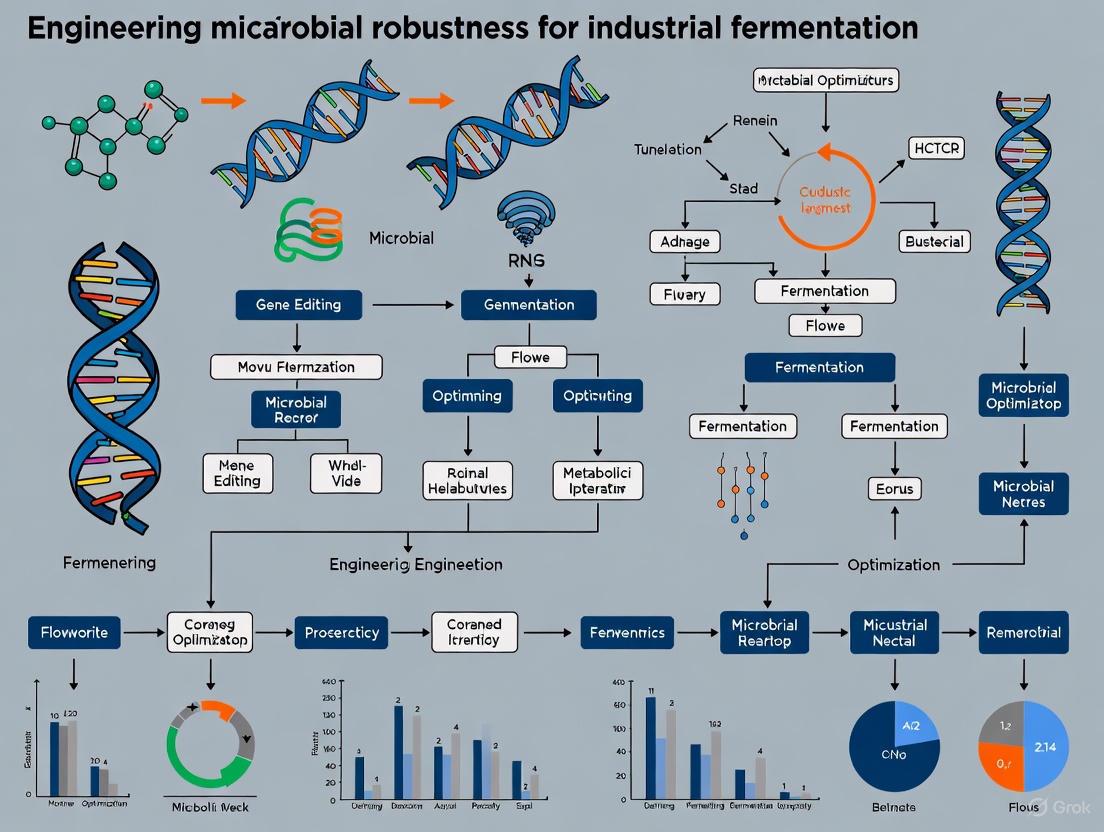
Engineering Microbial Robustness for Industrial Fermentation: Strategies for Strain Design, Bioprocess Optimization, and Pharmaceutical Applications
This article provides a comprehensive analysis of advanced strategies for engineering microbial robustness to enhance the efficiency and scalability of industrial fermentation, with a specific focus on pharmaceutical applications.
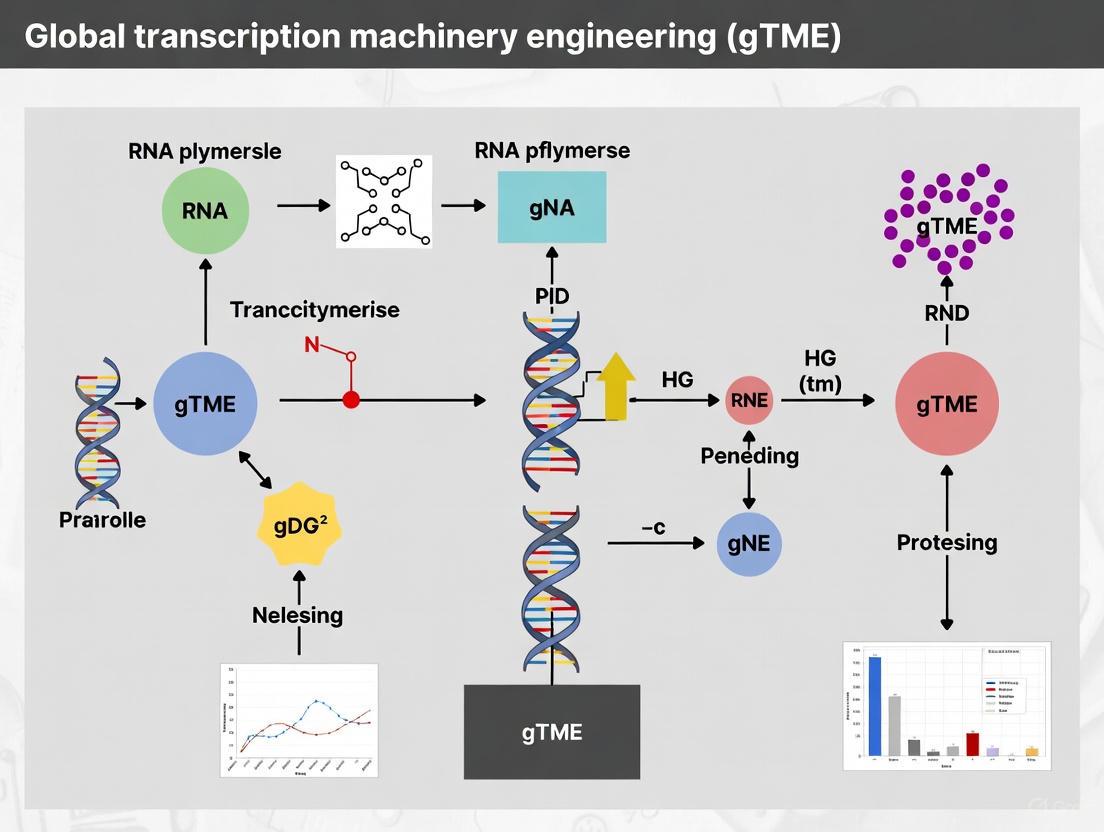
Global Transcription Machinery Engineering (gTME): A Complete Protocol Guide for Strain Improvement
This article provides a comprehensive guide to Global Transcription Machinery Engineering (gTME), a powerful directed evolution technique for reprogramming cellular physiology and improving industrial microbial strains.
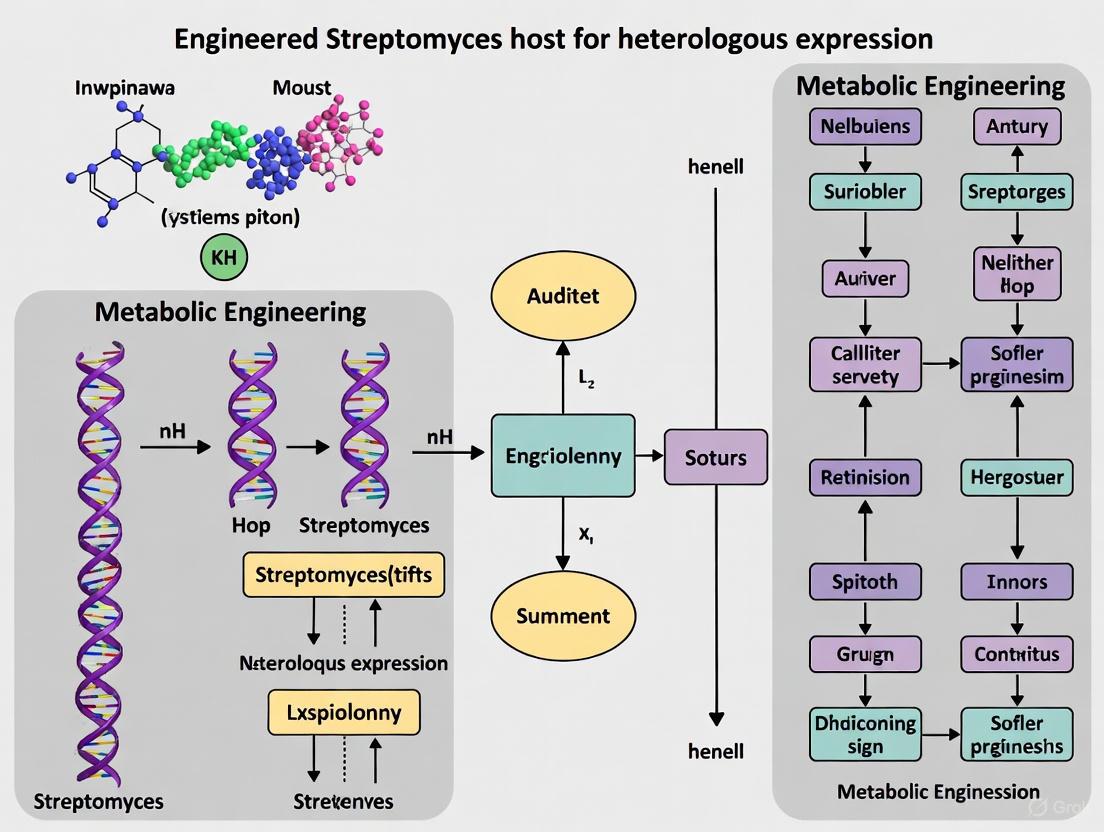
Engineered Streptomyces Hosts for Heterologous Expression: A Comprehensive Guide for Natural Product Discovery and Optimization
The rediscovery of natural products as a critical source of new therapeutics has been greatly advanced by the development of engineered Streptomyces hosts for heterologous expression.
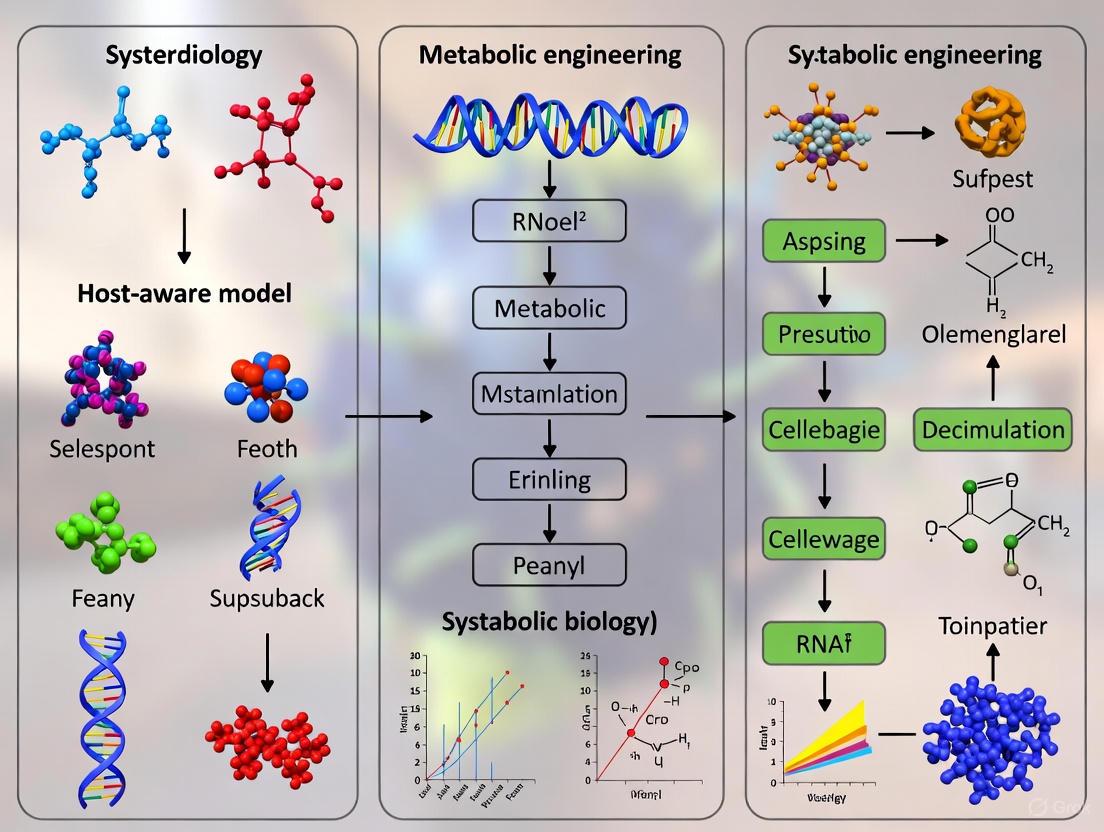
Host-Aware Models: The New Framework for Predictive Biomanufacturing Design
This article explores the paradigm shift in metabolic engineering toward host-aware computational models.
Engineering Microbial Chassis for Sustainable Chemical Production: From C1 Utilization to Data-Driven Design
This article explores the engineering of microbial chassis as sustainable platforms for chemical production, targeting researchers and scientists in drug development and biotechnology.

Strategic Host Selection for Systems Metabolic Engineering: A Comprehensive Guide for Researchers
This article provides a systematic framework for selecting optimal microbial hosts in systems metabolic engineering, addressing critical needs for researchers and drug development professionals.
Genome-Scale Metabolic Modeling for Host Selection: A Systems Biology Framework for Therapeutic Development
Genome-scale metabolic models (GEMs) provide a powerful computational framework for predicting host-microbe metabolic interactions, offering transformative potential for therapeutic development.
Beyond E. coli and Yeast: Harnessing Non-Model Organisms as Next-Generation Microbial Cell Factories
This article explores the paradigm shift from traditional model microbial cell factories to non-model organisms, which offer a treasure trove of unique metabolic capabilities for sustainable biomanufacturing.
Strategic Host Organism Selection for Heterologous Natural Product Expression: A Comprehensive Guide for Researchers
This article provides a systematic framework for researchers and drug development professionals to select optimal host organisms for the heterologous expression of natural products.
The Chassis Effect: How Microbial Host Selection Dictates Genetic Circuit Performance in Cell Factories
This article explores the critical yet often overlooked role of the microbial chassis in determining the performance and stability of engineered genetic circuits.