Research Articles
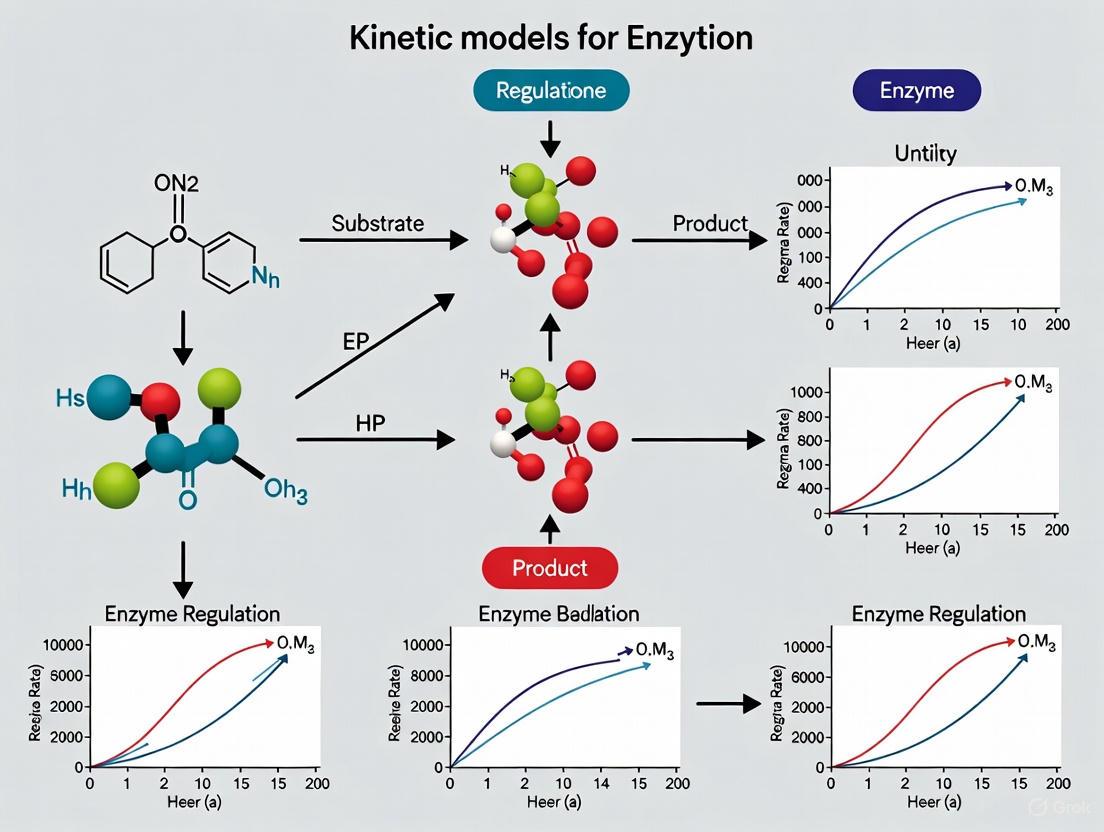
Decoding Cellular Control: How Kinetic Models Uncover Enzyme Regulation Mechanisms
This article provides a comprehensive exploration of how kinetic models serve as essential tools for capturing the complex mechanisms of enzyme regulation.
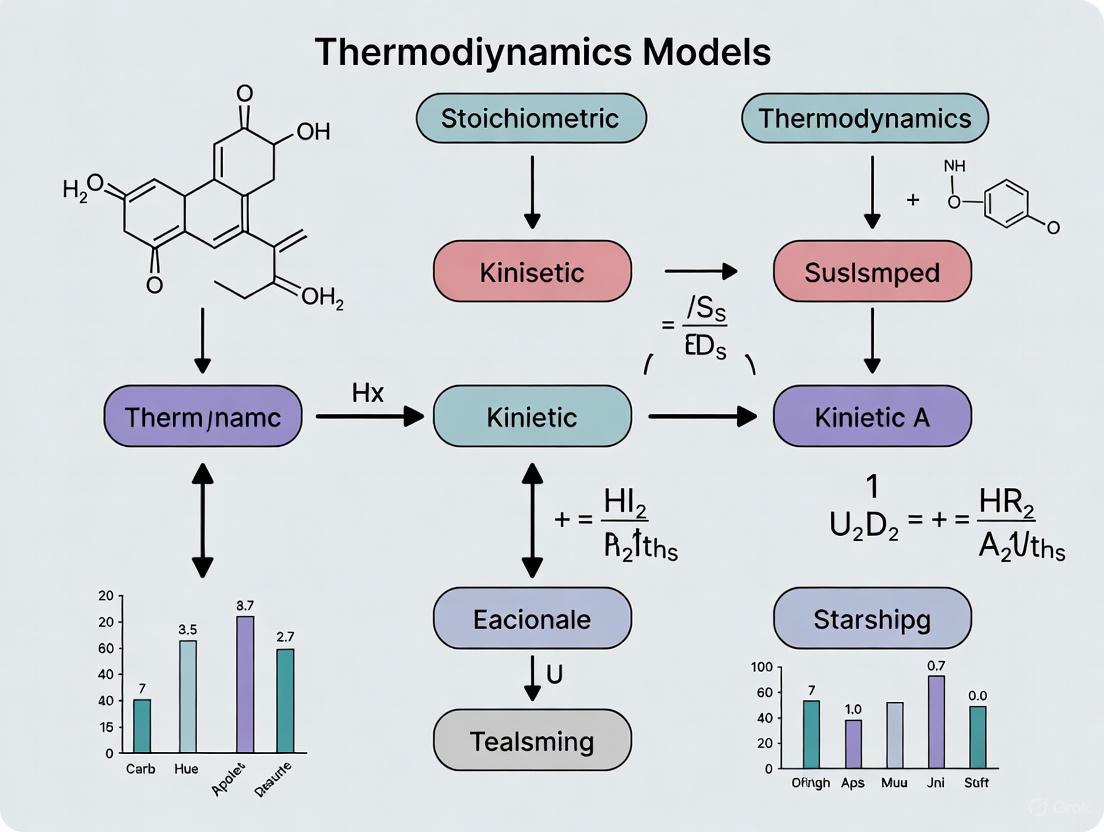
Beyond Affinity: How Thermodynamics Bridges Stoichiometric and Kinetic Models for Smarter Drug Design
This article explores the critical, yet often overlooked, role of thermodynamic principles in strengthening the predictive power of stoichiometric and kinetic models in drug discovery and development.
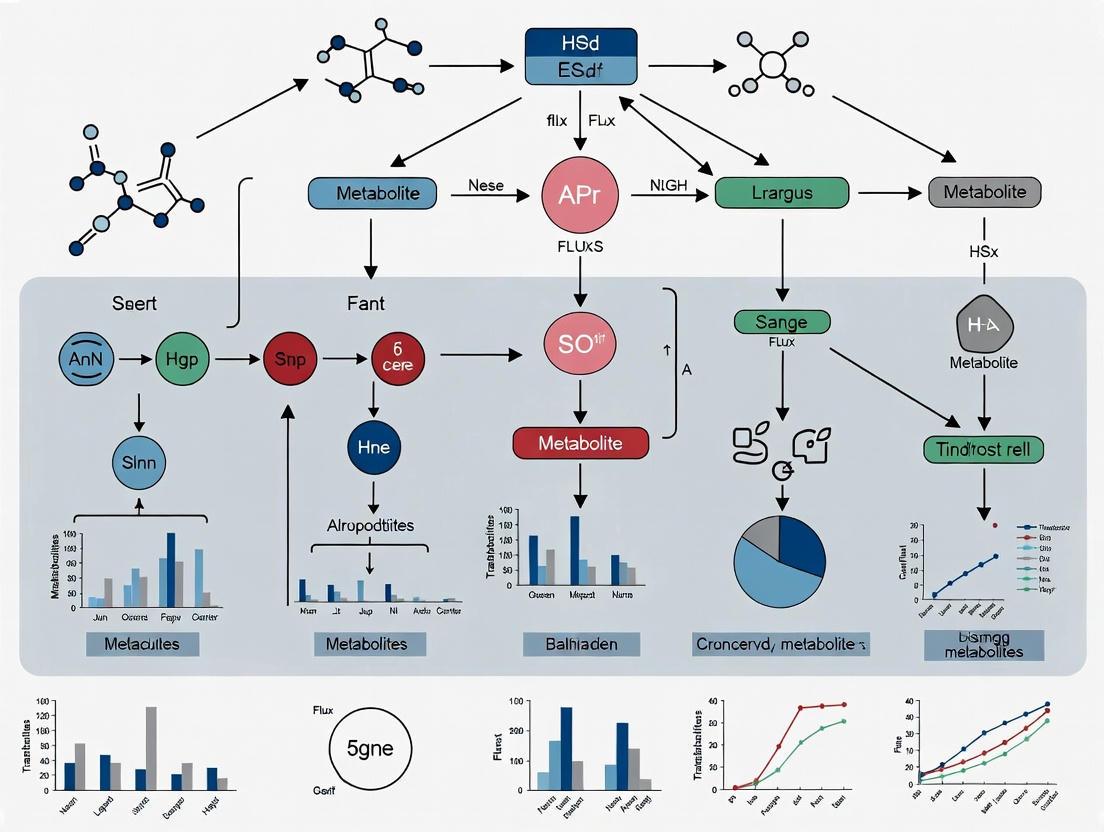
Genome-Scale Metabolic Models (GEMs): A Comprehensive Guide from Fundamentals to Biomedical Applications
Genome-scale metabolic models (GEMs) are powerful computational frameworks that mathematically represent the entire metabolic network of an organism, connecting genotype to phenotype.
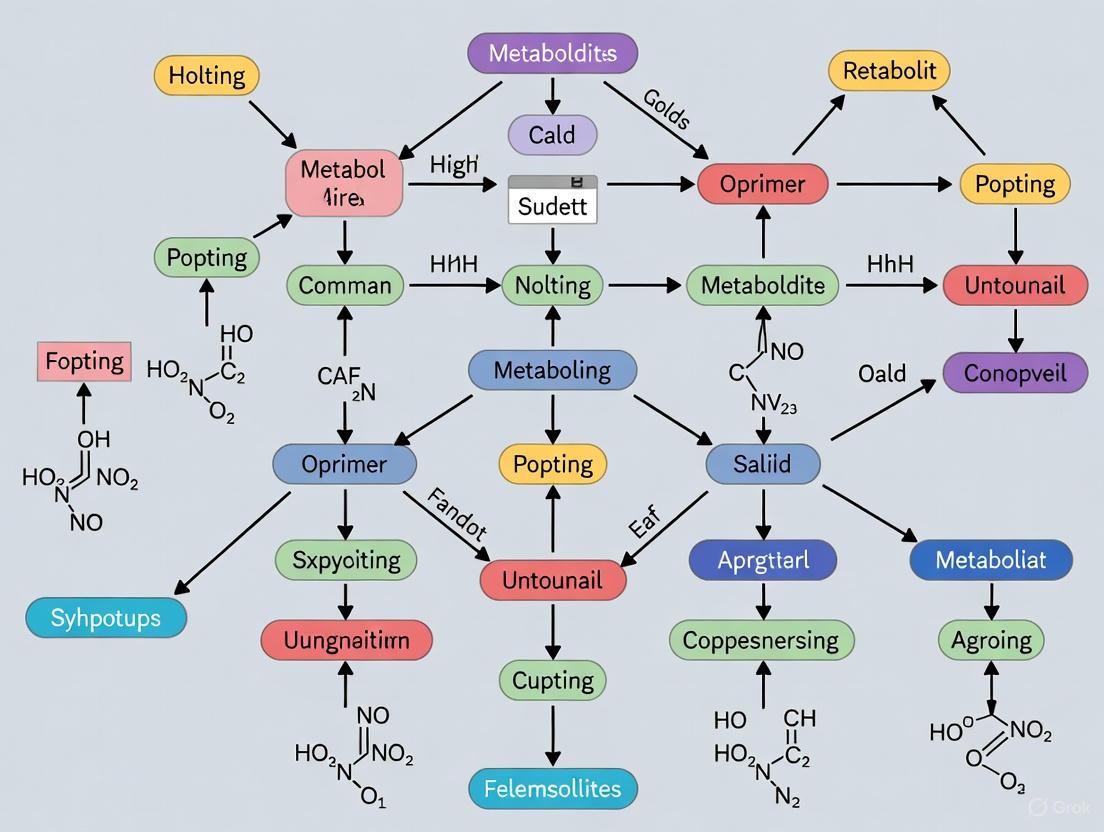
Metabolic Network Reconstruction: A Comprehensive Guide for Biomedical Research and Drug Discovery
Metabolic network reconstruction integrates genomic, biochemical, and omics data to build computational models that simulate cellular metabolism.
Dynamic Metabolic Modeling with ODEs: From Foundational Concepts to Advanced Applications in Biomedical Research
This article provides a comprehensive guide for researchers and drug development professionals on modeling dynamic metabolic responses using Ordinary Differential Equations (ODEs).
Constraint-Based Metabolic Modeling: A Foundational Guide for Biomedical Research and Drug Development
This guide provides a comprehensive introduction to constraint-based metabolic modeling (CBM), a powerful computational framework for simulating metabolism at the genome-scale.
Flux Balance Analysis (FBA): A Comprehensive Guide for Biomedical Researchers and Drug Developers
This article provides a comprehensive overview of Flux Balance Analysis (FBA), a cornerstone computational method in systems biology for simulating metabolism in silico.
Flux Balance Analysis vs. Kinetic Models: A Comparative Guide for Biomedical Researchers
This article provides a comprehensive comparison of two foundational metabolic modeling approaches: Flux Balance Analysis (FBA) and kinetic models.
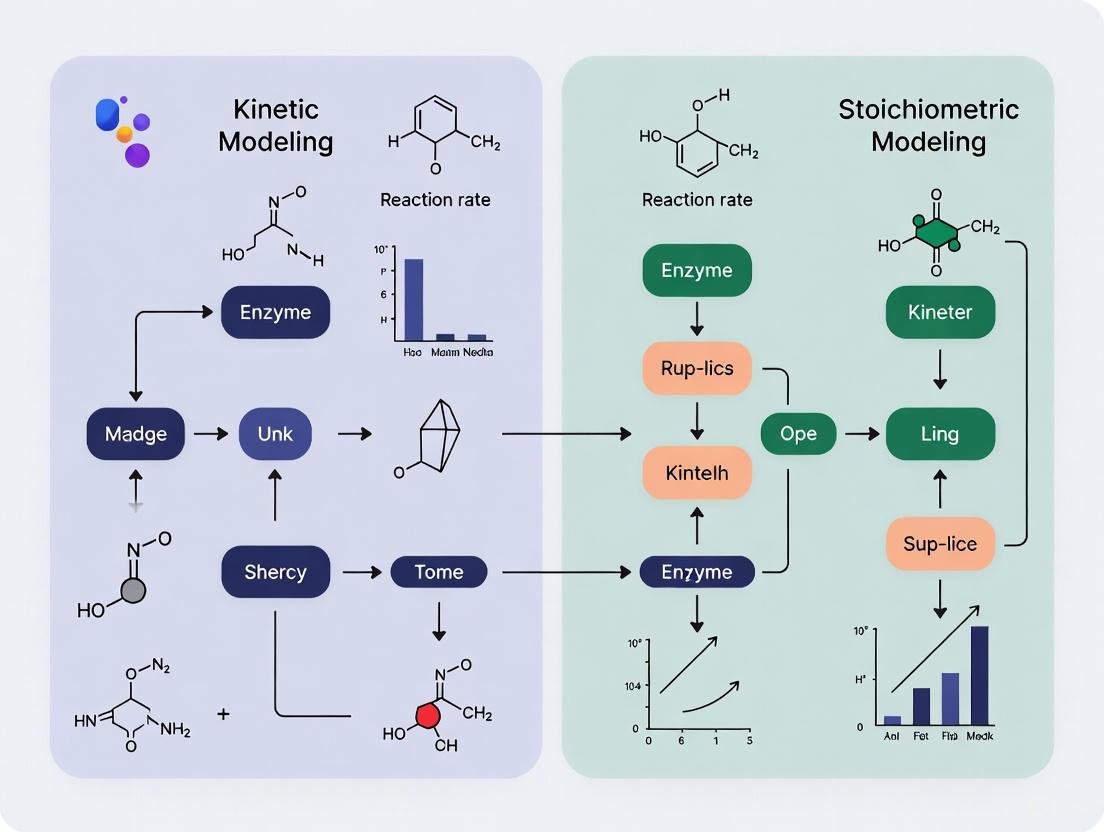
Kinetic vs. Stoichiometric Modeling: A Strategic Guide for Biomedical Researchers
This article provides a comprehensive guide for researchers and drug development professionals on selecting between kinetic and stoichiometric metabolic modeling approaches.
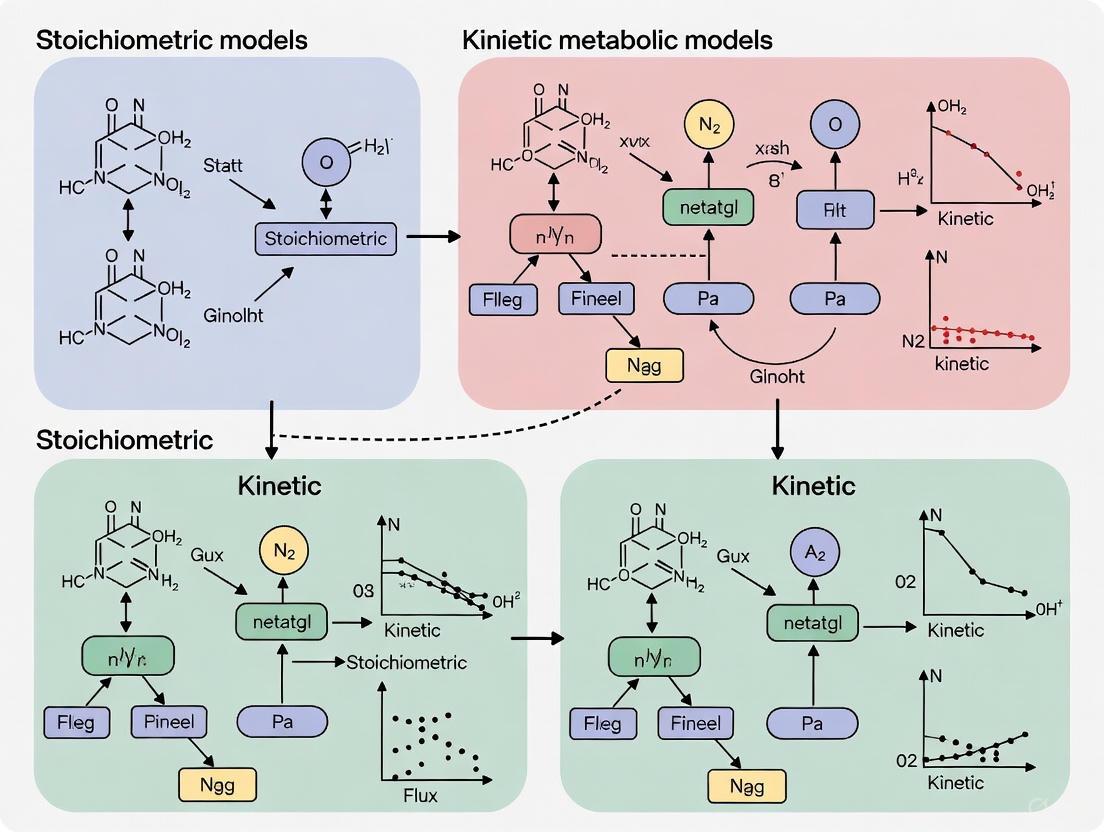
Stoichiometric vs. Kinetic Metabolic Models: A Comprehensive Guide for Biomedical Research
This article provides a detailed comparison of stoichiometric and kinetic metabolic models, two foundational approaches in systems biology and metabolic engineering.